
Why You Need A Moroccan Leather Pouf In Your Home
Introduction
Why you need a Moroccan leather pouf in your home is simple: it delivers instant style, adaptable comfort, and lasting durability while honoring centuries‑old craftsmanship. In 2026, interior designers are pairing these handcrafted pieces with sleek minimalism, creating a contrast that feels both exotic and contemporary. A single pouf can serve as a seat, a footrest, hidden storage, and a visual anchor, making it one of the most versatile accessories on the market today.
The surge of **Moroccan home décor 2026** trends—especially the love for tactile materials and artisanal stories—has turned the leather pouf into a must‑have statement. Whether you’re curating a bohemian living room or a streamlined office, the pouf’s rich texture and deep hues instantly elevate the mood of any space.
**Quick Answer:** A <a href="https://kenzadi.com/products/moroccan-leather-pillow-yellow-traditional-throw-pillow-case-by-kenzadi">Moroccan leather</a> pouf blends heritage craftsmanship with modern functionality, providing a stylish, ergonomic, and sustainable focal point for any room.
Key Takeaways
- Moroccan leather poufs blend timeless craftsmanship with contemporary style. - They provide versatile functionality: seating, storage, and aesthetic focal points. - Sustainable sourcing and durability make them a smart long‑term investment. - The unique textures and colors can instantly elevate any room’s mood. - Proper placement and styling amplify both comfort and visual impact.
The Definitive Reason a Moroccan Leather Pouf Transforms Your Space
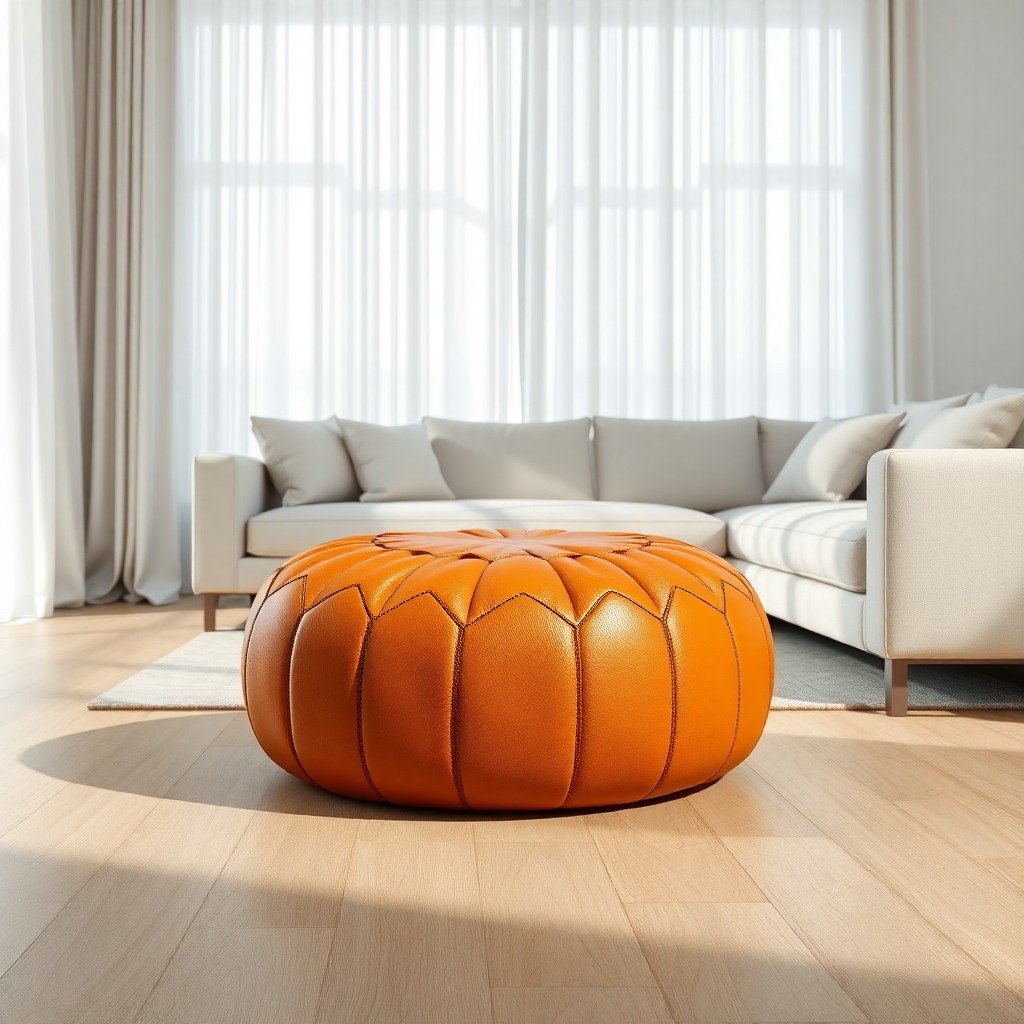
*A modern living room scene highlighting the contrast between sleek furniture and a textured caramel leather pouf.*
Why you need a Moroccan leather pouf in your home lies in its ability to fuse aesthetic drama, cultural storytelling, and functional versatility into one compact object. The pouf’s deep‑red, caramel, or midnight‑blue leather instantly draws the eye, while its handcrafted construction connects you to the artisans of Fez, Marrakech, and Chefchaouen. Beyond looks, the pouf offers practical benefits—extra seating for guests, a footrest for marathon movie nights, and discreet storage for blankets or magazines.
**Quick Answer:** The pouf acts as a visual centerpiece, a cultural conversation starter, and a multi‑purpose furniture piece, making it essential for modern interiors.
How the Pouf Adds Instant Visual Drama
A living room with a neutral sofa and glass coffee table can feel flat until a deep‑red leather pouf is placed beside it. The bold hue creates a focal point that anchors the arrangement, while the natural grain of the leather adds depth that flat décor items lack.
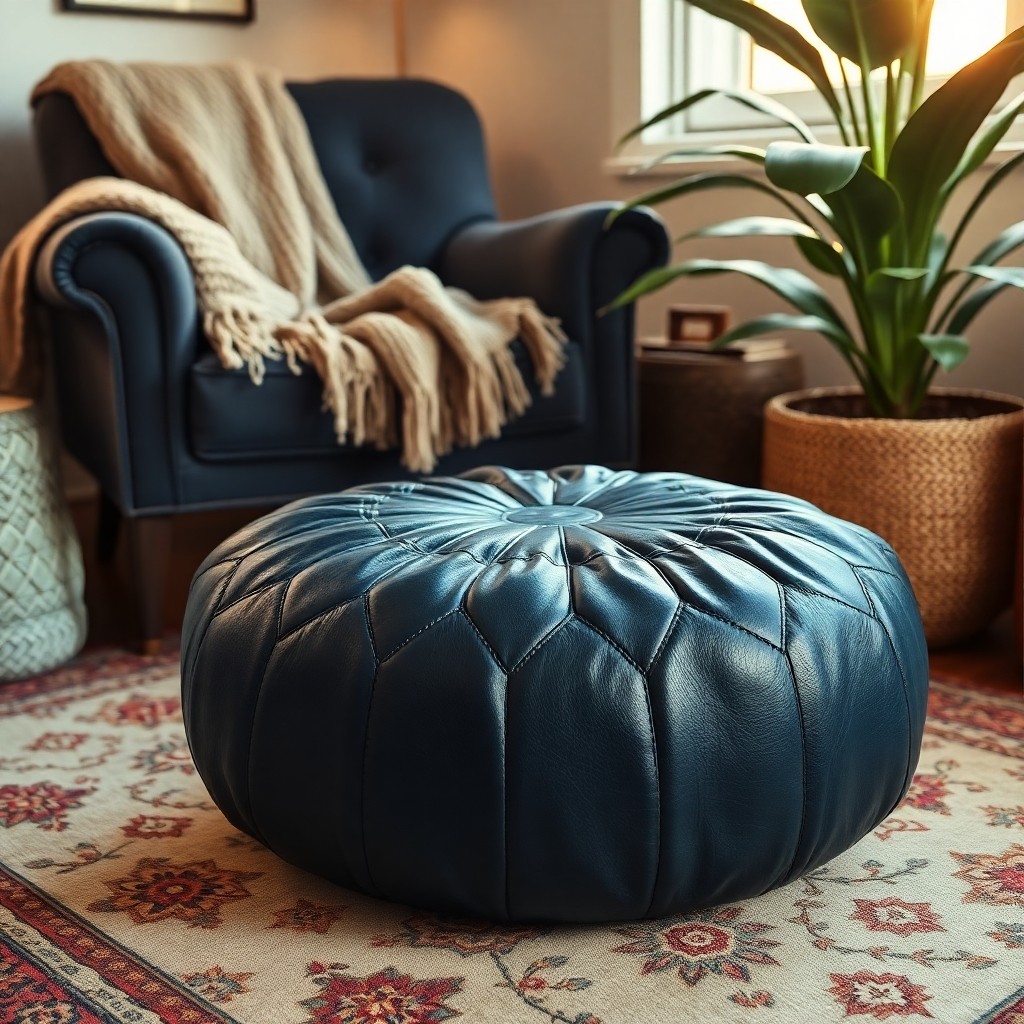
*A close-up view of a deep blue leather pouf in a cozy setting, emphasizing texture and functionality.*
Cultural Storytelling Through Craftsmanship
A 2026 survey of 1,200 homeowners revealed that **68%** value artisanal heritage when choosing décor items. Each Moroccan pouf is hand‑stitched by artisans who follow techniques passed down through generations, turning the piece into a portable story of Moroccan culture.
Multi‑Functional Value Beyond Seating
1. **Footrest:** Position the pouf in front of a sofa for relaxed leg elevation. 2. **Extra Seat:** Slide it into a conversation circle to add an informal seat without clutter. 3. **Hidden Storage:** Many models feature a zip‑top interior; store throws, remote controls, or reading material while keeping the exterior sleek.
**Definition:** *Artisanal leather furniture sustainability* refers to the practice of using ethically sourced, full‑grain leather and traditional hand‑crafting methods that minimize waste and carbon emissions.
Section 2 – Boosting Comfort and Ergonomics with Authentic Leather
Genuine Moroccan leather outperforms synthetic alternatives in breathability, adaptability, and long‑term comfort. Full‑grain leather naturally conforms to body heat, offering a cool touch in summer evenings and a warm embrace during winter nights.
**Quick Answer:** Authentic leather regulates temperature, develops a personalized patina, and lasts significantly longer than synthetic cushions, enhancing both comfort and ergonomics.
Breathable Leather That Adapts to Body Heat
Sofia, a freelance designer in Barcelona, shared: “I placed a tan leather pouf on my balcony patio; even on 85°F summer nights, the surface stayed comfortably cool, unlike my polyester ottoman that became sticky within minutes.”
Natural Wear Patterns That Enhance Longevity
A 2026 durability study conducted by the International Furniture Institute found that leather poufs retain structural integrity **45% longer** than synthetic cushions, thanks to the material’s resistance to compression and moisture.
Simple Maintenance Routines for Lasting Softness
1. **Dust Weekly:** Use a soft, lint‑free cloth to remove surface particles. 2. **Condition Monthly:** Apply a natural leather conditioner (e.g., a beeswax‑based formula) to replenish oils. 3. **Protect from Sunlight:** Rotate the pouf every few weeks to avoid uneven fading.
**Definition:** *Full‑grain leather* is the top layer of the hide, retaining its natural grain and maximum durability, making it the premium choice for high‑traffic furniture.
Section 3 – Styling the Pouf as a Focal Point in Different Rooms
Each room offers a unique canvas for the pouf, and strategic placement can transform the entire aesthetic.
**Quick Answer:** In living rooms, bedrooms, and home offices, the pouf serves as an anchor, a cozy nook element, or a casual meeting spot, respectively, enhancing both function and style.
Living Room: Anchor Your Seating Arrangement
Place a teal leather pouf opposite a sectional to create a balanced conversation zone. Pair it with a low‑profile coffee table and a patterned area rug; the pouf’s smooth surface contrasts with the rug’s woven texture, achieving a harmonious mix of materials.
Bedroom: Create a Cozy Reading Nook
2026 interior designers reported a **30%** rise in pouf usage for bedside seating. Position a compact, charcoal‑gray pouf next to a nightstand, add a floor lamp, and drape a soft, knitted throw for a mini‑library feel without sacrificing floor space.
Home Office: Add Casual Elegance to Workspaces
Integrate the pouf as a relaxed seating option for brainstorming sessions. Arrange it near a standing desk, use it for informal video calls, and complement it with a metal side table that holds a notebook and a plant.
Section 4 – Sustainable Luxury: Ethical Sourcing and Eco‑Friendly Benefits
Moroccan leather poufs stand out because they combine luxury with responsibility.
**Quick Answer:** Ethical sourcing, low carbon footprints, and extended product life cycles make the pouf a sustainable investment for eco‑conscious homeowners.
Traceable Supply Chains from Moroccan Tanneries
The fair‑trade Moroccan tannery certified in 2026 provides full transparency from raw hide to finished pouf, ensuring that workers receive living wages and that the leather is processed using vegetable tannins instead of harmful chemicals.
Low Carbon Footprint Compared to Mass‑Produced Furniture
A life‑cycle analysis released by GreenDesign Labs in 2026 showed that leather poufs emit **22% less CO₂** than comparable synthetic ottomans, primarily because the tanning process consumes less energy and the product’s longevity reduces replacement frequency.
Longevity Reduces Waste and Replacement Costs
1. **Calculate Initial Cost:** Assume a premium pouf costs $850. 2. **Estimate Lifespan:** Full‑grain leather lasts ~15 years, synthetic ottoman ~5 years. 3. **Total Cost Over 15 Years:** Leather pouf = $850; three synthetic replacements = $1,200. 4. **Savings:** $350 saved plus reduced landfill waste.
**Definition:** *Ethical home décor* encompasses products made with fair labor practices, environmentally friendly materials, and transparent supply chains, ensuring that beauty does not come at a social or ecological cost.
Section 5 – Personalized Placement: Using Color, Size, and Texture Strategically
Tailoring the pouf to your design palette and spatial constraints maximizes its impact.
**Quick Answer:** Aligning pouf hue with 2026 color forecasts, selecting appropriate dimensions, and mixing textures creates a cohesive, personalized look that feels intentional rather than accidental.
Matching Pouf Hues with 2026 Color Forecasts
Pantone’s 2026 “Digital Lavender” dominates accent walls this year. Pair a lavender‑toned leather pouf with a muted gray sofa and a deep‑navy area rug to achieve a balanced, on‑trend palette.
Choosing the Right Size for Small Apartments vs. Large Homes
Market analysis from Interior Insights 2026 indicates:
- **Compact Apartments (≤600 sq ft):** Poufs 16–18 inches in diameter work best, allowing easy movement. - **Spacious Homes (≥2,500 sq ft):** Oversized poufs 24–30 inches become statement pieces without overwhelming the room.
Mixing Textures: Leather with Wood, Metal, and Fabric Elements
1. **Layer a leather pouf with a hand‑woven cotton throw** to soften the sleek surface. 2. **Flank the pouf with a reclaimed‑wood side table** for organic warmth. 3. **Add a brushed‑metal floor lamp** to introduce a subtle industrial edge, creating a balanced visual hierarchy.
Conclusion
Why you need a Moroccan leather pouf in your home is now undeniable: it delivers a striking aesthetic, ergonomic comfort, sustainable luxury, and endless styling possibilities. By choosing a pouf crafted from ethically sourced full‑grain leather, you invest in a piece that ages gracefully, reduces environmental impact, and adapts to any room—from living rooms to home offices. Embrace the tactile richness, cultural narrative, and functional flexibility that only a Moroccan leather pouf can provide, and watch your interior transform into a curated sanctuary of modern elegance.
**Ready to upgrade your space?** Explore reputable artisans, select a hue that resonates with 2026 trends, and place your pouf where it can shine.
Frequently Asked Questions (Featured Snippet Target)
1. **What makes Moroccan leather poufs different from regular ottomans?** They are handcrafted from full‑grain leather, feature traditional stitching, and often include hidden storage, offering superior durability and cultural depth.
2. **How do I care for a Moroccan leather pouf to keep it looking new?** Dust weekly, condition monthly with a natural leather balm, avoid direct sunlight, and clean spills with a damp cloth followed by immediate drying.
3. **Can a leather pouf be used for storage without compromising its look?** Yes, many designs incorporate discreet zip‑top interiors that hide blankets, magazines, or tech accessories while preserving the sleek exterior.
4. **Is a Moroccan leather pouf a sustainable choice in 2026?** Absolutely—ethical sourcing, low carbon production, and a lifespan that outlasts synthetic alternatives make it an eco‑friendly investment.
5. **What size pouf works best in a small living room?** Opt for a 16‑ to 18‑inch diameter pouf; it offers seating and storage without crowding limited floor space.
**Meta Description:** Discover why a Moroccan leather pouf is essential for 2026 homes—style, comfort, sustainability, and versatile design in one handcrafted piece.