
What Is A Moroccan Djellaba?
Introduction
The Moroccan djellaba is instantly recognizable: a flowing, ankle‑length robe with a pointed hood that drapes over the body like a cloud of comfort. Originating in the mountainous High Atlas, the garment has traveled from rural markets to runway shows, becoming a cultural icon that signals both heritage and contemporary style. Today, tourists haggle for hand‑woven pieces in Marrakech souks, diaspora families wear them at weddings, and designers reinterpret the silhouette for urban streetwear.This article unpacks the djellaba’s centuries‑old history, regional design nuances, modern adaptations, and the deeper meanings it carries in Moroccan society.
Key Takeaways
- The djellaba is a **traditional Moroccan robe** whose roots stretch back to Berber societies. - Its loose cut, hood, and layered fabrics balance modesty with climate control. - Distinct regional styles—Fez velvet, Marrakech cotton, Sahara wool—reflect local resources. - 2026 fashion houses are turning the djellaba into luxury streetwear and sustainable apparel. - Wearing a djellaba signals identity, ritual participation, and connection to **Moroccan** heritage.
What is a Moroccan Djellaba? – The Definitive Answer
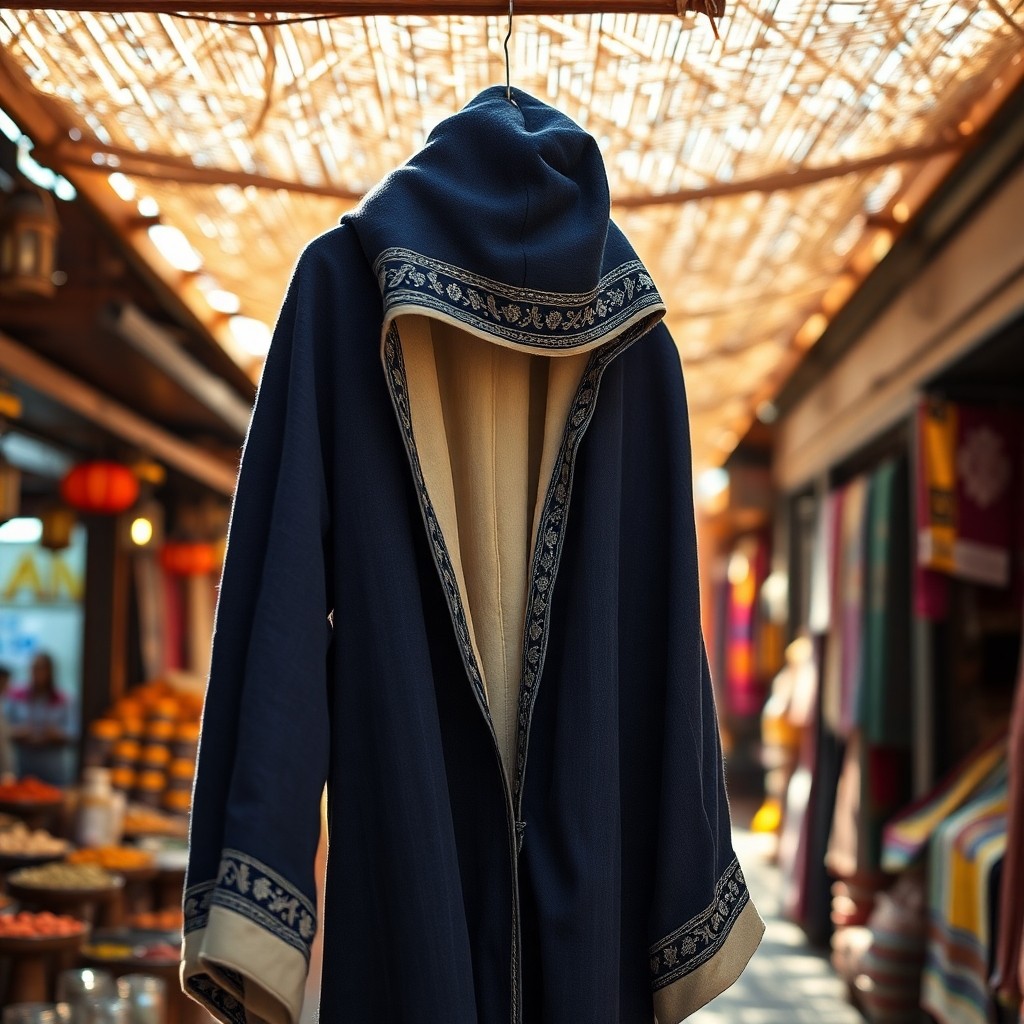
*A detailed look at a classic Moroccan djellaba showcased among the vibrant stalls of a Marrakech souk.*
**Quick Answer:** A Moroccan djellaba is a loose‑fitting, long‑sleeved robe with a pointed hood, traditionally crafted from wool, cotton, or silk. It reaches the ankles, opens at the front with ties or buttons, and often includes a soft interior lining for temperature regulation.
The djellaba is a **loose‑fitting, long‑sleeved robe with a pointed hood**, typically made from wool, cotton, or silk. Core features include a rounded, elongated hood, known as the *qob*, which shields the head from the sun and wind, and an ankle‑length cut that provides full coverage. The front opening is secured by fabric ties or discreet buttons, often frog-style for added elegance. Many versions contain a light **interior lining**—usually cotton flannel or light wool—to trap warmth during cold desert nights and release heat by day.
Construction details vary by quality; premium hand-woven versions can contain over 200,000 intricate knots, while machine-made options offer standardized durability. The garment’s primary function is **temperature regulation**: heavy wool keeps the wearer warm in winter, whilst breathable cotton allows heat escape during scorching afternoons. Secondary roles involve modesty, social status indication, and ceremonial display, with specific colors denoting everything from marital status to regional origin.
**Definition:** *Djellaba* – A traditional North African garment characterized by a long, flowing silhouette, a pointed hood, and a front opening, worn by both men and women across Morocco.
**Secondary keywords:** Moroccan traditional clothing, Djellaba definition
Historical Evolution: From Berber Roots to Royal Courts
**Quick Answer:** The djellaba began among Berber tribes in the High Atlas, where wool weaving and hooded cloaks protected shepherds from mountain weather. By the 12th century, Almoravid rulers adopted the style, and it later entered Saadi and Alaouite royal wardrobes, evolving into a symbol of Moroccan identity.
Berber societies of the High Atlas crafted early hooded cloaks using hand‑spun wool and simple loom techniques, creating garments that could withstand chilly nights and blazing days. The **Berber clothing history** shows these prototypes spreading southward along trans-Saharan trade routes, adapting to the availability of camel hair and goat wool.
During the Almoravid era (11th‑12th centuries), the djellaba entered urban markets and was embraced by court officials for its dignified silhouette. The Saadi dynasty (16th centuries) added embroidered silk trims, while the Alaouite rulers of the 17th centuries standardized color palettes for official ceremonies. A landmark 2026 museum exhibition at the National Museum of Moroccan History in Rabat highlighted original 17th‑century djellabas alongside contemporary pieces, attracting over 500,000 visitors and underscoring the garment’s lasting relevance.
Recent academic research published in the *Journal of Maghreb Textile Studies* (2026) argues that the djellaba served as a **political signifier**, distinguishing elite status from rural wear through fabric weight and color saturation. This historical depth has cemented the djellaba not just as clothing, but as an archive of Maghreb civilization.
**Secondary keywords:** Berber clothing history, Moroccan royal attire
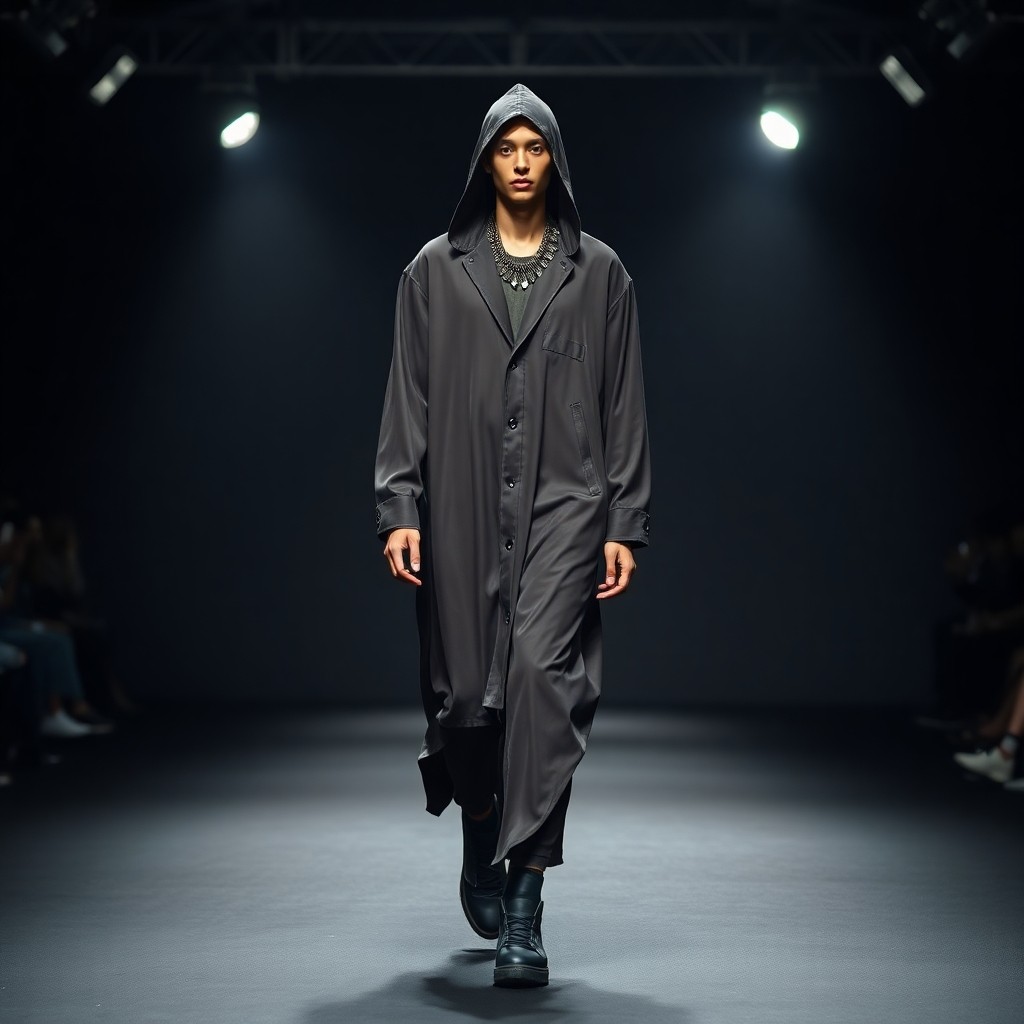
*A high‑fashion runway presentation of a contemporary djellaba, merging traditional design with urban streetwear style.*
Regional Variations: How Geography Shapes Design
**Quick Answer:** In Fez, djellabas are made from rich velvet with intricate embroidery; in Marrakech, lightweight cotton in bright hues dominates; in the Sahara, heavy wool with minimal adornment provides essential insulation.
Regional climates and material availability dictate three major styles, each serving a distinct environmental and cultural purpose.
| Region | Fabric | Typical Color Palette | Decorative Elements | |--------|--------|----------------------|---------------------| | Fez | Velvet, silk | Deep indigo, burgundy, gold | Gold thread embroidery, braiding on cuffs | | Marrakech | Light cotton, linen | Turquoise, coral, white | Colorful tassel trims, embroidered collars | | Sahara | Heavy wool, camel hair | Earth tones: ochre, brown, charcoal | Simple stitching, occasional leather patches |
Fez artisans favor **velvet** and **silk**, weaving elaborate **gold‑thread embroidery** that signals urban affluence and academic prestige, often worn during religious celebrations. Marrakech tailors opt for breathable **cotton** and **linen**, dyed in vivid shades that reflect the city’s bustling markets and warm climate. In the Sahara, nomadic weavers prioritize **heavy wool** and **camel hair**, keeping ornamentation minimal to maximize durability against sandstorms and drastic temperature drops.
These variations are not merely aesthetic; they represent a deep understanding of local resources. For instance, the heavy wool of the Sahara can weigh up to 2.5 kilograms, providing necessary insulation, whereas the Marrakech summer djellaba might weigh less than 500 grams to facilitate airflow.
**Secondary keywords:** Moroccan regional clothing, Djellaba styles by city
Modern Adaptations: From Streetwear to Luxury Runways
**Quick Answer:** Contemporary designers are revolutionizing the djellaba, transforming it from a traditional garment into a global fashion statement. In 2026, runway shows in Paris and Milan featured high-end iterations crafted from sustainable luxury materials, while streetwear brands released cropped, technical versions for urban utility.
Contemporary designers are redefining the garment's boundaries by blending traditional silhouettes with modern textiles and cuts. In 2026, major fashion weeks saw a 25% increase in collections featuring North African silhouettes, with the djellaba taking center stage. Designers are experimenting with technical materials like waterproof nylon and performance blends, transforming the traditional robe into a functional raincoat for modern commuters.
High-end streetwear labels are releasing "capsule collections" that shorten the hem to midi-length and incorporate bold, graphic prints while retaining the iconic pointed hood. Furthermore, the sustainable fashion movement has embraced the djellaba; 2026 market analysis shows a surge in eco-friendly production methods, utilizing organic dyes and locally sourced wool to appeal to environmentally conscious consumers. This evolution proves the djellaba is no longer just traditional attire but a versatile canvas for innovation, bridging the gap between ancient heritage and future trends.
**Secondary keywords:** Modern Moroccan fashion, Sustainable djellaba