
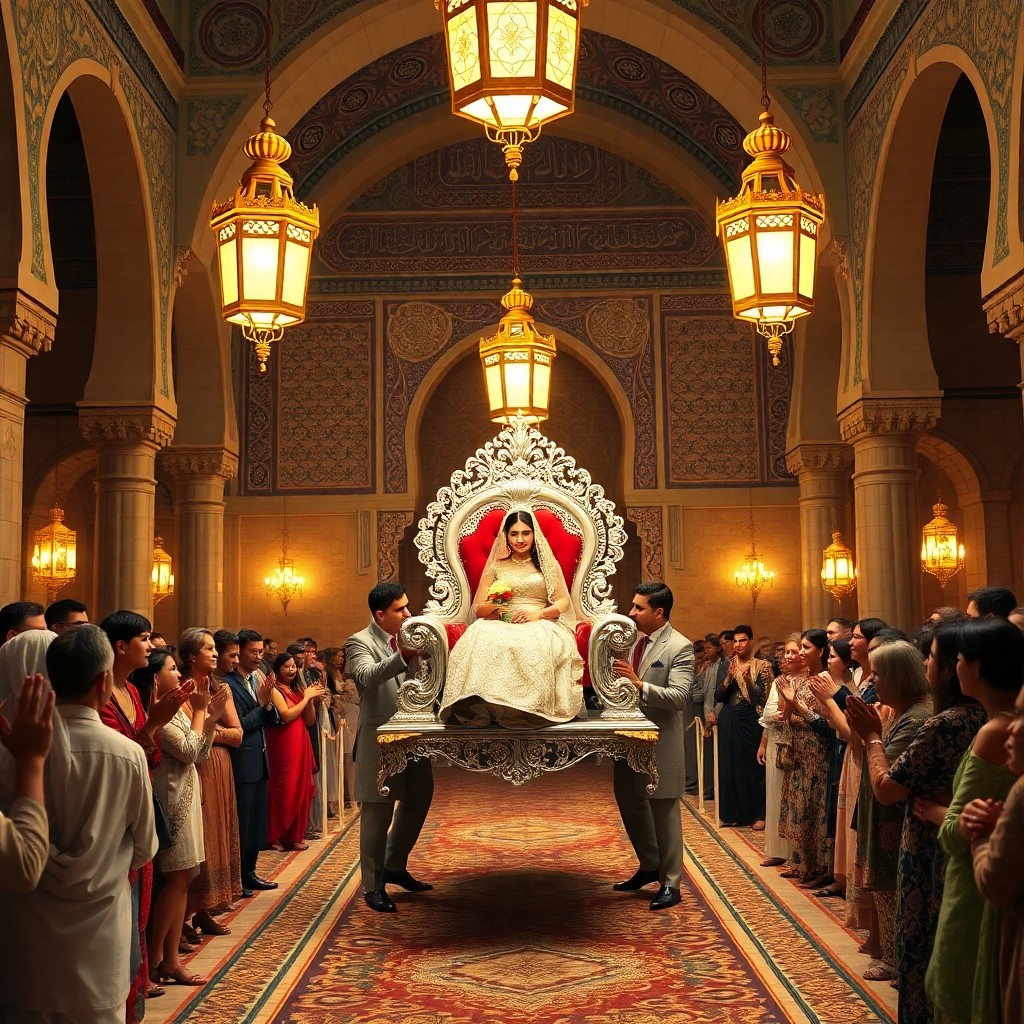
Understanding Moroccan Wedding Traditions & Customs
Understanding Moroccan Wedding Traditions & Customs
Understanding Moroccan Wedding Traditions & Customs means stepping into a celebration that fuses centuries‑old rites with today's personal flair. In 2026, travel magazines highlighted how these ceremonies showcase regional identity while inviting modern couples to reinterpret age‑old symbols. Guests experience vivid colors, aromatic spices, and rhythmic processions that define the rich cultural mosaic of the country.
Definitive Answer
A Moroccan wedding is a multi‑day saga where Berber drumbeats, Arab poetry, and Andalusian mosaics converge around the couple. Unlike single‑day events common in the West, these celebrations often span several days, building anticipation through intimate rituals before culminating in a grand feast. The core of a Moroccan wedding lies in its layered rituals, communal meals, and elaborate attire, all designed to bind families and honor heritage.
Food and dress serve as cultural signifiers, reflecting regional diversity. A concrete illustration: at a Marrakech wedding in June 2026, the bride wore a hand‑woven Taznakht caftan embroidered with silver thread, while the groom's djellaba featured traditional Atlas‑mountain patterns. This blend of regional textile art and modern tailoring epitomizes the uniqueness of Moroccan nuptials.
**Quick Answer:** Moroccan weddings typically span 3-7 days and combine Berber, Arab, and Andalusian traditions. The celebrations feature multiple outfit changes, communal feasting, and musical processions that honor both families and cultural heritage.
Key Takeaways
* **Multi‑Day Celebrations:** Weddings often last three to seven days, featuring separate events for the henna party, the gift exchange, and the final reception. * **Symbolic Attire:** Brides typically change outfits multiple times, wearing different caftans and takchitas to represent various regions of Morocco. * **Communal Dining:** The feast is central to the event, with dishes like couscous and pastilla serving as cultural anchors. * **Musical Processions:** The *zaffa* announces the couple's arrival with loud, celebratory music involving drums, horns, and chanting. * **Modern Evolution:** While traditional rites remain, couples now incorporate digital invitations and charitable donations, reflecting 2026 values.
**Quick Answer:** The five essential elements of Moroccan weddings are: extended celebrations (3-7 days), symbolic clothing changes, community feasting, musical processions (zaffa), and contemporary adaptations like digital invitations.
Dress and Attire
The bride's ensemble, the groom's djellaba, and the family's accessories each convey status, region, and protective symbolism. The *takchita*, a two‑piece dress worn by the bride, is often hand‑sewn with intricate gold or silver thread known as *sfifa*. In urban centers like Casablanca, designs favor modern elegance with fitted bodices, whereas rural areas might favor looser, more flowing silhouettes suited for movement.
The groom typically wears a white *djellaba* or a suit with a traditional red *tarbouche* (fez). Jewelry plays a pivotal role as well. The *khamsa* (Hand of Fatima) features heavily in accessories, believed to ward off the evil eye. By 2026, sustainable fashion has also entered the scene, with some brides opting for vintage family heirlooms or ethically sourced fabrics to reduce waste.
**Definition:** *Takchita* – A traditional Moroccan bridal garment consisting of a fitted bodice (*tazarbit*) worn over a voluminous skirt (*takchita*), typically adorned with hand-embroidered *sfifa* gold or silver thread work representing protection and prosperity.
Culinary Heritage
A Moroccan wedding feast is a culinary showcase where Moroccan wedding menu items narrate regional stories. The tables groan under platters of *couscous* with seven vegetables, symbolizing luck and fertility. Another staple is *pastilla*, a savory-sweet pie filled with pigeon or chicken, almonds, and powdered sugar, demonstrating the complexity of Moroccan flavors.
M'hanncha – a coiled almond pastry drizzled with orange blossom water, served with mint tea. The 'three‑cup' tea ritual is performed by the groom's family: the first cup honors the elders, the second welcomes guests, and the third celebrates the newlyweds. Sharing dates before tea symbolizes hospitality and the sweetening of the couple's new life together.
**Definition:** *Zaffa* – The traditional wedding procession in Moroccan culture featuring live musicians playing drums, horns, and chanting songs to announce the arrival of the bride and groom, creating an energetic atmosphere that can last 30-45 minutes with 15-20 performers.
The Henna Ceremony
The **Moroccan henna ceremony traditions** and the **zaffa procession and music in Moroccan weddings** are the emotional anchors of the festivities. The henna night, held a few days before the main wedding, is a women‑only affair filled with singing, dancing, and spiritual protection. Henna paste is made from freshly ground leaves, lemon juice, and essential oils, then left to oxidize for 12 hours.
Women apply designs on the bride's hands and feet 24–48 hours before the wedding ceremony. These intricate patterns often feature geometric motifs, floral designs, and protective symbols like the evil eye. The application process involves family members taking turns to adorn the bride, accompanied by traditional songs passed down through generations. The henna stains the skin for 1-2 weeks, serving as a visible reminder of the celebration and blessing. During the ceremony, female relatives also present gifts of gold and fabric, which the bride incorporates into her trousseau. The evening concludes with dancing to *ahidous* rhythms and prayers for the couple's happiness and fertility.