
Travel To Morocco: Essential Guide For First-Timers
Introduction
Travel to Morocco: Essential Guide for First-Timers is your passport to exploring one of the most vibrant and culturally rich countries in the world. Morocco's allure is undeniable, from the bustling souks of Marrakech to the majestic dunes of the Sahara Desert, and the rich cultural heritage that permeates every aspect of life. As a first-time traveler to Morocco, it's essential to be prepared for the unique experiences that await you. This guide is designed to help you navigate the basics, avoid common mistakes, and make the most of your time in this incredible country. You'll learn about visa requirements, safety tips, must-see destinations, and cultural nuances that will make your trip unforgettable. Whether you're looking for Morocco travel tips or seeking advice on first-time Morocco travel, this guide has got you covered.
With its unique blend of African, Arab, and European influences, Morocco is a country that will leave you enchanted and inspired. From the snow-capped Atlas Mountains to the scenic coastal routes, Morocco's diverse landscape is a treasure trove of exciting experiences. As you delve into the heart of Moroccan culture, you'll discover a world of vibrant colors, enticing aromas, and warm hospitality. So, get ready to embark on an adventure of a lifetime and explore the wonders of Morocco.
1. Visa and Entry Requirements: Navigating the Basics
Traveling to Morocco requires some planning, especially when it comes to visa and entry requirements. Citizens of certain countries, including the US, UK, EU, and Canada, are eligible for visa-free entry for up to 90 days. However, it's essential to check the official Moroccan government visa policy for the most up-to-date information. You can visit the official Moroccan government website for more details on visa exemptions and eligibility.
For non-exempt countries, the visa application process involves submitting required documents, such as a valid passport, photos, and itinerary, to the Moroccan embassy or consulate. The processing time and fees vary, but you can expect to pay around $20-$50, and wait 5-10 business days for your application to be processed. Additionally, be sure to check the current COVID-19 and health requirements, as they may affect your travel plans.
2. Best Time to Visit: Climate, Crowds, and Costs
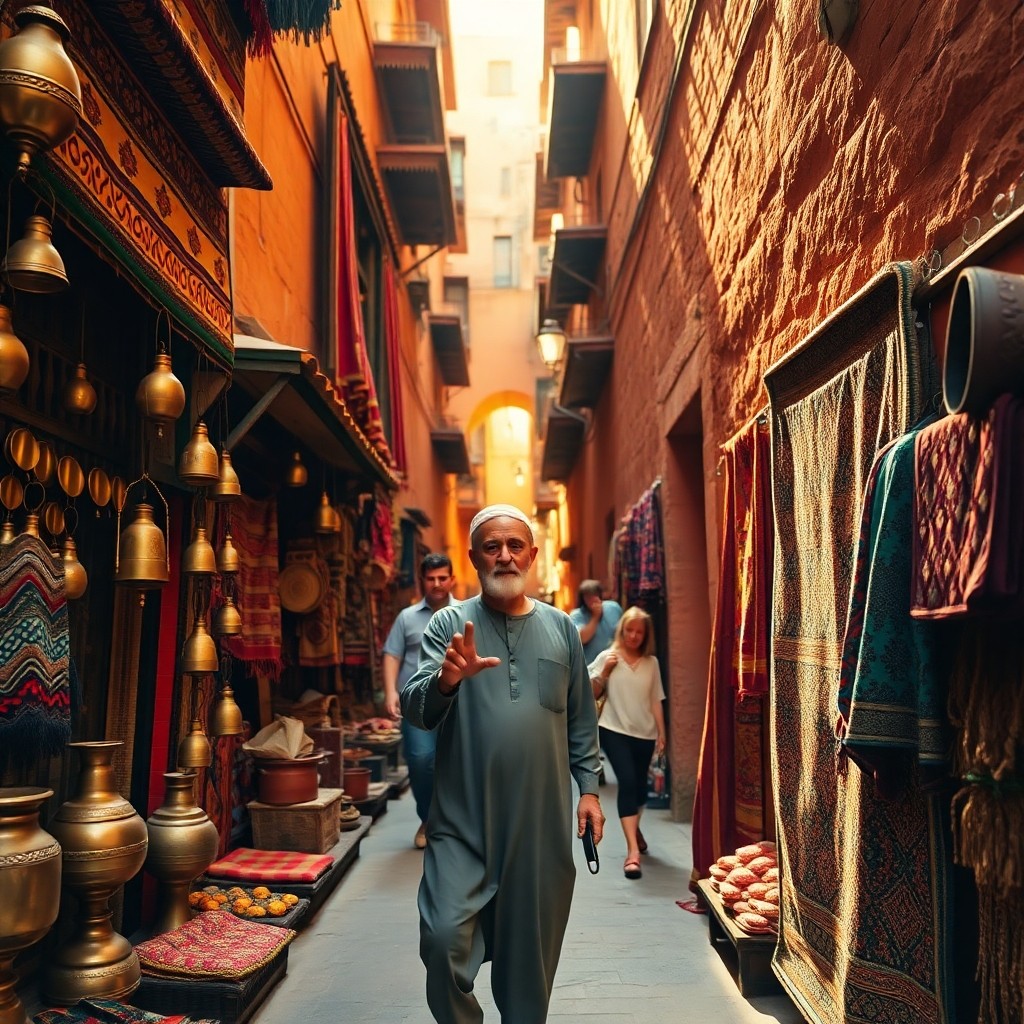
*A lively street scene capturing the essence of the Marrakech souks, featuring traditional architecture and colorful local goods.*
Morocco's climate varies greatly depending on the season, and the best time to visit depends on your preferences. Spring (March-May) is an ideal time to visit, with comfortable temperatures (20-25°C) and blooming landscapes. Fall (September-November) is similar to spring, with harvest festivals and fewer crowds. Winter (December-February) is perfect for skiing in the Atlas Mountains, while summer (June-August) can be hot (30-40°C), with Ramadan considerations and coastal escapes.
When planning your trip, consider the peak vs. off-peak trade-offs. Prices and availability vary greatly depending on the season, and you may find better deals during the off-peak months. You can check the average temperatures, tourist volume, and hotel prices by month in the following data table:
| Month | Average Temperature | Tourist Volume | Hotel Prices | | --- | --- | --- | --- | | March | 20°C | Medium | $100-$200 | | April | 22°C | High | $150-$300 | | May | 25°C | High | $200-$400 |
Some popular festivals and events to plan around include the Marrakech International Film Festival and the Fes Festival of World Sacred Music.
3. Cultural Etiquette: Do’s and Don’ts for Respectful Travel
Moroccan culture is known for its hospitality and warmth, but it's essential to respect local customs and traditions. When it comes to dress code, modesty is key, especially in rural areas and medinas. Cover your shoulders and knees, and avoid revealing clothing. In mosques, women should wear long skirts and scarves, while men should wear long pants and shirts.
Social interactions and greetings are also important to consider. Handshakes and cheek kisses are common, but be mindful of the context. Use polite phrases like "Salam alaykum" (peace be upon you), and avoid public displays of affection, pointing with fingers, and refusing tea. When bargaining in souks, start with a low price (30-50% of the asking price), smile, and be willing to walk away if needed. You can use the following example script for bargaining in Arabic/French: "As-salamu alaykum, je voudrais acheter ce t-shirt, combien ça coûte?" (Hello, I'd like to buy this t-shirt, how much does it cost?). You can also find traditional products like Arganit’s organic Moroccan black soap and Kenzadi’s Moroccan tea accessories in these souks.
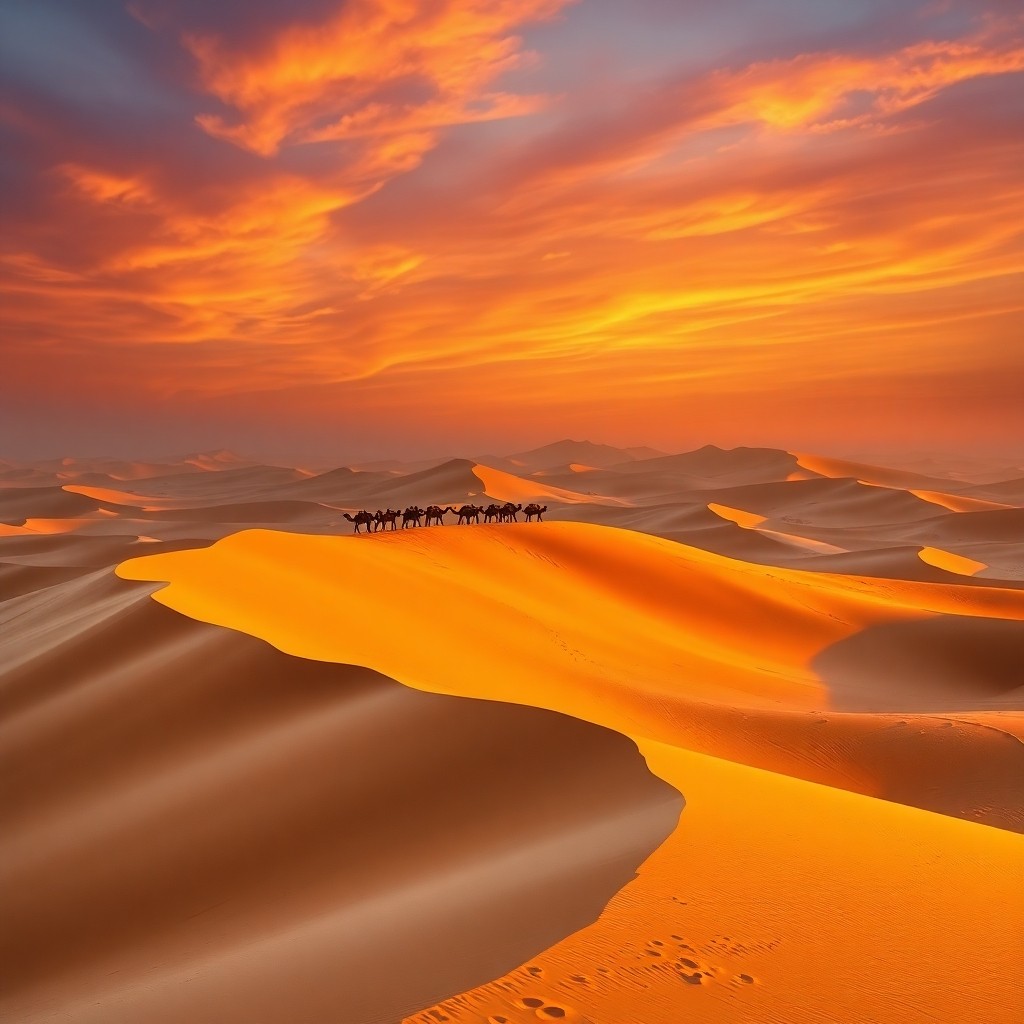
*A breathtaking view of the golden Sahara sand dunes at sunset, highlighting the diverse landscape of Morocco.*
4. Must-Visit Destinations and Hidden Gems
Morocco is home to many iconic cities and destinations, each with its unique charm and character. Marrakech is a must-visit, with its vibrant Jemaa el-Fnaa, stunning Bahia Palace, and beautiful Majorelle Garden. Fes is another highlight, with its ancient Al Quaraouiyine University and colorful Chouara Tanneries. Chefchaouen is a hidden gem, with its blue streets, Rif Mountains hikes, and stunning views.
Beyond the tourist trail, there are many unique experiences to discover. Ait Ben Haddou is a UNESCO-listed ksar, while Todgha Gorge and Erg Chebbi dunes offer breathtaking natural scenery. You can explore these destinations using the following map: Morocco map. Day trips and excursions are also a great way to experience the country's diversity, from the Atlas Mountains to Essaouira and Ouzoud Waterfalls. After a long day of exploring, you can relax with a warm bath using Arganit organic Moroccan black soap and enjoy a cup of tea from a Moroccan 8‑cup tea pot.
5. Safety and Practical Tips: Staying Smart in Morocco
Morocco is generally a safe country to visit, but as with any travel destination, it's essential to take some precautions. Be aware of common scams, such as "friendly" guides in medinas (hire official guides) and fake taxis (use apps like Careem). Insist on small change, and check your bills carefully to avoid currency tricks.
Health and hygiene are also important considerations. Avoid drinking tap water, and opt for bottled or filtered water instead. Eat at reputable restaurants, and avoid street food that may not be safe. Pharmacies and hospitals are widely available, and many medications can be found over the counter.
When it comes to transportation, trains (ONCF) and buses (CTM, Supratours) are convenient and affordable. Grand taxis (shared) and petit taxis are also available, but be sure to negotiate the price before you start your journey. Renting a car can be a great way to explore the country, but be mindful of road conditions and police checkpoints.
6. Budgeting and Money-Saving Hacks
Traveling to Morocco can be affordable, but it's essential to budget wisely. Estimated daily costs vary depending on your travel style, from $30-$50 per day for budget travelers to $200+ per day for luxury seekers. Mid-range travelers can expect to pay around $80-$150 per day.
Saving on accommodation is a great way to stretch your budget. Riads vs. hotels offer a unique and affordable alternative, with prices starting from $20-$50 per night. Booking platforms like Booking.com can help you find the best deals. You can compare average prices by city in the following table:
| City | Average Price | | --- | --- | | Marrakech | $30-$50 | | Fes | $25-$40 | | Chefchaouen | $20-$30 |
Free and low-cost activities are also a great way to experience Morocco without breaking the bank. Explore medinas, hike in the mountains, and visit public gardens like Jardin Majorelle (free entry on certain days).
FAQ Section
1. **Do I need a visa to travel to Morocco as a [US/UK/EU] citizen?** - Answer: Visa-free for 90 days for many nationalities; check the official Moroccan government website for more information. 2. **Is Morocco safe for solo female travelers?** - Answer: Generally yes, but dress modestly, avoid harassment, and use trusted transport. 3. **What’s the best way to pay in Morocco: cash or card?** - Answer: Cash for souks/taxis, cards in hotels/restaurants; ATMs are widely available. 4. **Can I drink alcohol in Morocco?** - Answer: Yes, in licensed venues (hotels, bars), but public drinking is frowned upon. 5. **How many days do I need to explore Morocco?** - Answer: 7-10 days for highlights; 2+ weeks for in-depth travel.
Conclusion
Travel to Morocco: Essential Guide for First-Timers has provided you with a comprehensive overview of what to expect and how to prepare for your trip. From visa requirements to cultural etiquette, safety tips, and budgeting hacks, you're now equipped to make the most of your time in Morocco. Remember to respect local customs, try new foods, and explore beyond the tourist trail. Bookmark this guide, share it with fellow travelers, or download a checklist to ensure a smooth and enjoyable journey. With its rich history, vibrant culture, and breathtaking landscapes, Morocco is a destination that will leave you enchanted and inspired. So, get ready to embark on an adventure of a lifetime and discover the wonders of Morocco.
**Meta Description:** Discover the ultimate guide to traveling in Morocco, including visa requirements, cultural etiquette, safety tips, and budgeting hacks. Explore the best destinations, try new foods, and make the most of your time in this incredible country.