
Travel To Morocco: A Guide To Visiting During Ramadan
Travel to Morocco: A Guide to Visiting During Ramadan
Travel to Morocco: A Guide to Visiting During Ramadan reveals a side of the kingdom often missed by peak-season tourists. While the daily rhythm shifts significantly, the spiritual atmosphere creates a uniquely immersive environment found nowhere else. During this holy month, the country slows down, business hours adjust, and the streets transform, yet the legendary hospitality of Moroccan people intensifies rather than diminishes. You will find that while logistics require more planning, the rewards include witnessing centuries-old traditions and enjoying major heritage sites without the usual crowds.
Key Takeaways Travel to Morocco: A Guide to Visiting During Ramadan
* Visiting Morocco during Ramadan offers a unique, quieter daytime atmosphere and vibrant, festive nights, though business hours shorten significantly. * Tourists are not required to fast, but eating, drinking, or smoking in public during daylight hours should be done discreetly out of respect. * The meal to experience is *Iftar* (or *Ftour*), the breaking of the fast at sunset, which is a communal celebration often shared with locals in restaurants or homes. * Transportation and services can be erratic in the hour before sunset, so plan travel accordingly to avoid being caught in the rush.
Is It Worth Visiting Morocco During Ramadan? The Definitive Answer
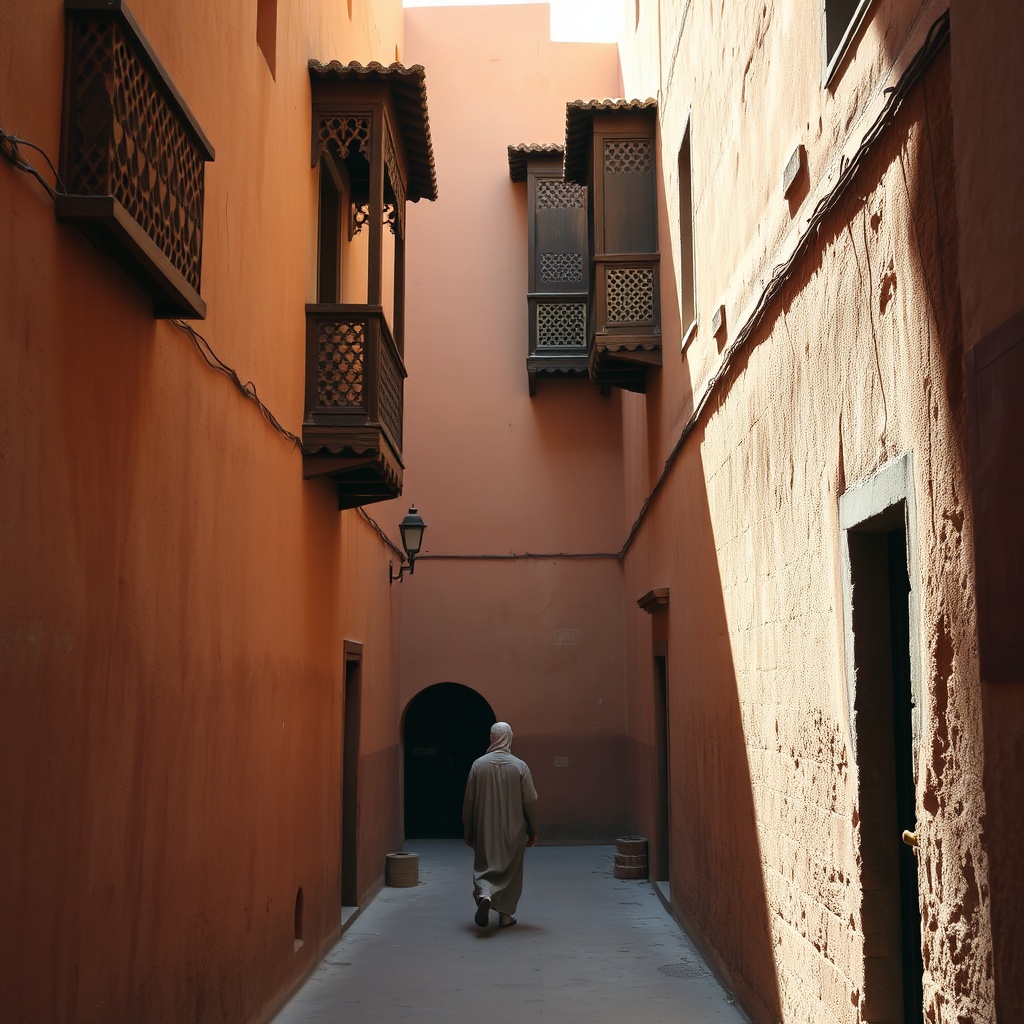
*A peaceful street scene in a Moroccan medina during the day, highlighting the quieter, spiritual atmosphere of Ramadan.*
Yes, visiting during the holy month is worthwhile if you prioritize cultural depth over convenience. The **Morocco Ramadan experience** offers a profound look into the soul of the country, stripped of commercial tourism layers. You will encounter shorter queues at major attractions like the Hassan II Mosque in Casablanca or the blue-washed streets of Chefchaouen, allowing for photography and reflection without jostling through crowds. While some services operate on limited hours, the authenticity of the interactions and the festive nighttime energy easily compensate for minor logistical adjustments. Many travelers ask if it is safe to travel to Morocco during Ramadan, and the answer is a resounding yes; safety levels often improve due to the family-focused nature of the month, though you should remain vigilant regarding standard travel precautions.
**Quick Answer:** Visiting Morocco during Ramadan is highly recommended for cultural enthusiasts. While daytime dining is limited and transport schedules shift, the lack of crowds and the incredible hospitality make it a unique time to explore.
The Shift in Daily Rhythms
You will observe a phenomenon best described as the "dual city." By day, the medinas are quiet, introspective, and move at a slower, meditative pace. However, as the sun dips, the country erupts in a festival of lights, sounds, and aromas. This dichotomy defines the **Ramadan fasting schedule in Morocco**, where the daylight hours are reserved for fasting and worship, while the night is dedicated to community and feasting. The silence of the afternoon makes way for a vibrant social scene that lasts until the early hours of the morning, offering a completely different perspective on Moroccan life.
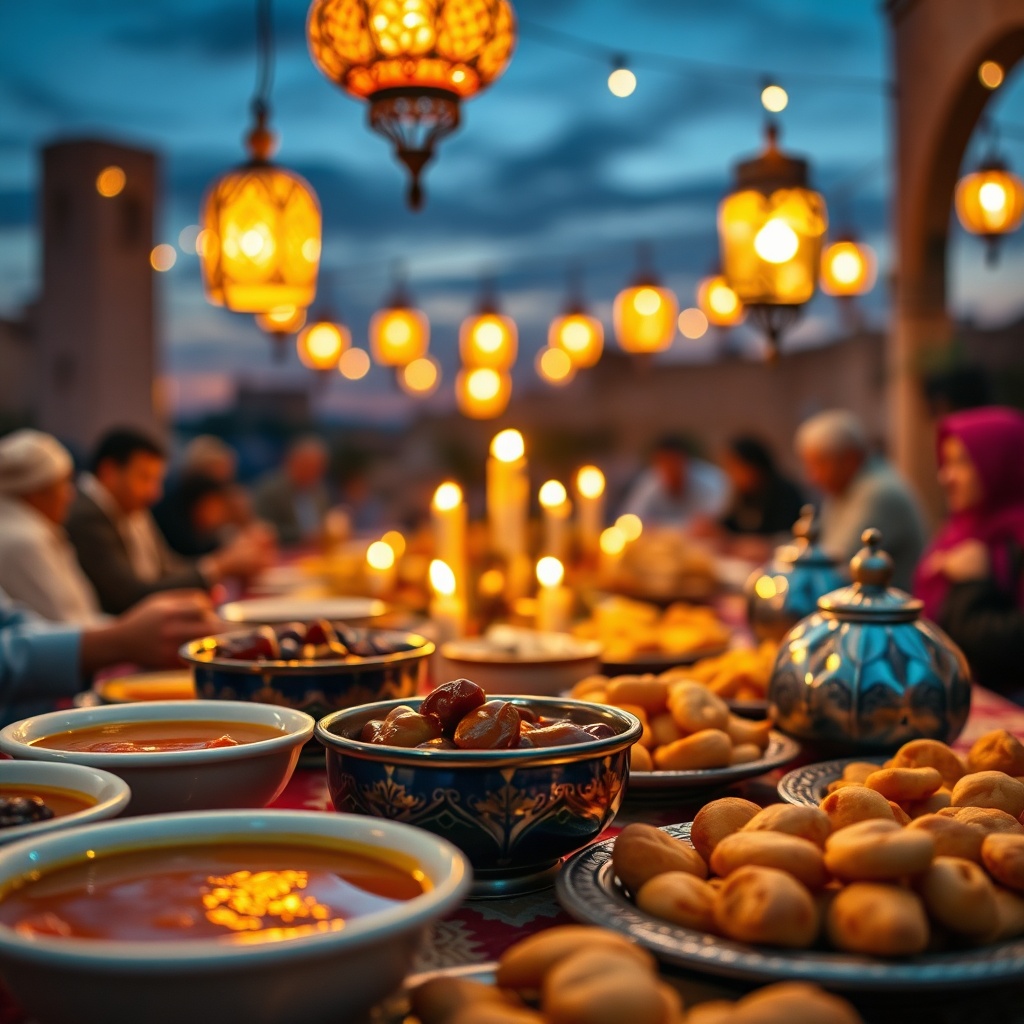
*A detailed view of a traditional Iftar meal at sunset, showcasing the communal celebration and local cuisine of Morocco.*
Adjusted Business Hours and Accessibility
Government offices and banks typically operate on reduced schedules, generally opening from 9:00 AM to 2:00 PM. Be aware that museums and monuments may close earlier than standard Google listings indicate, often shutting their doors by 3:00 PM. It is crucial to check with staff the day prior to confirm operating hours for specific sites. **Travel to Morocco: A Guide to Visiting During Ramadan** emphasizes the importance of planning your sightseeing for the morning hours to ensure you gain entry to historical attractions before they close for the day.
Navigating Dining and Hydration as a Non-Fasting Traveler
Non-Muslims are exempt from fasting, but exercising discretion is vital for respectful travel. You will find that **where to eat in Morocco during Ramadan** is limited compared to the rest of the year, but options do exist. Hotels and specific tourist zones, such as the Guéliz district in Marrakech, serve lunch behind screened windows or in private rooms to respect those fasting. Carry a water bottle but drink it privately—inside a shop, a taxi, or your hotel room—rather than while walking down the street. Mastering **Morocco food etiquette** involves understanding that public consumption is not illegal, but it is seen as highly insensitive if done conspicuously.
**Quick Answer:** You do not need to fast, but you should avoid eating, drinking, or smoking in public during the day. Stick to hotels or designated tourist areas for lunch, and stay hydrated in private spaces.
The Experience of Iftar and Ftour
The breaking of the fast, known as *Iftar* or *Ftour*, is the culinary highlight of the day. This meal is a communal celebration often shared with locals in restaurants or private homes. You should look for specific traditional dishes such as *Harira* (a hearty tomato and lentil soup), *Chebakia* (sesame cookies coated in honey), and fresh dates. **Moroccan iftar traditions and meals** center around generosity, so do not be surprised if strangers invite you to join their table. Consider booking a table at a renowned restaurant like La Maison Arabe in Marrakech well in advance to witness the cannon fire or the call to prayer signaling the end of the fast.
**Definition:** **Iftar** (also known as Ftour in Morocco) is the evening meal with which Muslims end their daily Ramadan fast at sunset. It is often a large feast involving specific traditional foods and social gatherings.
Finding Daytime Restaurants and Cafes
Finding an open cafe requires a bit more effort in residential areas like the Fes el-Bali medina. However, international chains like McDonald's or Starbucks often operate with covered windows to serve non-fasters. If you are struggling to find a spot, asking a hotel concierge for the nearest "tourist-friendly" lunch spot is usually effective. Many smaller local eateries will be closed or have their curtains drawn, but larger establishments in New Town cities (Villes Nouvelles) will generally accommodate you.
Managing Transportation and Logistics in 2026
Transportation becomes chaotic in the hour before sunset as taxi drivers and locals race to get home for Iftar. This period creates a unique "rush hour" that can disrupt tight schedules. When looking at **Morocco travel tips**, experts strongly advise against scheduling inter-city travel via CTM or Supratours buses between 4:00 PM and 7:00 PM. Roads become heavily congested, and service may be delayed as drivers break their fast. Additionally, ride-hailing apps like Careem often implement surge pricing during these peak hours due to high demand.
**Quick Answer:** Avoid traveling between cities from 4:00 PM to 7:00 PM. Expect traffic jams and higher ride-hailing prices at sunset. Plan your inter-city travel for the morning or late evening.
Domestic Flights and Train Schedules
The ONCF (Office National des Chemins de Fer) train system generally maintains a regular schedule, but passenger capacity in first-class carriages can be reduced due to high demand. For the **Ramadan transport schedule**, it is wise to book tickets early. If you plan to use the Al Boraq high-speed train connecting Tangier to Casablanca, book your tickets weeks in advance. Domestic travel spikes significantly during the weekends of Ramadan 2026 as residents travel to visit family, making seat availability scarce.
Road Safety and Driving Considerations
Fatigue and low blood sugar can affect drivers during the daylight hours. If you plan to rent a car, exercise extreme caution, especially on rural roads near sunset. **Health and safety considerations for fasting travelers in Morocco** also apply to those sharing the road with them. If you find yourself driving at Maghrib (sunset) prayer time, it is best to pull over at a gas station and wait out the initial rush of breaking the fast. This ensures your safety and allows you to experience the momentary stillness that falls over the country as everyone eats.
Cultural Etiquette and Dress Code for Respectful Travel
The concept of respect and modesty amplifies significantly during Ramadan. **What to wear in Morocco** during this period should be more conservative than usual. Ensure your shoulders and knees are covered, particularly when visiting rural areas or religious sites. While western tourists are given some leeway, revealing clothing can cause offense. Loud music, aggressive haggling in the souks, and public displays of affection are considered particularly disrespectful during this holy month. Adhering to **Ramadan customs for tourists** will earn you significantly more warmth and assistance from locals.
**Quick Answer:** Dress conservatively by covering shoulders and knees. Avoid public displays of affection, loud music, and aggressive haggling. Modesty is appreciated and rewarded with greater hospitality.
Behaving in Religious Spaces
Visiting a mosque during Ramadan is a profound experience, provided you follow **Mosque etiquette for tourists during Ramadan**. While most mosques are closed to non-Muslims, the Hassan II Mosque in Casablanca remains open. When visiting, remove your shoes before entering the prayer hall, keep your voice low, and avoid walking directly in front of someone who is praying. Photography is usually restricted in prayer areas, so always ask for permission and be discreet with your camera to maintain the sanctity of the space.
Accepting Hospitality and Gifts
You may be invited to share dates or water by locals, a common gesture of goodwill. When accepting food or gifts, use your right hand, as the left hand is traditionally considered unclean. It is polite to learn a few phrases; saying "Ramadan Mubarak" (Blessed Ramadan) or "Allah yatikom sahha" (may God give you health) when offered food will be met with delight. These small efforts to engage with **Cultural customs and celebrations during Ramadan in Morocco** bridge the gap between visitor and host.
Experiencing the Nightlife and Festivities Post-Sunset
The contrast between the quiet day and the vibrant night is stark. As the sun sets, cities like Casablanca and Rabat come alive with decorations, specifically traditional *Fanous* (lanterns) and strings of lights. **Ramadan festivals, music, and night-time events in Morocco** take over the public spaces. This is the prime time for shopping, socializing, and entertainment, with many cafes and tea shops staying open until 2:00 AM or 3:00 AM. The streets are filled with families and friends enjoying the cool evening air, creating a safe and jubilant atmosphere.
The Tradition of Nafar and Dawn Drummers
The *Nafar* is a town crier who walks through the streets blowing a horn or beating a drum to wake people up for *Suhour* (the pre-dawn meal). While this can be quite loud and might disturb light sleepers—making earplugs a necessary item for your suitcase—it is a centuries-old tradition worth witnessing at least once. Hearing the Nafar connects you to a ritual that has marked the beginning of the fasting day for generations in the Maghreb.
**Definition:** **Nafar** is the traditional town crier or drummer who roams the streets during Ramadan in the early morning hours, calling on residents to wake up and eat their pre-dawn meal (Suhour) before the fast begins.
Shopping in the Souks After Dark
The cooler evening temperatures provide the best conditions for navigating the often labyrinthine souks. While shops close during the afternoon heat, they reopen late and often offer special "Ramadan night" discounts on crafts, textiles, and spices. **Ramadan market hours and souk closures in Marrakech** mean the best shopping happens after 9:00 PM. Visiting the Jemaa el-Fna square in Marrakech is essential during this time; you will see storytellers and musicians performing late into the night, long after the usual tourist crowds have dispersed.
Conclusion
A trip to the Maghreb during the holy month requires flexibility but rewards the visitor with deep cultural insight. By following simple etiquette and planning meals around the local schedule, you can have a profoundly moving experience. **Travel to Morocco: A Guide to Visiting During Ramadan** is ultimately about connection rather than convenience. You will find that by embracing the slower pace and the communal joy of the season, you gain access to a Morocco that few tourists ever see. Whether you are sipping Harira at sunset or listening to the Nafar at dawn, the memories forged during this month are unique to the calendar of 2026.
Frequently Asked Questions
**Can tourists drink alcohol in Morocco during Ramadan?** Yes, but only in licensed hotels, bars, and restaurants that cater to non-Muslims. Alcohol is not sold in supermarkets or corner shops during Ramadan, and public drunkenness is strictly prohibited and highly offensive.
**Do all restaurants close during the day in Ramadan?** Not all, but most local restaurants close. Tourist-oriented restaurants, hotels, and cafes in major cities like Rabat and Marrakech often remain open, usually with screened windows or designated private areas for diners.
**What are the dates for Ramadan in upcoming years?** While the exact dates depend on the moon sighting, Ramadan 2026 is projected to begin around February 17 and end around March 20