
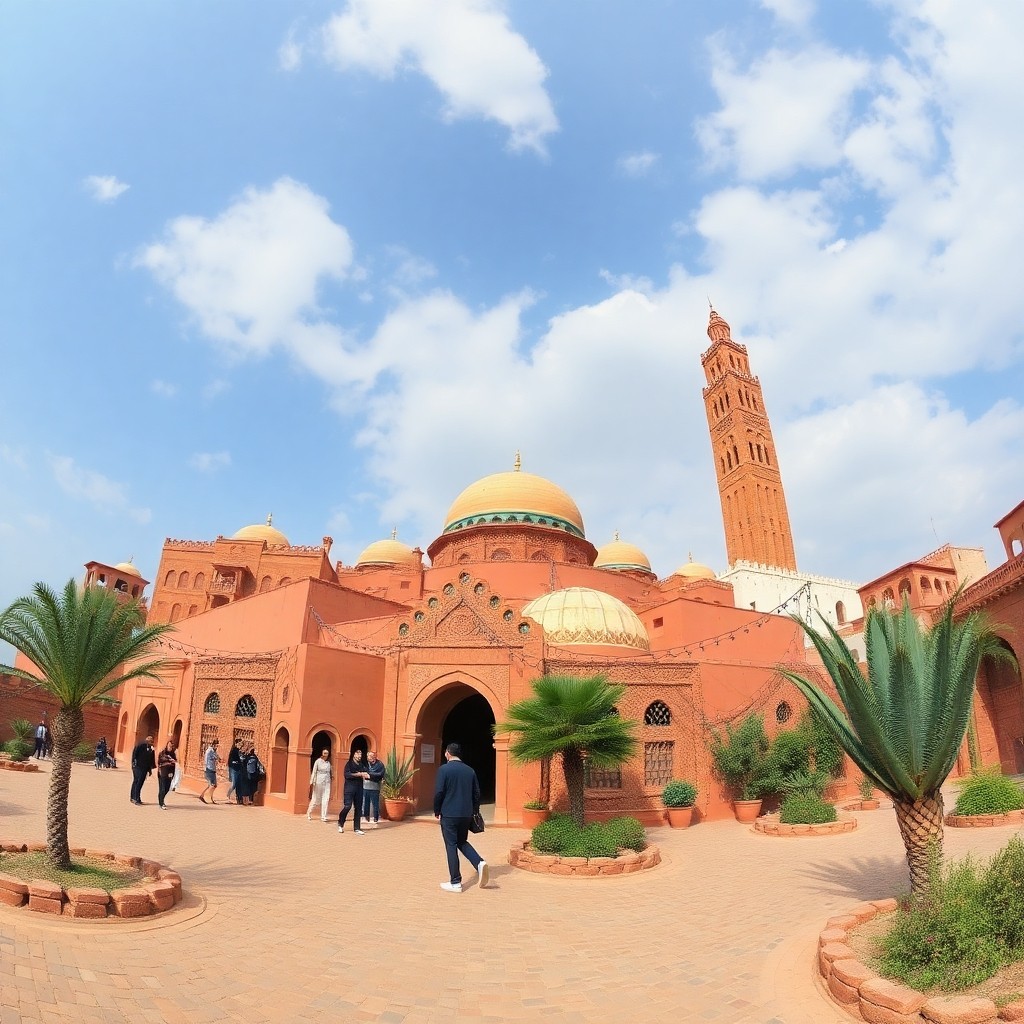
Travel To Morocco: A Guide To The Ultimate Adventure
The sensory overload hits you the moment you step off the plane. The air in Morocco carries a heavy, intoxicating perfume of roasted cumin, diesel fumes, and sweet mint. It is a place where the cacophony of thousand-year-old medinas clashes with the profound, deafening silence of the Sahara Desert. Your travel to Morocco requires more than just a suitcase; it demands an openness to chaotic beauty and physical endurance. This isn't a destination where you merely observe from a distance. You sweat in the hammams, you bargain in the souks, and you sleep under a canvas of stars that feels close enough to touch. Morocco is a study in contrasts, offering a unique blend of cultural immersion and rugged exploration that few other countries can match, where you can find premium Moroccan Argan oil products and handcrafted Moroccan home decor pieces.
Timing Your Adventure: Beyond the Tourist Seasons
Most travelers default to spring and autumn, but matching your itinerary to specific activities unlocks a far richer experience. Morocco's geography is staggeringly diverse, creating microclimates that allow for year-round adventure if you know where to go. You can ski in the morning and surf in the afternoon during certain windows of the year. The key is understanding that "best time" depends entirely on whether you intend to summit a peak or ride a camel.
Seasonal Strategies for the Atlas Mountains
The High Atlas Mountains are the dramatic backbone of the country, separating the Atlantic coast from the Sahara. For hikers aiming to tackle Toubkal, the highest peak in North Africa at 4,167 meters, the ideal window runs from April to May and September to October. During these months, the trails are free of snow, and daytime temperatures hover around a comfortable 20°C to 25°C. Conversely, if your idea of adventure involves sliding down slopes, head to Oukaimeden between January and February. This ski resort, located just 75 kilometers from Marrakech, receives an average snowfall of 1.5 to 2 meters annually, offering reliable runs despite being in Africa.
Coastal Winds and Desert Calm
The Atlantic coast and the interior deserts operate on opposing schedules. The summer months of July and August bring scorching temperatures exceeding 45°C to the dunes, making them nearly inhospitable. Instead, plan your Sahara expedition for late autumn or early spring, when the days are warm for hiking but the nights are crisp. The coast flips this script. In August, the water temperature in Taghazout averages a pleasant 22°C, perfect for surfing without a thick wetsuit. By November, that temperature drops to roughly 17°C, requiring a 3/2mm wetsuit for comfort. If you are a surfer, chase the swell in winter; if you are a desert nomad, chase the sun in the shoulder seasons.
The Art of the Medina: Survival Guide for Urban Exploration
Entering a medina like Fes or Marrakech is not just sightseeing; it is an orienteering challenge. The labyrinthine alleyways, designed centuries ago to confuse invaders, now challenge tourists. Navigating these urban mazes requires a psychological reset. You must abandon the Western reliance on maps and embrace the flow of the donkey traffic, the motorbikes, and the merchants. The ultimate adventure here lies in losing yourself to find something unexpected, like discovering a beautiful handmade Moroccan silver plated tea tray or an authentic handmade Beni Ouarain rug.
Mastering the Souk: A Step-by-Step Haggling Guide
Shopping in the souks is a cultural ritual and a test of will. Haggling is expected, and viewing it as a game rather than a conflict will serve you well. Start by offering roughly 40% to 50% of the asking price. The vendor will feign shock and insult. This is part of the script. Gradually increase your offer in small increments. If you reach a stalemate, employ the walk-away technique: slowly head toward the exit while counting your steps. In many cases, the vendor will call you back to agree on your last price. Once a price is settled, seal the deal with a handshake and a smile. Do not agree to a price unless you are truly ready to pay, as backing out is considered rude.
Escaping the Tourist Traps
The main squares, like Jemaa el-Fna, are spectacular, but the real cultural gems are hidden deeper within the walls. To find authentic artisans, escape the main thoroughfares. In Fes el-Bali, navigate to the Chouara Tannery, but don't stop at the viewing terraces. Instead, turn left at the Bou Inania Madrasa and look for the small blue door leading to the Cooperative Artisanal des Femmes. Here, you can watch women weaving intricate carpets without the pressure of a commissioned guide. In Marrakech, seek out the Dar Bellarj foundation, a restored former hospital that now houses contemporary art exhibits and a quiet courtyard, offering a serene respite from the street noise.
Into the Dunes: Structuring the Perfect Desert Circuit
The journey to the Sahara is as impactful as the destination itself. You cannot simply fly to the dunes; you must traverse the changing landscapes of the Middle Atlas and the pre-Saharan ranges. This drive is a cinematic transition from cedar forests to rocky plateaus. Choosing the right gateway and route structure defines the quality of your desert experience, determining whether you see a crowded tourist attraction or a wild, untouched landscape.
Choosing Your Gateway: Erg Chebbi vs. Erg Chigaga
Most travelers flock to Erg Chebbi near Merzouga because of its accessibility. These dunes are roughly 50 kilometers long and reach heights of up to 150 meters. The infrastructure here is developed, meaning you can find luxury camps with flush toilets and electricity. However, for a wilder experience, Erg Chigaga near Zagora is superior. It requires a 4x4 expedition across rocky terrain to reach, as there are no paved roads leading to the campsite. The dunes here are smaller and more dispersed, stretching for 40 kilometers. If you prioritize comfort and ease, choose Merzouga. If you prioritize isolation and rugged adventure, the extra drive to Chigaga is worth the effort.
The Road to the Sahara: Scenic Stops En Route
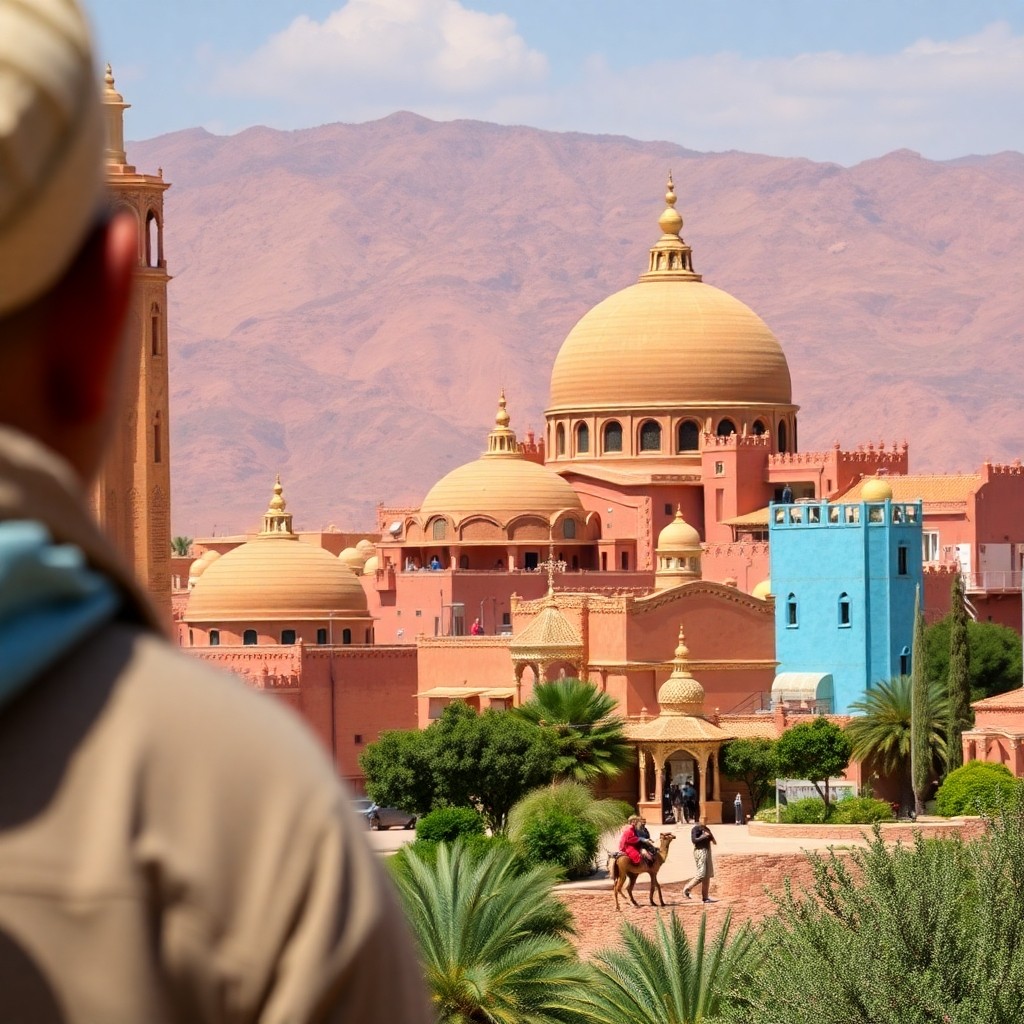
Do not rush the drive from Marrakech to the desert. The "Road of a Thousand Kasbahs" offers essential stops that break up the 9-hour journey. Plan a one-hour hiking loop through the Todra Gorge, where limestone cliffs rise 300 meters above the river. It is a premier destination for rock climbers and offers a cool shaded walk. Further along, you will reach Ait Ben Haddou, a UNESCO World Heritage site. This fortified village is an iconic backdrop for films like *Gladiator* and *Lawrence of Arabia*. The entrance fee is approximately 50 MAD, and crossing the river to explore the upper granaries provides panoramic views of the surrounding palmeries.
Cultural Immersion: Eating and Living Like a Local
To truly understand Morocco, you must step into the rhythm of local life. This happens most profoundly around the dining table and in the homes of villagers. Moving beyond the restaurant scene into street food and homestays reveals the hospitality that defines the Amazigh (Berber) and Arab cultures. It is an adventure of the palate and the spirit, where you can enjoy traditional hammam rituals with organic Moroccan black soap scrub.
Beyond Tagine: A Street Food Safari
While tagine and couscous are staples, the real culinary adventure happens on the street. In the heart of Casablanca or near the spice market in Jemaa el-Fna, look for the snail soup stalls. The broth, flavored with 15 different spices including licorice root and anise, is sipped from the shell using a toothpick. It is believed to cure colds and aid digestion. For the brave, try *tête de mouton* (sheep's head), a slow-cooked delicacy served with cumin and salt. In the north, particularly in Tangier, you will find *bocadillos*, crusty baguettes stuffed with grilled sardines or spicy chorizo, a delicious nod to the Spanish influence across the strait.
The Moroccan Tea Ritual and Homestay Etiquette
Mint tea, often called "Moroccan whiskey," is the symbol of hospitality. If you are invited into a home, accept the tea. It is poured from a height to create a frothy crown, known as the "crown of foam." To show respect, drink at least three glasses. The first is bitter like life, the second is strong like love, and the third is gentle like death. When staying in a *gîte* or a mountain village homestay, remember to remove your shoes before entering the main living area. Always use your right hand to eat and pass food, as the left hand is traditionally considered unclean. Dress modestly, ensuring shoulders and knees are covered, to show respect for your hosts' conservative values.
The Great Atlantic Road Trip: Surf and Sand
After the intensity of the mountains and the medinas, the Atlantic coast offers a necessary exhale. This stretch of coastline, from Agadir south to Sidi Ifni, is the chilled-out conclusion to a Moroccan adventure. It is a place where the culture shifts from the inland traditions to a laid-back, international surf vibe. The ocean is cold, the wind is strong, and the pace is slow.
From Pro Waves to Beginner Swells
Morocco is a world-class surf destination, but you need to pick the right break for your skill level. Anchor Point, just north of Taghazout, is famous for its long, right-hand point breaks that can offer rides of over 300 meters. This is strictly for experienced surfers, especially when the winter swell hits. Beginners should head to Panoramas or Devils Rock, where the waves are softer and smaller. A 2-hour group lesson at a reputable school like Surf Star or Surf Explorer costs around 300 to 400 MAD, including board and wetsuit rental. The water is chilly year-round due to the Canary Current, so a 4/3mm wetsuit is standard for most of the year.
The Bohemian Vibe of Essaouira
If you prefer not to paddle out, Essaouira is the perfect coastal retreat. The strong trade winds (the Alizée) make it a haven for kitesurfers and windsurfers, but the town itself is a cultural gem. The historic ramparts, built by the Portuguese in the 18th century, offer stunning views of the Atlantic crashing against the city walls. Unlike the frenetic energy of Marrakech, Essaouira moves at a walking pace. For lunch, skip the restaurants on the main square and head straight to the port. Look for the small blue boats unloading the day's catch. Point at the sardines, sea bream, or spider crab, and they will grill it right there for you on charcoal, serving it with a simple salad and bread for a fraction of the price of a sit-down meal.
Conclusion
Morocco refuses to be categorized simply as a beach destination or a cultural heritage site. It is a physical and sensory journey that forces you to engage with your surroundings. Whether you are navigating the switchbacks of the High Atlas, bargaining for a rug in the heat of Fes, or watching the sun set over the golden Erg Chebbi dunes, the country demands your presence. The ultimate adventure is found in the diversity of these experiences—the contrast between the noise and the silence, the heat and the cold, the ancient and the modern. As you plan your travel to Morocco, remember that the magic lies not just in the sites you see, but in the people you meet and the obstacles you overcome along the way. Pack your bags, prepare your bargaining skills, and get ready for the trip of a lifetime.
FAQ
**Is Morocco safe for solo female travelers?**
Yes, Morocco is generally safe for solo female travelers, though it requires a higher degree of vigilance than some European destinations. Harassment in the form of catcalling or persistent offers from guides can occur, particularly in tourist areas. Dressing modestly (covering shoulders, chest, and legs) and wearing sunglasses to avoid eye contact can significantly reduce unwanted attention. It is also advisable to avoid walking alone in unlit areas at night and to sit in family sections of cafes rather than alone in male-dominated areas.
**How many days do you need for a Morocco trip?**
To see the highlights without rushing, a minimum of 10 days is recommended. A 7-day trip allows you to visit Marrakech and perhaps a quick desert trip, but it will feel rushed. With 10 to 14 days, you can comfortably fit in Marrakech, the coastal town of Essaouira, a trek in the Atlas Mountains, and an overnight stay in the Sahara Desert. This timeframe allows for necessary travel time, as roads can be slow and winding.
**Do I need a visa to travel to Morocco?**
Visa requirements depend on your nationality. Citizens of the US, UK, EU, Canada, Australia, and New Zealand do not need a visa for stays of up to 90 days for tourism. You simply need a passport that is valid for at least six months from your date of entry. However, rules can change, so it is essential to check the latest entry requirements with your local Moroccan embassy or consulate before booking your flight.
**What is the currency in Morocco and can I use cards?**
The currency is the Moroccan Dirham (MAD). It is a closed currency, meaning you generally cannot buy or sell it outside of Morocco. While credit and debit cards (Visa and Mastercard) are widely accepted in hotels, restaurants, and larger shops in cities, you will need cash for souks, rural areas, and smaller establishments. ATMs are readily available in cities and towns, but it is wise to carry cash when traveling to the mountains or desert.
**What language do they speak in Morocco?**
Morocco has two official languages: Arabic and Tamazight (Berber). However, due to the colonial history, French is the language of business, government, and commerce, and is widely spoken in major cities. In the north, Spanish is also common. English is becoming increasingly prevalent, especially among the younger generation and those working in the tourism industry, but learning a few basic French or Arabic phrases will go a long way in building rapport with locals.
**Meta Description:** Discover how to plan your trip to Morocco. From Sahara dunes to surf spots, this guide covers the best times, routes, and cultural tips for your ultimate adventure.