
Ultimate Guide To Traditional Moroccan Snacks
The Ultimate Guide to Traditional Moroccan Snacks: From Msemen to Chebakia
Traditional Moroccan snacks are a vibrant fusion of Amazigh, Arab, and Andalusian culinary traditions, offering a diverse array of flavors that range from savory, semolina-based breads to honey-soaked pastries. These snacks are deeply embedded in the daily rhythm of life in Morocco, serving as a bridge between meals and a central element of social hospitality in the bustling souks and family homes.Unlike processed fast food, **traditional moroccan snacks** prioritize fresh, high-quality ingredients like olive oil, argan oil, almonds, and honey, reflecting a rich cultural heritage passed down through generations.
The culinary landscape of Morocco is defined by a distinct balance between sweet and savory, rarely mixing the two in a single bite but rather offering separate, distinct categories that cater to every palate. Whether enjoyed as a hearty breakfast with mint tea or a quick bite from a street vendor, **Moroccan street food** provides an authentic taste of the country's soul. This guide explores the essential snacks that define Moroccan snacking culture, the ingredients that make them unique, and how they continue to evolve in 2026.
Key Takeaways
- Traditional Moroccan snacks are categorized into savory bread-based items and sweet, honey-soaked pastries. - Mint tea is the essential accompaniment to almost every snack, serving as a social binder. - Many snacks, such as msemen and harcha, are prepared fresh daily for breakfast or afternoon tea. - Ingredients like semolina, almonds, argan oil, and honey are staples in Moroccan snacking. - Snacking in Morocco is less about convenience and more about ritual and hospitality.
The Definitive Guide to Traditional Moroccan Snacks
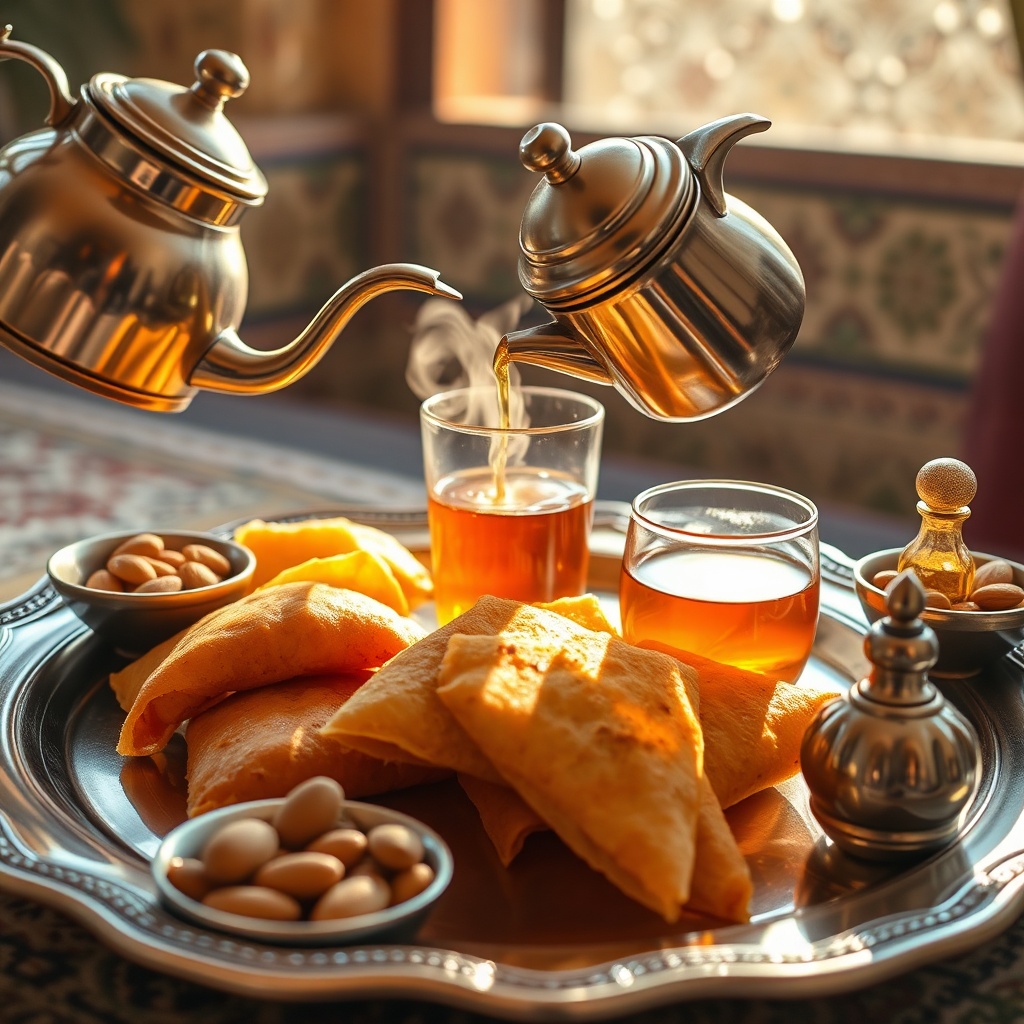
*A detailed shot of sweet pastries and breads accompanied by mint tea.*
To truly understand **authentic Moroccan food**, one must look at the role snacking plays in the daily life of its people. In the Moroccan context, a snack is rarely a pre-packaged bar grabbed on the go; it is a handmade creation, often utilizing time-honored techniques that have been preserved within families for centuries. These items bridge the gap between breakfast, lunch, and dinner, often served during the late afternoon "Asr" time when families and friends gather to recharge and socialize.
The distinction between Western fast food and **cultural culinary traditions** in Morocco is stark. Moroccan snacks are integral to hospitality, often prepared fresh for guests as a sign of welcome and respect. This practice transforms a simple eating occasion into a meaningful social ritual. From the coastal cities where seafood bites reign supreme to the inland regions where wheat and semolina dominate, the variety reflects the country's diverse geography.
The Sweet and Savory Balance
Moroccan cuisine rarely mixes sweet and savory in a single bite for snacks, but rather offers distinct categories that appeal to different times of the day. Savory items like **msemen rghaif** are typically reserved for breakfast or brunch, providing sustenance through hearty grains and oils. Conversely, sweet treats like **Moroccan sweet pastries** are usually reserved for the late afternoon tea time or special celebrations, offering a burst of energy through sugar and nuts.
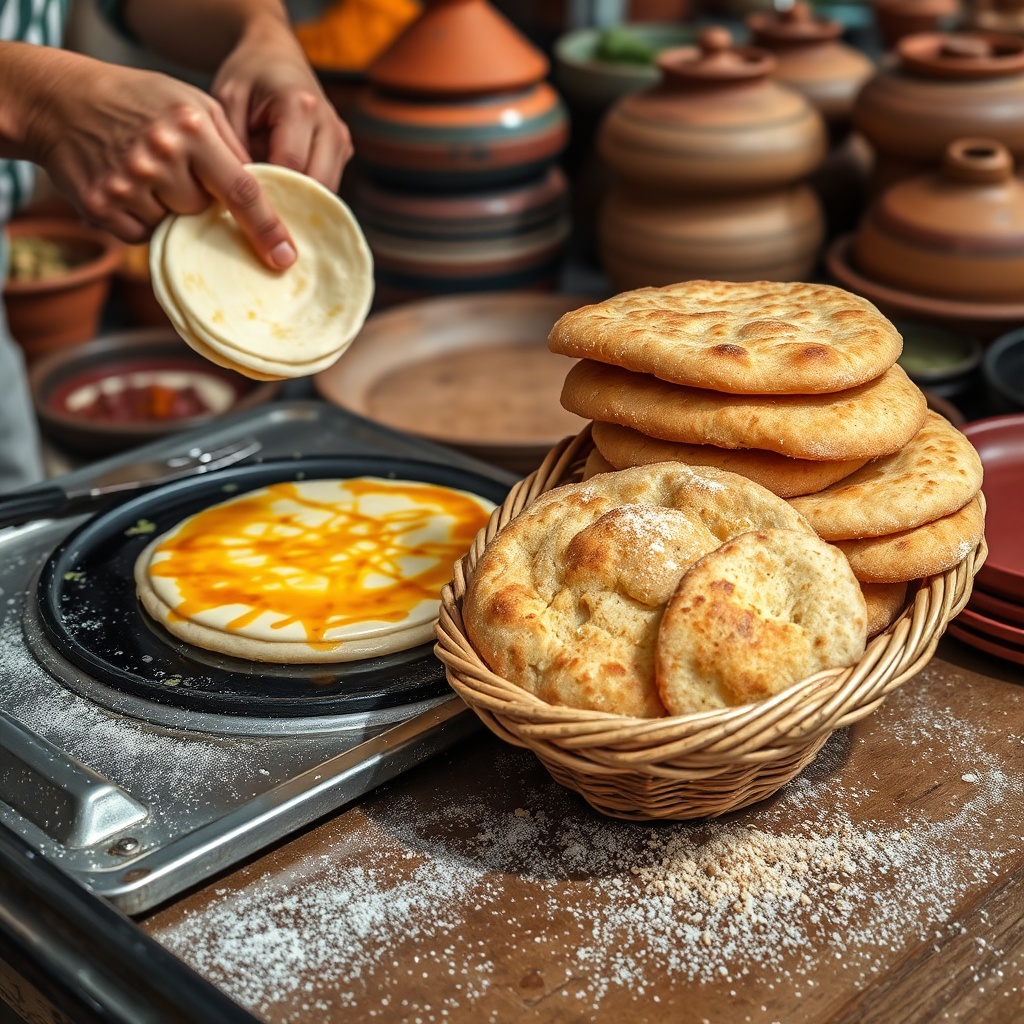
*Hands preparing fresh msemen and harcha on a griddle in a market setting.*
The Role of Hospitality
Offering snacks is a non-negotiable sign of welcome in Moroccan households. It is considered impolite to serve a guest tea without accompanying it with some form of bread, pastry, or nuts. This custom underscores the importance of food as a language of generosity. The host will often serve the best items they have available, showcasing their finest **argan oil desserts** or freshly baked breads to honor their guest.
Regional Variations Across Morocco
The geography of Morocco heavily influences its snacking habits. Coastal cities like Casablanca and Essaouira favor seafood-based snacks, utilizing the fresh catch of the day in fried croquettes and stuffed breads. Inland, particularly in the Atlas Mountains and desert regions, the focus shifts to durable, shelf-stable ingredients like wheat, semolina, and dried fruits. This results in a heavier reliance on breads and dense energy sweets that can withstand the harsh climate.
**Quick Answer:** What makes a snack "traditional" in Morocco? A traditional snack is defined by its preparation method—usually handmade at home or by a street artisan using local ingredients like semolina, honey, and olive oil—and its role in social rituals rather than convenience.
Essential Bread-Based Snacks: Msemen and Harcha
Bread is the cornerstone of the Moroccan diet, and **Moroccan flatbread** varieties act as the workhorses of the snacking world. In 2026, these remain the most consumed street foods in major cities like Casablanca and Marrakech, enjoyed by people from all walks of life. These breads are prized for their versatility, often eaten plain, drizzled with honey, or rolled up with savory fillings like cheese or vegetables.
The preparation of these breads is a skillful display of dexterity. Whether it is the folding of dough for msemen or the patting of semolina for harcha, the process is tactile and requires experience to master. They are typically cooked on a griddle or a cast-iron skillet, resulting in a crispy exterior and a warm, soft interior that is irresistible fresh off the heat.
Msemen: The Layered Delight
Msemen is perhaps the most iconic of all **traditional moroccan snacks**. The folding technique that creates the flaky, laminated layers of dough is similar to that of puff pastry but is done entirely by hand. The dough is made from white flour and semolina, oil, and water, then flattened and folded multiple times to create distinct layers. It is then pan-fried until both sides achieve a golden-brown crust.
It is often eaten with a spread of honey or melted butter, but savory versions include fillings of minced meat, onions, and spices. The texture is the defining feature—chewy, buttery, and substantial enough to serve as a meal on its own. Mastering an **msemen recipe** is a rite of passage for many Moroccan home cooks.
Harcha: Buttery Semolina Bread
While msemen is smooth, harcha offers a completely different textural experience. This bread is made from fine semolina, giving it a crumbly, slightly granular texture that melts in the mouth. The dough is mixed with butter, oil, and a pinch of salt, then patted into discs and cooked on a hot griddle. The high semolina content creates a satisfying crunch on the outside while keeping the inside soft.
Harcha is frequently topped with jam, cheese, or honey, making it a staple for breakfast or afternoon tea. It is less elastic than msemen but more robust in flavor, with the nutty taste of the semolina taking center stage. It is a perfect example of simple **semolina dough recipes** that deliver immense flavor through quality ingredients.
Baghrir: The Thousand-Hole Crepe
Another essential player in the bread category is Baghrir, known as the "thousand-hole crepe." This unique pancake relies on a yeast fermentation process that creates characteristic bubbles or pores on the surface. These holes are crucial as they allow the crepe to soak up toppings like melted butter and honey without becoming soggy.
Baghrir is made from a batter of semolina, flour, yeast, and baking powder, cooked only on one side. It is spongy, light, and incredibly quick to make, making it a popular choice for large families. It is typically served warm and drenched in a honey-butter mixture, often accompanied by a glass of milk or mint tea.
**Quick Answer:** What is the difference between msemen and harcha? Msemen is a laminated, flaky flatbread made from flour and semolina that is folded like a puff pastry, while harcha is a dense, buttery bread made primarily from fine semolina, resulting in a crumbly, cookie-like texture.
Sweet Pastries and Honey-Soaked Treats
The world of **Moroccan desserts** is intricate, artistic, and deeply rooted in the history of trade and conquest in the region. These pastries are high-energy foods, traditionally consumed to break fasts during Ramadan or during weddings and celebrations. The primary ingredients—almonds, sesame seeds, honey, and orange blossom water—create a flavor profile that is floral, nutty, and intensely sweet.
These sweets are not just about taste but also about presentation. They are often arranged on large platters and served with pride to guests. The use of Aicha Extra Virgin Olive Oil 1L – Premium Moroccan Cold-Pressed EVOO for Cooking & Salads adds a distinct, nutty aroma that is specific to the region, particularly in the south of Morocco. In 2026, these treats remain popular, though modern bakers are increasingly experimenting with reducing the sugar content to cater to health-conscious consumers.
Chebakia: The Ramadan Favorite
Chebakia is one of the most recognizable **Ramadan Iftar treats**. It is a sesame cookie shaped into a flower, which is deep-fried and then submerged in a bath of honey flavored with orange blossom water and anise. The dough is flavored with sesame seeds, cinnamon, and saffron, giving it a complex aromatic profile before it is even cooked.
The crunch of the fried dough combined with the sticky sweetness of the honey makes it a textural masterpiece. It is traditionally eaten alongside harira soup to break the fast, providing a quick sugar boost after a day of fasting. The intricate folding of the dough requires practice, making it a true labor of love.
Kaab el Ghzal: Gazelle Horns
Kaab el Ghzal, or "Gazelle Horns," are delicate crescent-shaped cookies filled with almond paste. The filling is flavored with cinnamon and orange blossom water, giving it a perfumed sweetness that contrasts with the thin, crispy pastry shell. Unlike many other Moroccan pastries, Kaab el Ghzal is not soaked in syrup but rather dusted with powdered sugar.
The dough must be rolled extremely thin to achieve the right texture, almost melting upon contact with the tongue. These are considered some of the most refined pastries in **Moroccan sweet pastries** and are often associated with special occasions and high-end hospitality.
Sellou: The Energy Powerhouse
Sellou is unique because it is not a baked good but a dry paste made from toasted sesame seeds, fried almonds, flour, and honey. It is spiced with anise, cinnamon, and fennel, creating a complex flavor profile. It is typically served in small bowls alongside tea or coffee, scooped up by the spoonful.
It is dense, caloric, and packed with nutrients, making it a traditional gift for new mothers or those recovering from illness to regain strength. The preparation involves toasting and grinding ingredients for hours, resulting in a smooth, sand-like texture that is rich and satisfying.
**Definition:** Sellou (also known as Sfouf) is a traditional Moroccan sweet confection made from toasted almonds, sesame seeds, and flour bound together with honey and butter, often spiced with cinnamon and anise.
Savory Fried Delicacies and Bites
While breads and sweets are staples, **Moroccan savory snacks** offer a hot, satisfying crunch that is hard to resist. These items are typically found in food stalls or prepared for family gatherings. The use of "warka" or brick pastry—a thin, phyllo-like dough—is common, providing a crispy shell for various fillings.
These fried items are incredibly popular during Ramadan as well, often served as appetizers before the main meal. The contrast between the hot, savory filling and the crisp exterior makes them addictive. They are best enjoyed fresh, while still warm and crunchy.
Briouat: The Versatile Triangle
Briouat are perhaps the most famous savory finger food in Morocco. These are triangular or cylindrical pastries made with warka dough, filled with various ingredients. The most common **briouat fillings** include spiced chicken or seafood, though vegetarian options with cheese or spinach are also popular.
The filling is cooked before being wrapped in the delicate dough, which is then deep-fried until golden brown. The art of folding briouat tightly so the filling does not leak is a skill Moroccan cooks take pride in. They are often served with a squeeze of fresh lemon to cut through the richness of the fried pastry.
Maakouda: The Potato Fritter
Maakouda are essentially potato fritters that are a beloved street food staple. The preparation involves mashing boiled potatoes and seasoning them with garlic, cumin, paprika, parsley, and coriander. The mixture is formed into patties, dipped in egg, and deep-fried to a golden crisp.
They are typically served hot inside a crusty baguette as a sandwich or simply on their own with a side of spicy harissa sauce. The exterior is crunchy while the interior remains creamy and flavorful. **Maakouda potato fritters** are the ultimate comfort food, found in nearly every Moroccan city.
Sardine Balls: A Coastal Staple
Morocco's Atlantic coast provides an abundance of sardines, which are transformed into delicious snacks. Sardine balls consist of fresh sardines mixed with herbs, spices, and sometimes breadcrumbs or flour to bind them. They are seasoned with cumin, paprika, and garlic, then shaped into balls or cigars and fried.
These are a testament to the resourcefulness of Moroccan cuisine, turning affordable ingredients into a delicacy. They are rich in Omega-3 fatty acids and bursting with flavor. In coastal cities, you will often find these served as a tapa-style dish in local bars and restaurants.
Modern Interpretations and Availability in 2026
As we move through 2026, the landscape of **Moroccan food trends** is evolving while maintaining a strong connection to the past. Traditional snacks are being reimagined in modern cafes and restaurants, presented with contemporary plating and ingredient twists. This fusion approach respects the original recipes while making them accessible to a younger, global audience.
The export of Moroccan snack products to international markets has also grown significantly. Ingredients that were once hard to find outside of North Africa are now readily available in supermarkets and online stores worldwide. This globalization has sparked a renewed interest in authentic preparation methods.
Fusion Cafes in Marrakech
Exploring the world of Moroccan savory treats reveals a rich tapestry of flavors and textures that define the country's culinary heritage. From the crispy layers of Briouat to the comforting warmth of Maakouda, these bites offer a delicious glimpse into Moroccan culture. As we see modern interpretations emerge in 2026, the heart of these recipes remains unchanged, bringing people together one bite at a time. Whether you are visiting a local street stall or trying your hand at cooking, now is the perfect time to experience these delights. Don't miss the chance to taste the authentic magic of **traditional moroccan snacks**—grab some ingredients today or visit a local Moroccan restaurant to start your flavor adventure!
**What type of dough is typically used for Moroccan savory pastries?** Most savory snacks use "warka" or brick pastry, a thin, phyllo-like dough that becomes incredibly crispy when deep-fried.
**Are there vegetarian options available among these snacks?** Absolutely. While fillings often include spiced chicken or seafood, Briouat are frequently made with vegetarian fillings like cheese or spinach.
**What is Maakouda?** Maakouda are popular potato fritters made from mashed potatoes seasoned with garlic, cumin, and paprika, which are fried and often served in a baguette.
**Why are these snacks popular during Ramadan?** They provide a satisfying, hot, and crunchy start to the meal after breaking the fast, offering a contrast of textures and rich flavors.
**Can I find ingredients to make these snacks outside of Morocco?** Yes, the article notes that as of 2026, ingredients once hard to find are now readily available in international supermarkets and online stores.