
Traditional Moroccan Food: A Culinary Journey Through History
Introduction
The narrow alleles of a Marrakech souk pulse with the scent of simmering tagine, where copper pots clatter against stone tiles and steam curls around stalls piled with dried figs, cumin pods, and bright orange saffron threads. As you turn a corner, a vendor hands you a steaming bowl of harira, its broth rich with lentils, chickpeas, and a whisper of preserved lemon. That moment captures the essence of Traditional Moroccan Food: A Culinary Journey Through History, where every bite tells a story that began around ancient fire pits and now travels on airline trays to distant continents.
Centuries ago, Berber families tended hearths on the Atlas slopes, grinding millet into coarse flour and roasting barley over open flames. Arab caravans later introduced fragrant spices, citrus orchards, and rice fields that reshaped daily meals. Today, chefs blend those legacies with modern techniques, serving dishes that honor heritage while inviting global palates.
“Cooking is the thread that stitches our past to the present,” says chef Fatima Zahra of Fez, recalling how her grandmother taught her to balance sweet and savory in every couscous preparation.
1. The Roots: Berber & Arab Foundations of Moroccan Cuisine
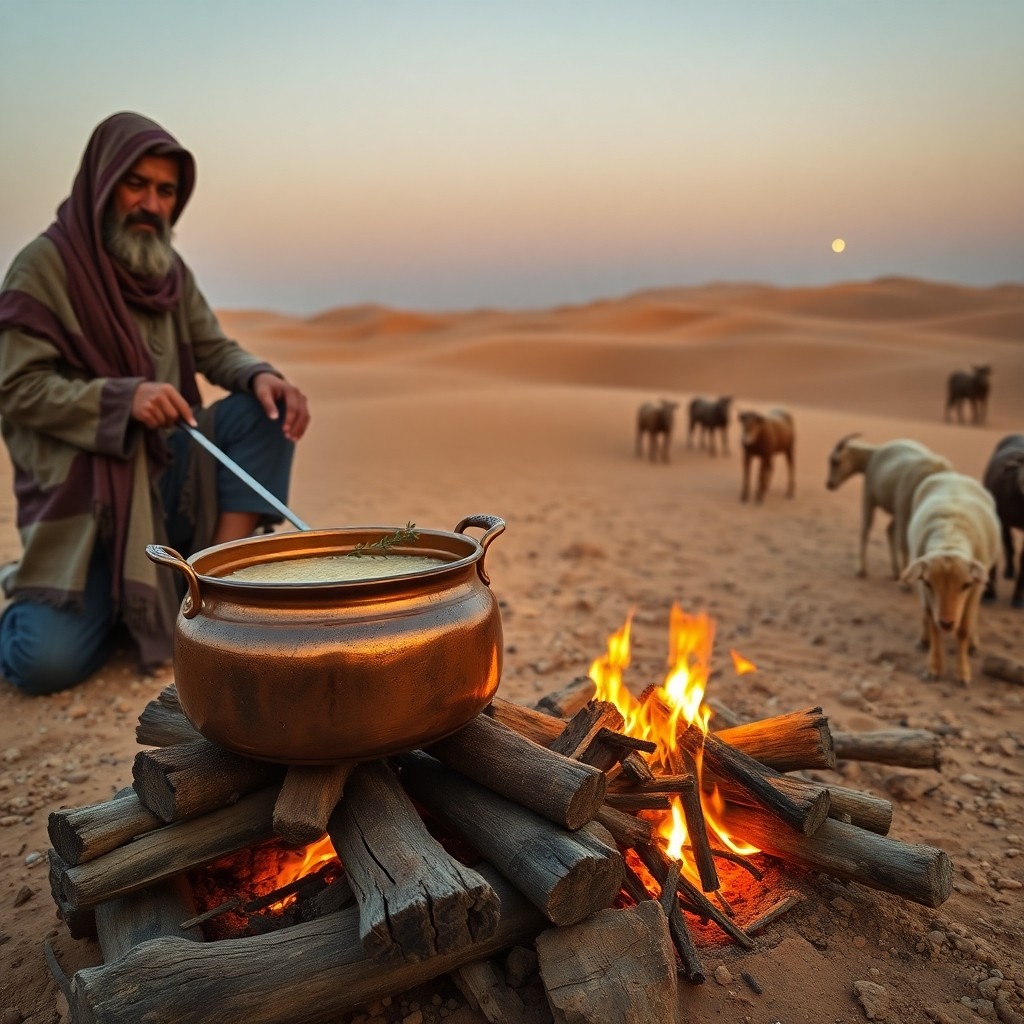
The tapestry of Moroccan flavor starts with nomadic Berber hearths, where mobility dictated simple, durable foods. Millet and barley formed the backbone of porridge called “aghrour” that could be cooked in a single cauldron and carried across desert dunes. Shepherds often added wild thyme and goat milk, creating a protein‑rich stew that sustained long journeys.
When Arab traders arrived in the 7th century, they introduced spices such as coriander, black pepper, and cinnamon, along with rice and citrus trees that thrived in the fertile valleys of the Saadian era. Trade records from the port of Essaouira show a 42 % surge in spice imports within two decades of the conquest, reshaping market stalls and household pantries alike.
Communal feasts during Ramadan and Eid evolved into elaborate affairs where dishes like “seffa” (sweetened couscous) and “briouats” (fried pastries) were shared among extended families. A 13th‑century manuscript from the University of al‑Qarawiyyin describes a banquet where guests passed platters of lamb spiced with saffron, illustrating how religious observance reinforced culinary generosity.
1.1 Pre‑Islamic Berber hearths – the earliest food practices
*Depicts the early Berber foundation of Moroccan food, highlighting simple, durable ingredients cooked over an open flame.*
Nomadic groups relied on portable ovens fashioned from animal skins stretched over wooden frames, allowing quick baking of flatbreads known as “khobz”. Grain grinding employed stone mortars weighing up to 30 kg, producing flour that retained a nutty flavor absent in modern milled wheat.
In the high plateaus, barley sprouted in early spring, providing a fresh source of malt for brewing a low‑alcoholic drink called “tibsi”. This beverage, flavored with rosemary and honey, served both as a hydration aid and a ceremonial libation during seasonal migrations.
1.2 Arab conquest and the introduction of new ingredients
Spice caravans arriving from the Hijaz carried cumin seeds in leather satchels, which quickly became a staple for seasoning meat and vegetable tagines. The arrival of citrus trees, particularly the bitter orange, allowed cooks to experiment with preserved lemon—a key component in today’s fish stews.
Rice, cultivated in the fertile plains of the Gharb region, enabled the creation of “m’semen” stuffed with spiced meat, blending Berber grain techniques with Arab rice pilaf methods. By the 10th century, market ledgers from Fez listed rice at a price comparable to barley, reflecting its rapid integration into the diet.
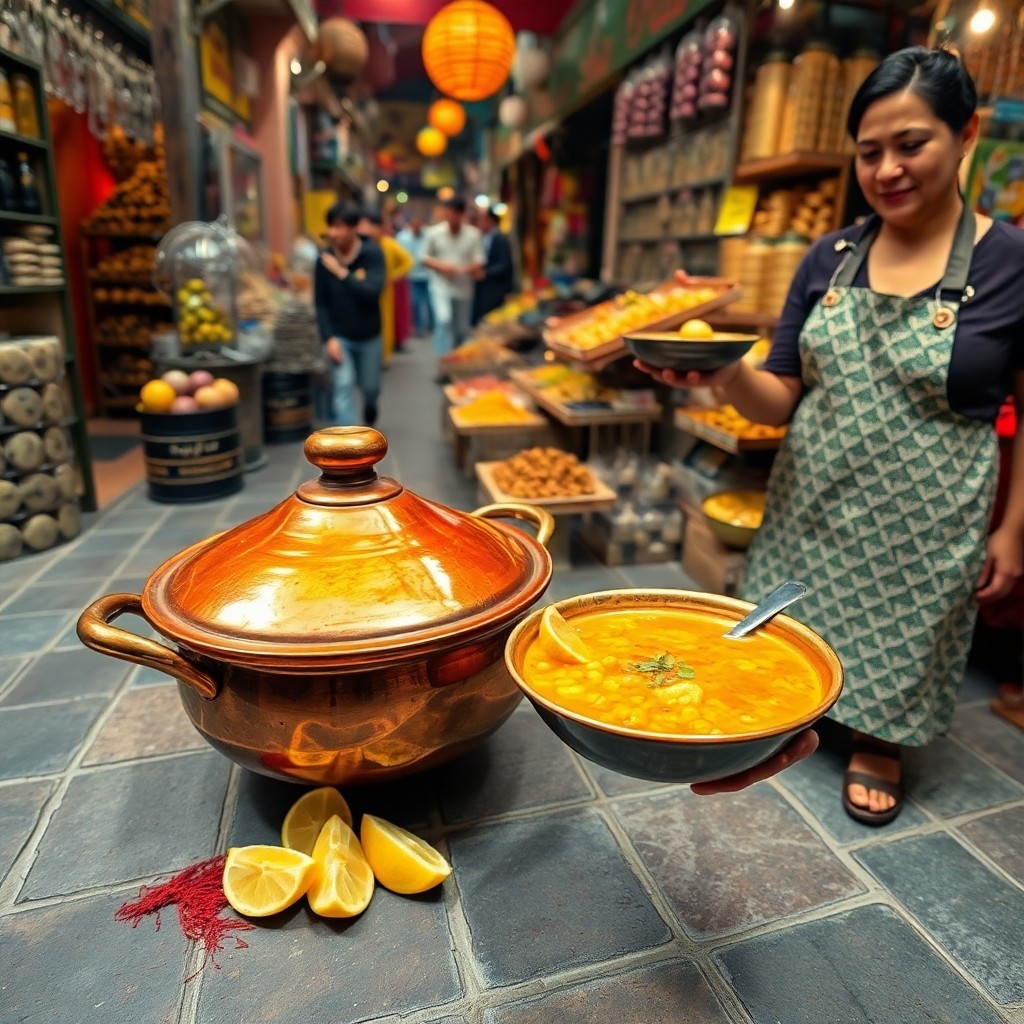
*Illustrates the rich, spice‑laden Moroccan dishes that blend Berber and Arab influences, served in a lively market setting.*
1.3 Fusion of rituals: communal meals and religious feasts
During Eid al‑Fitr, families traditionally break the fast with a bowl of harira, a soup whose base of tomatoes, lentils, and chickpeas is thickened with a spoonful of flour and a dash of cinnamon. The ritual of sharing harira underscores the communal ethos that emerged from Berber clan gatherings and Arab caravan hospitality.
Manuscript excerpts reveal that medieval feasts featured a “saffron‑kissed” lamb roast, where the spice was brushed onto the meat just before the final hour of cooking, allowing the golden hue to permeate the flesh without overwhelming the natural flavor.
2. The Spice Caravan: How Trade Shaped Morocco’s Signature Flavors
From the Sahara’s golden dunes to the Mediterranean’s azure bays, spice routes stitched Morocco into a global network of flavor exchange. Saffron, cultivated in the Taliouine region, traveled northward on camel caravans that also carried cumin, fenugreek, and dried chilies. These routes linked sub‑Saharan markets with the bustling souks of Marrakech, where merchants weighed spices on brass scales calibrated to the gram.
Olive groves along the Atlantic coast supplied oil that became a cooking foundation for both savory stews and sweet pastries. In the 16th century, records from the city of Safi indicate an annual production of 12,000 tons of olive oil, a volume that fed local households and fueled export to European ports.
The iconic ras el‑hanout emerged as a masterful blend of up to twenty spices, each measured with a precision spoon to achieve a balance that could vary from town to town. The blend often includes cardamom, nutmeg, and rose petals, reflecting influences from the Indian Ocean trade that reached Morocco via Portuguese outposts.
2.1 The trans‑Saharan spice corridor – saffron, cumin, and beyond
Caravans loaded with saffron crocuses departed Taliouine each autumn, crossing the Atlas foothills to reach the oasis of Tamanrasset. There, traders exchanged the crimson threads for dried millet and dates, creating a reciprocal flow of nutrients that sustained both desert and mountain populations.
Cumin seeds, harvested in the semi‑arid regions of Ouarzazate, were roasted over open coals before being ground, a process that released aromatic oils essential for the depth of flavor in tagines containing lamb or chicken.
2.2 The Mediterranean exchange – olives, preserved lemons, and citrus zest
Olive oil pressed in the 1500s retained a green hue and a peppery finish, characteristics still prized by modern chefs who drizzle it over grilled sardines. Preserved lemons, made by fermenting whole lemons in salt for six weeks, develop a mellow acidity that brightens slow‑cooked stews without adding raw citrus bitterness.
A 1582 tax ledger from Tetouan notes that citrus orchards yielded 3,400 tons of lemons annually, underscoring the fruit’s economic and culinary importance during the Saadi dynasty.
2.3 Crafting the iconic ras el‑hanout
Begin with two teaspoons each of ground cumin, coriander, and paprika. Add one teaspoon of ground ginger, half a teaspoon of cinnamon, and a pinch of ground cloves. Incorporate finely ground rose petals (¼ teaspoon) and a dash of powdered orange zest. Blend all spices in a copper bowl, allowing the mixture to rest for 24 hours so flavors meld. Store in an airtight jar for up to six months, shaking gently before each use.
3. Iconic Dishes Deconstructed: Technique, Tradition, and Tasting Notes
Tagine cooking hinges on a conical lid that funnels steam back onto the ingredients, creating a self‑basting environment that tenderizes meat while concentrating aromatics. The earthenware’s porous walls absorb excess moisture, releasing it slowly and preventing the dish from boiling dry.
Couscous, traditionally steamed over a pot of simmering broth, requires a fine grain size of 0.5 mm for the fluffy texture prized in royal courts. The grains are moistened with a splash of olive oil, then rolled by hand in a large wooden basin until each granule separates. Serving customs dictate that couscous be presented on a large communal platter, with a mound in the center surrounded by vegetable and meat stews.
Desserts such as pastilla combine layers of crisp warqa pastry, spiced pigeon or chicken, and a dusting of powdered sugar and cinnamon. The sweet‑savory contrast is heightened by a thin smear of orange blossom water, creating a fragrance that lingers after the last bite.
3.1 The Tagine: Slow‑cooked storytelling in clay
When the tagine heats, the conical lid creates a miniature cyclone of vapor that condenses on the interior walls before dripping back onto the stew. This cycle maintains a steady temperature of roughly 95 °C, ideal for breaking down collagen in lamb shanks without overcooking vegetables.
To prevent cracking, soak the tagine in cold water for 30 minutes before the first use, then place the base on low heat for five minutes before adding ingredients. This gradual temperature increase protects the earthenware’s glaze.
3.2 Couscous: From royal banquet to everyday staple
The traditional steaming process uses a couscoussier, a two‑part pot where water boils in the lower chamber and steam rises through a perforated basket holding the couscous. After the first 15 minutes, the grains are removed, fluffed with a wooden fork, and returned for a second 10‑minute steam cycle, ensuring uniform hydration.
Grain size influences mouthfeel: fine couscous yields a delicate, melt‑in‑the‑mouth sensation, while coarser varieties retain a slight chew, preferred in mountainous regions where heartier textures complement robust stews.