
Traditional Moroccan Cooking: Recipes & Techniques
Moroccan cuisine is a tapestry woven from centuries of trade, migration, and climate. Its signature aroma emerges from the fragrant blend of cumin, coriander, saffron, and cinnamon that coats tagines and couscous alike. When you taste a plate of spiced lamb stew or a sweet, flaky b'stilla, you’re tasting a culture that has long celebrated the balance between savory and sweet, earthy and citrusy. The North African region’s culinary heritage thrives on communal meals, where family and friends gather around a shared pot of steaming food. The richness of Moroccan cooking is not only about flavor; it’s a living tradition that tells stories of caravans, spice markets, and the diverse landscapes from the Atlas Mountains to the Sahara. For a wide selection of Moroccan products, visit our website.
Understanding Moroccan Ingredients and Spices### Introduction to key ingredients in Moroccan cooking
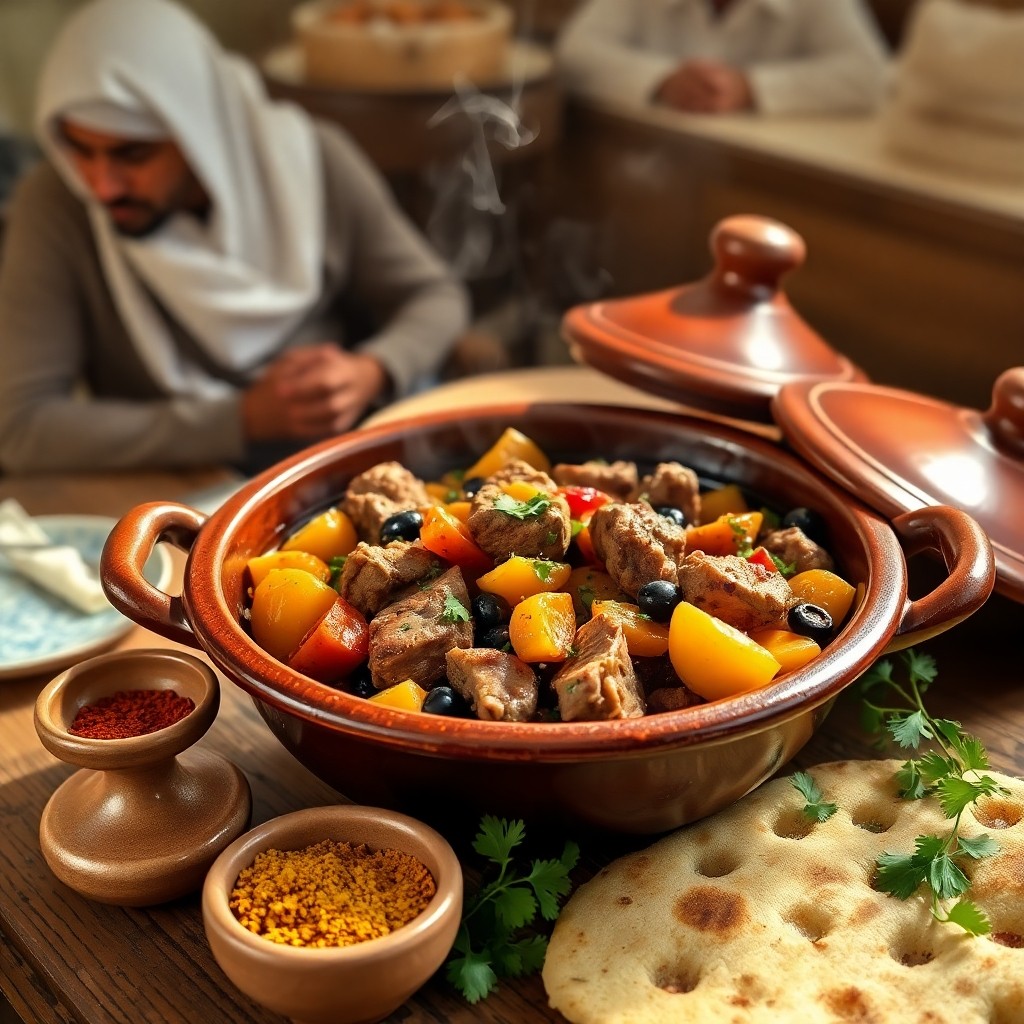
*Close‑up of a steaming tagine filled with lamb, apricots, preserved lemons, and spices, showcasing traditional Moroccan cooking.*
Moroccan kitchens rely on a handful of staple spices that create depth and warmth. Cumin, ground into a fine powder, provides a nutty, peppery base for stews and marinades. Ground coriander adds citrusy brightness, while cinnamon brings a gentle sweetness that pairs well with dried fruits. A classic Moroccan spice blend, TAYEB Ras El Hanout, combines up to 30 ingredients—including cardamom, cloves, and bay leaf—yielding a complex, aromatic profile. Fresh herbs such as cilantro and parsley are often finished on top, adding a bright, herbal counterpoint. The use of preserved lemons and preserved olive oil further enhances depth, delivering tang and briny notes that linger on the palate.
Exploring regional variations in ingredients
In the fertile plains of the Middle Atlas, lamb and apricots dominate the menu, while in the coastal Rif region, fish and seafood feature prominently. The Souss Valley’s olive groves produce high‑quality extra‑virgin olive oil, a staple in marinades and dressings. The Sahara’s arid climate favors dried chickpeas and dried figs, which are incorporated into hearty soups and tagines. A recent survey of Moroccan households shows that 68% of families use preserved lemons, 55% use saffron, and 48% rely on cumin as the backbone of their spice cabinet. These regional nuances give each dish a distinct identity while maintaining a shared national flavor. Cooking with the right equipment, such as an Al Mohajer Stainless Steel couscoussier, can make a big difference in the quality of the dish.
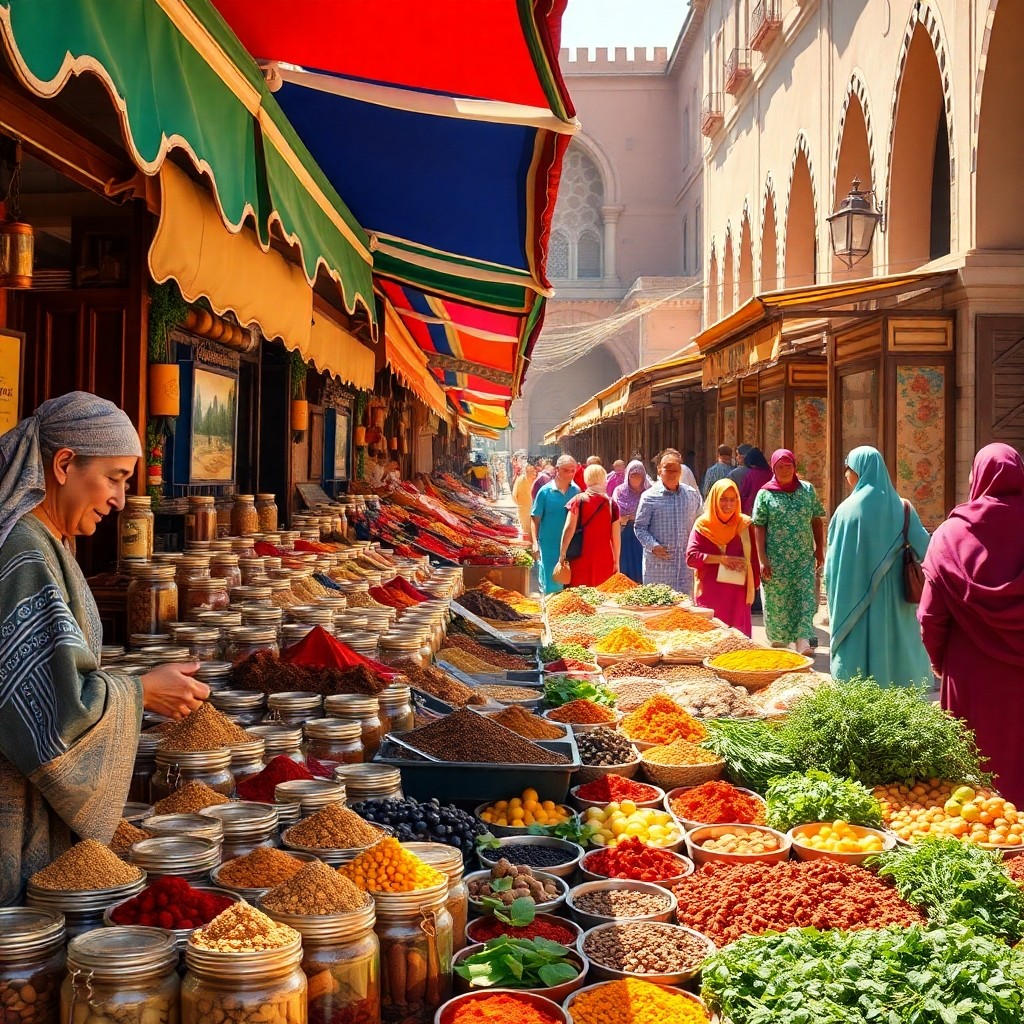
*Colorful street market in Marrakech featuring a variety of spices and preserved lemons, illustrating the vibrant spice culture of Morocco.*
Mastering Traditional Moroccan Cooking Techniques### Step-by-step guide to cooking tagines
1. **Prepare the base**: In a heavy‑bottomed tagine or Dutch oven, heat 2 tablespoons of olive oil over medium heat. Add 1 finely chopped onion, 2 minced garlic cloves, and a pinch of saffron threads soaked in 2 tablespoons of hot water. Sauté until the onion turns translucent. 2. **Add the protein**: Coat 1 pound of bone‑in lamb shoulder with 1 teaspoon of cumin, 1 teaspoon of coriander, and a pinch of paprika. Sear the meat on all sides until browned. 3. **Layer the aromatics**: Place 1 sliced carrot, 1 sliced zucchini, and ½ cup of dried apricots on top of the meat. Sprinkle 1 tablespoon of ras el hanout, ½ teaspoon of cinnamon, and ½ teaspoon of black pepper. Add 2 cups of low‑sodium chicken broth. 4. **Simmer**: Cover, reduce heat to low, and let the tagine cook for 2½ hours, or until the meat is tender. Stir occasionally, adding a splash of water if the liquid evaporates. 5. **Finish**: Drizzle 1 tablespoon of preserved lemon juice and sprinkle chopped cilantro before serving. Pair with a side of hand‑made couscous seasoned with a pinch of salt and a drizzle of olive oil. Serving the meal in a beautifully crafted Moroccan 8 Cups Tea pot can add to the ambiance.
Introduction to other essential cooking techniques
Grilling Moroccan‑style requires a charcoal‑heated grill and a cast‑iron skillet to sear meats quickly. Begin by marinating chicken thighs in a mixture of 2 tablespoons of olive oil, 1 tablespoon of lemon juice, 1 teaspoon each of smoked paprika and cumin, and a pinch of sea salt. Let the chicken rest for 30 minutes. Preheat the grill to high heat, then place the skillet over the coals. Sear the chicken for 3 minutes on each side, creating a caramelized crust, before transferring to a cooler spot to finish cooking through. Roasting is another staple; a whole eggplant can be brushed with olive oil, sprinkled with za’atar, and roasted at 400°F for 45 minutes until soft. Steaming is employed for delicate vegetables and couscous, where steam from a pot of simmering broth carries flavor into each grain. For a soothing drink, consider a cup of tea made with Moroccan Grain Ambar 500g.
Exploring Traditional Moroccan Recipes### Classic recipes like chicken couscous and b'stilla
**Chicken Couscous** - 1.5 lbs chicken thighs, bone‑in - 2 cups couscous (fine, pre‑soaked) - 1 onion, diced - 2 carrots, sliced - 1 zucchini, diced - ½ cup dried chickpeas, soaked overnight - 1 tbsp ras el hanout - 1 tsp ground ginger - ¼ cup slivered almonds, toasted - ¼ cup raisins - 2 tbsp olive oil - Salt and pepper to taste
1. In a large pot, heat olive oil over medium heat. Add onion, carrots, zucchini, and chickpeas; sauté for 5 minutes. 2. Add chicken, ras el hanout, ginger, salt, and pepper. Pour in 3 cups of water and bring to a boil. Reduce heat, cover, and simmer for 45 minutes. 3. Meanwhile, steam couscous according to package instructions, fluffing with a fork. 4. Serve the chicken and vegetables over couscous, garnished with toasted almonds and raisins.
**B'stilla** - 1 whole chicken, deboned - 1 sheet phyllo dough, thawed - 1 cup shredded carrots - 1 cup chopped almonds, toasted - 1 tsp cinnamon - 1 tsp ground ginger - 2 eggs, beaten - 4 tbsp butter, melted - 2 tbsp powdered sugar, for dusting
1. Cook the chicken in a pot of water with a bay leaf until tender. Shred the meat and set aside. 2. In a skillet, sauté carrots with cinnamon, ginger, and a pinch of salt until caramelized. 3. Layer phyllo sheets in a baking dish, brushing each sheet with melted butter. Place shredded chicken and carrot mixture in the center, sprinkle with toasted almonds, and fold into a rectangular shape. 4. Brush the top with beaten eggs, then bake at 350°F for 25 minutes. Dust with powdered sugar before serving.
Modern twists on traditional Moroccan recipes
A contemporary take on couscous introduces quinoa for a protein boost, while retaining the classic saffron and preserved lemon flavors. For b'stilla, replace traditional phyllo with puff pastry and incorporate goat cheese for a tangy contrast. Another innovation involves using coconut milk in a lamb tagine, adding a subtle sweetness that complements the cumin and coriander. These adaptations keep the heart of Moroccan flavor alive while inviting new textures and nutritional benefits.
The Cultural Significance of Food in Morocco### The role of food in Moroccan hospitality and community
In Morocco, the sharing of food is an integral part of social interaction and community bonding. The traditional Moroccan meal is a time for family and friends to come together, share stories, and enjoy each other's company. The preparation and serving of food are considered acts of love and respect, and the host is expected to provide an abundance of delicious dishes to their guests. This emphasis on hospitality and community is reflected in the country's rich culinary traditions, where meals are often served in a warm and welcoming atmosphere. Whether it's a simple meal of tagine and couscous or a elaborate feast of b'stilla and pastilla, food plays a central role in bringing people together and fostering a sense of community and connection.