
Top 5 Moroccan Spices For Cooking
Introduction
The vibrant heart of Moroccan cooking beats with a handful of aromatic spices that turn simple ingredients into unforgettable meals. Knowing the **Top 5 Moroccan Spices for Cooking** lets you recreate classic tagines, couscous, and street‑food‑level harira with confidence, whether you’re a home chef or a restaurant innovator. In 2026, global demand for authentic Moroccan spices surged by 22 % as food‑ies chase the deep, earthy flavors that define North‑African cuisine. Mastering these five pillars equips you to blend tradition with modern twists, control heat, and capture the health‑boosting properties that research now confirms.
Key Takeaways
- Ras el Hanout, cumin, saffron, paprika, and cinnamon form the core flavor foundation. - Each spice delivers a distinct impact on classic dishes and measurable health benefits. - Authentic sourcing and proper storage preserve potency for months. - DIY blends let you customize heat, sweetness, and aroma. - 2026 research confirms notable antioxidant and anti‑inflammatory properties.
Definitive Answer: The Top 5 Moroccan Spices Every Cook Needs
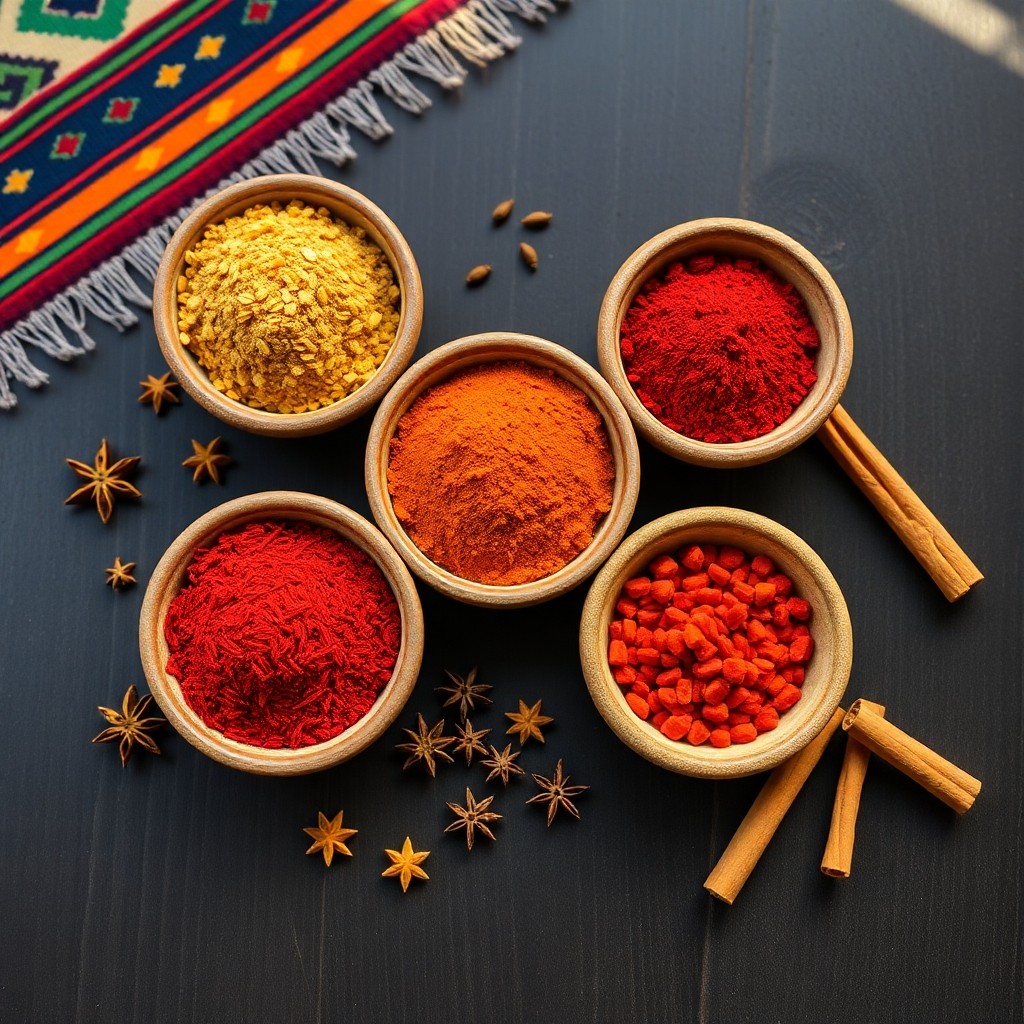
*A flat lay showcasing the vibrant colors and textures of the key spices used in Moroccan cuisine.*
**Quick Answer:** The essential Moroccan spice lineup includes Ras el Hanout (a complex blend of 30+ ingredients), ground cumin, premium saffron from Taliouine, sweet and smoked paprika, and warm cinnamon. Together they create the signature depth, color, and aroma of Moroccan cuisine and provide antioxidant, anti‑inflammatory, and digestive benefits.
Ras el Hanout (TAYEB Ras El Hanout 150g – Authentic Moroccan Spice Blend for Tagines, Couscous, Grilled Meats & Stews products) supplies a layered, aromatic base; cumin adds an earthy backbone; saffron offers golden luxury and subtle sweetness; paprika contributes vibrant color and gentle heat; cinnamon introduces warm sweetness that balances savory dishes. Using these five spices you can season lamb tagines, chickpea harira, chicken pastilla, roasted vegetables, and spiced kebabs with authentic flair.
Ras el Hanout – The “Head of the Shop”
**Definition:** Ras el Hanout (Arabic for “head of the shop”) is a traditional Moroccan blend that typically contains more than thirty spices, including cardamom, clove, cinnamon, and rose petals, creating a complex, aromatic profile.
Ras el Hanout is the ultimate all‑purpose Moroccan spice blend, historically assembled by the chief merchant who selected the finest ingredients for his clientele. A classic lamb tagine benefits from a tablespoon of the blend, which dissolves into the broth and releases notes of citrus, pine, and sweet spice. Modern cooks often toast the blend briefly in oil to unlock deeper aromatics before adding vegetables or meat.
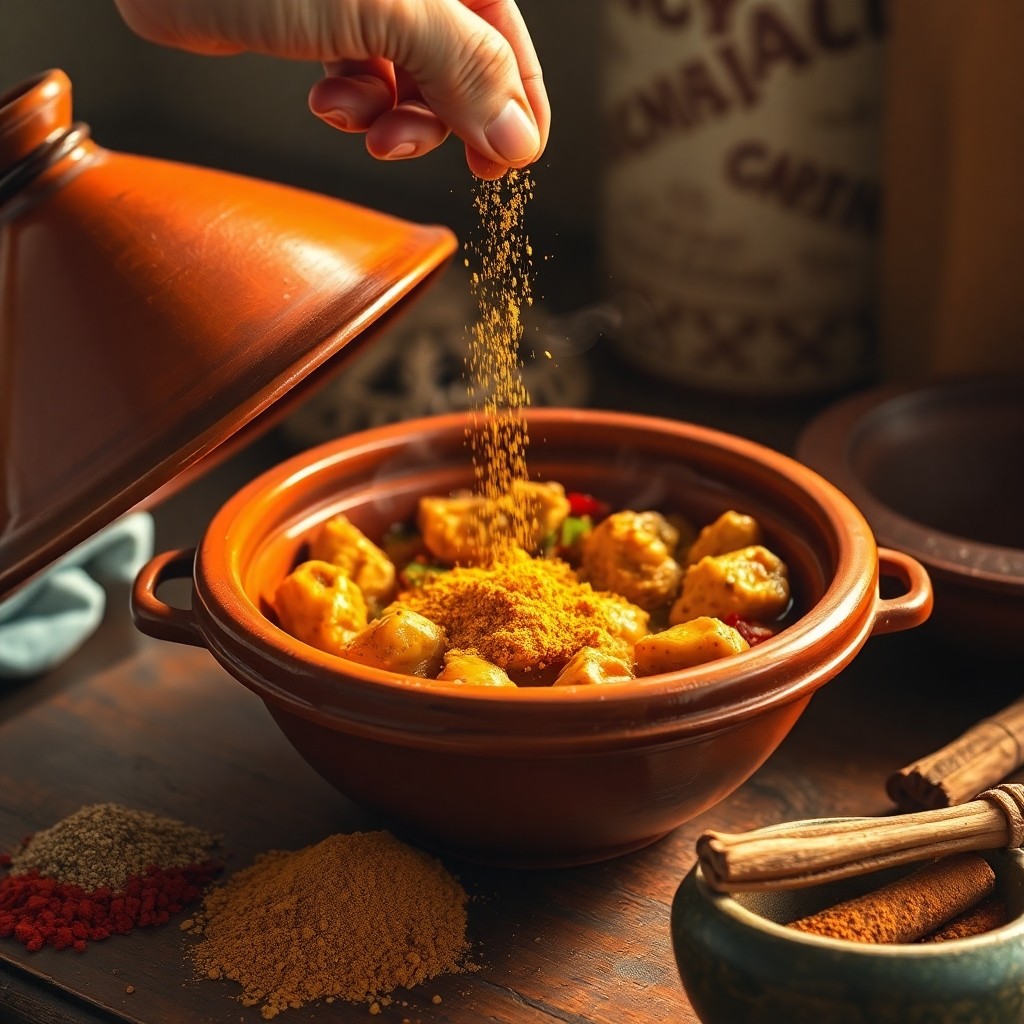
*A chef seasoning a tagine dish with a blend of traditional Moroccan spices.*
Cumin – Earthy Backbone of Moroccan Meals
**Definition:** Cumin (Cuminum cyminum) is a dried seed with a warm, nutty flavor that is a staple in Moroccan cooking, especially in soups, stews, and meat rubs.
Ground cumin (TAYEB Ground Cumin 150g – Premium Moroccan Cumin Powder, Halal & Organic Seasoning for Tacos, Curry & Mediterranean Cooking online) delivers a robust, earthy flavor that pairs naturally with tomatoes, carrots, and dried fruits. Sprinkle a teaspoon into chickpea harira soup to create a fragrant base that balances the tang of preserved lemon. Cumin also works well as a dry rub for grilled chicken, where a quick sear locks in moisture and adds a smoky undertone.
Saffron – The Golden Luxury
**Definition:** Saffron is harvested from the stigmas of Crocus sativus flowers, primarily grown in the Taliouine region of Morocco, and is prized for its vivid amber hue and distinct aroma.
Moroccan saffron commands a premium price; in 2026 the average cost reached $450 per kilogram, reflecting its labor‑intensive harvest. Infuse a pinch of threads in warm water for five minutes, then stir the liquid into chicken pastilla to achieve a luminous amber color and delicate floral notes. The spice also elevates simple rice pilafs, lending a subtle sweetness that complements roasted vegetables.
Paprika (Sweet & Smoked) – Colorful Warmth
**Definition:** Paprika is a ground spice made from dried red peppers (Capsicum annuum), ranging from sweet and mild to smoked and hot, essential for adding vibrant color and essential depth to Moroccan rubs and stews.
Paprika (TAYEB Paprika Jar 170g – Authentic Moroccan Spice for Meats, Vegetables, Stews, & Marinades – Smoky-Sweet Flavor & Vibrant Color) brings both visual appeal and nuanced flavor; sweet paprika offers bright, mild sweetness, while smoked paprika adds a deep, charred note. Use sweet paprika to brighten roasted potatoes, creating a caramelized crust without overwhelming heat. For heartier dishes like beef kefta kebabs, dust the meat with smoked paprika before grilling to develop a smoky, slightly spicy crust that balances the richness of the lamb.
Cinnamon – Warm Sweetness in Savory Dishes
**Definition:** Cinnamon is a fragrant bark spice, often sourced from Cinnamomum trees, used extensively in Moroccan cuisine to introduce warm, sweet notes that balance savory tagines and desserts.
Cinnamon, often sourced from the Saïda region, has been a staple in Moroccan tagines and desserts for centuries. Add a half‑teaspoon of ground cinnamon to beef kefta kebabs to introduce a sweet undertone that mellows the heat of chili peppers. In sweet applications, cinnamon pairs with honey and almonds in traditional sweets like msemen, delivering a comforting aroma that lingers long after the meal.
How Each Spice Transforms Traditional Moroccan Dishes
**Quick Answer:** Ras el Hanout deepens tagine broth, cumin enriches harira soup, saffron colors pastilla, paprika adds caramelized warmth to vegetables, and cinnamon balances savory kebabs with sweet spice.
Ras el Hanout in Tagine and Couscous
Start by heating two tablespoons of olive oil in a heavy‑bottomed pot. Add one tablespoon of Ras el Hanout and toast for 30 seconds to release volatile oils. Introduce chicken thighs, brown them, then pour in chopped tomatoes, preserved lemon, and a cup of water. Simmer for 45 minutes, stirring occasionally, and finish with a handful of toasted almonds for texture. The blend’s complex profile infuses the sauce with layers of citrus, floral, and woody notes, turning a simple stew into a festival of flavors.
Cumin’s Role in Harira Soup and Meatballs
Combine two teaspoons of ground cumin with sautéed onions, celery, and garlic before adding lentils, chickpeas, and tomatoes. Simmer for 30 minutes, then stir in fresh cilantro and a squeeze of lemon juice to brighten the earthy tones. For meatballs, knead a teaspoon of cumin into the ground meat mixture to enhance savory depth and aid digestion before frying or baking. This versatile spice ensures every bite carries the signature warmth of North African hospitality.
Conclusion
Mastering these five spices unlocks the true potential of Moroccan cuisine. By investing in high-quality ingredients like Taliouine saffron and authentic Ras el Hanout, you ensure every dish resonates with the vibrant spirit of North Africa. Whether you are preparing a slow-cooked lamb tagine or a simple vegetable couscous, these spices provide the tools to balance flavor, color, and health benefits effectively. As you experiment with these blends in your kitchen throughout 2026, remember that proper storage is key to maintaining their potency. Embrace the art of spice blending to transform everyday meals into extraordinary culinary experiences.