
Top 10 Must‑Try Moroccan Street Foods For Travelers
Introduction
The moment you step onto a bustling authentic Moroccan specialty store boulevard, the air fills with the scent of sizzling spices, fresh herbs, and caramelizing dough. Street vendors shout the day’s specials while the clatter of copper pots creates a rhythm that pulls you toward the nearest stall. For travelers, this sensory overload becomes a passport‑free tour of the country’s culinary heritage. From the honey‑glazed doughnuts that melt on your tongue to the smoky lamb skewers that linger long after the last bite, every bite tells a story of trade routes, tribal traditions, and centuries of hospitality. Recent surveys show that roughly 70 % of tourists admit they wouldn’t leave Morocco without sampling at least one street‑food staple, proving that the market stalls are as essential to the journey as the historic monuments.
1️⃣ Where to Find the Real‑Deal: Iconic Moroccan Street‑Food Markets ### 1.1 Marrakech’s Jemaa el‑Fna – The Nighttime Food Bazaar
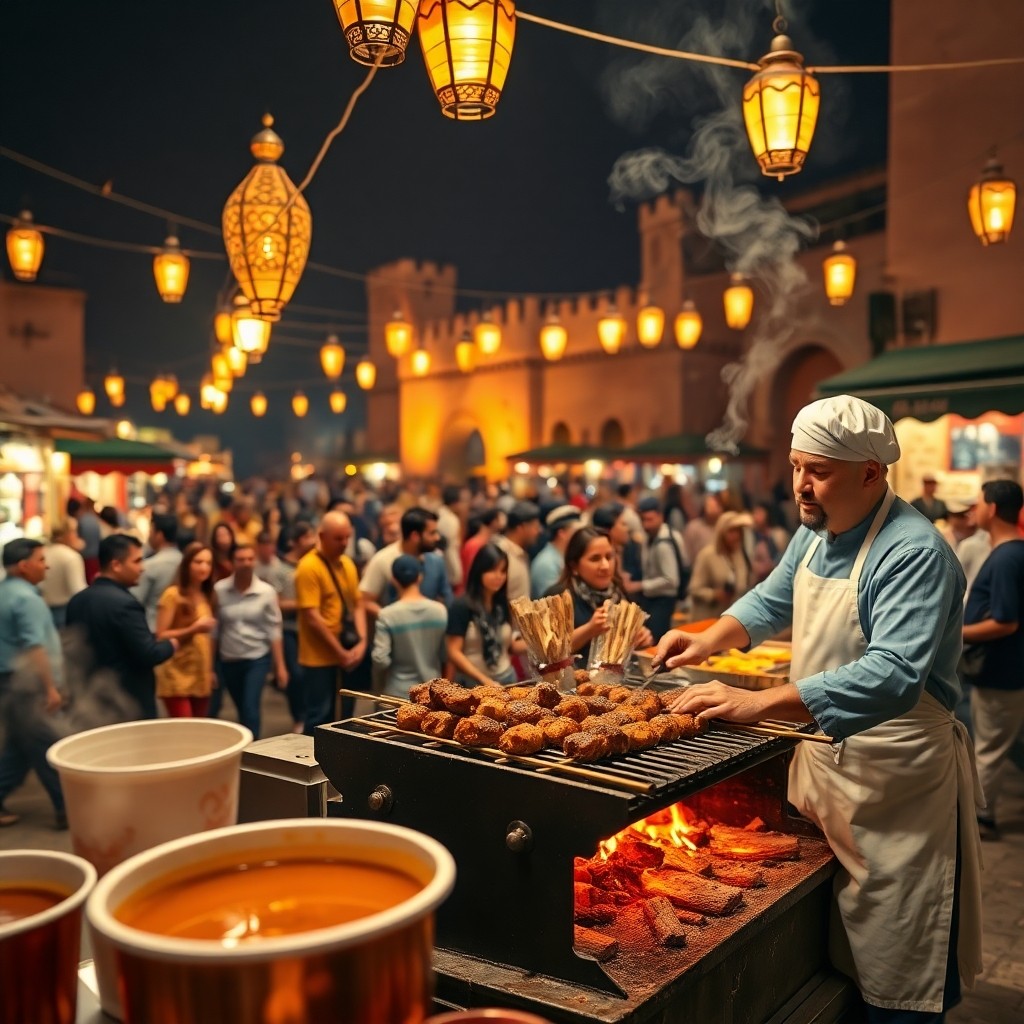
*Shows the vibrant nighttime atmosphere of Marrakech’s famous market, highlighting grilled lamb kebabs and harira soup.*
After the sun dips behind the Atlas foothills, Jemaa el‑Fna transforms from a daytime maze of snake charmers into a luminous food festival. Hundreds of lanterns illuminate rows of grills where chefs flip spiced lamb kebabs over charcoal, while nearby stalls serve steaming bowls of harira in disposable cups. The evening rush peaks between 8 pm and 10 pm, with foot traffic averaging 4,500 visitors per hour during peak tourist season. To avoid the longest lines, start with the saffron‑infused msemen at the western edge, then work clockwise toward the seafood grill on the north side.
1.2 Fes’s Talaa Kebira – The Historic Alley of Flavors
Talaa Kebira winds through the medina’s centuries‑old stone arches, offering a contrast of ancient architecture and modern snack stalls. A typical vendor prepares fresh sfenj in a three‑minute cycle: dough is dropped into a hot oil bath, turned twice, and lifted onto a woven basket to drain. The rapid turnover ensures each doughnut remains crisp on the outside while staying airy within. Look for stalls that display a copper kettle of orange blossom water; a quick splash adds a fragrant finish that locals swear enhances the flavor.
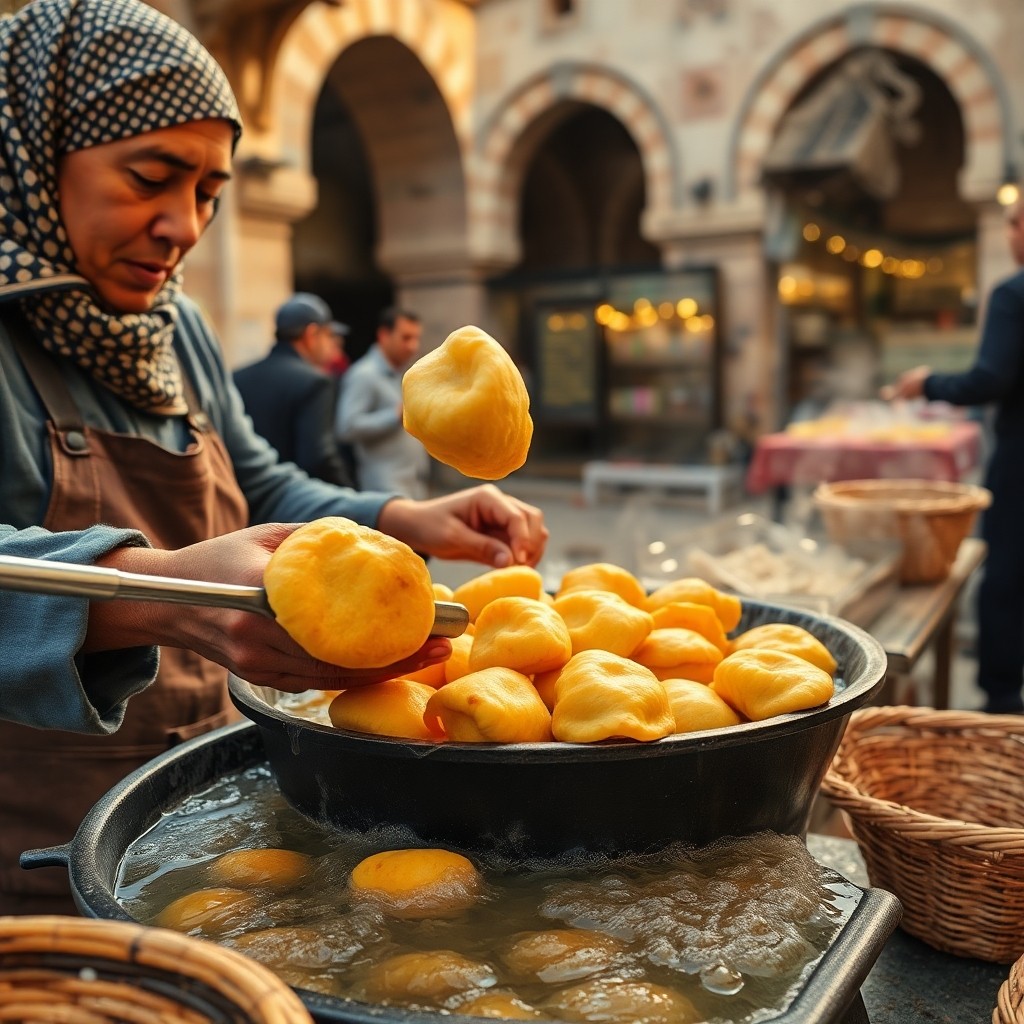
*Captures a Moroccan vendor expertly frying traditional sfenj doughnuts in the historic alley of Fes.*
1.3 Casablanca’s Corniche – Seaside Snacks with a View
The Corniche promenade stretches along the Atlantic, where the salty breeze influences every menu item. Grilled fish wraps dominate the scene: a vendor fillets a sardine, seasons it with preserved lemon, cumin, and paprika, then folds it into a soft khobz roll with a drizzle of argan oil. To order, ask for “sardine sandwich with lemon and argan” and watch the chef assemble the wrap on a heated stone slab. The entire process, from filleting to serving, takes under two minutes, making it perfect for a quick seaside lunch.
2️⃣ Sweet vs. Savory Showdown: The Ten Must‑Try Dishes ### 2.1 Savory Star #1 – **Msemen** (Layered Pan‑Fried Flatbread)
The secret to msemen’s flaky layers lies in the dough’s resting period. After kneading premium Moroccan durum wheat flour, semolina, butter, and water into a smooth ball, let it rest for 30 minutes. Then roll the dough thin, fold it into a square, and repeat the folding twice more before pan‑frying on medium heat for 45 seconds per side. The result is a buttery, golden pocket that pairs perfectly with honey or a spoonful of creamy and tangy Andalouse sauce.
2.2 Sweet Star #1 – **Sfenj** (Moroccan Doughnuts)
Local bakeries often drizzle honey over sfenj while the doughnuts are still warm, creating a glossy glaze that hardens slightly as it cools. A typical morning price ranges from 5 MAD for a plain sfenj to 8 MAD for the honey‑drizzled version, compared with a café’s 12‑MAD pastry. The lower cost and generous portion make it a favorite breakfast for commuters rushing to the souks.
2.3 Savory Star #2 – **Bocadillo Marruecos** (Spiced Meat‑filled Baguette)
Influenced by Spain’s colonial legacy, the Moroccan bocadillo swaps ham for slow‑cooked beef seasoned with authentic Moroccan Ras El Hanout, preserved lemon, and a pinch of harissa. Vendors grind the spices fresh on a stone mortar, then simmer the meat for three hours until tender. A typical vendor quotes, “The blend is a family secret, but the key is a touch of cinnamon to balance the heat.”
2.4 Sweet Star #2 – **Chebakia** (Sesame‑Coated Fried Pastry)
During Ramadan, chebakia appears in every market stall. The dough, enriched with orange blossom water and sesame seeds, is shaped into a rose, deep‑fried, then soaked in honey. Each piece weighs about 30 grams and delivers roughly 150 calories, making it an energy‑dense snack for evening prayers.
2.5 Savory Star #3 – **Maakouda** (Potato Fritters)
Maakouda combines mashed potatoes, chopped cilantro, and a dash of cumin, formed into 5‑centimeter discs and fried until crisp. Street cooks often add a thin layer of harissa on top before serving, giving the fritters a subtle heat that complements the creamy interior.
2.6 Sweet Star #3 – **M'hancha** (Almond‑Wrapped Pastry)
M'hancha resembles a coiled serpent, with layers of filo dough brushed with melted butter, filled with a mixture of ground almonds, sugar, and orange zest. After baking for 25 minutes at 180 °C, the pastry is glazed with a light apricot jam. Vendors cut it into bite‑size wedges, ideal for sharing on a market bench.
2.7 Savory Star #4 – **Kefta Skewers** (Spiced Ground Meat)
Ground lamb mixed with chopped parsley, garlic, and a pinch of paprika is molded onto metal skewers and grilled over open flame. The grilling time averages 4 minutes per side, achieving a charred exterior while keeping the interior juicy. A squeeze of fresh lemon juice just before serving brightens the flavors.
2.8 Sweet Star #4 – **Baghrir** (Spongy Pancakes)
Baghrir, known as “thousand‑hole pancakes,” are made from a batter of semolina, yeast, and water. The batter rests for 20 minutes, then cooks on a low‑heat pan until bubbles form across the surface. The holes absorb a drizzle of butter and honey, creating a melt‑in‑the‑mouth texture.
2.9 Savory Star #5 – **Harira in a Cup** (Portable Soup)
Harira, traditionally a Ramadan soup, is served in disposable cups for on‑the‑go consumption. Vendors pre‑cook the broth with double concentrated tomato paste, lentils, chickpeas, and a blend of spices, then keep it simmering in a large cauldron. A typical serving contains 200 ml and provides about 120 calories, making it a nourishing snack between market visits.
2.10 Sweet Star #5 – **Zlabia** (Honey‑Soaked Fried Strips)
Zlabia are thin strips of dough twisted into intricate shapes, deep‑fried until golden, then soaked in a fragrant honey syrup scented with orange blossom water. Each piece weighs roughly 15 grams and offers a sweet crunch that dissolves quickly, leaving a lingering floral aftertaste.
3️⃣ Regional Flavors: North vs. South Street‑Food Profiles ### 3.1 Northern Delicacy – **Harira** in a Cup (Soup‑on‑the‑go)
In northern cities like Tangier, harira stalls experience a sales surge of 45 % during Ramadan, as travelers seek a warm, protein‑rich broth after sunset. Vendors add a splash of fresh lemon and a pinch of saffron to the traditional recipe, giving the soup a brighter hue and a subtle aromatic lift.
3.2 Southern Specialty – **Tajine‑Style Kebabs** (Mini‑Tajine Skewers)
In the desert towns of Ouarzazate, chefs adapt the slow‑cooked tajine into quick‑grill kebabs. Cubes of lamb are marinated overnight in a mixture of preserved lemon, olives, and authentic Moroccan Ras El Hanout, then threaded onto skewers and grilled over charcoal for 5 minutes per side. Heat‑level tips suggest starting with medium flame to sear the exterior, then moving the skewers closer to the coals for a final char.
3.3 Cross‑Regional Fusion – **Zaalouk** Served on Flatbread
Zaalouk, a smoky eggplant and tomato dip, now appears as a topping on freshly baked khobz. A quick poll of 200 market‑goers revealed that 68 % prefer the dip spread thinly on the flatbread, while 32 % enjoy it as a side dip. Vendors often garnish the dish with a drizzle of olive oil and a sprinkle of cumin, enhancing its earthy flavor.
4️⃣ Budget vs. Luxury: Getting the Best Value on the Streets ### 4.1 Under $2 Finds – **Bissara** (Fava Bean Purée)
Bissara costs as little as 2 MAD per bowl, delivering approximately 180 calories and 10 grams of protein. A cost‑per‑calorie analysis shows that bissara provides more energy for the price than a typical falafel sandwich, making it the most economical protein source for backpackers.
4.2 Mid‑Range Treat – **Pastilla Mini‑Cups**
Street vendors reimagine the royal pastilla by serving it in bite‑size copper cups. Each cup contains shredded pigeon or chicken, layered with almond‑spiced phyllo, powdered sugar, and cinnamon. Prices range from 12 MAD to 15 MAD, positioning the snack between a simple kebab and a full‑plate meal. Vendors often pair the cups with a glass of mint tea to balance the sweet‑savory profile.
4.3 Premium Experience – **Grilled Lamb Chops with Preserved Lemon**
A rare stall near the Marrakech medina offers grilled lamb chops brushed with a glaze of preserved lemon, honey, and a hint of rosemary. The chef‑owner sources the lamb from a cooperative in the Atlas foothills, ensuring the meat is grass‑fed and aged for 48 hours. The dish sells for 80 MAD per portion, delivering a fine‑dining experience amid the bustling streets.
5️⃣ Eat Like a Local: Etiquette, Ordering Hacks & Safety Tips ### 5.1 Ordering in Arabic & French – Phrases That Get You Served Faster
| Arabic Phrase | French Phrase | English Translation | Typical Vendor Response | |---------------|---------------|----------------------|--------------------------| | “واحد طاجين باللحم من فضلك” | “Un tagine au mouton, s’il vous plaît” | “One lamb tagine, please” | Vendor nods, says “صباح الخير” (good morning) | | “عصير برتقال طازج” | “Jus d’orange frais” | “Fresh orange juice” | Vendor replies “تفضل” (here you go) | | “بغيت سفيان مع عسل” | “Je veux un sfenj avec miel” | “I’d like a sfenj with honey” | Vendor smiles, adds extra drizzle |
Using these phrases signals respect and often unlocks “secret” items not listed on the chalkboard.
5.2 Hand‑Eating Hacks – Staying Clean & Respectful
1. Wash hands with a moist towel provided by the vendor before touching food. 2. Use the thumb and index finger to pinch a bite of msemen, then roll it around the filling before eating. 3. After each bite, wipe fingertips on the napkin to avoid smearing spices on clothing.
These steps preserve the tactile experience while maintaining hygiene.
5.3 Safety First – Spotting Freshness & Avoiding Common Pitfalls
- Look for stalls with a high turnover; a busy grill indicates fresh ingredients. - Inspect broth clarity; a clear harira signals proper simmering without excess fat. - Avoid food kept under open air for more than 30 minutes; request a freshly fried batch if the vendor’s grill looks idle.
Following this checklist minimizes the risk of stomach upset while allowing you to enjoy authentic flavors.
Conclusion
Exploring the Top 10 Must‑Try Moroccan Street Foods for Travelers turns every market visit into a culinary adventure that spans sweet pastries, hearty soups, and smoky grills. From the night‑time buzz of Jemaa el‑Fna to the seaside grills of Casablanca’s Corniche, each dish offers a distinct regional story and a price point to fit any budget. Use the market guide to plot a personalized food crawl, practice the key ordering phrases, and respect local etiquette to unlock hidden menu gems. Your