
Top 10 Must‑Try Moroccan Dishes For First‑Time Visitors
Top 10 Must‑Try <a href="https://kenzadi.com/products/12-2-inch-moroccan-handmade-serving-tea-tray-silver-plated-brass-handcrafted-plate-in-fez-morocco">Moroccan</a> Dishes for First‑Time Visitors
Stepping into a Moroccan souk in 2026 immerses you in a sensory symphony where the air hangs heavy with the scent of roasted cumin, mint, and simmering meats. The vibrant chaos of the market stalls reflects a deep culinary history woven from Amazigh, Arab, and Andalusian threads. Here, food is far more than mere sustenance; it is a profound social ritual and a gateway to understanding the heart of the culture. Meals are meant to be shared, eaten slowly, and savored with conversation. This guide serves as your culinary travel Morocco 2026 companion, offering a curated list of 10 essential dishes that define the Moroccan palate. From bustling street food corners to the quiet intimacy of traditional riads, these flavors capture the soul of the nation.
The National Icons: Tagine and Couscous
To understand the foundation of Moroccan cuisine guide, one must start with the two pillars that sustain the country: the slow-cooked tagine and the fluffy, steamed couscous. These dishes are not just menu items but cultural institutions that dictate the rhythm of daily life.
The Slow-Cooked Magic of Tagine
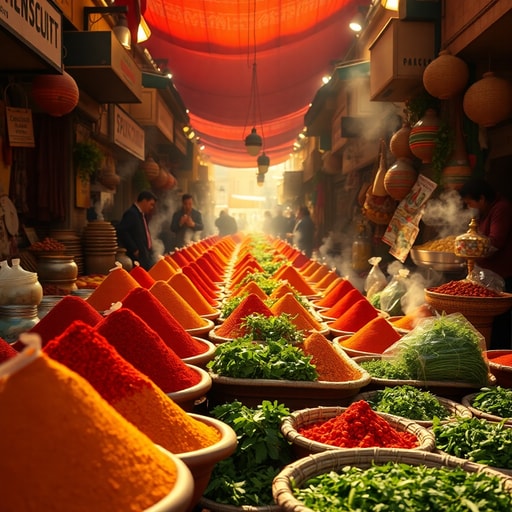
*A wide shot capturing the sensory chaos and vibrant colors of a Moroccan market, setting the scene for the culinary journey.*
The tagine is both the name of the dish and the traditional Moroccan kitchenware in which it is cooked. This unique vessel is designed to trap steam and return the condensed liquid to the pot, ensuring meat remains incredibly tender while infusing it with the flavors of vegetables and spices. The result is a dense, aromatic stew that defies comparison.
For your first experience, seek out an authentic Tagine recipe featuring Chicken with Preserved Lemons and Olives. The acidity of the lemons cuts through the richness of the chicken, creating a perfect balance. If you prefer something sweeter, the Lamb with Prunes and Almonds is a revelation, often topped with toasted sesame seeds. This dish is the #1 choice for visitors to try in local riads or mountain-view restaurants during their 2026 trip, offering a taste of the landscape itself.
The Weekly Ritual of Couscous
While many Westerners are accustomed to instant Al Mohajer stainless steel couscoussier, the authentic version is a labor of love that serves as the Friday Couscous tradition. In Moroccan households, Friday is a day of prayer and family gathering, centered around a massive platter of couscous. The semolina grains are hand-rolled and steamed multiple times over a bubbling broth of meat and vegetables to achieve a light, fluffy texture that separates effortlessly.
A true couscous features the "Seven Vegetables," which typically include turnips, carrots, pumpkin, zucchini, cabbage, onions, and chickpeas. The broth is just as important as the grain, often served on the side to be ladled over the top. To experience this properly, avoid hotel buffets and seek out family-run establishments where the couscous is steamed fresh that morning.
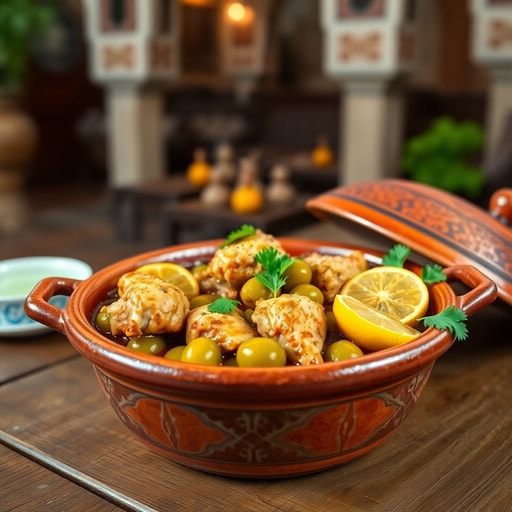
*A detailed close-up of the signature Moroccan dish, highlighting the ingredients and the traditional cookware mentioned in the article.*
Street Food Essentials: Souk Snacks and Sausages
Navigating the Moroccan street food guide requires a bold appetite and a willingness to try things that might initially seem strange. The energy of the night markets is infectious, offering some of the most flavorful and affordable meals you will find in the country.
Babouche: The Medicinal Snail Soup
One of the most unique offerings you will encounter, particularly in the famous Jemaa el-Fnaa food stalls in Marrakech, is Babouche. Vendors serve this steaming broth out of large brass kettles, selling small bowls to passersby. It is considered a local remedy for colds, hangovers, and digestive issues, thanks to its potent mix of over 15 spices.
The broth is deeply savory, flavored with anise, licorice root, chamomile, and a host of other aromatic herbs. The snails are small and spiral-shelled, requiring a bit of skill to eat. The proper etiquette involves sipping the spicy broth first to warm the palate, then using a toothpick or a pin to extract the snail from its shell. It is an earthy, medicinal experience that you will either love or find unforgettable.
Merguez: The Spicy Lamb Sausage
For those who prefer something familiar yet distinctly North African, Merguez is the go-to street snack. These fresh, red sausages are made from lamb or beef and heavily spiced with harissa, cumin, fennel, and sumac, giving them a vibrant color and a fiery kick.
You will often see them sizzling on grills at street corners, the smoke wafting through the alleyways. The best way to enjoy them is fresh off the grill, stuffed into a crusty baguette with a smear of strong mustard and grilled onions. Alternatively, they are served alongside a simple tomato and onion salad. The price point is incredibly low, making it a perfect budget-friendly lunch option that delivers a massive punch of flavor.
The Sweet and Savory Fusion: Pastries and Breads
Moroccan cuisine is famous for the artful balance between sweet and savory, a legacy of the Moorish influence in Andalusian Spain. This section of the Moroccan bread types and pastries is essential for understanding the country's texture and flavor profiles.
Bastilla: The Pigeon or Chicken Pie
Bastilla (or Pastilla) is arguably the most complex dish in the Moroccan repertoire, traditionally served at weddings and special celebrations. It is a large, savory-sweet pie that defies standard categorization. The exterior is made of layers of warqa dough, a thinner, more delicate cousin of phyllo dough, which is brushed with butter and baked until golden and crisp.
The filling is a sophisticated contrast of textures and tastes. It typically features shredded pigeon or chicken, slow-cooked with almonds and spices, then enriched with eggs. The topping is the shock factor: a thick dusting of powdered sugar and cinnamon. This creates a sensation where the salty, savory filling hits the palate first, followed immediately by the sweet crunch of the sugar crust. It is highly recommended as a starter for lunch to experience the intricate balance of Moroccan flavor profiles.
Khobz and Msemen: Daily Breads
Bread is the primary utensil in Morocco. You will rarely see a fork used to eat a tagine or salad; instead, bread acts as your scoop. There are two main types you must try. Khobz is the round, dense, dome-shaped loaf found on every table. It has a chewy crust and a soft interior, perfect for soaking up sauces.
Msemen is quite different—a flaky, laminated flatbread that is pan-fried until it has a crispy, pancake-like texture. It is often eaten for breakfast, dipped in honey and butter, or stuffed with cheese and onions. To see the real culture in action, visit a neighborhood furn (communal oven) in the morning. You will see locals carrying trays of dough on their heads to bake in the massive wood-fired ovens, returning later to collect bread hot from the flame.
Comfort in a Bowl: Soups and Salads
The lighter side of Moroccan cuisine offers incredible depth of flavor without the heaviness of meat stews. These dishes are packed with vegetables and are staples of the home kitchen, representing the best of Moroccan vegetarian dishes.
Harira: The Heart of Moroccan Hospitality
Harira is a robust, velvety tomato-based soup that serves as the national comfort food. It is a thick concoction loaded with lentils, chickpeas, vermicelli noodles, and a distinct blend of herbs, including celery, coriander, and parsley. A squeeze of fresh lemon juice added just before eating brightens the entire bowl.
Culturally, Harira is significant as the staple food for breaking the fast during Ramadan, though it is available year-round. It is traditionally served as a starter but is hearty enough to be a meal itself. The traditional accompaniments are crucial: you will be served dates and sticky, honey-soaked chebakia sweets on the side to provide an immediate energy boost after the soup.
Zaalouk: The Smoky Eggplant Salad
Zaalouk is a must-try cooked salad that features prominently on meze tables. It is made by roasting eggplants and tomatoes over charcoal or in a pan until they are completely softened. They are then mashed together with garlic, olive oil, paprika, cumin, and fresh herbs.
The texture is similar to a chunky dip or relish, warm and smoky, with a rich umami flavor. It is perfect for scooping with fresh bread or using as a spread. Because it is entirely plant-based and widely available, it is a highlight for vegetarian travelers who often worry about finding variety in meat-heavy cuisines.