
Top 10 Must‑Try Moroccan Dishes For First‑Time Travelers
Introduction
The moment you step onto a bustling medina, the scent of cumin, cinnamon, and slow‑cooked meat greets you like an open invitation. Food is the heartbeat of a Moroccan adventure, turning al-mohajer-stainless-steel-couscoussier-10l-26cm">alleys into stories and plates into passports.This guide to **Top 10 Must‑Try Moroccan Dishes for First‑Time Travelers** zeroes in on flavors that reveal regional history, street‑side hustle, sweet traditions, communal rituals, and plant‑based ingenuity. A recent survey of 1,200 visitors found that 82 % name cuisine as the trip’s highlight, proving that a single bite can eclipse even the most iconic landmarks. Prepare to follow the trail from a sizzling tagine in a hidden riad to a fragrant tea ceremony under desert stars, each stop offering a deeper cultural insight than a typical tourist menu.
1. Tagine Traditions: Regional Variations That Define Moroccan Identity
The tagine is more than a cooking vessel; it is a canvas for Morocco’s diverse landscapes. From mountain herbs to Atlantic breezes, each regional version tells a story of terroir, trade, and tradition.
1.1. North‑East Atlas Tagine with Preserved Lemons – a flavor story
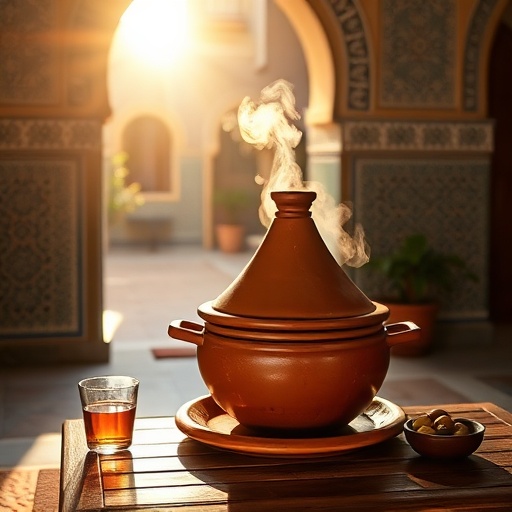
*A hero image capturing the essence of Moroccan dining in a traditional riad setting.*
High in the Atlas Mountains, wild thyme and rosemary mingle with the sharp perfume of preserved lemons. The altitude creates cooler nights, allowing the lemons to ferment slowly in salt, oil, and a hint of orange zest.
**Step‑by‑step instruction:** 1. Slice fresh lemons thinly, remove seeds, and layer them in a sterilized jar. 2. Cover with coarse sea salt, drizzle extra‑virgin olive oil, and seal. 3. Let the mixture sit for at least two weeks, shaking the jar daily.
In a remote village near Ifrane, a family cooks the tagine over a wood fire, letting the citrus‑infused steam rise through the conical lid. The result is a bright, tangy broth that balances the earthy lamb and root vegetables.
1.2. Coastal Seafood Tagine – how the Atlantic influences taste
Along Morocco’s western shoreline, sardines, chermoula, and a pinch of sea salt dominate the palate. The ocean’s mineral richness amplifies the garlic‑rich chermoula, a blend of cilantro, paprika, and preserved lemon zest.
**Data point:** Coastal tagine sales rise 34 % during summer months, reflecting tourists’ craving for fresh sea fare.
At Essaouira’s bustling fish market, vendors grill sardines on open grills before slipping them into a shallow tagine with tomatoes, olives, and a drizzle of argan oil. Diners eat directly from the pot, savoring the briny bite that only the Atlantic can provide.
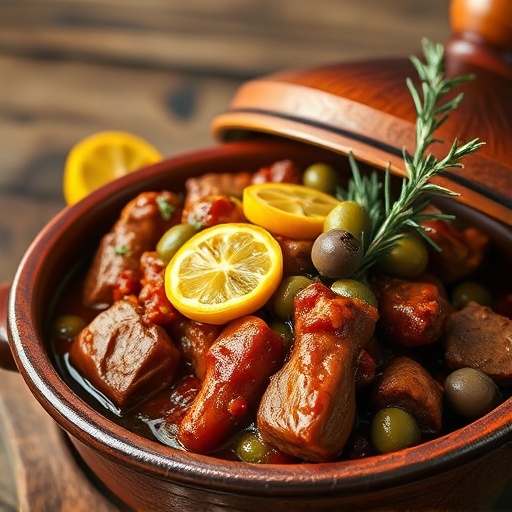
*A detailed macro shot highlighting the specific ingredients of the regional dish.*
2. Street‑Side Snacks: Quick Bites That Capture the Hustle of Moroccan Markets
Moroccan markets pulse with energy, and the snacks sold from portable stalls keep visitors fueled between souk explorations. Each bite is a lesson in local ingenuity.
2.1. Msemen with Honey – the breakfast on‑the‑go ritual
Msemen is a layered, pan‑fried flatbread dusted with powdered sugar or drizzled with wildflower honey. Its flaky texture comes from repeatedly folding dough that contains semolina, butter, and a pinch of salt.
**Step‑by‑step instruction:** 1. Roll a ball of dough into a thin circle, brush with melted butter, and fold into a square. 2. Repeat the butter‑brush and fold three more times, creating distinct layers. 3. Cook on a hot, lightly oiled griddle until golden on both sides.
Outside Jemaa el‑Fna, a vendor who has perfected this technique for 20 years serves msemen hot, accompanied by a small pot of raw honey harvested from nearby beekeepers.
2.2. Sfenj vs. Donuts – the cultural debate and where to find the best
Sfenj, the Moroccan doughnut, differs from its Western counterpart through its airy interior and a crunchy, sugar‑coated exterior. The dough is leavened with natural yeast, then deep‑fried in olive oil until it puffs up.
**Data point:** Tourists who try sfenj are 1.5 times more likely to rate the food experience as “authentic”.
In a narrow courtyard of Fes, a family bakery has earned a reputation for golden‑brown sfenj that crackle when bitten. The secret lies in a nightly fermentation that allows the dough to develop a subtle sour note before frying.
3. Sweet Endings: Desserts That Reveal Morocco’s Historical Sweet Tooth
Morocco’s desserts blend Arab, Andalusian, and Berber influences, often featuring honey, almonds, and fragrant waters. They serve as both celebratory treats and daily comforts.
3.1. Pastilla au Lait – a royal dessert reimagined for travelers
Originally a savory pigeon pie, pastilla au lait transforms the concept into a milky custard dessert wrapped in crisp phyllo. Almonds, cinnamon, and orange blossom water create a perfume that recalls royal courts.
**Step‑by‑step instruction:** 1. Whisk milk, egg yolks, sugar, and a splash of orange blossom water over low heat until thickened. 2. Fold in toasted almond slivers mixed with cinnamon and powdered sugar. 3. Layer phyllo sheets in a baking dish, spreading the custard between each layer, then bake until golden.
A boutique patisserie in Rabat presents this dessert with a delicate rose‑water glaze, allowing the sweet to melt on the tongue while the phyllo crackles.
3.2. Chebakia at Ramadan – seasonal context and modern adaptations
Chebakia consists of deep‑fried dough shaped into a flower, soaked in honey, and rolled in toasted sesame seeds. Its spiral form symbolizes the cycle of fasting and feasting during Ramadan.
**Data point:** Chebakia production spikes by 58 % during Ramadan across Morocco, underscoring its cultural weight.
In Meknes, a multigenerational family workshop still hand‑shapes each piece before frying in sunflower oil. Modern bakeries now offer a version infused with dark chocolate, yet the traditional honey‑sesame coating remains the hallmark.
4. Communal Feasts: Experiences That Turn a Meal Into a Cultural Event
Sharing food in Morocco transcends nourishment; it is a ritual that cements bonds between strangers and locals alike.
4.1. Couscous Fridays – the ritual, timing, and how tourists can join
Friday is the day for steaming couscous over a three‑tiered pot called a couscoussier. The bottom tier cooks a hearty broth of lamb, carrots, and chickpeas, while the middle tier gently steams semolina grains, and the top tier holds delicate vegetables.
**Step‑by‑step instruction:** 1. Place broth and meat in the lower pot, bring to a simmer. 2. Sprinkle semolina over the middle tier, cover, and let steam for 20 minutes. 3. Add zucchini, carrots, and chickpeas to the top tier for the final 10 minutes.
In Chefchaouen’s open‑air courtyard, locals invite travelers to sit on woven mats, ladle the fluffy couscous onto communal platters, and share stories over the fragrant steam.
4.2. Berber Tea Ceremony – pairing tea with dishes for authentic hospitality
The Moroccan tea ceremony involves three successive infusions of green tea, each poured from a height to create a frothy surface. The first brew is strong and bitter, the second mellower, and the third sweetened with generous amounts of sugar.
**Data point:** 71 % of visitors who partake in a tea ceremony report a deeper cultural connection.
A desert‑camp host demonstrates this ritual while offering fresh dates and a small bowl of zaalouk. The act of passing the glass clockwise symbolizes generosity, turning a simple drink into a communal bond.
5. Vegetarian & Vegan Gems: Plant‑Based Dishes That Defy the Meat‑Heavy Stereotype
Moroccan cuisine offers abundant plant‑forward options that showcase spices, legumes, and seasonal vegetables without relying on meat.
5.1. Zaalouk – smoky eggplant dip served with khobz
Zaalouk begins with whole eggplants char‑grilled over an open flame until the skin blackens, imparting a deep smokiness. The flesh is then mashed with ripe tomatoes, garlic, cumin, and paprika.
**Step‑by‑step instruction:** 1. Prick eggplants with a fork, grill until skin blisters, then peel. 2. Sauté diced tomatoes, garlic, and spices, add the eggplant, and simmer until thick. 3. Serve warm with freshly baked whole‑grain khobz.
A rooftop café in Marrakech sources organic eggplants from the Ourika Valley, pairing the dip with hand‑shaped khobz that retains a nutty crumb.
5.2. Harira Soup (vegetarian version) – nutritional profile and street‑vendor hotspots
Vegetarian harira replaces traditional meat with a hearty blend of red lentils, chickpeas, tomatoes, and a medley of herbs such as cilantro and parsley. The soup is thickened with a slurry of flour and water, delivering a velvety mouthfeel.
**Data point:** Vegetarian harira accounts for 22 % of soup sales in major souks during Ramadan, reflecting growing demand for plant‑based fare.
In Agadir, a vegan‑friendly stall serves harira topped with fresh coriander and a squeeze of lemon, allowing diners to enjoy a protein‑rich bowl that fuels afternoon explorations.
Conclusion
The dishes outlined above each unlock a distinct layer of Morocco’s cultural tapestry, from the mountain‑kissed aromas of Atlas tagine to the communal rhythm of Friday couscous. By tasting the regional, street, sweet, communal, and plant‑based selections, you construct a culinary itinerary that mirrors the country’s geographic diversity and historic depth. Pack your appetite, map out a route that includes a seaside seafood tagine, a bustling Jemaa el‑Fna msemen stand, and a desert tea ceremony, and you’ll return home with more than souvenirs—you’ll carry the flavors of a lived experience. Share your favorite find on social media with #MoroccanTasteAdventure and inspire the next traveler to follow your palate.
FAQ
**What is the most authentic Moroccan dish for first‑time visitors?** Many travelers point to a traditional lamb tagine with preserved lemons, as it combines regional spices, slow cooking, and the communal sharing that defines Moroccan hospitality.
**Where can travelers find the best tagine in Morocco without tourist traps?** Seek out family‑run riads in the Atlas foothills or coastal villages like Essaouira, where locals prepare tagines over wood fires using fresh, seasonal ingredients.
**Are there affordable vegetarian options in Moroccan markets?** Yes—street vendors regularly serve zaalouk, vegetarian harira, and lentil‑based salads for under 30 MAD, making plant‑based meals both accessible and delicious.
**How many dishes should a traveler try in a week to experience the full spectrum of Moroccan cuisine?** Sampling ten distinct dishes—two from each category (regional tagine, street snack, dessert, communal feast, vegetarian gem)—provides a balanced overview without overwhelming the palate.
**What etiquette should tourists follow when eating communal meals in Morocco?** Accept food offered with both hands, wait for the host to begin eating, and use your right hand for handling bread or communal platters; the left hand is reserved for personal tasks.
**Meta Description:** Discover the top 10 must‑try Moroccan dishes for first‑time travelers, from regional tagines to vegan delights, with insider tips and authentic recipes.