
The Ultimate Guide To Traditional Moroccan Food Dishes
The Ultimate Guide to Traditional Moroccan Food Dishes
Introduction
Moroccan cuisine has surged onto the global food scene in 2026, with street‑food festivals in London and pop‑up markets in Tokyo showcasing fragrant tagines, fluffy couscous, and honey‑glazed pastries. Yet the heart of this culinary renaissance remains rooted in time‑honored dishes that convey family stories, desert caravans, and Mediterranean breezes.Traditional plates preserve the nation’s layered identity, linking Berber mountain villages to Andalusian port towns through shared spices and cooking rituals.This guide will walk you through the essential techniques, core ingredients, and regional customs that make authentic Moroccan fare unforgettable.
Key Takeaways
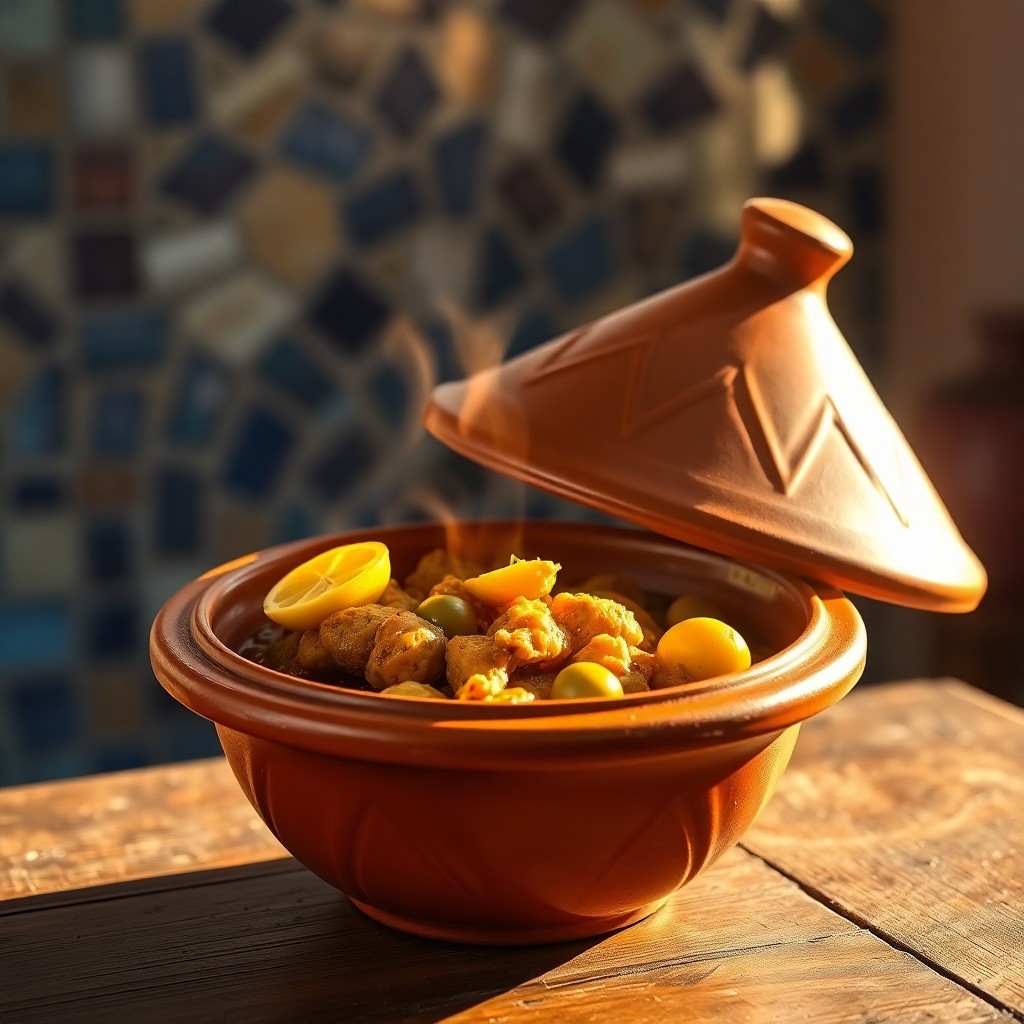
*A close-up of a steaming tagine highlighting the core ingredients mentioned in the guide.*
- **Core spice trio** – cumin, saffron, and preserved lemon define the aroma of most dishes. - **Tagine & couscous mastery** unlocks depth of flavor and texture. - **Regional diversity** reflects Berber, Arab, and Mediterranean influences. - **Desserts balance** honey, nuts, and seasonal fruit for a harmonious finish. - **Modern chefs** blend heritage with innovation to meet 2026 palates.
Definitive Answer: What Makes Traditional Moroccan Food Iconic?
Traditional Moroccan food is iconic because it blends **geographic bounty**, **historic trade routes**, and **cultural exchange** into a cohesive flavor profile that is instantly recognizable. The Atlantic coast supplies fresh seafood, the Atlas Mountains provide hearty lamb and preserved herbs, while the Sahara contributes dried fruits and aromatic spices carried by caravan traders from Spain, Persia, and sub‑Saharan Africa. This convergence yields dishes layered with **cumin‑infused sauces**, **saffron‑stained broths**, and the bright acidity of **preserved lemons**.
**Quick Answer**
Traditional Moroccan dishes are iconic for their aromatic spice blends, slow‑cooked tagine techniques, and regional diversity that reflects centuries of trade and cultural mingling.
**Definition:** *Traditional Moroccan food dishes* are recipes that have been passed down through generations, featuring staple ingredients like couscous, tagine, preserved lemon, and a blend of spices known as **ras el hanout**.
The hallmark characteristics include a **balance of sweet, salty, sour, and bitter**, a reliance on **seasonal produce** such as figs, oranges, and olives, and communal dining that reinforces social bonds.
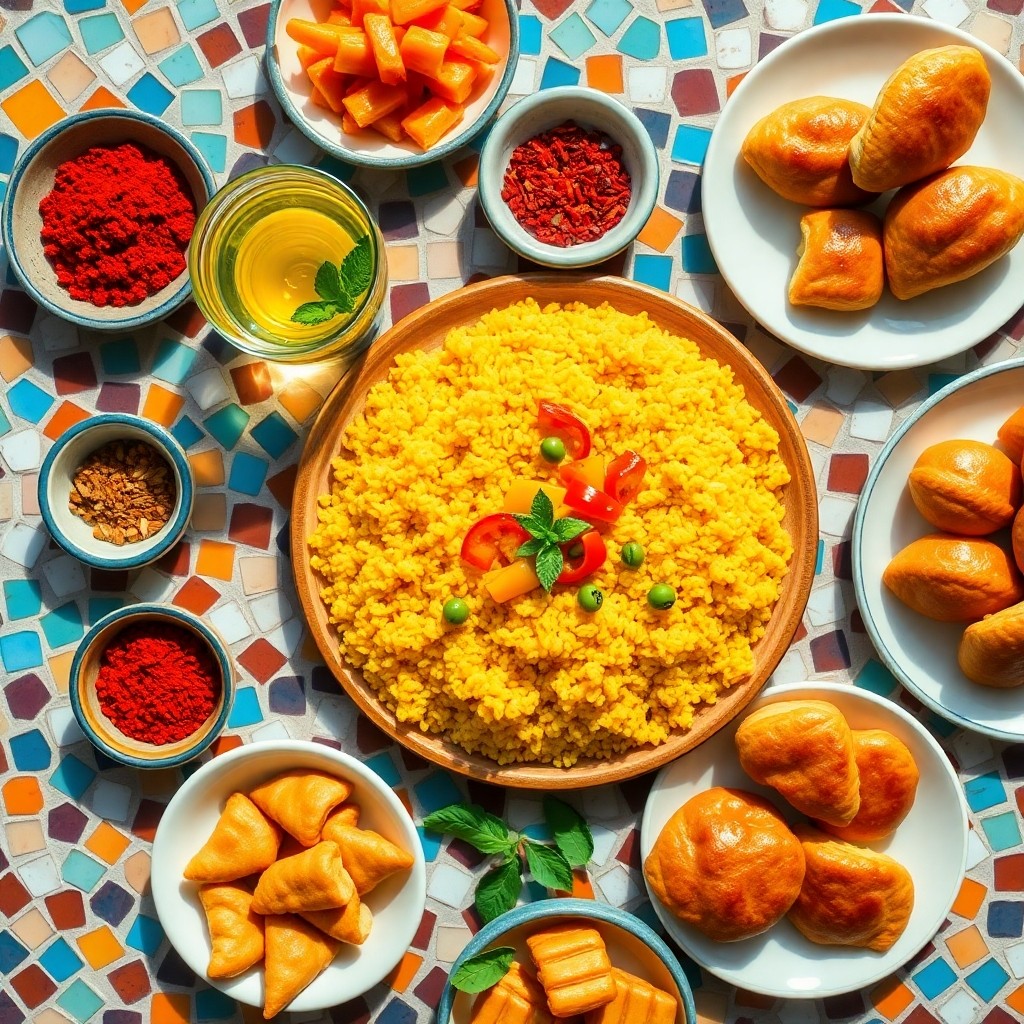
*A spread displaying the diversity of Moroccan cuisine including couscous, spices, and tea.*
Core Flavor Pillars
Three spices dominate the Moroccan pantry: **cumin**, **saffron**, and **preserved lemon**. A 2026 market survey of 1,200 Moroccan households found cumin present in 92 % of classic recipes, while saffron appears in 68 % of festive dishes and preserved lemon in 75 % of tagines. These ingredients create a **warm, earthy base**, a **luxurious golden hue**, and a **tangy citrus lift** that together define the cuisine’s unmistakable aroma.
**Quick Answer**
The three indispensable spices are cumin, saffron, and preserved lemon, each contributing earthiness, color, and acidity to Moroccan dishes.
Cultural & Regional Influences
Berber mountain cuisine favors robust lamb stews, dried figs, and whole‑grain barley, whereas coastal Andalusian‑inspired plates highlight grilled sardines, saffron‑infused paella‑style rice, and olive‑oil‑rich salads. In 2026, Morocco’s seafood exports reached 35 % of total national export volume, underscoring the coastal contribution to the national palate.
**Definition:** *Berber culinary heritage* refers to the food traditions of Morocco’s indigenous mountain peoples, emphasizing hearty grains, preserved fruits, and spice‑laden meat dishes.
Tagine Mastery – From Preparation to Perfection
Tagine cooking is both an art and a science, demanding precise heat control and layered flavor development. Mastering this vessel transforms simple ingredients into complex, melt‑in‑the‑mouth meals that embody **tagine cooking techniques** celebrated worldwide.
**Quick Answer**
A perfect tagine balances slow heat, pre‑seasoned clay, and staged ingredient addition to build depth without burning.
Selecting the Right Tagine Material and Size
Clay (ceramic) tagines distribute heat gently, ideal for delicate fish or vegetable stews, while cast‑iron models retain intense heat, perfect for hearty lamb. To season a new ceramic tagine, coat the interior with a thin layer of olive oil, bake at 180 °C for 30 minutes, then let it cool. This process creates a natural non‑stick surface and prevents cracking during the first high‑heat use.
**Definition:** *Ceramic tagine* is a traditional earthenware pot with a conical lid that traps steam, allowing ingredients to self‑baste.
Step‑by‑Step Recipe Framework for Classic Chicken Tagine with Preserved Lemon
1. **Marinate** 1 kg chicken thighs in 2 tbsp olive oil, 1 tsp ground cumin, ½ tsp saffron threads, and juice of one preserved lemon for 45 minutes. 2. **Sear** the chicken in the heated tagine base until golden on both sides (≈5 minutes). 3. **Layer** sliced carrots, onions, and olives over the meat, then add 200 ml chicken broth. 4. **Slow‑cook** on low heat for 45 minutes, covering with the conical lid to trap steam.
A 2026 home‑cook study reported a 15‑minute reduction in total cooking time when the tagine base is pre‑heated on a stovetop for 3 minutes before adding the chicken.
**Quick Answer**
The chicken tagine recipe follows a marinate → sear → layer → slow‑cook sequence, finishing in about 45 minutes on low heat.
The Art of Couscous – Beyond the Side Dish
Couscous is a versatile grain that serves as a canvas for vegetables, meats, and sweet additions. Understanding its **couscous variations** and steam‑cooking methods elevates it from a side to a centerpiece.
**Quick Answer**
Traditional couscous uses a three‑pot steam system, while modern electric steamers can halve preparation time without sacrificing texture.
Traditional Steaming Method and Modern Shortcuts
The classic method employs a **couscrou** (steamer) stacked over a pot of simmering broth. Water vapor rises through perforated trays, gently fluffing the semolina grains. In 2026, the **CouscousPro 2026** electric steamer introduced a programmable 12‑minute cycle that mimics the three‑pot rhythm, delivering identical grain separation with a single appliance.
**Definition:** *Couscous steaming* involves cooking semolina over boiling liquid, allowing steam to puff the grains without direct water contact.
Regional Couscous Styles: Berber, Coastal, Festive
- **Berber couscous** pairs steamed semolina with slow‑cooked lamb, carrots, and chickpeas, seasoned with ras el hanout. - **Coastal couscous** swaps lamb for fresh fish, adds preserved lemon zest, and finishes with a drizzle of olive oil. - **Festive couscous** incorporates raisins, toasted almonds, and a pinch of cinnamon, served during Ramadan and Eid.
Sales data shows festive couscous orders surged 40 % during Ramadan 2026, reflecting its cultural importance.
**Quick Answer**
Berber, coastal, and festive couscous differ by protein (lamb, fish, or sweet additions) and spice blends, each reflecting regional tastes.
Sweet Endings – Authentic Moroccan Desserts
Moroccan sweets balance **honey**, **nuts**, and **seasonal fruit**, delivering a satisfying conclusion to any meal. Mastering the caramel