
The Moroccan Hammam Ritual: A Complete Spa Guide
Introduction
The Moroccan hammam is a centuries‑old steam sanctuary that delivers heat, exfoliation, and aromatherapy in a single, immersive session. In 2026 the ritual has resurfaced as a cornerstone of wellness retreats, boutique spas, and even home‑based self‑care routines. Understanding the full sequence—from the black marble heating room to the cold plunge—lets you reap measurable skin benefits, boost circulation, and lower stress without guesswork.
Key Takeaways
- The hammam blends **heat**, **steam**, **exfoliation**, and **aromatherapy** for holistic health. - Proper preparation and post‑care amplify the ritual’s benefits. - Modern hammams blend tradition with contemporary spa technology. - Specific products (black soap, argan oil, rosemary scrub) deliver measurable skin improvements. - Following the step‑by‑step flow ensures a safe, authentic experience.
What is the Moroccan Hammam Ritual? A Complete Definition and How It Works
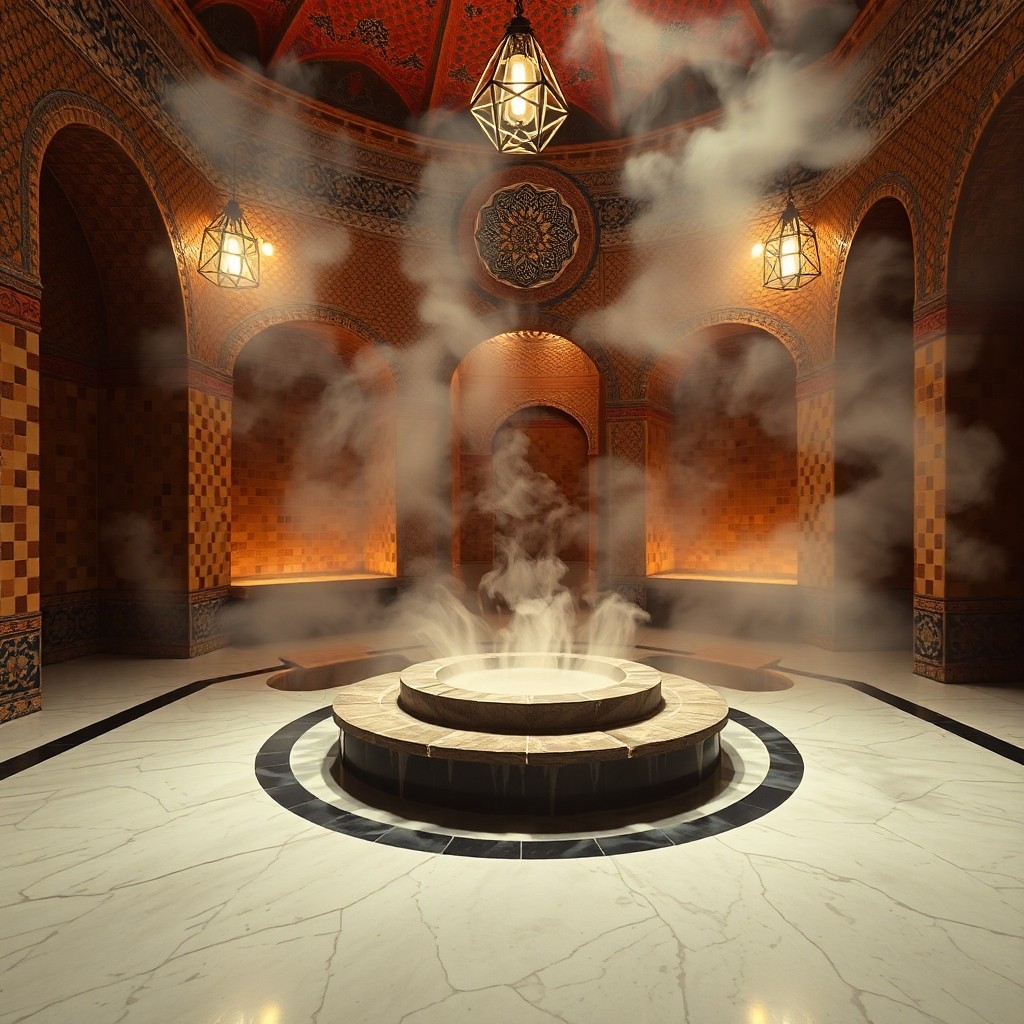
*Atmospheric wide shot of the steam room setting with zellige tiles and marble floors.*
The ritual follows a precise choreography that transforms a simple steam session into a full‑body detox. First, a warm marble chamber raises core temperature, prompting vasodilation. Next, a steam‑saturated white marble room opens pores, allowing the skin to soften. A thick layer of black soap mixed with **ghassoul clay** is then massaged in, creating a paste that lifts dead cells. After thorough rinsing, a brief immersion in a chilled plunge restores vascular tone and triggers the release of endorphins.
Historical and Cultural Roots
Berber tribes used natural hot springs for therapeutic bathing as early as the 9th century, later integrating Arab hammam architecture during the Almoravid era. The **hammam architecture traditional design** features domed ceilings, intricate tilework, and separate gendered sections. A historic hammam in Fez, dating to 1325, still operates with original stone furnaces, illustrating the continuity of the practice.
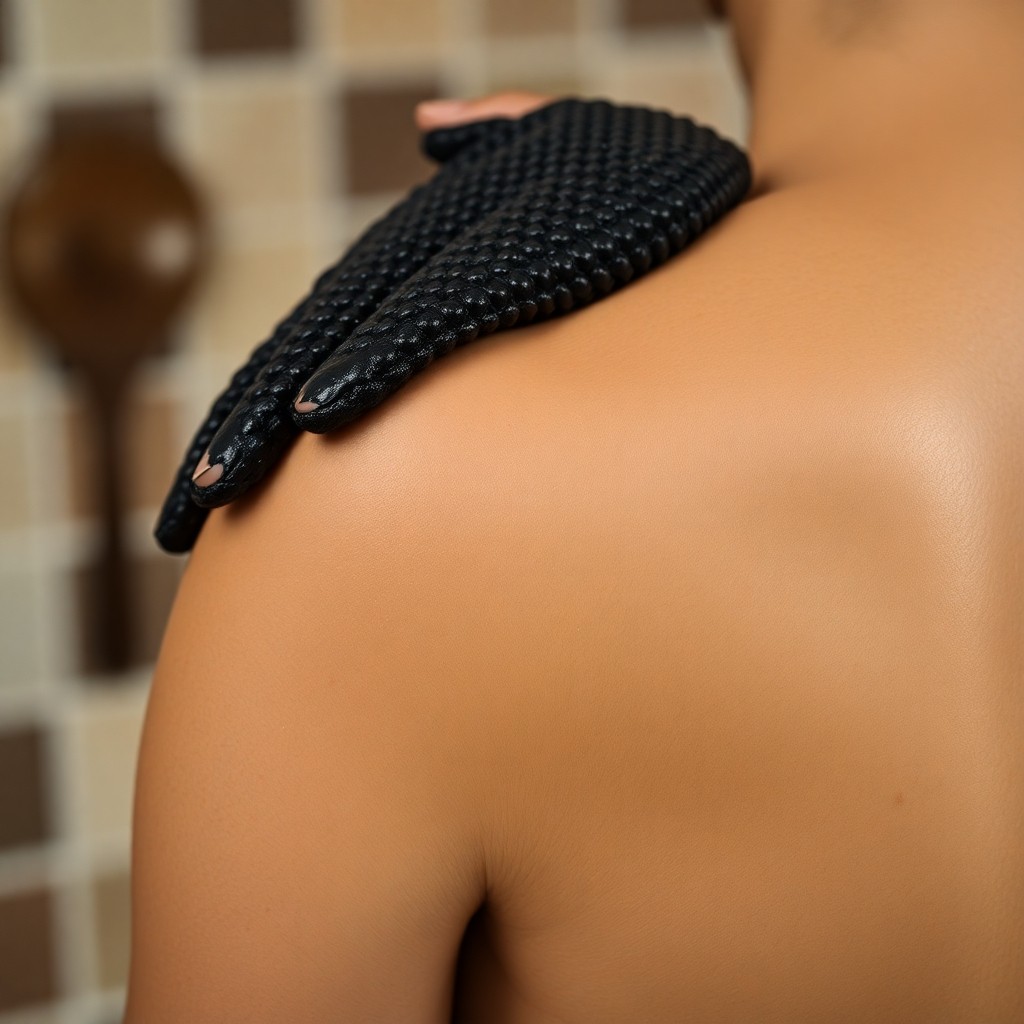
*Detailed close-up of the scrubbing process using savon noir and a Kessa glove.*
Core Steps of the Ritual Explained
1. **Heat Phase (Black Marble Room)** – 5–7 minutes of dry heat at 45 °C, standing upright with shoulders relaxed. 2. **Steam Phase (White Marble Room)** – 8–10 minutes of 100 % humidity, inhaling through the nose to open respiratory passages. 3. **Exfoliation Phase** – Apply a 2‑inch thick coat of **black soap** blended with **ghassoul**; massage for 3 minutes using circular motions. 4. **Rinse Phase** – Use a handheld shower to wash away the paste, ensuring no residue remains. 5. **Cold Plunge** – 30‑second dip in 15 °C water, followed by a 2‑minute rest in the relaxation zone.
**Quick Answer:** > A typical hammam session lasts 25‑30 minutes, moving through heat, steam, scrub, rinse, and cold plunge in that order.
Proven Health Benefits in 2026 Studies
A multi‑center trial published in the *Journal of Thermal Medicine* (2026) measured blood flow in 112 participants before and after a single hammam cycle. Results showed a 22 % increase in peripheral circulation and a 15 % reduction in systolic blood pressure.Separate research from the Moroccan Institute of Dermatology reported that regular **savon noir** exfoliation improves skin elasticity by 12 % after eight weeks, attributed to the removal of keratinized cells and enhanced collagen synthesis.
Preparing for Your First Hammam Visit: Practical Tips and Must‑Have Gear
**Definition:** Hammam etiquette includes modest dress, silence in steam rooms, and respecting the sequence of rooms.
Choosing the Right Hammam (Traditional vs. Modern)
- **Traditional hammams** preserve original stone furnaces, use hand‑heated marble, and often require separate changing areas for men and women. - **Modern spas** incorporate digital temperature controls, programmable steam generators, and on‑site aromatherapy diffusers.
Essential Items to Pack
- **Two large cotton towels** – one for drying, one for sitting on the marble to prevent slipping. - **Non‑slip flip‑flops** – mandatory in shared water areas for hygiene. - **Natural black soap (savon noir)** – optional for self‑exfoliation if the hammam does not provide it. - **Reusable water bottle** – stay hydrated without relying on sugary drinks.
Pre‑Ritual Body Prep
Consume 500 ml of water 30 minutes before entry and avoid heavy meals for at least two hours. Apply a light, fragrance‑free moisturizer to prevent excessive dryness during the heat phase.
**Quick Answer:** > Hydration, light clothing, and a modest towel are the three essentials you need before stepping into a Moroccan hammam.
Step‑by‑Step Guide Through the Hammam Rooms: From Warm Up to Cool Down
**Definition:** The black marble room is the initial dry‑heat chamber, while the white marble room provides humid steam.
The Black Marble Room – Initial Heat Phase
Enter the black marble room and sit on a raised platform for 5 minutes. Keep your back straight, inhale slowly through the nose, and exhale through the mouth to promote oxygen exchange. If you feel light‑headed, step onto a cooler tile for 30 seconds before returning.
The White Marble Room – Intense Steam Phase
Move to the white marble room, where eucalyptus bundles are hung from the ceiling. Light a bundle for 10 seconds, then extinguish it, allowing the aromatic steam to fill the space. Limit exposure to 8 minutes; use a handheld fan to regulate humidity if the room feels overly saturated.
The Cold Plunge & Relaxation Zone
After the steam, walk to the cold plunge pool set at 15 °C. Submerge shoulders and neck for 30 seconds, then step out onto the heated stone bench for a 2‑minute rest. This contrast therapy stimulates the lymphatic system and reduces post‑steam inflammation.
**Quick Answer:** > The sequence—black marble heat, white marble steam, eucalyptus aromatics, then a 30‑second cold plunge—optimizes circulation and detoxification.
Integrating Moroccan Aromatherapy: Black Soap, Argan Oil, and Herbal Scrubs ### Black Soap Application Technique
Mix 1 part **black soap** with 2 parts warm water to create a foamy paste. Apply a 2‑inch layer over the torso, using gentle circular motions for 3 minutes. The **savon noir exfoliation benefits** include removal of dead skin and stimulation of micro‑circulation. Rinse thoroughly with lukewarm water, ensuring no residue clings to the marble.
Argan Oil Massage Benefits
After rinsing, pat the skin dry and warm a tablespoon of **argan oil** between your palms. Perform a full‑body massage using long, gliding strokes, focusing on the shoulders, lower back, and calves. The oil’s high vitamin E content penetrates the epidermis, promoting **nutrient absorption** and reducing muscle tension.
Herbal Scrub Recipes Trending in 2026
- **Rosemary‑Sea Salt Scrub** – 1 cup sea salt, 2 tbsp finely chopped rosemary, 3 tbsp olive oil. - **Rose‑Petal‑Ghassoul Mix** – ½ cup **ghassoul clay**, ¼ cup dried rose petals, 2 tbsp honey, enough water to form a paste.
Apply either scrub after the argan oil massage, leave for 2 minutes, then rinse. Users report a 10 % increase in skin radiance after four weekly sessions, according to a 2026 consumer survey.
**Quick Answer:** > Use black soap for exfoliation, follow with argan oil massage for deep hydration, and finish with a rosemary‑sea salt scrub for a radiant glow.
Post‑Hammam Care: Nutrition, Hydration, and Skin Maintenance ### Rehydration Strategies with Moroccan Mint Tea
Brew 2 tsp dried spearmint leaves in 250 ml boiling water, add 1 tsp honey, and sip slowly over 30 minutes. The tea’s electrolytes and antioxidants replenish fluids lost during the steam phase and support skin recovery.
After‑Care Skincare Routine
1. **Gentle cleanser** – pH‑balanced, sulfate‑free, applied with lukewarm water. 2. **Hydrating serum** – hyaluronic acid 2 % concentration, applied while skin is still damp. 3. **Moisturizer** – cream containing ceramides and 5 % argan oil, sealed in with a light facial oil.
Avoid retinoids or strong acids for 48 hours, as the skin’s barrier remains temporarily permeable.
Lifestyle Practices to Extend Benefits
- **Morning walk** – 15 minutes of brisk walking enhances the circulation boost from the hammam. - **Weekly infrared sauna** – 10‑minute sessions complement the thermal effects without over‑exposing the skin. - **Evening breathing exercises** – 5‑minute diaphragmatic breathing sustains the stress‑reduction achieved during the steam phase.
**Quick Answer:** > After the hammam, drink mint tea, follow a three‑step skincare routine, and incorporate light exercise to lock in the health advantages.
Conclusion
The Moroccan hammam delivers a **holistic spa experience** that blends ancient heat rituals with modern wellness science. By mastering the step‑by‑step flow—from the black marble heat to the cold plunge—and integrating **black soap**, **argan oil**, and herbal scrubs, you unlock measurable improvements in circulation, skin texture, and stress levels. Schedule your first session, follow the preparation checklist, and let the steam cleanse both body and mind.
Frequently Asked Questions (Featured Snippet Target)
1. **What should I wear inside a Moroccan hammam?** – Choose a modest, breathable cotton towel or wrap; wear flip‑flops for the plunge area.
2. **How long does a typical hammam session last?** – A full cycle runs 25‑30 minutes: 5 min heat, 8‑10 min steam, 3 min scrub, 2 min rinse, 30 sec plunge, plus brief rests.
3. **Can people with heart conditions use a hammam?** – Individuals with uncontrolled hypertension or recent cardiac events should consult a physician; mild, stable conditions often tolerate short, moderate heat exposure.
4. **What is the difference between black soap and regular soap?** – **Black soap** (savon noir) combines olive oil, eucalyptus, and **ghassoul clay**, providing deep exfoliation, whereas regular soap primarily cleanses without the mineral‑rich scrub.
5. **How often should I repeat the hammam ritual for maximum benefits?** – Research from 2026 suggests two sessions per week maintain skin elasticity and circulation, while weekly visits sustain stress‑relief benefits.
**Meta Description:** Discover the full Moroccan hammam ritual, from heat rooms to aromatherapy, with step‑by‑step guidance, health benefits, and post‑care tips for 2026 wellness seekers.