
The Magic Of Argan Oil: Morocco'S Liquid Gold
Meta Description
Unlock the secrets of argan oil — Morocco's legendary liquid gold. Discover traditional harvesting methods, proven skin benefits, culinary uses, beauty rituals, and how argan oil empowers women's cooperatives.
Introduction
In the heart of Morocco, a treasure has been cherished for centuries. Known as "liquid gold," this precious oil is extracted from the argan tree and has served as a cornerstone of Moroccan culture. Its rich, velvety texture and profound impact on skin, hair, and overall well-being have earned it global recognition. Beyond personal care, argan oil carries significant economic and nutritional value for the communities that produce it. The journey from argan seed to finished bottle tells a story of tradition, sustainability, and community empowerment.
1. From Seed to Bottle: The Traditional Harvesting Ritual
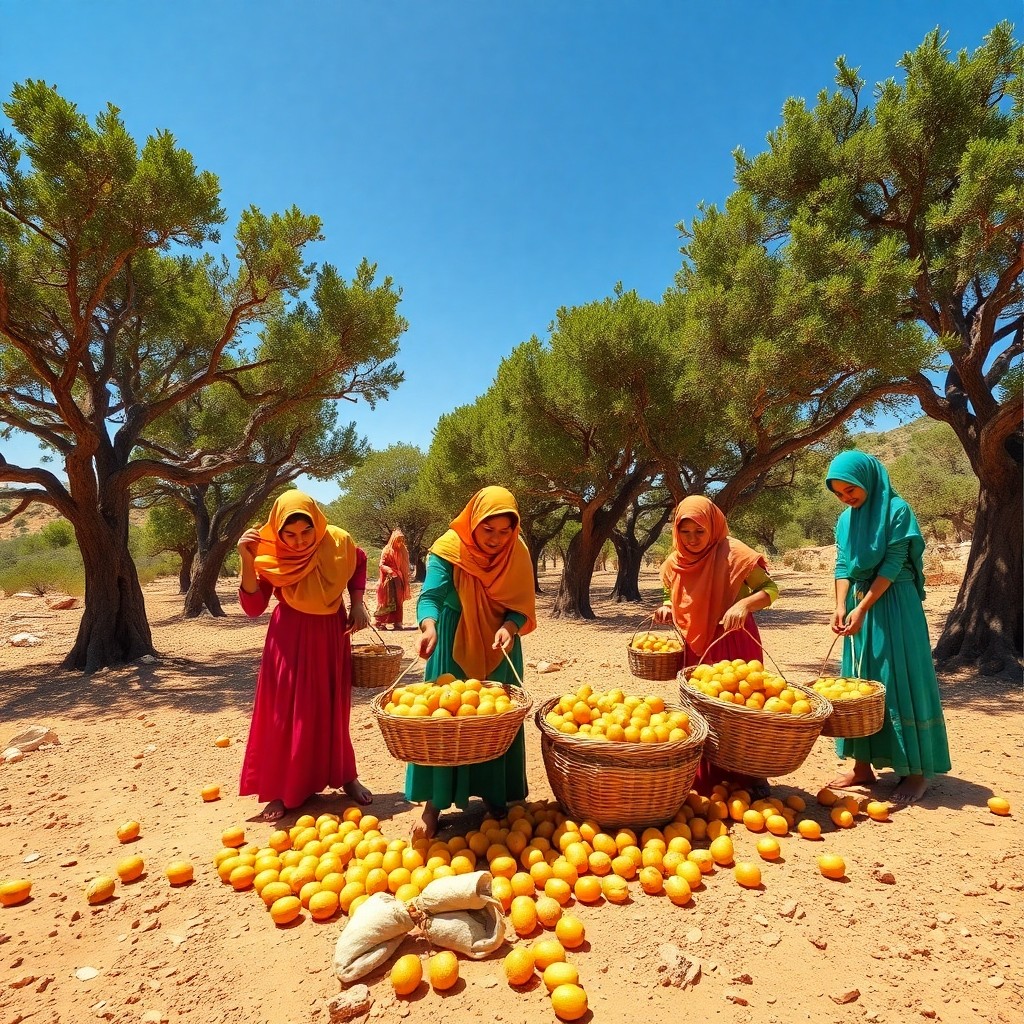
The traditional harvesting of argan oil is an artisanal process passed down through generations. It begins with the careful selection and collection of argan nuts, typically during the summer months when the nuts are ripe and ready to be picked. This process is often carried out by local cooperatives that practice sustainable argan oil production methods, ensuring that the argan trees are protected and the environment is preserved. For authentic Kenzadi Moroccan crafts, consider exploring local markets and cooperatives.
1.1 Harvesting by Hand: The "Tazrart" Method
The Tazrart method involves collecting the fallen argan fruits from the ground. This is usually done by women, who then crack open the nuts to extract the seeds. The women's cooperative in Morocco follows a strict harvesting schedule to ensure the highest quality argan seeds. The seeds are then carefully selected, cleaned, and prepared for the next step in the production process. The Tazrart method is a time-honored technique that requires patience and skill, as each nut must be cracked by hand using traditional stone tools to preserve the integrity of the kernel inside.
1.2 Cold-Pressing Techniques
After the seeds are extracted, they undergo a cold-pressing process. This involves grinding the seeds into a paste and then pressing it to extract the oil. The cold-pressing technique is crucial as it preserves the nutritional value and the distinctive flavor of the argan oil. To cold-press argan seeds, one would typically follow these steps: grind the seeds into a fine paste, place the paste into a hydraulic press, and slowly apply pressure to extract the oil without generating heat. This method ensures that heat-sensitive compounds like vitamin E and essential fatty acids remain intact, delivering a superior product.
1.3 Sustainability & Community Impact
The cultivation and harvesting of argan trees have a significant impact on the environment and local communities. For every hectare of argan trees, approximately 30 jobs are created, contributing to the local economy. This not only empowers women but also helps in preserving the argan forest, which is a vital part of Morocco's biodiversity. The argan forest acts as a natural barrier against desertification, protecting the region's ecosystem while providing a sustainable livelihood for thousands of families. You can find high-quality Argan'It natural beauty products and learn more about the argan oil production process.
2. Nutritional Powerhouse: Micronutrients that Transform Skin & Hair
Argan oil is a nutritional powerhouse, rich in micronutrients such as vitamin E and essential fatty acids. Its composition includes oleic, linoleic, and stearic acids, which are vital for maintaining healthy skin and hair. The vitamin E and fatty acid profile of argan oil make it an excellent antioxidant, capable of protecting the skin from damage caused by free radicals.
2.1 Vitamin E & Fatty Acid Profile
The composition of argan oil is approximately 45% oleic acid, 35% linoleic acid, and 5% stearic acid, with a high content of vitamin E. This unique blend of fatty acids and antioxidants contributes to its moisturizing and protective properties. The high levels of vitamin E in argan oil also make it an effective ingredient in reducing inflammation and improving skin elasticity. Linoleic acid, in particular, helps strengthen the skin's natural moisture barrier, preventing water loss and maintaining hydration throughout the day.
2.2 Antioxidant Synergy
Recent studies have shown that argan oil has higher antioxidant activity compared to other plant oils. For example, a study published in the Journal of Nutrition found that argan oil exhibited significant antioxidant synergy, making it an effective ingredient in skincare products. The antioxidant properties of argan oil can help protect the skin from environmental stressors, such as UV radiation and pollution. Tocopherols and polyphenols work together to neutralize free radicals before they can cause cellular damage.
2.3 Clinical Evidence: 20% Improvement in Skin Elasticity
Clinical trials have demonstrated the efficacy of argan oil in improving skin elasticity. A 12-week clinical trial showed a 20% improvement in skin elasticity in participants who used argan oil compared to those who used a placebo. This improvement was measured using a skin elasticity test, highlighting the potential of argan oil in anti-aging skincare. Participants also reported improved skin hydration and a reduction in the appearance of fine lines and wrinkles over the study period.
3. Culinary Gold: How to Infuse Moroccan Flavors into Everyday Cooking
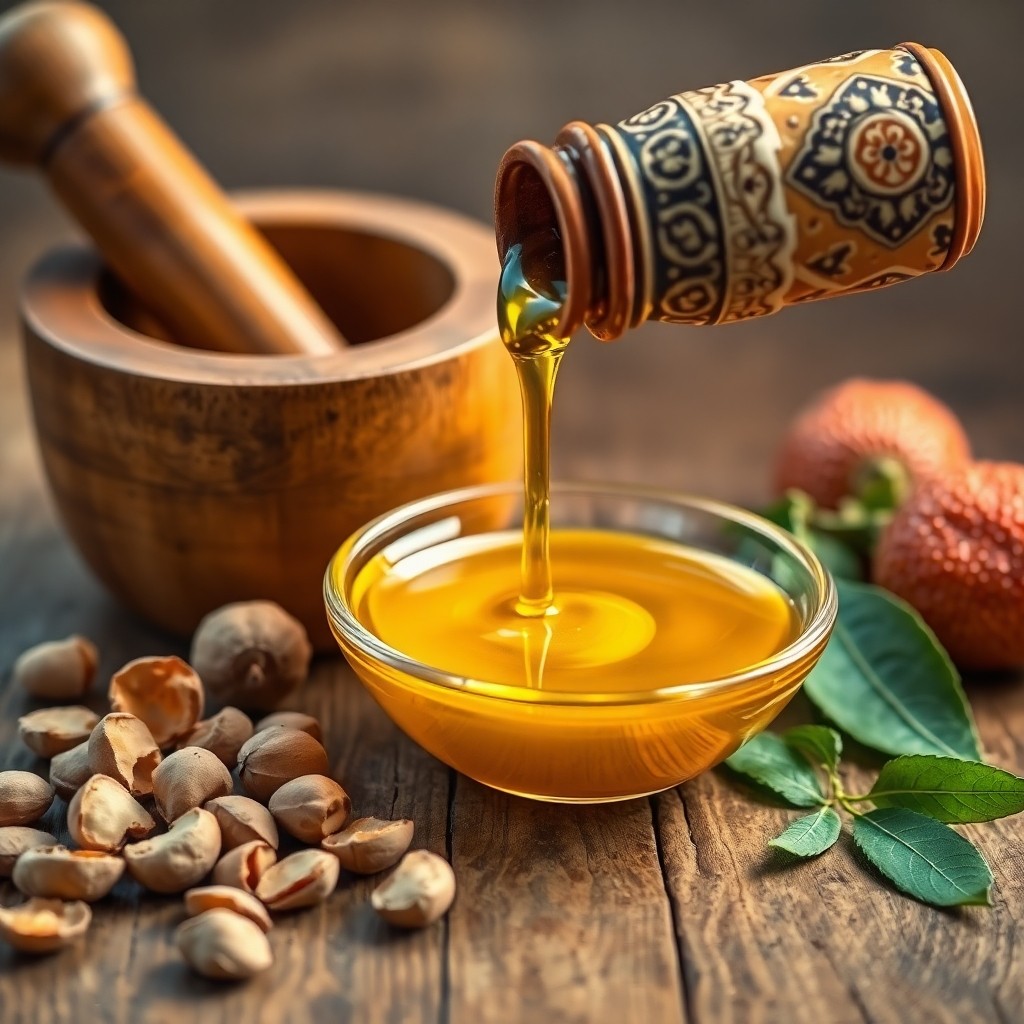
Argan oil is not only a treasure for the skin and hair but also a culinary delight. Its rich, nutty flavor makes it an excellent addition to various dishes, from salads to desserts. When cooking with argan oil, it's essential to use it in moderation due to its distinct flavor and high nutritional value. Culinary-grade argan oil is specifically prepared for consumption and has a deeper, more pronounced nuttiness than cosmetic-grade varieties.
3.1 Dressings & Marinades
One of the simplest ways to incorporate argan oil into your diet is through salad dressings and marinades. A recipe for a lemon-olive-argan vinaigrette could include 2 tablespoons of lemon juice, 1 tablespoon of olive oil, and 1 teaspoon of argan oil, mixed together and seasoned with salt and pepper. This vinaigrette can be used as a dressing for salads or as a marinade for grilled meats and vegetables. For a Moroccan-inspired twist, add a pinch of cumin and a drizzle of honey to the mixture.
3.2 Dessert Infusions
Argan oil can also be used in dessert recipes, such as argan-infused honey ice cream. This involves mixing argan oil with honey and heavy cream, then freezing the mixture to create a unique and delicious dessert. The argan oil adds a rich, nutty flavor to the ice cream, making it a perfect treat for special occasions. Another popular option is drizzling a small amount of argan oil over warm almond pastilla or mixing it into a traditional Moroccan almond cookie dough for added richness.
3.3 Safety: Dosage & Storage
When using argan oil for culinary purposes, it's crucial to follow proper storage instructions and recommended daily dosages. Argan oil should be stored in a cool, dark place to preserve its nutritional value. Exposure to light and heat can degrade the oil's beneficial compounds over time. The recommended daily dosage for culinary use is approximately 1-2 teaspoons per day. Always purchase culinary-grade argan oil specifically labeled for consumption, as cosmetic-grade products may not meet food safety standards.
4. Beauty Rituals: Step-by-Step Guide to Maximizing Argan Oil's Radiance
Argan oil is a versatile beauty product that can be used for both skin and hair care. Its rich moisturizing properties make it an excellent ingredient for facial serums and hair conditioners. The oil absorbs quickly without leaving a greasy residue, making it suitable for all skin types, including oily and acne-prone complexions.
4.1 Hair Conditioning Routine
To maximize the benefits of argan oil for hair, follow this comprehensive five-step routine:
1. Begin with a pre-wash treatment by applying argan oil to dry hair and leaving it for 30 minutes. 2. Shampoo thoroughly to remove any excess oil. 3. Follow with a conditioner to restore moisture. 4. Apply a leave-in argan oil treatment to damp hair for ongoing protection. 5. Finish with a hair serum for added shine and protection.
This routine helps in nourishing and protecting the hair from damage caused by heat styling, environmental exposure, and chemical treatments. For deep conditioning, warm 3-4 drops of argan oil between your palms and work through the ends of your hair before bed.
4.2 Facial Serum Application
For a nighttime facial serum application, apply 2-3 drops of argan oil to your face, gently tapping it into the skin. This helps in moisturizing and protecting the skin while you sleep. Start with a clean, slightly damp face, warm the oil between your fingertips, and press it into your skin using upward motions. Focus on areas prone to dryness, such as the cheeks and forehead. The oil works overnight to repair and regenerate skin cells, leaving your complexion smoother and more radiant by morning.
4.3 DIY Spa Kit
To create a DIY spa kit, gather ingredients such as argan oil, sugar, and essential oils. Mix these ingredients to create a body scrub, facial mask, or hair treatment. For example, a DIY argan oil body scrub recipe could include 1 cup of sugar, 1/2 cup of coconut oil, and 2 tablespoons of argan oil. For a hydrating facial mask, combine 1 tablespoon of argan oil with 1 tablespoon of honey and 1 teaspoon of plain yogurt. Apply to clean skin, leave for 15 minutes, and rinse with warm water for a glowing complexion.
5. Economic Impact: Empowering Women & Preserving Moroccan Heritage
The argan oil market has a significant economic impact on Morocco, particularly in empowering women and preserving the country's heritage. Women's cooperatives play a crucial role in the production of argan oil, providing employment opportunities and contributing to the local economy. These cooperatives have transformed rural communities by offering women financial independence and educational opportunities that were previously unavailable.
5.1 Women Cooperatives & Fair Trade
A case study of the women's cooperative in Morocco shows that by practicing fair trade and sustainable production methods, these cooperatives can increase the income of local women by up to 50%. This not only empowers women but also helps in preserving the argan forest and promoting Moroccan heritage. Many cooperatives reinvest profits into community programs, including literacy classes, healthcare initiatives, and children's education. The fair trade model ensures that women receive equitable compensation for their labor, breaking cycles of poverty while maintaining centuries-old traditions that define Moroccan identity.
Argan oil represents far more than a single product — it embodies tradition, sustainability, and community resilience. From its meticulous traditional harvesting methods to its clinically proven benefits for skin elasticity, from its versatility in Moroccan cuisine to its transformative impact on women's livelihoods, argan oil stands as a remarkable natural resource. Whether you seek to enhance your skincare routine, explore authentic Moroccan flavors, or support ethical and sustainable production, argan oil offers something truly exceptional. Embrace this liquid gold and experience the centuries of Moroccan heritage contained in every drop.