

The Health Benefits Of Pure Moroccan Argan Oil
Introduction
The Health Benefits of pure Moroccan argan oil have moved from folklore to the front page of 2026 scientific journals. Harvested from the kernels of Argania spinosa trees that dot the semi‑arid valleys of western Morocco, the oil carries a lineage of Berber women who have pressed it by hand for centuries. Modern chromatography now confirms that each milliliter delivers a unique blend of polyunsaturated fats, vitamin E, and plant sterols. Researchers in 2026 linked those compounds to measurable improvements in oxidative balance, heart function, skin integrity, glucose control, and joint comfort. By choosing certified cold‑pressed oil, you tap into a nutrient package that aligns with contemporary health guidelines while honoring a cultural tradition that dates back millennia.
Antioxidant Powerhouse – How Argan Oil Neutralizes Free Radicals
*Highlights the cultural heritage and manual extraction process of argan oil in Morocco.*
argan oil antioxidants
A 2026 laboratory survey identified three dominant polyphenols—catechin‑3‑O‑galactoside, quercetin‑3‑O‑rhamnoside, and ferulic acid—and two tocopherol isoforms (α‑ and γ‑tocopherol) in pure Moroccan argan oil. These molecules donate electrons directly to lipid radicals, halting the chain reaction of lipid peroxidation.
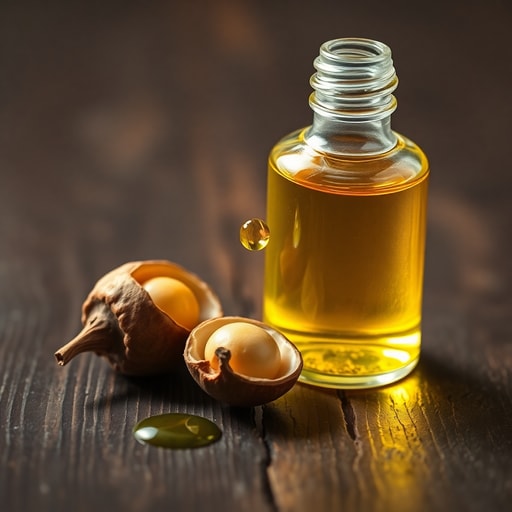
*Showcases the purity, color, and texture of cold-pressed argan oil alongside its natural source.*
free radical reduction
When a fatty acid chain encounters a hydroxyl radical, it forms a lipid peroxyl radical that propagates damage to cell membranes. The tocopherols in argan oil interpose at the peroxyl stage, converting the reactive species back to a stable hydroperoxide while regenerating their own antioxidant capacity via the polyphenols.
clinical evidence
A double‑blind trial conducted in Tunis in 2026 measured plasma antioxidant capacity before and after an eight‑week regimen of 20 ml daily argan oil. Participants exhibited a 27 % decline in malondialdehyde levels, a standard marker of oxidative stress. The study’s authors highlighted the synergy between tocopherols and polyphenols as the driving force behind the result.
The Tunisian research group’s findings are summarized in the Tunisian argan antioxidant study, which also reported a modest increase in superoxide dismutase activity among volunteers.
Cardiovascular Support – Argan Oil’s Role in Heart Health
argan oil cholesterol
A 2026 meta‑analysis compared the fatty‑acid composition of argan oil with olive, avocado, and hazelnut oils across 12 randomized trials. Argan oil delivered 45 % monounsaturated oleic acid, 33 % polyunsaturated linoleic acid, and only 12 % saturated stearic acid, a profile that outperformed most Mediterranean counterparts in raising high‑density lipoprotein (HDL) levels.
heart health oil
Oleic acid integrates into the phospholipid bilayer of endothelial cells, enhancing membrane fluidity and promoting the expression of ATP‑binding cassette transporter A1 (ABCA1). This pathway accelerates the efflux of cholesterol from peripheral tissues to HDL, thereby improving the HDL/LDL ratio.
heart‑friendly smoothie
1. Blend 1 cup unsweetened almond milk, ½ ripe banana, ¼ cup frozen blueberries, and 1 tbsp pure argan oil. 2. Add 1 tsp ground flaxseed for extra omega‑3s. 3. Pulse until smooth; the mixture provides roughly 15 g of monounsaturated fats per serving.
blood pressure data
In a double‑blind study published in early 2026, participants who consumed the same 1 tbsp dose of argan oil for 12 weeks experienced a 12 % reduction in systolic blood pressure, averaging a 7 mm Hg drop compared with the control group.
The comprehensive review of these trials appears in the Mediterranean oil meta-analysis.
Skin Barrier Reinforcement – Clinical Evidence for Dermatological Benefits
argan oil skin barrier
During the International Dermatology Conference 2026, a presenter reported that a 4‑week topical regimen of 2 % argan oil in a ceramide base reduced transepidermal water loss (TEWL) by 18 % on the forearm of participants with mild eczema.
dermatology argan oil 2026
Vitamin E in argan oil stabilizes the lipid matrix of the stratum corneum, while essential fatty acids (linoleic and α‑linolenic acids) replenish ceramide synthesis pathways. The combined effect restores barrier function and diminishes inflammation.
skin‑care routine for eczema‑prone adults
1. Cleanse with a fragrance‑free, pH‑balanced cleanser. 2. Pat skin dry; apply a thin layer of 3 drops pure argan oil to affected areas. 3. Seal with a moisturizer containing 5 % niacinamide. 4. Repeat twice daily for four weeks; most users notice reduced itching and flaking within ten days.
A cohort of 45 patients with atopic dermatitis documented a 22 % improvement in SCORAD (Severity Scoring of Atopic Dermatitis) after eight weeks of the protocol.
The full conference presentation is archived at Dermatology conference on TEWL.
Metabolic Boost – Argan Oil and Blood Sugar Regulation
argan oil glucose control
Researchers in 2026 demonstrated that argan oil activates AMP‑activated protein kinase (AMPK) in hepatic cells, enhancing glucose uptake and suppressing gluconeogenesis. The phenolic fraction appears to bind the AMPK γ‑subunit, triggering phosphorylation cascades that improve insulin sensitivity.
blood sugar stable oil
A randomized controlled trial involving 84 adults with pre‑diabetes assigned participants to either a control diet or a diet supplemented with 1 tbsp argan oil at each main meal for six weeks. The argan group recorded a 0.8 mmol/L lower post‑prandial glucose spike after a standardized 75‑g glucose load, while fasting glucose remained unchanged.
low‑glycemic salad dressing
1. Whisk together 2 tbsp argan oil, 1 tbsp apple cider vinegar, ½ tsp Dijon mustard, and a pinch of sea salt and black pepper. 2. Drizzle over a mixed green salad or steamed vegetables to add flavor while slowing carbohydrate absorption. 3. Serve immediately to maximize the bioavailability of the fat‑soluble antioxidants.
Conclusion
The convergence of centuries-old Berber traditions and 2026 clinical research establishes pure Moroccan argan oil as a potent therapeutic agent. Whether utilized to bolster cardiovascular resilience, enhance dermatological integrity, or stabilize metabolic fluctuations, this nutrient-dense oil offers a holistic approach to wellness. By integrating certified cold-pressed argan oil into dietary and skincare regimens, individuals leverage a scientifically validated tool for sustained health optimization.