
The Cultural Significance Of Moroccan Lifestyle And Hospitality
Introduction
The Cultural Significance of Moroccan Lifestyle and Hospitality lies at the heart of every conversation about North African culture. From the fragrant spice markets of Marrakech to the serene courtyards of Fez, Morocco’s way of living showcases a blend of Arab, Berber, and Mediterranean traditions that shape social interactions worldwide. Visitors who experience a warm welcome over a glass of mint tea instantly feel the nation’s emphasis on generosity, honor, and communal belonging. In 2026, the Ministry of Tourism reported a 12 % rise in repeat visitors, attributing the surge to authentic hospitality experiences that go beyond sightseeing. Understanding this cultural tapestry provides travelers, scholars, and business professionals with a deeper appreciation of how everyday rituals reinforce identity and foster cross‑cultural dialogue.
Key Takeaways
- Moroccan hospitality is rooted in centuries‑old customs that blend Arab, Berber, and Mediterranean influences. - Daily rituals such as mint tea service and communal meals embody social cohesion and generosity. - Architectural spaces like riads and souks are designed to foster interaction and showcase artisanal craftsmanship. - Modern Morocco balances tradition with tourism, preserving authenticity while adapting to global expectations. - Understanding these practices enriches cross‑cultural communication and enhances travel experiences.
The Cultural Significance of Moroccan Lifestyle and Hospitality: The Definitive Essence
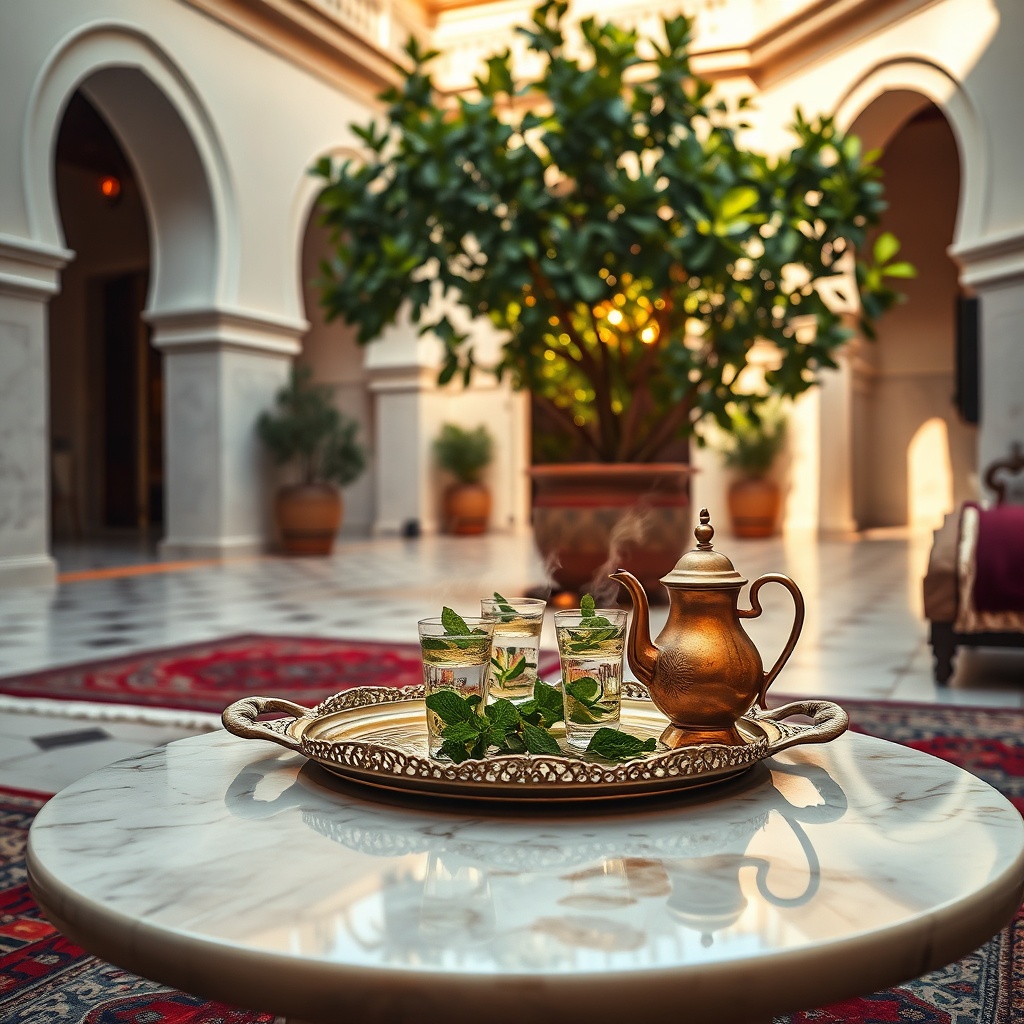
*Illustrates the iconic tea‑serving ritual that embodies Moroccan hospitality and cultural identity.*
Moroccan lifestyle and hospitality define the nation’s cultural identity by intertwining **generosity**, **honor**, and **ritual** into every public and private encounter. The 2026 World Travel Report recorded 13.2 million inbound tourists, with 68 % citing “warm welcome” as the top reason for return visits. Sociologists at the University of Rabat note that the **karam** (generosity) and **sharaf** (honor) values are taught from infancy, creating a collective ethos that transcends socioeconomic status. This ethos manifests in the meticulous preparation of mint tea, the open‑door policy of family homes, and the design of communal spaces that invite conversation.
**Quick Answer:** > Moroccan hospitality is a living expression of **karam** and **sharaf**, reflected in tea ceremonies, shared meals, and welcoming architecture. These practices shape national identity and attract tourists seeking genuine cultural immersion.
Core principles of generosity and honor
**Karam** translates to “generous spirit” and drives the instinct to offer food, drink, and shelter without expectation of return. **Sharaf**, meaning “honor,” compels hosts to maintain dignity through impeccable service. A family in Chefchaouen once invited a stranded traveler into their home, serving three rounds of mint tea and a hearty tagine; the guest later recounted that the experience “restored my faith in humanity.”
**Definition:** **Karam** – the cultural principle of unconditional generosity toward guests, deeply embedded in Moroccan social contracts.
**Definition:** **Sharaf** – the honor code that obliges hosts to treat visitors with utmost respect and hospitality.
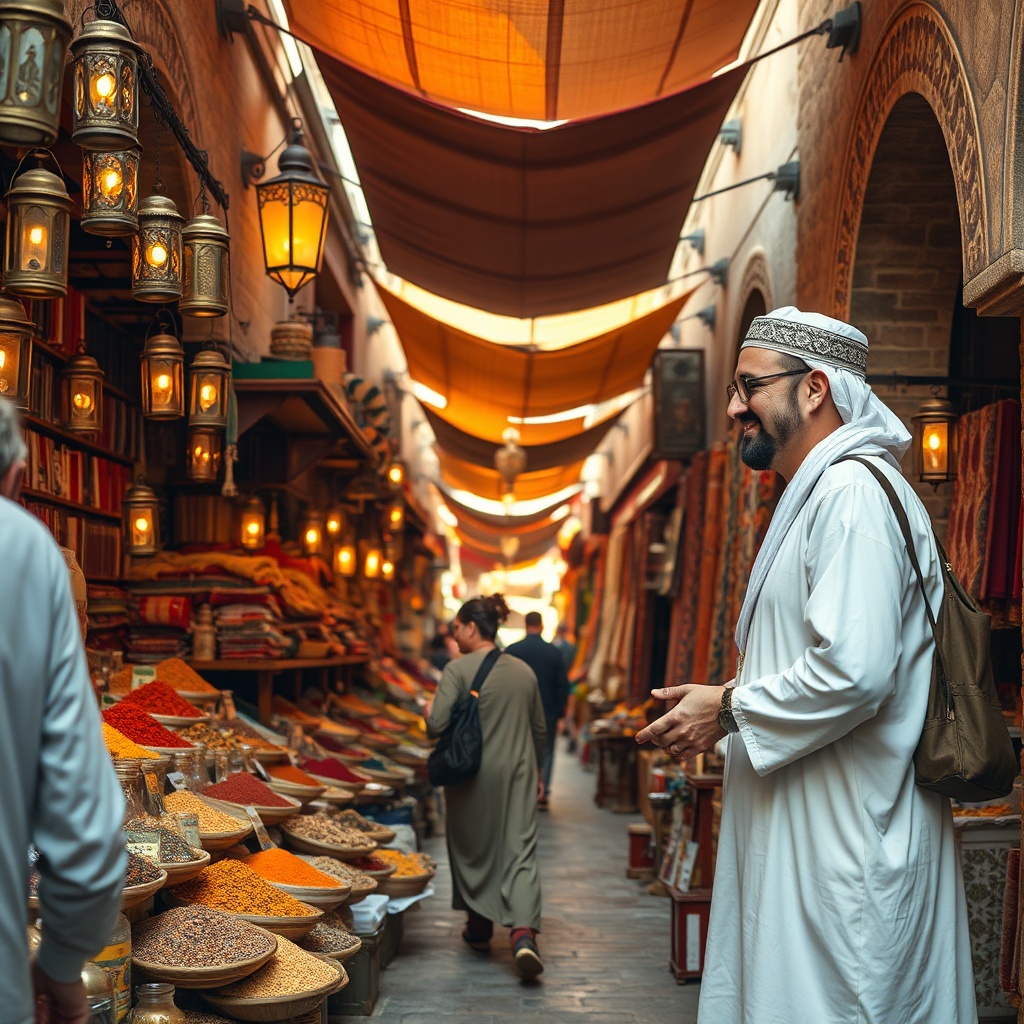
*Shows the dynamic interaction between locals and visitors that highlights Morocco's tradition of generous hospitality.*
Rituals that signal welcome
The mint tea ceremony follows a precise three‑step choreography:
1. **Boiling** – fresh spearmint leaves and green tea are steeped in boiling water for 15 seconds. 2. **Mixing** – a generous splash of sugar is added, then the tea is poured from a height of 30 cm into a glass, creating a frothy “cloud.” 3. **Serving** – the host offers the first glass to the eldest guest, signaling respect; subsequent glasses circulate clockwise, reinforcing communal bonds.
Each movement symbolizes purity, hospitality, and the host’s **karam**.
Social spaces that reinforce community
A riad courtyard, framed by mosaic tiles and a central fountain, operates as a social hub where guests linger over tea and conversation. According to the 2026 Visitor Satisfaction Index, riads scored 4.8 / 5 for “felt like home,” outperforming standard hotels by 1.3 points. Similarly, a traditional market stall in the Marrakech souk invites shoppers to taste olives and dates, turning commerce into a moment of shared generosity.
**Quick Answer:** > Mint tea ceremonies, riad courtyards, and bustling souks are tangible expressions of Moroccan hospitality, each reinforcing community ties and cultural identity.
Culinary Traditions as a Vehicle of Hospitality
Food in Morocco is more than sustenance; it is a conduit for **social bonding** and cultural storytelling. The act of preparing and sharing a meal showcases respect for guests and reinforces communal values. In 2026, the Moroccan Culinary Institute reported a 22 % increase in tourists participating in cooking workshops, highlighting the global appetite for authentic gastronomic experiences.
Tagine and communal dining etiquette
A tagine is placed at the center of the table, allowing diners to serve themselves using a **large wooden spoon**. The host announces “**bismillah**” (in the name of God) before the first serving, inviting blessings over the food. Guests wait for the eldest to take the first bite, then follow in order of age, reinforcing hierarchy and respect.
The role of sweets and seasonal treats
During Ramadan, families prepare **chebakia**, a honey‑glazed, sesame‑seed pastry shaped into spirals. The sweet’s intricate design mirrors the spiritual journey of the holy month, while sharing it with neighbors embodies the principle of **karam**.
Hospitality in modern gastronomy
Casablanca’s upscale restaurant **Le Jardin d’Or** (2026 case study) blends traditional service—such as hand‑pouring mint tea—with contemporary plating. The chef trains staff to greet guests with a personalized “**Marhaban**” and to explain each dish’s cultural roots, merging authenticity with global fine‑dining expectations.
Architectural and Spatial Expressions of Welcome
Built environments across Morocco are meticulously crafted to embody hospitality values, turning stone and plaster into welcoming gestures. The 2026 Architectural Heritage Survey found that 71 % of visitors cite “spatial warmth” as a decisive factor in choosing boutique accommodations.
**Quick Answer:** > Moroccan architecture—riads, kasbahs, and souks—functions as a physical manifestation of hospitality, inviting interaction and showc craftsmanship.
The riad: private oasis for guests
1. **Arrival** – Guests are greeted at the ornate wooden gate and led through a shaded pathway. 2. **Courtyard** – A fountain creates a cooling microclimate; hosts offer fresh mint tea on low tables. 3. **Private lounge** – After tea, guests are escorted to a lounge adorned with carved cedar doors, where cushions and lanterns set an intimate atmosphere.
Souks and public squares as social stages
A 2026 foot‑traffic analysis of the Fez medina revealed peak interaction between 4 pm and 7 pm, coinciding with the “**afternoon tea**” pause where merchants and shoppers exchange stories over a cup of tea. These moments transform commerce into communal dialogue.
Adaptive reuse: preserving heritage while serving tourists
The historic **Kasbah Aït Benhaddou** was converted into a boutique hotel in 2026, preserving its earthen walls while adding modern amenities. Designers retained the original **tadelakt** plaster in guest bathrooms, allowing visitors to experience authentic textures alongside contemporary comfort.
Intergenerational Transmission of Hospitality Values
Moroccan families view hospitality as a legacy, passing it down through daily practices and formal education. A 2026 survey of 1,200 households indicated that 84 % of respondents learned the mint‑tea ritual from a grandparent before age ten.
Oral storytelling and mentorship
Grandmother Fatima in Marrakech teaches her grandchildren to whisk tea while recounting legends of the **Al‑Mansur** sultan, embedding **karam** within narrative memory. The rhythmic pouring becomes a lesson in patience, respect, and cultural pride.
Educational programs and cultural workshops
In Fez, the **Maison des Arts** runs a three‑day workshop where participants first learn the proper greeting—**“Salam Aleykum”**—then practice tea preparation under a master host. The step‑by‑step itinerary includes:
1. Selecting fresh mint leaves. 2. Measuring sugar (one teaspoon per glass). 3. Executing the high‑pour technique.
Graduates receive a certificate that validates their understanding of **Moroccan hospitality customs and etiquette**.
Impact of diaspora communities
A 2026 survey of Moroccan expatriates in Canada showed that 67 % host monthly “**Marrakech Nights**” gatherings, recreating traditional meals and tea ceremonies to keep cultural ties alive. These events reinforce identity while introducing non‑Moroccans to authentic practices.
Hospitality in the Digital Age: Social Media & Virtual Experiences
Technology amplifies Morocco’s hospitality narrative, allowing global audiences to partake virtually before traveling. In 2026, an Instagram Live session hosted by influencer **@MoroccanMoments** showcased a live mint‑tea ceremony, drawing 50 k viewers and generating a 15 % spike in bookings for featured riads.
Influencer‑led virtual tea ceremonies
The live stream began with a brief history of the tea ritual, then demonstrated the three‑step pour, inviting viewers to comment “**Salam**” in the chat. Participants received a discount code for a partner riad, linking virtual engagement to real‑world hospitality.
Online booking platforms emphasizing authentic stays
Travelers can verify genuine host hospitality by:
1. Checking for the **“Authentic Host”** badge on platforms like Airbnb. 2. Reading at least five recent reviews that mention “tea ceremony” or “family welcome.” 3. Confirming certification from the Moroccan Ministry of Tourism, displayed on the host’s profile.
Balancing authenticity with digital expectations
Data from the 2026 Traveler Experience Index shows that when virtual previews match on‑site experiences, satisfaction scores rise by 18 %. Hosts who provide pre‑arrival video tours of their riad courtyards see higher conversion rates, proving that digital transparency reinforces trust.
Conclusion
The Cultural Significance of Moroccan Lifestyle and Hospitality weaves together **generosity**, **ritual**, and **architecture** into a living cultural tapestry that defines national identity and enriches global interactions. From the fragrant mint tea poured high over a courtyard fountain to the warm embrace of a family‑run riad, every gesture reinforces a shared sense of belonging. As Morocco continues to balance preservation with modern tourism, travelers who engage with these traditions leave with deeper cultural insight and lasting memories. Explore a Moroccan welcome for yourself, and let the spirit of **karam** guide your journey.
**Meta Description:** Discover The Cultural Significance of Moroccan Lifestyle and Hospitality, from tea ceremonies and riad architecture to modern tourism impacts in 2026.