
Seasonal Moroccan Food Calendar: What To Eat Year‑Round
<a href="https://kenzadi.com/">KenZadi Moroccan kitchen shop</a>
When the sun rises over the Atlas Mountains, a rhythmic pattern of taste and time emerges across Morocco. The **Seasonal Moroccan Food Calendar: What to Eat Year‑Round** is more than a culinary guide; it is a living document that reflects the country’s Mediterranean climate, agricultural cycles, and centuries of culinary wisdom. In the high desert of the Sahara, rainfall averages just 100 mm in winter and peaks to 300 mm in spring, while the coastal regions receive around 600 mm during the same period. These fluctuations dictate when olives burst into bright green, when citrus trees shed their fragrant fruit, and when root vegetables emerge from the soil. A dish that feels fresh in June may taste stale in December if you ignore these natural rhythms. By aligning your meals with what the land offers at each moment, you gain access to peak flavor, higher nutritional value, and a deeper connection to Moroccan heritage. Think of the iconic *tajine d’harissa* that changes from a smoky summer stew to a sweet winter delight as the season shifts; it is a testament to how ingredients evolve and how chefs adapt.
Seasonal Moroccan Food Calendar: What to Eat Year‑Round ### Spring Season: Fresh Herbs & Light Tagines
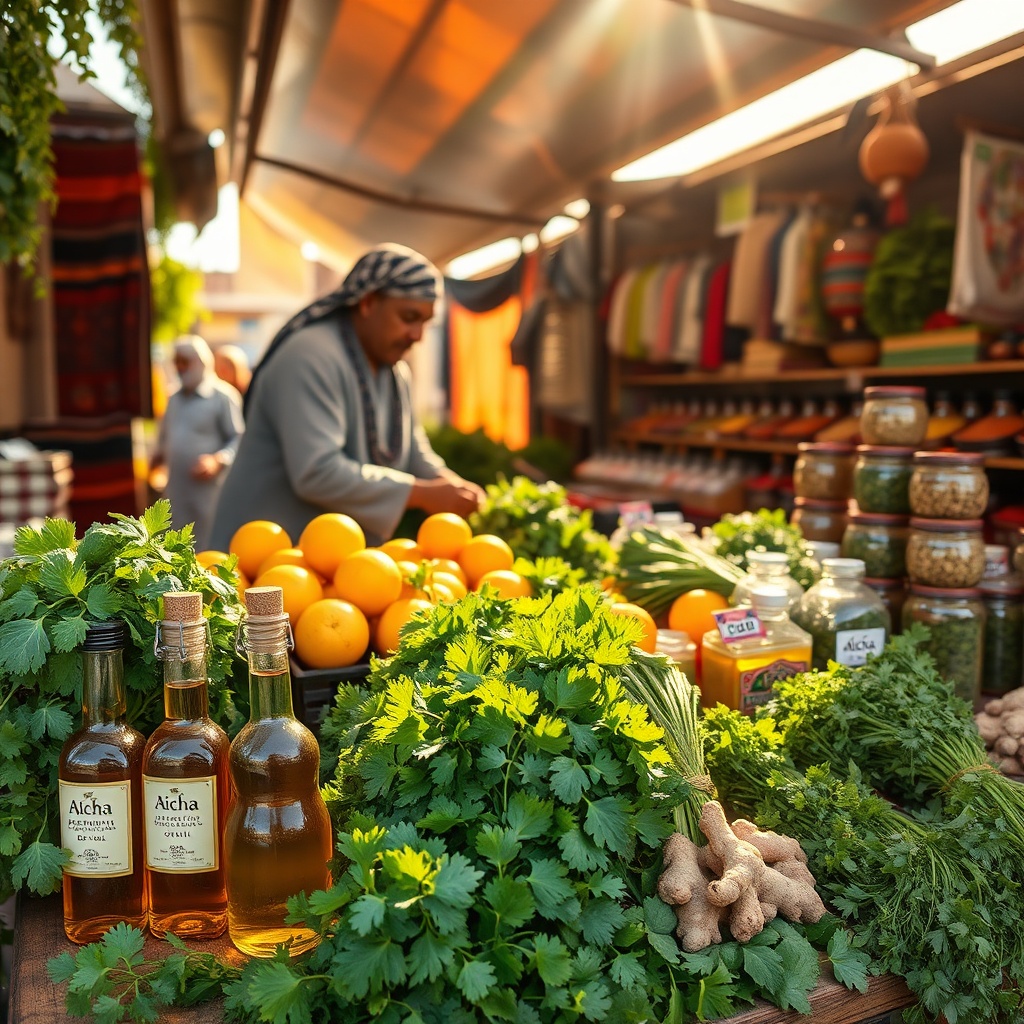
*A bustling Moroccan market stall showcasing fresh herbs and spices in spring.*
Spring in Morocco is a burst of green and gold. The average temperature climbs to 22 °C in March, and the first rains coax a profusion of herbs—coriander, parsley, and mint—into the market stalls of Fez and Marrakech.
Herb‑Infused Tagines
1. **Marination** – Combine 2 Tbsp Aicha premium Moroccan olive oil, the juice of one lemon, 1 tsp ground cumin, ½ tsp ground ginger, and a handful of finely chopped coriander, parsley, and mint. 2. **Meat or vegetable** – For a lamb tagine, cube 500 g of bone‑in lamb shoulder; for a vegetarian version, use 300 g of diced zucchini and 200 g of sliced carrots. 3. **Layering** – Place the marinated pieces at the bottom of a cast‑iron tagine, then add a splash of water and a pinch of saffron threads. 4. **Cooking** – Cover and simmer on low heat for 90 minutes, stirring occasionally. Finish with a drizzle of honey and a handful of toasted almonds for a subtle crunch.
The result is a fragrant, light dish that celebrates the season’s bounty.
Citrus & Fruit Pairings
Moroccan citrus harvest peaks from late March to early May. Orange, lemon, and bergamot trees yield fruit that is both sweet and tangy. - **Citrus‑infused sauce** – Blend 100 g of orange zest, 50 ml of orange juice, 1 tsp ground cinnamon, and a pinch of salt. Warm over low heat until syrupy, then pour over grilled lamb or a vegetable tagine. - **Garnish** – Sprinkle thinly sliced lemon peel over a bowl of couscous for a bright, aromatic finish.
These citrus accents cut through the richness of the tagine, creating a balanced palate.
Market Tours & Food Pairing
A typical spring market in Fez offers a rainbow of produce: crisp cucumbers, emerald spinach, and freshly baked *khobz* (bread). Vendors display bundles of mint and coriander, their leaves still damp from the morning drizzle. A walk through the *Souk el-Hara* reveals stalls where you can sample *bissara* (split pea soup) seasoned with a touch of cumin and a squeeze of fresh lemon.
Summer Season: Grilled Meats & Cooling Soups
Summer temperatures soar to 35 °C in the interior, demanding dishes that hydrate and refresh while still delivering robust flavors.
Grilled Lamb Kebabs
1. **Marination** – Combine 3 Tbsp plain yogurt, 2 Tbsp olive oil, 4 minced garlic cloves, 1 tsp ground coriander, ½ tsp smoked paprika, and a pinch of salt. 2. **Preparation** – Cube 700 g of lamb shoulder and thread onto soaked wooden skewers. 3. **Cooking** – Preheat a grill to medium‑high. Place the skewers on the grill, turning every 3 minutes. Aim for a charred exterior and a juicy interior; total grilling time should be 12–15 minutes. 4. **Resting** – Let the kebabs rest for 5 minutes before serving to allow juices to redistribute.
Serve alongside a chilled *salade marocaine* made from sliced cucumber, tomato, and a sprinkle of fresh parsley.
Harira & Lemon Soup
Harira is traditionally a post‑Ramadan staple, but its quick‑prep version makes an excellent summer soup. - **Ingredients** – 200 g lentils, 150 g chickpeas (pre‑soaked), 1 cup diced tomatoes, 1 carrot (shredded), 1 onion (finely chopped), 2 Tbsp tomato paste, 1 tsp ground cumin, ½ tsp ground coriander, ¼ tsp cayenne pepper, 1 lemon (juiced), and 1 L water. - **Nutrition** – Each serving delivers roughly 320 kcal, 12 g protein, and 8 g fiber. - **Preparation** – Heat 2 Tbsp olive oil, sauté onion and carrot until translucent. Add spices, tomato paste, and tomatoes. Pour in water and lentils, simmer for 20 minutes. Stir in chickpeas and lemon juice, cook for another 5 minutes.
This soup can be ready in under 30 minutes, offering a hydrating, protein‑rich meal that cools the body.
Fresh Fruit Desserts
Summer’s sweet harvest includes figs, pomegranates, and cantaloupes. - **Fruit salad with honey** – Combine 200 g sliced figs, 150 g pomegranate seeds, and 200 g diced cantaloupe. Drizzle with 2 Tbsp honey and a pinch of ground cinnamon. - **Presentation** – Serve in a shallow bowl, topped with crushed pistachios for texture.
The natural sugars of the fruit, paired with the subtle heat of cinnamon, create a refreshing end to a hot day.
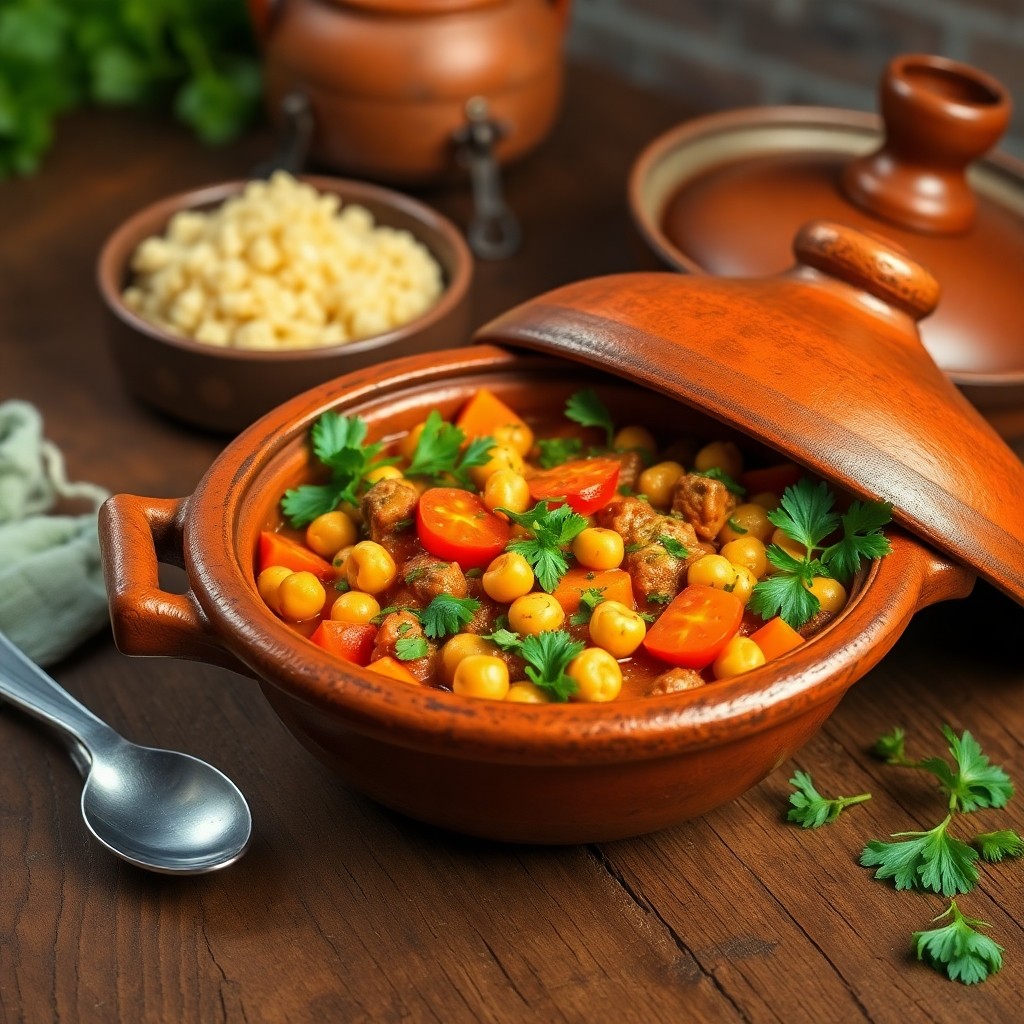
*A close‑up of a steaming herb‑infused tagine served in a traditional Moroccan setting.*
Autumn Season: Root Vegetables & Rich Stews
As temperatures dip to 18 °C in September, Moroccan kitchens turn to hearty stews that harness the sweetness of root crops.
Carrot & Sweet Potato Tagine
1. **Sauté** – In a heavy‑bottom pot, heat 3 Tbsp olive oil. Add 300 g diced carrots and 200 g diced sweet potatoes; cook for 5 minutes until lightly browned. 2. **Spices** – Stir in 1 tsp ground ginger, 1 tsp ground cinnamon, and a pinch of saffron. 3. **Liquid** – Pour in 500 ml vegetable broth and bring to a simmer. 4. **Simmer** – Cover and cook for 25 minutes, or until vegetables are tender. 5. **Finish** – Add 50 g chopped dried apricots and 2 Tbsp chopped fresh coriander.
Root vegetables provide beta‑carotene and vitamin C, making this tagine both nourishing and comforting.
Harvesting Dates & Prunes
Date palms in the Sahara region begin ripening in late October, peaking in early November. Harvest dates are typically 30–35 cm long, with a soft, caramelized flesh. - **Usage** – Incorporate dates into a sweet‑savory tagine: after the carrot mixture has simmered, add 200 g chopped dates and 1 Tbsp honey. Let the mixture reduce for 10 minutes. - **Pastries** – Blend date paste with 250 g flour, 125 g butter, and ½ tsp baking powder to create a quick *biscotti* dough. Bake at 180 °C for 12 minutes.
Dates and prunes offer potassium and natural sweetness, ideal for balancing the savory depth of stews.
Seasonal Market Highlights
Rabat’s *Marché de la Souk El Arbaa* showcases a bounty of autumn produce: roasted sweet potatoes, fresh onions, and the first harvest of black olives. Stalls brim with locally roasted *couscous* grains, ready to be paired with the season’s stews.
Winter Season: Hearty Couscous & Spiced Dishes
In winter, Morocco’s coastal cities experience temperatures around 12 °C, while the highlands drop below 0 °C. Meals must provide warmth and sustenance.
Lamb & <a href="https://kenzadi.com/products/al-mohajer-stainless-steel-couscoussier-10l-26cm">Al Mohajer 10L stainless steel couscoussier</a>
1. **Couscous preparation** – Place 400 g couscous in a large bowl. Add 200 ml hot water, a splash of olive oil, and a pinch of salt. Cover and let steam for 10 minutes, then fluff with a fork. 2. **Lamb** – Brown 600 g lamb shoulder cubes in a pan with 2 Tbsp olive oil. Add 1 chopped onion, 2 minced garlic cloves, and 1 tsp ground cumin. 3. **Chickpeas** – Stir in 200 g cooked chickpeas and 1 cup of vegetable broth. 4. **Simmer** – Cover and cook for 45 minutes until lamb is tender. 5. **Serve** – Spoon the couscous onto a platter, top with the lamb mixture, and garnish with chopped parsley and toasted almonds.
The protein from lamb and chickpeas, combined with the complex carbohydrates of couscous, delivers a filling, balanced meal.
Spiced <a href="https://kenzadi.com/products/harissa-la-flamme-du-cap-bon-380g-can">Harissa La Flamme du Cap Bon</a> & Roasted Vegetables
- **Harissa blend** – Mix 4 dried red peppers, 2 cloves garlic, 1 tsp ground coriander, 1 tsp ground cumin, 1 tsp paprika, and a pinch of cayenne. Blend into a paste with 2 Tbsp olive oil. - **Roasting** – Toss 300 g carrots and 300 g parsnips with 3 Tbsp olive oil, salt, and the harissa paste. Spread on a baking sheet and roast at 200 °C for 35 minutes, turning halfway.
The smoky heat of Harissa La Flamme du Cap Bon complements the natural sweetness of the root vegetables, creating a comforting side dish.
Hot Moroccan Tea & Sweet Treats
- **Tea** – Boil 2 Tbsp dried green tea leaves with 1 L water. Add 1 cinnamon stick, 6 cardamom pods, and a handful of fresh mint leaves. Sweeten with 3 Tbsp sugar. - **Almond cookies** – Combine 200 g flour, 150 g powdered sugar, 100 g butter, 1 egg, 1 tsp ground cinnamon, and 100 g ground almonds. Shape into small rounds and bake at 175 °C for 15 minutes.
The aromatic tea and sweet cookies offer a comforting ritual that warms the soul during cold nights.
Conclusion
The **Seasonal Moroccan Food Calendar: What to Eat Year‑Round** invites you to savor the rhythm of Morocco’s climate and culture. By aligning your pantry with the harvest of each season—whether it’s the fresh herbs of spring, the cooling soups of summer, the root‑rich stews of autumn, or the hearty couscous of winter—you unlock flavors that are at their peak, nutrients that are at their richest, and a culinary experience that honors tradition.
Take a step beyond the ordinary and let the seasons guide your next meal. Explore local markets, experiment with the step‑by‑step recipes above, and taste how each season brings a new chapter to Moroccan cuisine.
**Meta Description:** Discover Morocco’s year‑round seasonal foods—herb tagines, grilled kebabs, root stews, and spiced couscous—to taste fresh, traditional flavors whenever the weather changes.