
How To Blend Moroccan Tagine Spices
The scent of a Moroccan tagine is unmistakable—a warm, earthy perfume of toasted cumin, sweet cinnamon, and fragrant ginger that drifts from the kitchen long before the conical lid is lifted. While the vessel itself is iconic, the real soul of the dish is the spice blend. Mastering **moroccan tagine spices** is the single most important step to recreating that authentic flavor at home. This guide provides a definitive, practical approach to understanding, sourcing, and using these spices to build depth and complexity in your cooking.
You will learn the core spices that define the profile, the technique for toasting and grinding them fresh, how to layer flavors for different proteins, and the common pitfalls that can ruin a pot.
Key Takeaways
- The Moroccan tagine flavor profile is built on a warm, earthy, and aromatic foundation, not intense heat. - Ras el hanout is the master blend, but a simple, authentic tagine can be made with just a handful of whole spices. - Toasting and grinding whole spices fresh is the single most impactful step for flavor. - The ratio of sweet to savory spices (like cinnamon to cumin) is what distinguishes a Moroccan tagine from other North African stews. - Preserved lemon and olives are not spices, but they are essential flavor components that interact directly with the spice blend.
The Complete Answer: What Is the Moroccan Tagine Spice Blend?
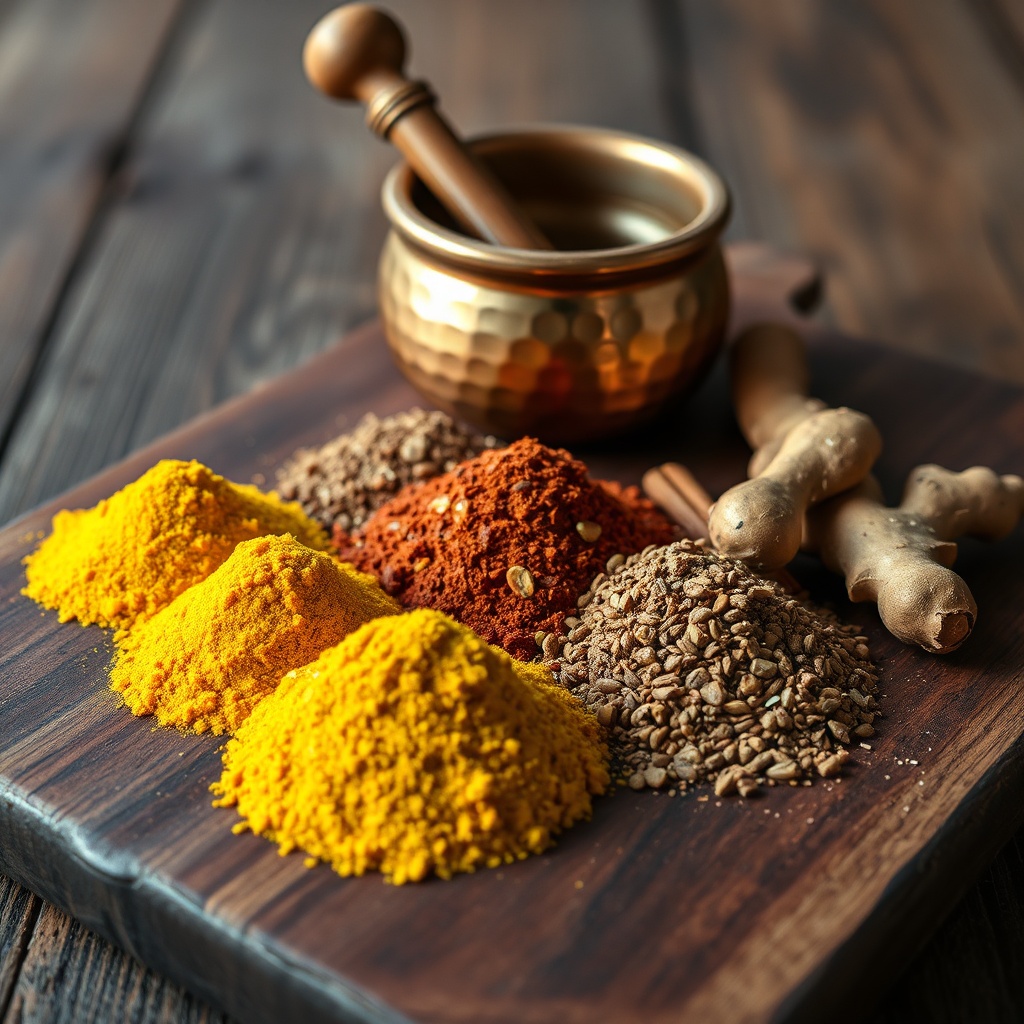
*Flat lay of the five essential spices used in Moroccan tagines, emphasizing whole ingredients and the importance of fresh grinding.*
The answer to "what are Moroccan tagine spices" is not a single pre-mixed powder, but a philosophy of layering. The core blend for a traditional tagine is a balanced mix of warm, earthy, and aromatic spices. It is designed to create a complex, savory-sweet flavor profile that develops over a long, slow simmer.
**Quick Answer:** The essential Moroccan tagine spice blend is a mix of cumin, ginger, paprika, cinnamon, and turmeric, which together create a warm, earthy, and aromatic flavor profile that is savory and slightly sweet.
The Core Five Spices That Define the Flavor
These five spices form the backbone of nearly every authentic Moroccan spice blend. They are the starting point for any tagine, from a simple chicken version to a celebratory lamb feast.
- **Cumin:** The earthy, slightly bitter backbone that provides depth and a distinctive savory note. - **Ginger:** Adds a warming, zesty heat that is bright and aromatic, not sharp like chili. - **Paprika (Sweet or Smoky):** Provides color and a mild sweetness. Sweet paprika is more traditional, while smoked paprika adds a different layer of smokiness. - **Cinnamon:** The key sweet note that balances the savory elements, giving the dish its characteristic warmth. - **Turmeric:** Lends a golden hue and subtle earthy flavor, contributing to the visual appeal of the sauce.
These spices work in harmony. The cumin and paprika provide the savory base, while the cinnamon and ginger add warmth and lift, and the turmeric rounds it out with color.
**Definition:** **Ras el hanout** is a complex North African spice blend whose name means "head of the shop" in Arabic, referring to a mixture of the best spices a merchant has to offer. It can contain dozens of ingredients, but a good blend always features the core tagine spices as its foundation.
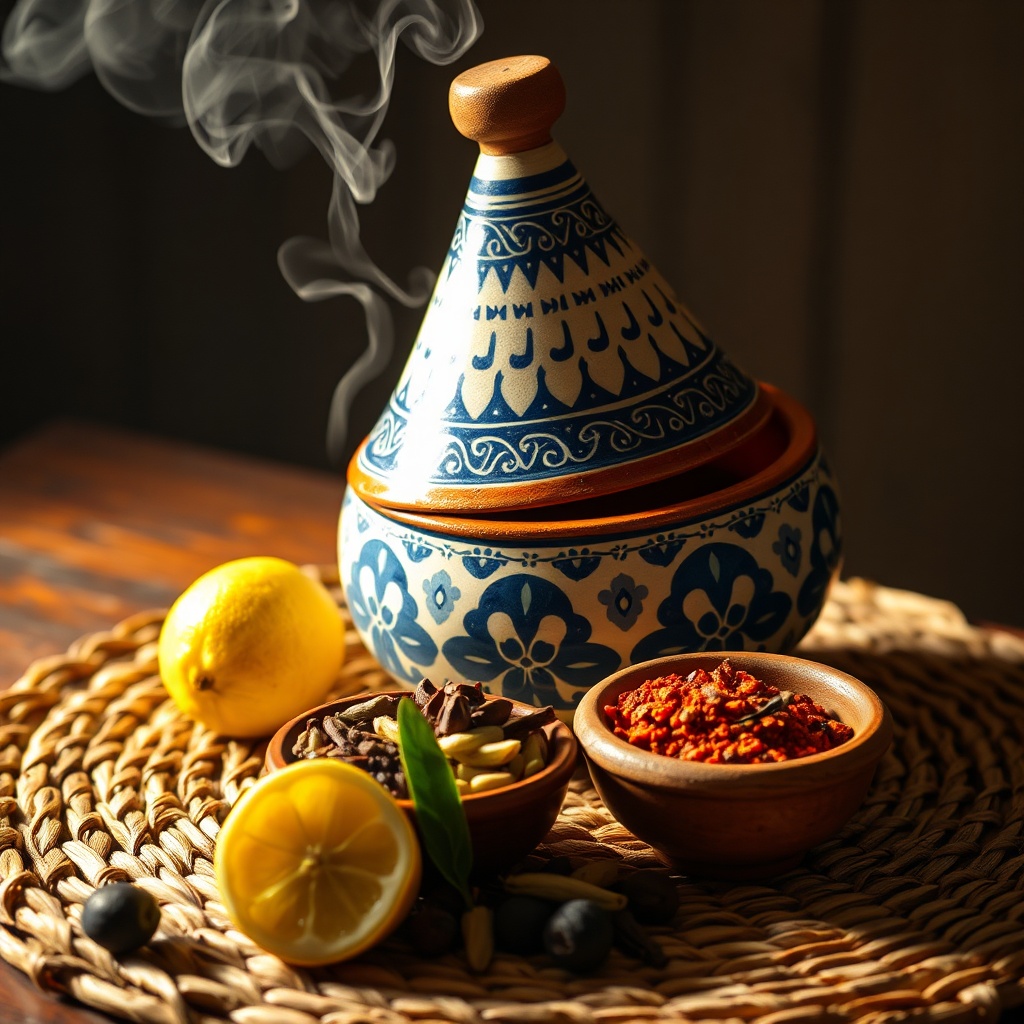
*Ceramic tagine pot with conical lid showcasing a finished stew alongside a bowl of spice blend, connecting the spices to the final dish.*
The Role of Preserved Lemon and Olives
These ingredients are not "spices" in the dry sense, but they act as essential seasoning agents that are inseparable from the tagine spice blend. The salty, tangy brine of preserved lemon and the briny, rich flavor of olives interact with the spices to create a unique umami profile that is the hallmark of Moroccan cooking. Adding them at the end of cooking ensures they brighten the dish without becoming bitter.
The Anatomy of a Tagine Spice Blend: From Whole to Ground
The difference between a flat, muddy tagine and a vibrant, aromatic one often comes down to the quality of the spices. Pre-ground supermarket spices have usually lost their volatile oils, resulting in a dull flavor. The solution is to start with whole spices.
Toasting and Grinding: The Flavor-Release Technique
This simple technique is the most impactful step you can take to improve your tagine. Toasting the whole spices releases their essential oils, making them more fragrant and flavorful.
1. Select whole, high-quality spices (e.g., cumin seeds, coriander seeds, cinnamon sticks). 2. Heat a dry skillet over medium-low heat (never add oil). 3. Toast the spices in a single layer for 2-3 minutes, shaking the pan frequently, until fragrant. You should smell a warm, nutty aroma. 4. Remove from the pan immediately to prevent burning. 5. Let the spices cool completely before grinding. 6. Grind in a spice grinder or mortar and pestle to a fine powder.
This toasted ground spice preparation will make a noticeable difference in the final dish. The aroma alone is worth the extra five minutes.
The Master Blend: Ras el Hanout vs. Simple Tagine Spice
Ras el hanout is the celebrated master blend, but it is not required for a delicious tagine. A simple mix of the core five spices is authentic and more accessible for everyday cooking.
| Feature | Ras el Hanout | Simple Tagine Spice | |---|---|---| | **Number of Ingredients** | Can contain a large number of spices, often including rare and floral ones | Typically 5-8 core spices | | **Flavor Profile** | Complex, layered, and nuanced; can include floral and pungent notes | Straightforward, warm, and balanced | | **Best Use** | Special occasion tagines, meat tagines (lamb, beef) | Everyday chicken or vegetable tagines | | **Ease of Preparation** | Requires sourcing rare spices | Uses common pantry staples | | **Price Point** | Higher due to exotic ingredients | Very economical |
**Quick Answer:** While ras el hanout is the master blend, a simple mix of five core spices—cumin, ginger, paprika, cinnamon, and turmeric—is all you need for an authentic, everyday Moroccan tagine.
The Art of Layering: How to Use Tagine Spices in Cooking
Using the spices correctly is about more than just adding them to the pot. The technique of layering—when and how you add the spices—is what builds a complex sauce.
Timing and Application: Blooming vs. Simmering
The most important technique is **blooming** the spices. This involves adding the ground spice blend to hot oil at the start of cooking, usually after you have sautéed the onions and garlic. The heat releases the fat-soluble flavors in the spices, making them more potent and aromatic. This step is crucial for developing the deep, rich flavor of the sauce.
Spices added early during the blooming phase provide depth and complexity. Spices added later, near the end of the simmer, retain a fresher, more vibrant aroma. For a tagine, you will almost always bloom your spices early to build that foundational flavor.
Balancing the Spice Profile for Different Proteins
The core blend is a starting point, but you can adjust the ratios to complement different ingredients.
- **Chicken or vegetable tagines:** Favor sweeter spices like cinnamon and ginger to create a lighter, more aromatic dish. - **Lamb or beef tagines:** Use a heavier hand with cumin and paprika for a more robust, savory flavor that can stand up to rich meat. - **Fish tagines:** Use a lighter hand, focusing on turmeric, ginger, and saffron for a delicate flavor that won't overpower the fish.
Common Mistakes and How to Fix Them
Even experienced cooks can make mistakes when working with spices. Here are the most common pitfalls and how to avoid them.
Overpowering the Dish: When Spices Become Bitter
The most common mistake is burning the spices during the blooming phase. If the oil is too hot, the ground spices will scorch immediately, leading to a bitter, acrid taste that can ruin the entire pot. Always bloom spices in oil over medium-low heat, and if the mixture begins to smoke, remove the pot from the heat immediately.
**Quick Answer:** To fix a dish where you've burnt the spices, you can try adding a peeled raw potato to the pot; it will absorb some of the bitterness, but it is not a guaranteed fix, so prevention is key.
The "Muddy" Flavor: Why Freshly Ground Spices Matter
Pre-ground spices lose their volatile oils quickly, resulting in a stale, flat taste. This is often described as a "muddy" flavor. Freshly ground spices are vibrant, aromatic, and full of flavor. The optimal shelf life for ground spices is about six months to a year, while whole spices can last for two to three years. For the best results, grind your spices in small batches as needed.
Frequently Asked Questions (FAQ)
What is the most important spice in a Moroccan tagine?
Cumin is often considered the cornerstone, but a balanced blend of cumin, ginger, and cinnamon is what creates the authentic flavor profile. The combination of these three is what gives the tagine its signature warm and savory-sweet taste.
Can I use a pre-made ras el hanout instead of making my own spice mix?
Yes, but quality varies greatly. Look for blends that list whole spices and have a clear, fresh aroma. A good-quality pre-made blend can be a fantastic shortcut, but a simple homemade mix of the core five spices is often more reliable and fresher.
How much spice should I use for a tagine?
A general guideline is 1-2 tablespoons of the spice blend for a tagine serving 4 people, but this should be adjusted to taste and the size of the dish. It's always better to start with less and add more during the simmering process.
Is harissa a tagine spice?
No, harissa is a chili paste, not a dry spice blend. It is often served as a condiment or added for extra heat, but it is not a core component of the tagine spice mix.
Can I use sweet paprika instead of smoked paprika?
Yes, both are used. Sweet paprika gives a milder flavor and better color, while smoked paprika adds a distinct smokiness that is not traditional to all Moroccan tagines but is a popular variation.
Conclusion
Mastering Moroccan tagine spices is a journey of understanding balance and technique. The core five spices—cumin, ginger, paprika, cinnamon, and turmeric—provide a warm, earthy, and aromatic foundation. The most impactful step you can take is to toast and grind whole spices fresh, and to bloom them in oil at the start of cooking to release their full flavor.
Start with a simple, balanced blend and adjust the ratios to your taste and the protein you are using. Try this simple spice blend with a chicken tagine recipe this week, and you will be amazed at the depth of flavor you can achieve at home.