
Ultimate Guide To Moroccan Spices For Cooking
Moroccan spices for cooking are the heartbeat of the nation's culinary identity, transforming simple ingredients into complex, aromatic masterpieces. These spices are not merely flavor enhancers; they are a historical tapestry woven from centuries of trade across the Sahara and the Mediterranean. The **Moroccan cuisine history** is deeply rooted in the exchange of goods, where merchants introduced cinnamon, turmeric, and cumin to the local terroir. Understanding this **spice heritage** allows you to appreciate why a single pinch of saffron or a blend of ras el-hanout can elevate a dish from ordinary to extraordinary. By mastering these spices, you unlock the ability to recreate the authentic tastes of the souks in your own kitchen.
Key Takeaways
- Moroccan spice blends balance sweet, savory, and aromatic notes. - Each spice has a specific role in traditional dishes and modern adaptations. - Proper storage extends flavor longevity and potency. - Pairing spices with cooking techniques maximizes taste. - Simple DIY blends empower home cooks to recreate authentic flavors.
Definitive Guide: Using Moroccan Spices for Cooking to Elevate Every Dish
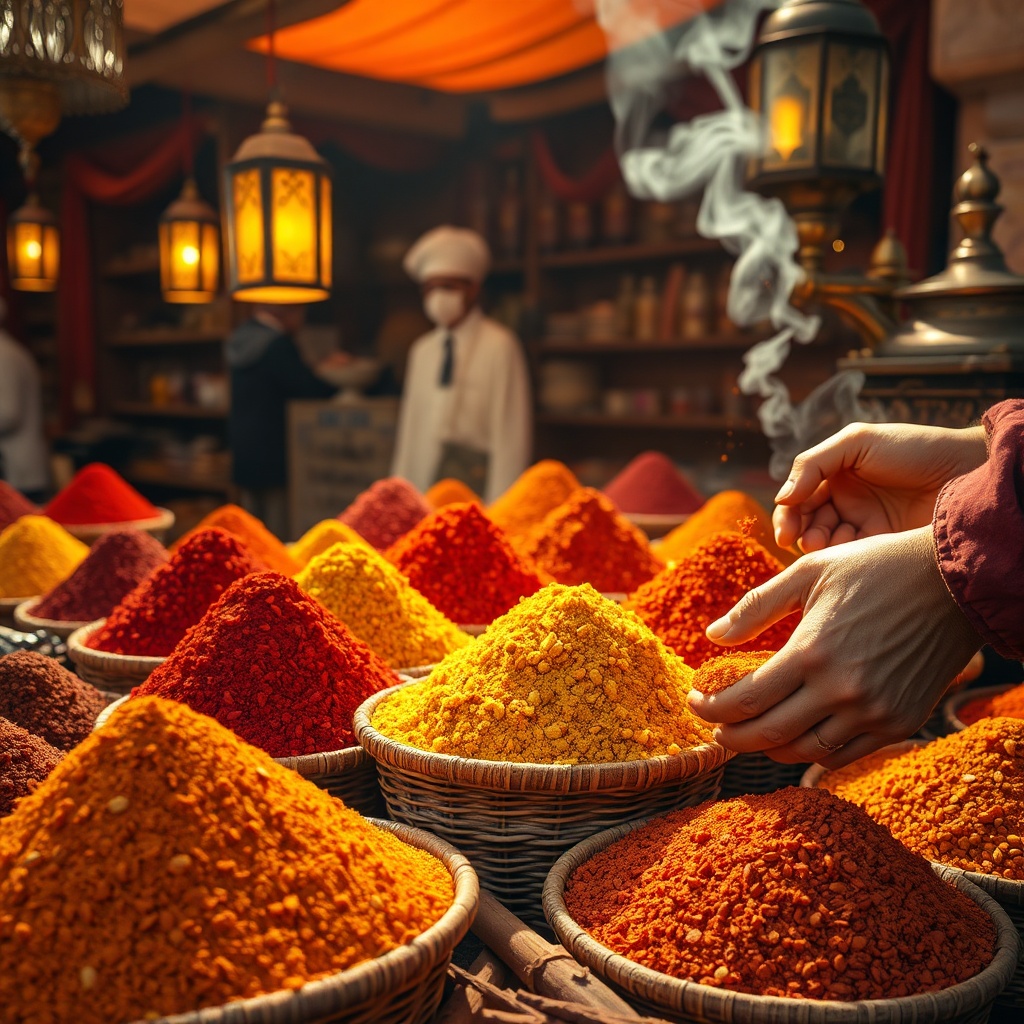
*A atmospheric market scene showing the vibrant variety of Moroccan spices for cooking.*
Selecting the right **Moroccan spices for cooking** requires understanding the balance between heat, sweetness, and earthiness. Authentic flavor profiles are achieved by layering spices rather than adding them all at once. Begin by toasting whole spices to release their essential oils, then grind them fresh for maximum impact. This process is crucial for building depth in stews, tagines, and roasted meats.
When constructing a flavor profile, consider the primary ingredient. For example, a classic tagine flavor profile might feature lamb, dried apricots, toasted almonds, and a warming blend of ginger, turmeric, black pepper, and cinnamon. The sweetness of the fruit pairs perfectly with the earthiness of the meat and the spice blend's heat. For step-by-step mixing instructions, toast 1 tablespoon of cumin seeds and 1 tablespoon of coriander seeds in a dry pan for 2 minutes until fragrant. Allow to cool, then grind to a fine powder. Mix with 1 teaspoon of ground ginger, 1 teaspoon of turmeric, ½ teaspoon of cinnamon, and ¼ teaspoon of cayenne for a versatile rub.
Understanding the shelf life of your ingredients is vital. Data on spice potency loss over time indicates that ground spices lose approximately 50% of their volatile oils and potency within six to twelve months, while whole spices can retain their flavor for up to two years if stored correctly. Always check the aroma before use; if the scent is faint, it is time to replace your stock.
**Quick Answer:** To maximize flavor, always toast whole spices like cumin and coriander before grinding them. This simple step releases essential oils that pre-ground spices lack, ensuring your dishes have the vibrant, authentic aroma characteristic of Moroccan cuisine.
The Core Spice Trio: Ras el‑Hanout, Cumin, and Saffron
The foundation of Moroccan flavor rests on three pillars: **Ras el hanout blend**, cumin, and saffron. While other seasonings play supporting roles, these three provide the distinct signature that defines the cuisine. **Cumin and coriander in Moroccan cuisine** work in tandem to provide a savory base, while saffron adds a luxurious floral note and distinct color. Mastering these three gives you the tools to tackle almost any traditional recipe.
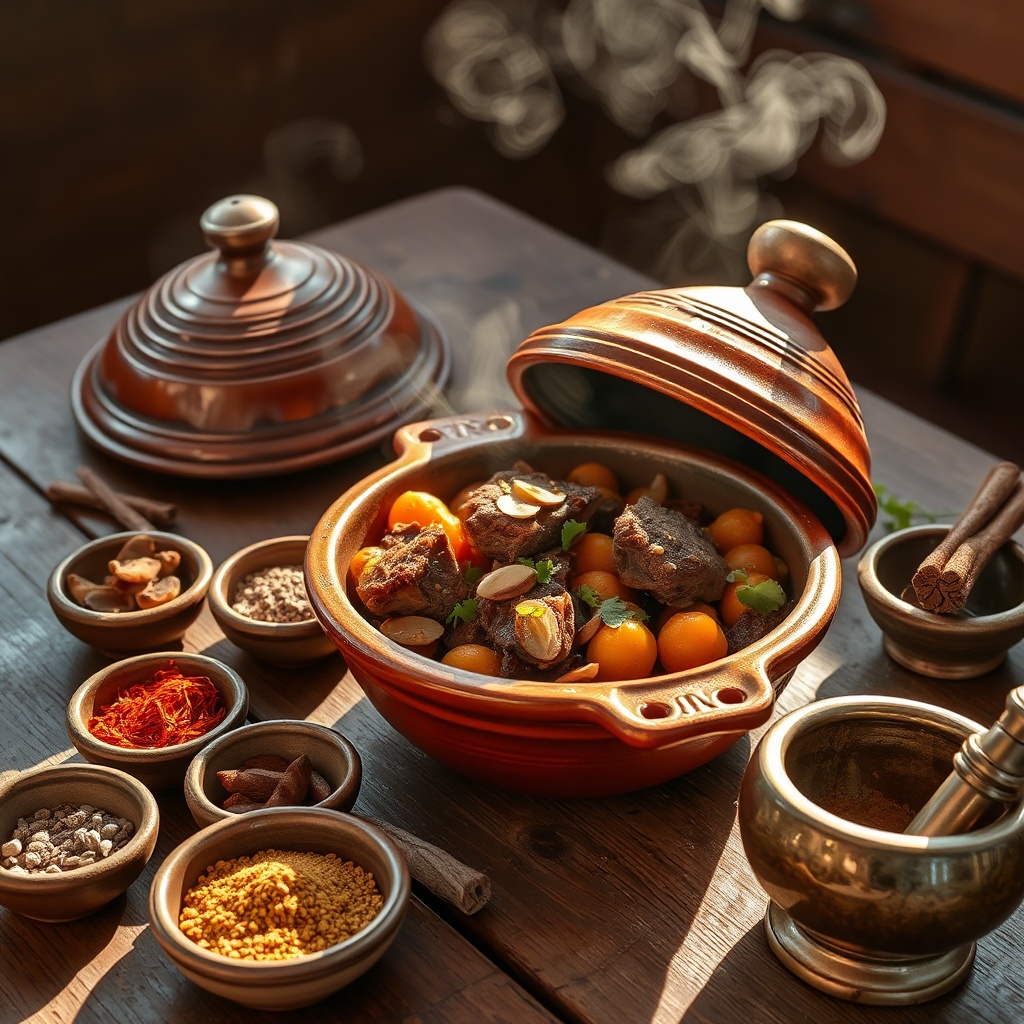
*A functional still life showing how Moroccan spices for cooking elevate a traditional tagine dish.*
Ras el‑Hanout – The “Head of the Shop”
Ras el-Hanout translates to "head of the shop," signifying the best spices a merchant has to offer. Unlike curry powder, which has a relatively standard recipe, the **Ras el-Hanout composition** varies wildly by region and vendor. It can contain anywhere from 10 to 100 different spices, including cardamom, nutmeg, mace, allspice, dried rosebuds, and even ground insects in some rare traditional versions.
Customizing this blend is an art form. For a homemade version, start with a base of ground coriander, cumin, and ginger. Add complexity with smaller amounts of cinnamon, turmeric, and black pepper. For a floral touch, crush a few dried rose petals or lavender buds into the mix. This blend is incredibly versatile and works exceptionally well as a rub for roasted chicken or stirred into couscous.
Cumin – Earthy Backbone
Cumin is the ubiquitous workhorse of the Moroccan kitchen. Its pungent, earthy flavor is immediately recognizable and provides a savory anchor for sweeter spices like cinnamon and allspice. Beyond its flavor, the **health benefits of Moroccan spices** are often led by cumin, which aids digestion and is rich in iron.
There are two main types of cumin used: amber and black. Amber cumin is the standard variety found in most markets, offering a nutty, bitter taste. Black cumin (kala jeera) is smaller, sweeter, and more complex. To get the best results, buy whole seeds and toast them lightly in a dry skillet before grinding. This process removes the raw, bitter edge and brings out a nutty aroma that is essential for **traditional Moroccan tagine seasoning**.
Saffron – The Golden Touch
Saffron is the most expensive spice in the world, and its role in Moroccan cooking is prestigious. It imparts a golden hue and a subtle, hay-like sweetness that cannot be replicated by turmeric alone. Authentic **saffron usage in Moroccan dishes** involves steeping the threads in warm liquid—water, broth, or milk—before adding them to the pot. This infusion ensures the color and flavor are distributed evenly throughout the dish.
When buying saffron, look for deep red threads with no yellow parts visible, as yellow indicates lower quality. A little goes a long way; just a pinch is enough to flavor and color a dish serving four to six people. Avoid purchasing powdered saffron unless from a highly reputable source, as it is often adulterated with turmeric.
**Definition:** **Ras el-Hanout** is a complex spice blend from North Africa, translating to "head of the shop." It typically includes exotic ingredients like cardamom, nutmeg, saffron, and dried rosebuds, varying by the merchant's unique recipe.
Regional Blend Variations: From Fez to Marrakech
Geography plays a significant role in the **regional variations of Moroccan spice mixes**. The north, influenced by Andalusian and Mediterranean traditions, tends to use herbs and lighter spices. The interior, with its proximity to the Sahara trade routes, favors heavier, warmer spices. Understanding these nuances helps you choose the right blend for specific dishes.
Fez Blend – Sweet and Nutty
The Fez spice mix is known for its sophisticated, slightly sweet profile. It often features a higher concentration of aromatic spices like nutmeg, mace, and cinnamon compared to southern blends. This profile pairs perfectly with chicken and fruit-based tagines. A sample recipe might include ground ginger, turmeric, white pepper, cinnamon, and a hint of cloves. This blend is less about heat and more about creating a fragrant, warming sensation that complements the sweetness of dried fruits like prunes or apricots.
Marrakech Blend – Bold and Spicy
In contrast, the Marrakech seasoning is bolder and spicier. It utilizes more paprika and cayenne or chili peppers to provide a fiery kick that stands up to red meats and hearty vegetables. A quick preparation guide for this blend involves mixing smoked paprika, hot paprika, cumin, garlic powder, and a touch of salt. This mix is excellent for rubbing lamb chops or spicing up roasted potatoes. It embodies the vibrant, intense energy of the Djemaa el-Fna square.
Coastal Influence – Sea‑Salted Aromatics
Coastal cities like Essaouira and Casablanca have developed hybrid blends that incorporate the abundance of the sea. These mixes often include sea salt, fennel seeds, and anise, which pair beautifully with fish and seafood. The coastal trade introduced these new spices, creating a lighter, fresher take on the traditional heavy inland mixes. Using these blends on grilled sardines or a seafood stew highlights the **preserved lemon and spice pairings** that are iconic to the region.
Modern Applications: Fusion Cooking with Moroccan Spices
You do not need to limit your use of **Moroccan spices for cooking** to traditional tagines or couscous. These flavors are incredibly adaptable and can revolutionize modern, global cuisines. **Moroccan spice fusion** allows you to introduce complex layers of flavor to everyday staples, transforming familiar dishes into something exotic and exciting.
Moroccan‑Infused BBQ Rubs
Integrating Moroccan flavors into barbecue is a game-changer. The earthiness of cumin and the heat of chili pair perfectly with smoked meats. For a rub, mix brown sugar, paprika, cumin, coriander, and a pinch of cinnamon. Apply this generously to ribs or brisket before smoking. The sugar creates a caramelized crust, while the spices penetrate the meat, offering a sweet and savory profile that rivals traditional BBQ sauces. This technique bridges the gap between American pitmaster styles and North African souks.
Spice‑Enhanced Plant‑Based Meals
Vegetarian and vegan dishes benefit immensely from the depth of Moroccan spices. A vegan tagine adaptation often relies heavily on spices to compensate for the lack of meat fat. Root vegetables like carrots, sweet potatoes, and turnips absorb flavors well. Seasoning balance is key here; use chickpeas for protein and a generous amount of ras el-hanout to build a savory broth. The nutritional boost comes from the anti-inflammatory properties of turmeric and ginger, making these meals as healthy as they are delicious.
Sweet Treats with a Moroccan Twist
Moroccan spices are not just for savory food; they shine in desserts as well. Cinnamon, anise, and sesame are common in traditional sweets. Try adding a pinch of cardamom and black pepper to a chocolate mousse for a spicy kick, or infusing cream with saffron for a unique ice cream base. Plating suggestions include a dusting of powdered sugar mixed with cinnamon or a garnish of toasted almonds and orange blossom water. These combinations challenge the palate and offer a sophisticated finish to a meal.
**Quick Answer:** Moroccan spices excel in fusion cooking. Try mixing cumin, cinnamon, and paprika into your burger patties, or sprinkle a pinch of ras el-hanout over roasted carrots. These small additions create global flavor profiles without requiring complex recipes.
Storage Mastery: Preserving Aroma and Potency
To ensure your **Moroccan spices for cooking** remain effective, proper storage is non-negotiable. Exposure to air, light, and heat are the enemies of flavor. **Spice storage tips for Moroccan blends** emphasize a cool, dark environment, such as a pantry or a drawer away from the stove. The volatile oils that give spices their aroma evaporate quickly when exposed to heat and light, rendering your expensive blends bland and ineffective.
Airtight Containers vs. Traditional Jars
While decorative glass jars look attractive on the counter, they are often the worst choice for longevity. Airtight containers made of metal or opaque glass are superior because they completely block light and seal out moisture. Traditional jars allow light to penetrate, which degrades the quality of saffron and paprika particularly quickly. If you must use glass jars, store them in a dark cabinet. Recommended products include vacuum-seal canisters or heavy-duty tins with locking lids.
Light, Heat, and Moisture Management
Environmental control is critical. Heat causes spices to release their aromatic compounds prematurely, while moisture leads to caking and mold. Never measure spices directly over a steaming pot; the steam can introduce moisture into the jar. Preventive measures include using a dry spoon to scoop spices and keeping storage areas at a consistent temperature below 70°F (21°C). Monitoring schedule involves checking your spices every six months for aroma intensity and visual signs of fading or clumping.
Rotating Stock and Using Freshness Indicators
A first-in, first-out system ensures you use your oldest spices first. Mark your jars with the purchase date using a label or a marker. Visual cues include faded color—bright red paprika turning brown is a clear warning sign. Aroma tests are the most reliable method; crush a small amount of spice in your palm and smell it. If the scent is weak or musty, it is time to discard it. **How to toast and grind Moroccan spices** can sometimes revive stale whole spices, but ground spices that have lost their aroma cannot be salvaged.
**Definition:** **Volatile Oils** are the aromatic compounds found in spices that give them their distinct scent and flavor. These oils are sensitive to heat, light, and air, which is why proper storage in airtight containers is essential for maintaining potency.
Frequently Asked Questions (Featured Snippet Target)
**1. What are the essential Moroccan spices for beginners?** Beginners should start with cumin, coriander, paprika, cinnamon, turmeric, and ginger. These six spices form the base of most recipes and offer a solid introduction to the flavor profile without being overwhelming.
**2. How long do homemade Moroccan spice blends stay fresh?** Homemade blends typically stay fresh for 3 to 6 months. Because they are made from freshly ground spices, they lose potency faster than commercial blends with stabilizers, so it is best to make them in small batches.
**3. Can I substitute Ras el-Hanout with other spice mixes?** While there is no perfect substitute, a mix of garam masala or baharat can work in a pinch. You can also create a simple substitute by mixing equal parts cumin, coriander, and turmeric with a pinch of cinnamon and cayenne.
**4. What is the healthiest way to use saffron in cooking?** The healthiest way is to steep the threads in warm water or broth and add the liquid to your dish
Conclusion
Mastering the vibrant flavors of North African cuisine relies heavily on the quality and care of your ingredients. By storing your blends in airtight containers away from light and heat, you effectively preserve the volatile oils that provide those signature aromas. Remember to rotate your stock regularly and trust your nose to determine freshness, as even the best blends lose potency over time. Whether you are toasting cumin or steeping saffron, treating your ingredients with respect will elevate every dish you prepare. Ready to transform your kitchen? Start by auditing your spice rack today and restocking with high-quality **Moroccan spices for cooking** to unlock authentic, vibrant flavors in your next meal.
Frequently Asked Questions
**Why are airtight containers essential for storing spices?** Airtight containers are crucial because they protect volatile oils from exposure to air, light, and moisture. Using opaque glass or metal blocks harmful UV rays and seals out humidity, preventing spices from degrading and losing their potency faster than they would in decorative glass jars.
**How can I tell if my spices have gone stale?** The most reliable method is the aroma test: crush a small amount of spice in your palm and smell it. If the scent is weak or musty, or if the color has faded significantly—such as bright red paprika turning brown—it is time to discard the spice.
**Can stale spices be revived to use again?** Whole spices that have lost some potency can sometimes be revived by toasting and grinding them fresh. However, pre-ground spices that have lost their aroma cannot be salvaged and should be replaced to ensure the best flavor in your dishes.
**What is the best way to prevent moisture from ruining spices?** Always measure spices using a dry spoon and never shake them directly over a steaming pot. Steam introduces moisture into the jar, leading to caking and mold. Additionally, store your spices in a consistently cool environment with a temperature below 70°F (21°C).