
Moroccan Spices: The Secret Ingredient In Traditional Cuisine
The Soul of Moroccan Spices: The Secret Ingredient in Traditional Cuisine
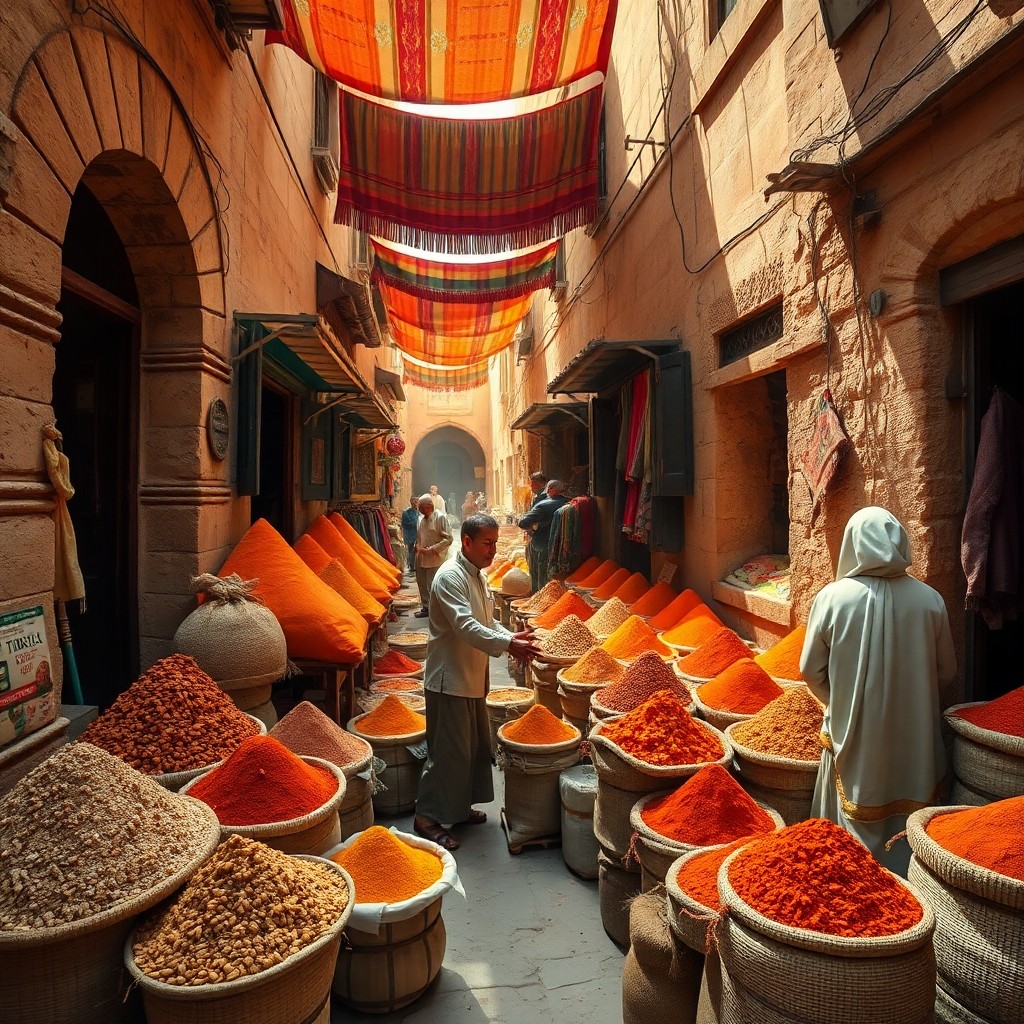
The narrow alleyways of a Moroccan souk hit you with scent before sight. Cumin rises from burlap sacks in earthy clouds. Cinnamon bark stacked in rust‑colored towers releases a sweetness that clings to the warm air. Somewhere deeper in the market, a merchant cracks open a saffron tin, and the threads — red as embers, worth more than gold by weight — catch the light filtering through a canvas awning. This is not a grocery store. This is a living archive of flavor, a place where every handful of spice carries a story of caravan routes, family recipes, and centuries of accumulated knowledge about how to transform simple ingredients into something transcendent.
The Foundations of Moroccan Spice Blends
Moroccan cuisine relies on layered spice blends rather than single‑ingredient seasoning. The most iconic blend, **ras el‑hanout** (meaning “head of the shop”), can contain up to 30 different spices, including cinnamon, cumin, coriander, cardamom, and dried rose petals. Each vendor creates a proprietary mix, balancing sweet, bitter, and aromatic notes to suit regional tastes. Traditional preparation involves roasting whole seeds lightly over low heat before grinding them in a stone mortar, which preserves volatile oils and intensifies flavor.
Key Spices and Their Roles
- **Cumin** – Earthy and nutty; essential in tagines, couscous, and harira soup. A typical recipe calls for 1‑2 teaspoons of ground cumin per kilogram of meat. - **Cinnamon** – Warm and sweet; used in both savory stews and desserts such as *baghrir* pancakes. A pinch (≈½ gram) can brighten a slow‑cooked sauce. - **Saffron** – The most expensive spice by weight; imparts a golden hue and subtle floral bitterness to dishes like *paella*‑style rice and *b’stilla*. A few threads (≈0.1 gram) are enough for a family‑size pot. - **Paprika (Sweet or Smoked)** – Adds color and mild heat; common in grilled meat marinades. Use 1‑2 tablespoons per 500 g of chicken. - **Dried Rose Petals** – Aromatic and slightly sweet; infused in teas, desserts, and occasionally in meat rubs for a delicate perfume.
How to Use Moroccan Spices at Home
1. **Toast Before Grinding** – Place whole spices in a dry skillet over medium heat for 1‑2 minutes, shaking frequently until fragrant. 2. **Grind Fresh** – Use a mortar and pestle or a spice grinder; grind in small batches to retain potency. 3. **Build Layers** – Start with a base of cumin and coriander, add cinnamon or cardamom mid‑cooking, and finish with a pinch of saffron or rose petals just before serving. 4. **Store Properly** – Keep spices in airtight glass jars, away from sunlight, and use within six months for optimal flavor.
Health Benefits and Cultural Significance
Research shows that many Moroccan spices possess antioxidant, anti‑inflammatory, and digestive‑support properties. For example, cumin contains thymol, which may aid digestion, while cinnamon has been linked to blood‑sugar regulation. Beyond health, spices are woven into Moroccan celebrations: rose petals flavor the tea served during weddings, and saffron threads are a staple in festive *couscous* dishes that mark the end of Ramadan.
Bringing the Souk Into Your Kitchen
By mastering a few core blends and respecting traditional techniques, home cooks can recreate the depth of Moroccan flavor without traveling abroad. Pair a homemade ras el‑hanout with roasted root vegetables, or sprinkle toasted cumin over a chickpea salad for a quick, authentic boost. The secret ingredient isn’t just the spice itself—it’s the history, the craftsmanship, and the sense of place that each pinch carries.
*Explore authentic Moroccan spices and discover the stories behind each blend at Kenzadi.*