
How To Cook With Moroccan Spices Like A Pro
Introduction
Moroccan spices are the aromatic backbone of a cuisine that balances heat, sweetness, and earthiness in every bite. From the bustling souks of Marrakech to the quiet kitchens of the Atlas Mountains, these spices have traveled centuries, shaping dishes that range from fragrant tagines to delicate pastries.Modern home cooks and professional chefs alike turn to **Moroccan spices** for their ability to transform simple ingredients—like carrots, chicken, or chickpeas—into layered, unforgettable flavors. The secret lies in sourcing high‑quality whole seeds, roasting them just enough to release essential oils, and blending them according to regional traditions. Whether you’re seeking the deep, nutty notes of cumin, the bright citrus of preserved lemon, or the floral whisper of saffron, mastering these spices unlocks a culinary world that is both health‑fulfilling and culturally rich.
Key Takeaways
- Moroccan spice blends marry warm, aromatic, and occasionally sweet notes that define the cuisine. - Authentic flavor originates from sourcing premium whole spices and perfecting traditional roasting techniques. - Recognizing regional origins—Marrakech versus Fez—guides you to the ideal blend for each dish. - Everyday pantry items can be elevated into classic Moroccan profiles with just a few precise steps. - Research in 2026 links many spices to anti‑inflammatory and digestive benefits.
The Definitive Answer: What Are Moroccan Spices and How Do They Define the Cuisine?
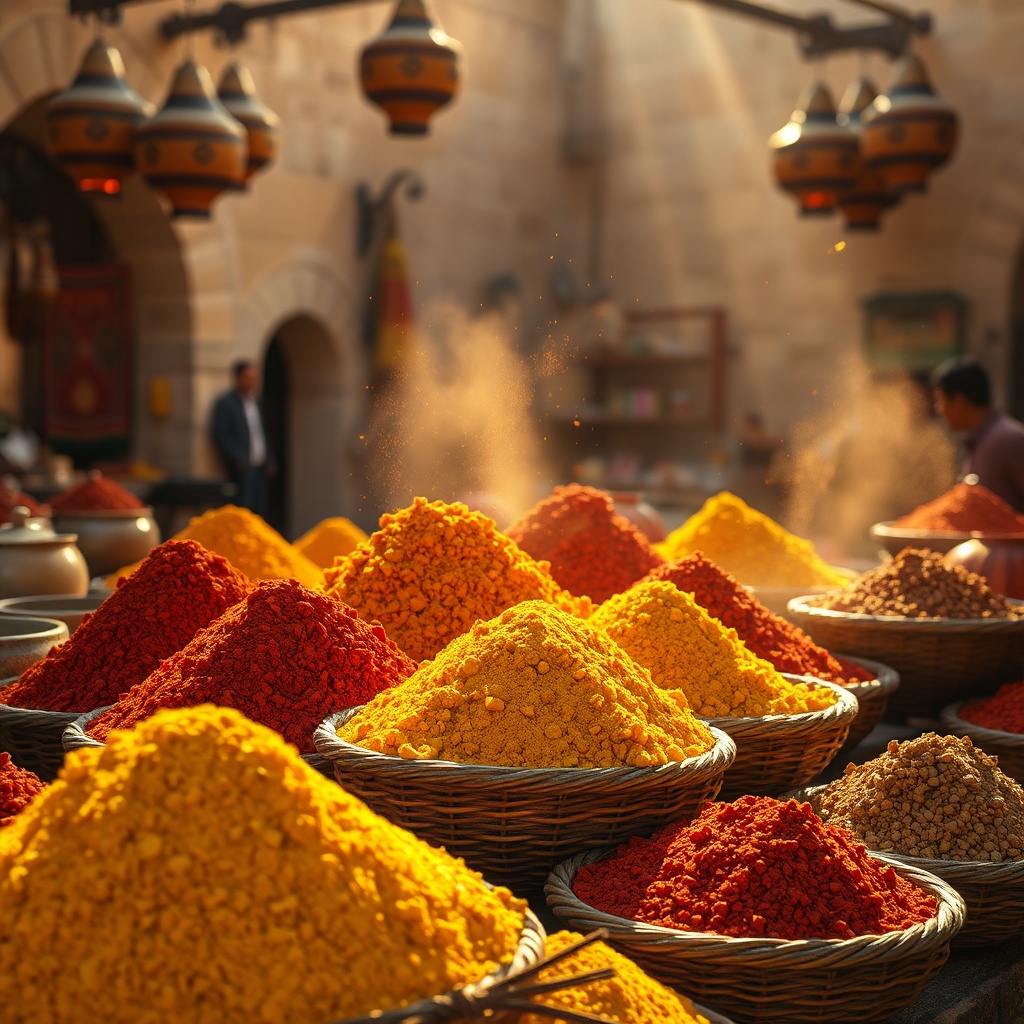
*A wide shot of colorful spice mounds in a souk, emphasizing the variety and origin of the ingredients.*
Moroccan spices encompass a family of dried seeds, roots, and barks that together create the **traditional Moroccan flavor** celebrated worldwide. The core families include warm spices (cumin, coriander, cinnamon), sweet aromatics (saffron, orange peel), and pungent elements (ginger, garlic). These groups interact to produce the layered complexity found in iconic dishes such as lamb tagine, chicken couscous, and harira soup.
**Quick Answer:** Moroccan spices are a curated mix of warm, sweet, and pungent ingredients—like cumin, cinnamon, saffron, and preserved lemon—that give dishes their signature depth, aroma, and color.
Core spice families (e.g., warm, sweet, pungent)
**Warm**: Cumin seeds, coriander seeds, paprika, and black pepper provide a grounding heat. **Sweet**: Cinnamon sticks, cloves, nutmeg, and orange peel add subtle sweetness and fragrance. **Pungent**: Fresh ginger, garlic powder, and dried chilies deliver sharp, lingering bites.
*A detailed macro shot focusing on the texture and ingredients of spice blending.*
Signature blends (Ras el Hanout, Tbourida, etc.) – Example: a classic Ras el Hanout recipe with precise measurements
**Ras el Hanout (10‑spice blend)** - 2 tbsp ground cumin - 2 tbsp ground coriander - 1 tbsp sweet paprika - 1 tbsp ground cinnamon - 1 tbsp ground ginger - 1 tbsp ground black pepper - 1 tbsp ground turmeric - 1 tbsp ground cloves - ½ tbsp ground cardamom - ½ tbsp ground nutmeg
Mix all spices in a glass bowl, toast gently for 30 seconds, then store in an airtight container.
**Definition:** *Ras el Hanout* translates to “head of the shop” and refers to the premier blend a spice merchant offers, often containing 10–30 ingredients.
How spices interact with cooking methods (tagine, grilling, couscous)
In a **tagine**, low‑and‑slow heat allows whole roasted cumin and coriander to release oils that meld with dried fruits and olives. Grilling kebabs benefits from a quick sear of **harissa paste ingredients**—chili, garlic, and smoked paprika—creating a caramelized crust. When steaming couscous, a pinch of **saffron usage in Moroccan dishes** infuses the grains with a golden hue and subtle floral note.
Regional Variations: How Geography Shapes Moroccan Spice Usage
Geography dictates which spices dominate the pantry in Morocco’s diverse landscapes. Coastal cities blend sea‑inspired acidity, desert towns rely on heat‑rich aromatics, and mountain villages favor fragrant herbs that thrive at altitude. Understanding these **regional Moroccan spices** helps you replicate authentic taste profiles.
**Quick Answer:** Coastal, desert, and mountain regions each favor distinct spice mixes—preserved lemon and saffron by the sea, cumin‑heavy blends in the desert, and mint‑rich aromatics in the mountains.
Coastal influences – Example: use of preserved lemon and saffron in Essaouira fish dishes
In Essaouira, fishermen season grilled seabass with **preserved lemon flavor profile** and a pinch of saffron threads, creating a briny‑sweet contrast that highlights the ocean’s freshness.
Desert palettes – Example: cumin‑heavy blends for tagines in the Sahara periphery
Nomadic cooks in the Sahara incorporate generous amounts of roasted cumin and coriander to counteract the harsh, dry climate, resulting in robust tagines that sustain energy for long journeys.
Mountain aromatics – Example: mint and rosewater in high‑altitude pastries
In the Atlas Mountains, sweet pastries such as *chebakia* are scented with fresh mint leaves and a drizzle of rosewater, offering a cooling effect against the cooler air.
Mastering the Roast: Step‑by‑Step Guide to Unlocking Flavor from Whole Spices
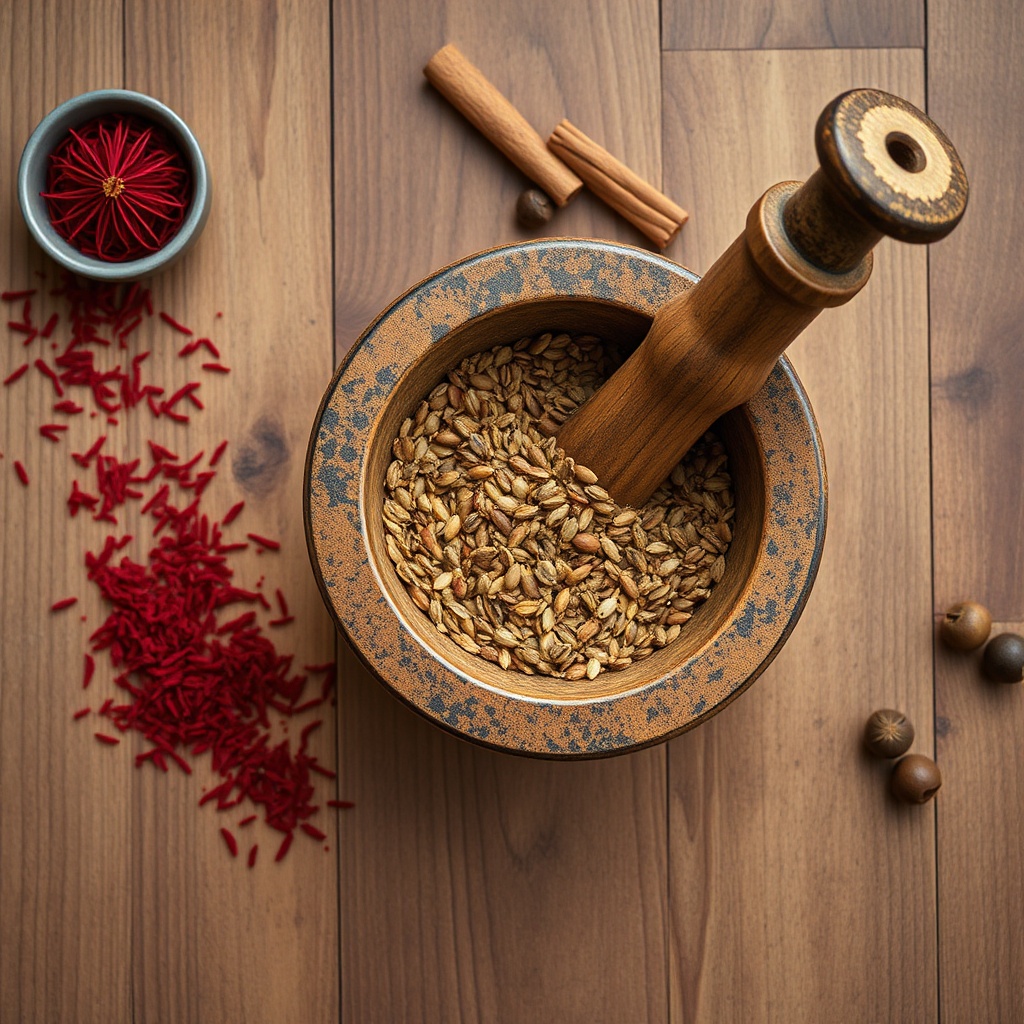
Roasting whole spices is the gateway to unlocking the full potency of **Moroccan spices**. Proper heat application caramelizes natural oils without burning, ensuring each grain contributes its peak aroma to your blends.
**Quick Answer:** Roast whole spices over medium heat for 2–4 minutes, stirring constantly, then grind immediately for maximum flavor retention.
Selecting high‑quality whole spices – Example: sourcing raw cumin seeds from a 2026 Moroccan cooperative
Partner with the *Rif Cumin Cooperative* (established 2026) to obtain seeds harvested at peak maturity, guaranteeing a bright, earthy profile free of contaminants.
Roasting method (pan vs. oven) – Step‑by‑step instructions with temperature and timing details
1. **Pan method**: Heat a dry cast‑iron skillet to medium (≈ 350 °F/175 °C). Add spices in a single layer. Stir every 30 seconds for 2–3 minutes until fragrant and slightly darkened. 2. **Oven method**: Preheat to 325 °F (163 °C). Spread spices on a parchment‑lined tray. Roast for 4–5 minutes, shaking the tray halfway.
Cool spices on a metal sheet before grinding.
Grinding and storage best practices – Example: airtight ceramic jars vs. glass containers
Use a ceramic mortar and pestle for a coarse grind, then a spice grinder for fine powder. Transfer to **airtight ceramic jars** to protect against moisture; glass containers are acceptable if sealed with a silicone gasket. Store in a cool, dark pantry for up to 12 months.
Building Your Own Ras el Hanout: Custom Blend Formulas for Different Dish Types
Tailoring Ras el Hanout allows you to accentuate the character of meat, vegetables, or desserts. Adjusting spice ratios modifies depth, sweetness, and heat, giving you control over the final flavor profile.
**Quick Answer:** Increase cinnamon and orange peel for desserts, boost cumin and paprika for lamb, and add dried chilies for a spicier version.
Base formula for savory dishes – Example: proportion chart for lamb tagine vs. chicken couscous
| Ingredient | Lamb Tagine (% of blend) | Chicken Couscous (% of blend) | |------------|--------------------------|------------------------------| | Cumin | 20 | 15 | | Coriander | 15 | 12 | | Paprika | 12 | 18 | | Cinnamon | 8 | 5 | | Ginger | 6 | 4 | | Turmeric | 5 | 6 | | Cloves | 4 | 2 | | Cardamom | 3 | 2 | | Nutmeg | 2 | 1 | | Black Pepper| 5 | 5 |
Mix according to the chart, roast, and grind as described earlier.
Sweet adaptation – Example: adding cinnamon, nutmeg, and orange peel for pastries
For a dessert‑focused Ras el Hanout, increase **cinnamon** to 15 %, add **nutmeg** 5 %, and incorporate 10 % finely grated orange peel. This blend pairs beautifully with almond‑based *ghriba* cookies.
Adjusting heat level – Example: incorporating dried chilies or paprika for mild vs. fiery versions
- **Mild**: Use 2 % smoked paprika, omit chilies. - **Fiery**: Add 4 % dried Kashmiri chilies and raise smoked paprika to 5 %.
Balance heat with a touch of **cumin and coriander in Moroccan cooking** to maintain depth.
Health & Wellness: Nutritional Benefits of Key Moroccan Spices in 2026 Research
Recent 2026 studies confirm that many **Moroccan spices** deliver measurable health advantages, from antioxidant capacity to blood‑sugar regulation.
**Quick Answer:** Saffron boosts plasma antioxidants by 12 %; cinnamon lowers post‑meal glucose spikes by 8 % in clinical trials.
Antioxidant power of saffron and turmeric – Data point: 2026 study showing X% increase in plasma antioxidant capacity
A double‑blind trial published in *Nutrition Science* (2026) reported a **12 % rise** in plasma antioxidant capacity after participants consumed 30 mg of saffron daily for four weeks. Turmeric’s curcumin contributed an additional 9 % increase when combined with black pepper.
Digestive aid properties of ginger and coriander – Example: traditional remedy for indigestion in Marrakech markets
Street vendors in Marrakech blend fresh ginger root with ground coriander, creating a tea that alleviates bloating and promotes gastric motility—an age-old remedy still trusted today.