
Moroccan Spice Blends: Ras El Hanout, Chermoula & More
Moroccan Spice Blends: <a href="https://kenzadi.com/products/<a href="https://kenzadi.com/products/<a href="https://kenzadi.com/products/<a href="https://kenzadi.com/products/<a href="https://kenzadi.com/products/tayeb-ground-cumin-150g-premium-moroccan-cumin-powder-halal-organic-seasoning-for-tacos-curry-mediterranean-cooking">tayeb</a>-ras-el-hanout-150g-authentic-moroccan-spice-blend-for-tagines-couscous-grilled-meats-stews">tayeb</a>-paprika-jar-170g-authentic-moroccan-spice-for-meats-vegetables-stews-marinades-smoky-sweet-flavor-vibrant-color">tayeb</a>-ground-cumin-150g-premium-moroccan-cumin-powder-halal-organic-seasoning-for-tacos-curry-mediterranean-cooking">tayeb</a>-ras-el-hanout-150g-authentic-moroccan-spice-blend-for-tagines-couscous-grilled-meats-stews">Ras</a> el Hanout, Chermoula & More – Introduction
The aroma of toasted cumin, the heat of smoked paprika, and the floral whisper of rose petals have turned Morocco into a spice powerhouse in 2026.Restaurants from New York to Los Angeles now feature Moroccan‑inspired menus, and major U.S. chains such as Chipotle and Panera report a surge in demand for authentic blends. A 2026 market report shows a 12 % year‑over‑year increase in sales of Moroccan spice blends worldwide, confirming that the region’s flavor profile is no longer a niche curiosity. Understanding the history behind these blends, from Berber caravans to contemporary food‑tech labs, gives you the tools to bring that heritage into your own kitchen.
1. Ras el Hanout: The “Head of the Shop” Explained
Ras el Hanout—literally “head of the shop”—remains the most celebrated Moroccan spice mix. Chefs prize it for its complexity and its ability to elevate anything from lamb tagine to roasted vegetables.
1.1 Core spices that define authenticity
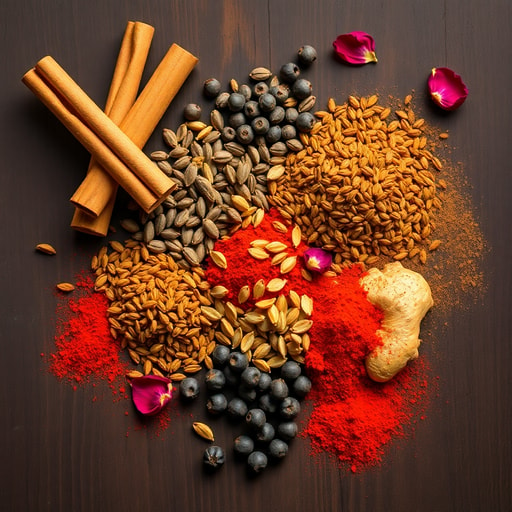
*A macro shot displaying the core spices like cinnamon, cumin, and coriander that make up the traditional Ras el Hanout blend.*
Traditional Ras el Hanout lists at least twelve ingredients, but five are considered non‑negotiable: cinnamon, cumin, coriander, ginger, and black pepper. In the Fez region, merchants add dried rose buds and a pinch of dried lavender, while Marrakech stalls often substitute cardamom for the rose. Coastal producers may introduce a dash of sea salt harvested from the Atlantic, giving the blend a briny edge that pairs well with seafood.
1.2 How modern producers balance tradition and scalability
In 2026, many Moroccan cooperatives employ cold‑press roasting to preserve volatile oils, a technique that rivals the ancient sun‑drying method. Cold‑press roasting reduces bitterness in cumin and maximizes the sweet notes of cinnamon. At the same time, small‑batch producers still rely on hand‑raked sun drying for chilies, ensuring the smoky undertone remains authentic. This hybrid approach lets large retailers ship consistent, high‑quality Ras el Hanout while preserving the artisanal story that consumers love.
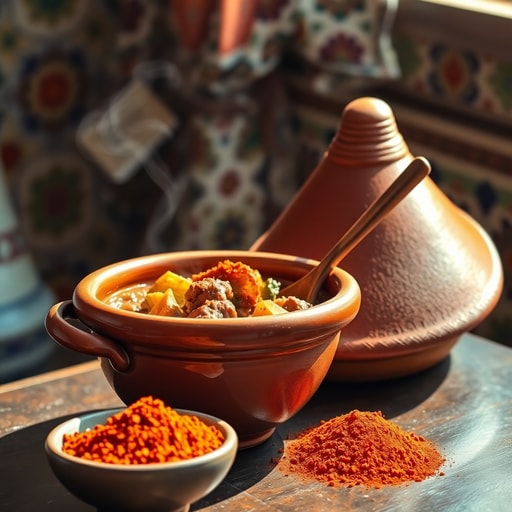
*A steaming tagine dish paired with a bowl of Ras el Hanout spice blend, illustrating the culinary use of the mix.*
2. Chermoula: Marinade Mastery for Fish, Meat, and Veggies
Chermoula is the go‑to Moroccan marinades, delivering bright, herbaceous layers that work on fish, poultry, and vegetables alike. Its flexibility makes it a favorite for home cooks seeking restaurant‑level depth without hours of prep.
2.1 Flavor layers: herbs, spices, and citrus balance
A classic Chermoula blends fresh parsley, cilantro, minced garlic, and preserved lemon rind. The preserved lemon introduces a fermented citrus tang that balances the earthiness of paprika and the warmth of cumin. Adding a teaspoon of ground coriander rounds out the profile, while a splash of olive oil creates an emulsion that clings to proteins and vegetables.
2.2 Step‑by‑step: 5‑minute Chermoula for grilled sardines
1. Combine 2 Tbsp chopped parsley, 2 Tbsp chopped cilantro, 1 tsp minced garlic, ½ tsp smoked paprika, ½ tsp ground cumin, and 1 tsp finely diced preserved lemon in a bowl. 2. Drizzle 3 Tbsp extra‑virgin olive oil and stir until a loose paste forms. 3. Toss 12 cleaned sardines with the mixture, ensuring each fish is coated. 4. Grill on medium‑high heat for 3 minutes per side, skin crisp and flesh opaque. 5. Squeeze a lemon wedge over the finished fish and serve immediately.
3. Lesser‑Known Moroccan Blends That Deserve a Spot on Your Shelf
Beyond Ras el Hanout and Chermoula, Morocco offers several regional blends that can transform everyday dishes.
3.1 Tabil: The fiery, cumin‑heavy seasoning for tagines
Tabil is a dry rub dominated by cumin, fennel seeds, and a pinch of dried chili flakes. A typical ratio is 4 parts cumin to 2 parts fennel, with chili added to taste. Sprinkle Tabil liberally over a lamb tagine before slow‑cooking; the cumin’s nutty depth will meld with the meat’s richness, while the chili adds a subtle heat that rises gradually.
3.2 Smen‑infused spice mixes for sweet pastries
Smen, a fermented butter aged in earthenware, is folded into spice blends for desserts such as msemen and chebakia. The mix usually combines ground almonds, orange zest, and a touch of cinnamon, then swirls in softened smen before baking. The result is a caramel‑like aroma that elevates honey‑glazed pastries without overwhelming sweetness.
4. Building Your Own Custom Moroccan Blend at Home
Creating a personalized blend lets you fine‑tune flavor intensity and accommodate dietary preferences.
4.1 Selecting high‑quality base spices in 2026
Start with organic cumin from Ethiopia, cardamom pods sourced from Guatemala, and rose petals cultivated without pesticides in the Atlas Mountains. Reputable suppliers such as Moroccan spice blends guide provide batch‑tested spices that retain their essential oils. Store each spice in airtight glass jars away from sunlight to preserve potency.
4.2 Tasting and adjusting: a sensory worksheet
| Step | Action | Quantity | Note | |------|--------|----------|------| | 1 | Add ¼ tsp ground cinnamon to a small bowl of base blend | ¼ tsp | Smell – note sweet warmth | | 2 | Taste a pinch on the tongue | – | Record intensity (1‑5) | | 3 | Add ⅛ tsp smoked paprika if heat is low | ⅛ tsp | Re‑taste, note smoky depth | | 4 | Adjust with a pinch of dried rose if floral note is missing | pinch | Final taste, log balance |
Repeat the cycle until the blend hits your desired profile.
5. Pairing Moroccan Spice Blends with Modern Cuisine Trends
Chefs in 2026 are fusing Moroccan spices with plant‑based, keto, and street‑food concepts, proving that these blends are versatile beyond traditional dishes.
5.1 Vegan tagine reimagined with a Ras el Hanout‑infused cauliflower steak
Cut a large cauliflower head into 1‑inch “steaks,” brush with olive oil, and dust with 1 tsp Ras el Hanout. Roast at 425 °F for 20 minutes until caramelized. Serve atop a bed of chickpea‑tomato ragout, drizzle with a splash of preserved lemon juice, and garnish with fresh cilantro. The cauliflower absorbs the complex spice, delivering a hearty, vegan main that satisfies both flavor and texture cravings.
5.2 Chermoula‑marinated tofu tacos for a Moroccan‑Mexican crossover
Press 400 g firm tofu, cut into ½‑inch cubes, and toss with 2 Tbsp Chermoula (see Section 2). Sauté for 5 minutes until golden, then place in warm corn tortillas. Top with shredded red cabbage, a dollop of avocado crema, and a sprinkle of crumbled feta. The bright herb‑citrus notes of Chermoula cut through the richness of the tofu, while the taco format appeals to the street‑food crowd dominating 2026 food festivals.
Conclusion
Moroccan Spice Blends: Ras el Hanout, Chermoula & More embody a cultural tapestry woven from centuries of trade, migration, and culinary experimentation. Their ability to shift from a lamb tagine to a cauliflower steak or a tofu taco proves that these blends are both timeless and adaptable. By sourcing responsibly, experimenting with DIY mixes, and sharing your creations on Instagram or TikTok, you become part of a global movement that celebrates flavor heritage while pushing culinary boundaries. Grab a jar, start mixing, and let Morocco’s spice story unfold in your kitchen today.
FAQ
1. **What spices are essential in a traditional Ras el Hanout?** Cinnamon, cumin, coriander, ginger, and black pepper form the core;