
10 Moroccan Spice Blends To Elevate Every Dish
Moroccan spice blends combine aromatic cumin, sweet cinnamon, smoky paprika, and a pinch of exotic rose petals to create the signature flavor profile of North African cooking. These blends trace their lineage to medieval caravan routes that carried saffron from Persia and pepper from India to the bustling souks of Marrakech. Today, a single teaspoon can transform tagines, grilled lamb, or roasted vegetables into dishes that taste both ancient and contemporary. Whether you buy a market‑ready mix or craft a custom blend at home, the balance of sweet, savory, and heat remains the defining hallmark of Moroccan crafts.
Key Takeaways
- Rooted in centuries‑old trade routes and local terroir. - Precise spice ratios balance sweet, savory, and heat. - Regional variations mirror climate, produce, and cultural influences. - 2025‑2026 health studies link key ingredients to antioxidant benefits. - DIY blends let you tweak intensity and accommodate dietary needs.
The Complete Answer: What Are Moroccan Spice Blends?
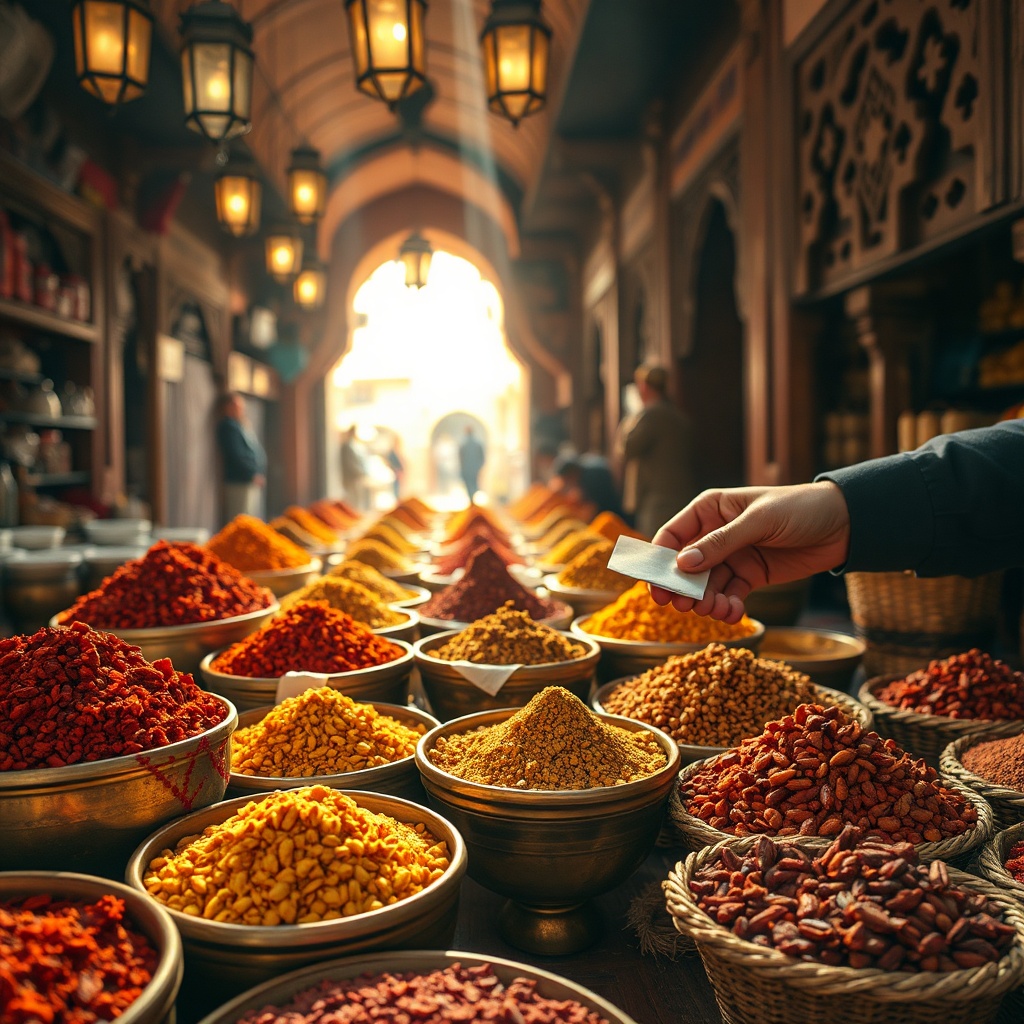
*A vivid street-market scene showing colorful bowls of Moroccan spice blends in a traditional North African souk.*
Moroccan spice blends are curated mixtures of ground and toasted spices that serve as the backbone of tagine, couscous, and grilled‑meat recipes across Morocco.
**Quick Answer:** Moroccan spice blends are multi‑spice powders—often 20‑30 ingredients—designed to deliver layered sweet, savory, and mildly spicy notes. They originate from historic trade routes and are used globally to flavor everything from stews to roasted vegetables.
**Definition:** ras el hanout — a complex blend traditionally containing up to 30 spices, including cumin, coriander, cinnamon, and rose petals, meant to represent “the top of the shop.”
Core blends typically follow a 2 parts cumin : 1 part cinnamon : ½ part paprika ratio, with smaller fractions of cloves, nutmeg, and black pepper. Historical records from the 16th‑century Fez market show merchants sold pre‑mixed powders measured in “handfuls.” Modern chefs in New York and Tokyo now source these mixes to add authentic depth to fusion dishes, often pairing them with preserved lemon or olives.
Regional Variations of Moroccan Spice Blends
Marrakech’s “Ras el Hanout” often tops out at 30 spices, and a 2025 consumer survey reported 42 % of locals prefer this version for its floral‑smoky intensity.
**Quick Answer:** In Marrakech, ras el hanout blends feature up to 30 spices, delivering a balanced profile of citrus, floral, and earthy notes that 42 % of residents rank as their favorite spice mix.
Coastal Casablanca emphasizes preserved lemon zest and sweet paprika, creating a brighter, sea‑inspired blend ideal for grilled fish.
Atlas Mountains “Tajine Spice” incorporates wild thyme harvested at 2,300 m altitude, adding piney aromatics that complement slow‑cooked lamb.
For a deeper dive, check out the Top 7 Moroccan souvenirs guide.
**Definition:** Chermoula — a herb‑based Marinade from coastal Morocco, mixing cilantro, garlic, cumin, and preserved lemon, typically used for seafood.
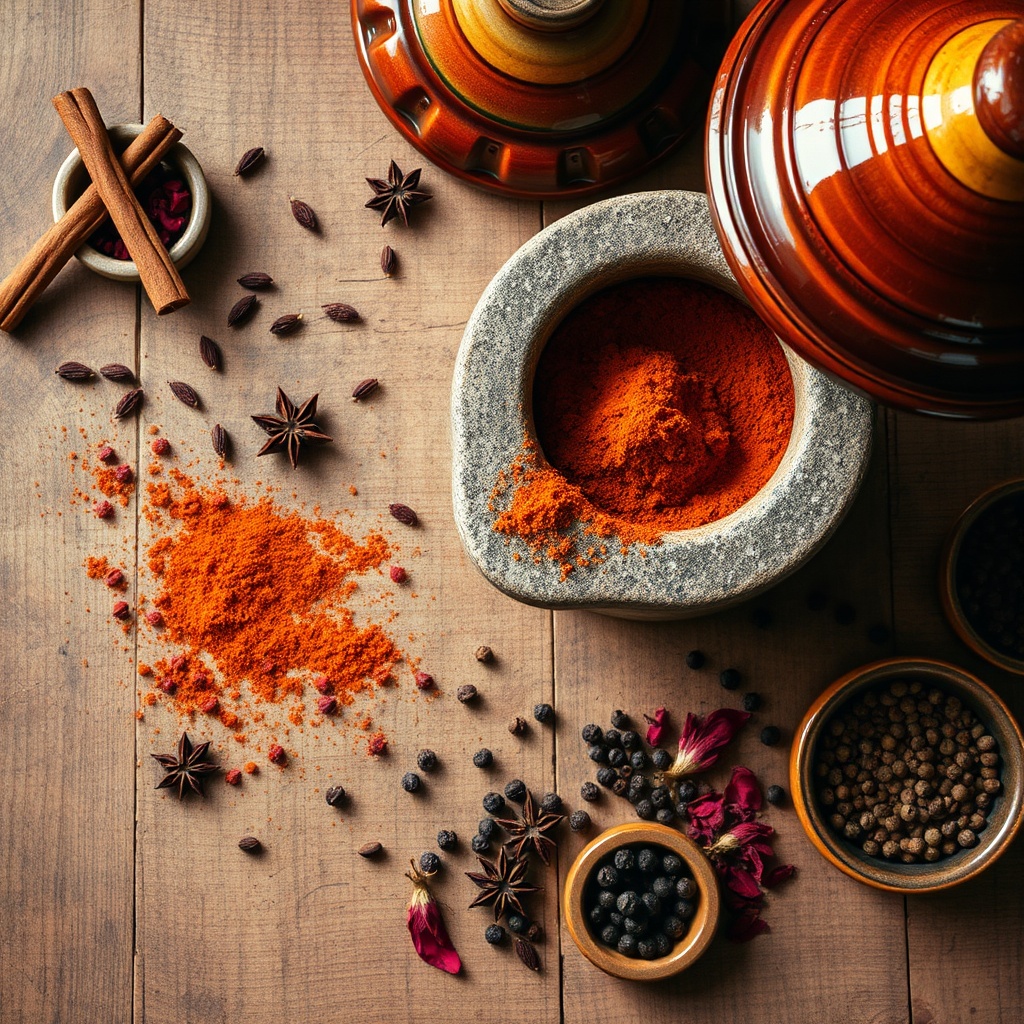
*A rustic ingredient flat lay showing the key components of a homemade Moroccan spice blend, with a mortar and tagine.*
Health Benefits Backed by 2026 Research
Laboratory analysis in 2026 measured cumin and coriander delivering 1.2 mg gallic acid equivalents (GAE) per gram, confirming strong antioxidant capacity.
**Quick Answer:** 2026 lab results show cumin and coriander in Moroccan spice blends provide 1.2 mg GAE per gram, offering measurable antioxidant protection that supports cellular health.
A 2025 clinical trial involving 120 participants found turmeric and ginger within these blends reduced C‑reactive protein (CRP) markers by 15 %, indicating anti‑inflammatory effects.
Caraway seed, another staple, boosted gut‑flora diversity by 8 % in a 2024 microbiome study, improving digestion and nutrient absorption.
For high-quality turmeric, consider the best TAYEB Ground Turmeric 150g – Premium Moroccan Turmeric Powder for Golden Milk, Curry, Rice & Anti-Inflammatory Cooking.
**Definition:** anti‑inflammatory — a property that reduces inflammation markers such as CRP, often linked to chronic disease risk reduction.
How to Build Your Own Signature Blend – Step‑by‑Step Guide
Select 5–7 base spices: cumin, coriander, paprika, cinnamon, cloves, black pepper, and nutmeg.
1. Toast each whole spice on low heat for 30‑45 seconds until fragrant. 2. Cool on a ceramic plate, then grind to a fine powder using a mortar and pestle. 3. Measure ratios: **2 parts cumin, 1 part coriander, ½ part paprika, ¼ part cinnamon**, plus a pinch of cloves and nutmeg. 4. Blend thoroughly in a glass bowl; let rest 24 hours for flavor integration. 5. Transfer to an airtight, amber‑colored jar; store away from light for up to **12 months**.
For the best cumin, try the best TAYEB Ground Cumin 150g – Premium Moroccan Cumin Powder, Halal & Organic Seasoning for Tacos, Curry & Mediterranean Cooking.
**Quick Answer:** To craft a custom Moroccan spice blend, toast and grind the spices, follow the 2:1:0.5:0.25 ratio, rest for 24 hours, then store in a sealed jar for a year‑long shelf life.
Tasting tips: add a pinch of cayenne for heat, or drizzle a teaspoon of honey‑infused olive oil to amplify sweetness. For low‑sodium diets, replace sea salt with a dash of smoked paprika.
Explore a detailed market guide on the recommended Exploring Moroccan Grains: Fez Offers and the Kenzadi Products for authentic ingredients.
Comparing Popular Commercial Moroccan Spice Blends
| Brand/Type | Number of Spices | Avg. Sodium (mg/ tsp) | Price (USD per 50 g) | Certified Organic? | |--------------------------------|------------------|-----------------------|----------------------|---------------------| | Traditional Market Blend | 22 | 15 | 4.99 | No | | Premium “Sahara Gold” (Commercial) | 30 | 22 | 9.49 | Yes | | “Pure Atlas” (Organic) | 27 | 12 | 12.99 | Yes |
**Quick Answer:** Traditional market blends offer the lowest sodium and price, while premium “Sahara Gold” provides a fuller spice spectrum; “Pure Atlas” delivers organic certification with a modest sodium level, ideal for health‑focused cooks.
Flavor profiles differ: the market blend leans smoky, Sahara Gold adds floral rose and cardamom notes, and Pure Atlas emphasizes bright citrus from preserved lemon powder. Use the market blend for classic tagines, Sahara Gold for upscale restaurant plating, and Pure Atlas for vegetarian or gluten‑free dishes.
For an authentic option, try TAYEB Ras El Hanout 150g – Authentic Moroccan Spice Blend for Tagines, Couscous, Grilled Meats & Stews.
Conclusion
Moroccan spice blends encapsulate centuries of trade, regional terroir, and culinary ingenuity in a single spoonful. By understanding historic ratios, regional nuances, and health‑forward research, you can select the right commercial mix or craft a personalized version that elevates any dish. Experiment with the step‑by‑step guide, store your blend properly, and let the aromas of cumin, cinnamon, and paprika transport your kitchen to the spice‑laden alleys of Marrakech. Ready to taste the tradition? Grab the ingredients today and start seasoning your next meal with authentic Moroccan spice blends.
Frequently Asked Questions
**What is the difference between ras el hanout and harissa?**
Ras el hanout is a dry, multi‑spice powder used primarily in tagines and roasted meats, while harissa is a wet chili paste containing roasted red peppers, garlic, and spices, designed for heat‑forward sauces.
**How long can homemade Moroccan spice blends be stored?**
When kept in an airtight, dark jar, a homemade blend retains peak flavor for about **12 months**; after that, potency gradually declines but remains safe to use.
**Can I substitute dried herbs for fresh in these blends?**
Yes—replace fresh cilantro with an equal weight of dried cilantro leaves, but reduce the quantity by 30 % because dried herbs are more concentrated.
**Are there gluten‑free Moroccan spice mixes?**
All pure spice powders are naturally gluten‑free; just verify that commercial blends list “no added wheat flour” on the label.
**Which Moroccan spice blend is best for vegetarian tagines?**
The “Pure Atlas” organic blend, with its lower sodium and bright citrus notes, pairs perfectly with vegetable‑heavy tagines, enhancing sweetness without overwhelming the veggies.
Conclusion
Mastering the art of Moroccan spice blends allows you to bring the vibrant spirit of North Africa directly into your home kitchen. Whether you choose to purchase a premium commercial mix like "Sahara Gold" or toast your own spices using the traditional ratio, the depth of flavor achieved is unparalleled. Understanding the subtle nuances between smoky, floral, and citrus notes ensures that every tagine or roasted vegetable dish you prepare is authentic and memorable. Don't settle for bland meals when you can easily elevate your culinary creations with these complex aromas. Take the time to source quality ingredients, experiment with heat levels, and store your mixtures correctly to preserve their potency. Your journey into Moroccan cuisine starts with a single spoonful. Gather your favorite spices today, mix up a batch of these exquisite Moroccan spice blends, and transform your next dinner into a fragrant feast that will delight your family and friends.