
Moroccan Ramadan Foods 2026: 10 Dishes You Can't Miss
Moroccan Ramadan Foods 2026: 10 Dishes You Can't Miss
Ramadan in Morocco is more than a month of fasting—it is a celebration of culinary heritage passed down through generations. The Moroccan Ramadan foods 2026 landscape blends centuries-old recipes with Kenzadi, offering a rich tapestry of flavors that vary from the coastal cities to the Sahara's edge. From the iconic harira soup that breaks the daily fast to the honey-drenched chebakia pastries that restore energy, this guide covers the essential dishes, regional differences, and evolving trends shaping iftar tables across the Kingdom this year.
Key Takeaways
- Harira is the undisputed centerpiece of the Moroccan iftar, served almost daily during Ramadan. - Chebakia and other sweets are essential for the post-fasting sugar boost, often paired with mint tea. - Moroccan Ramadan foods vary significantly by region, with coastal, northern, and southern influences shaping local menus. - Modern 2026 trends include healthier adaptations and convenient pre-packaged options, alongside traditional home cooking. - The iftar meal follows a structured sequence: dates, harira, pastries, then a main dish.
The Complete Answer: What Are the Essential Moroccan Ramadan Foods in 2026?
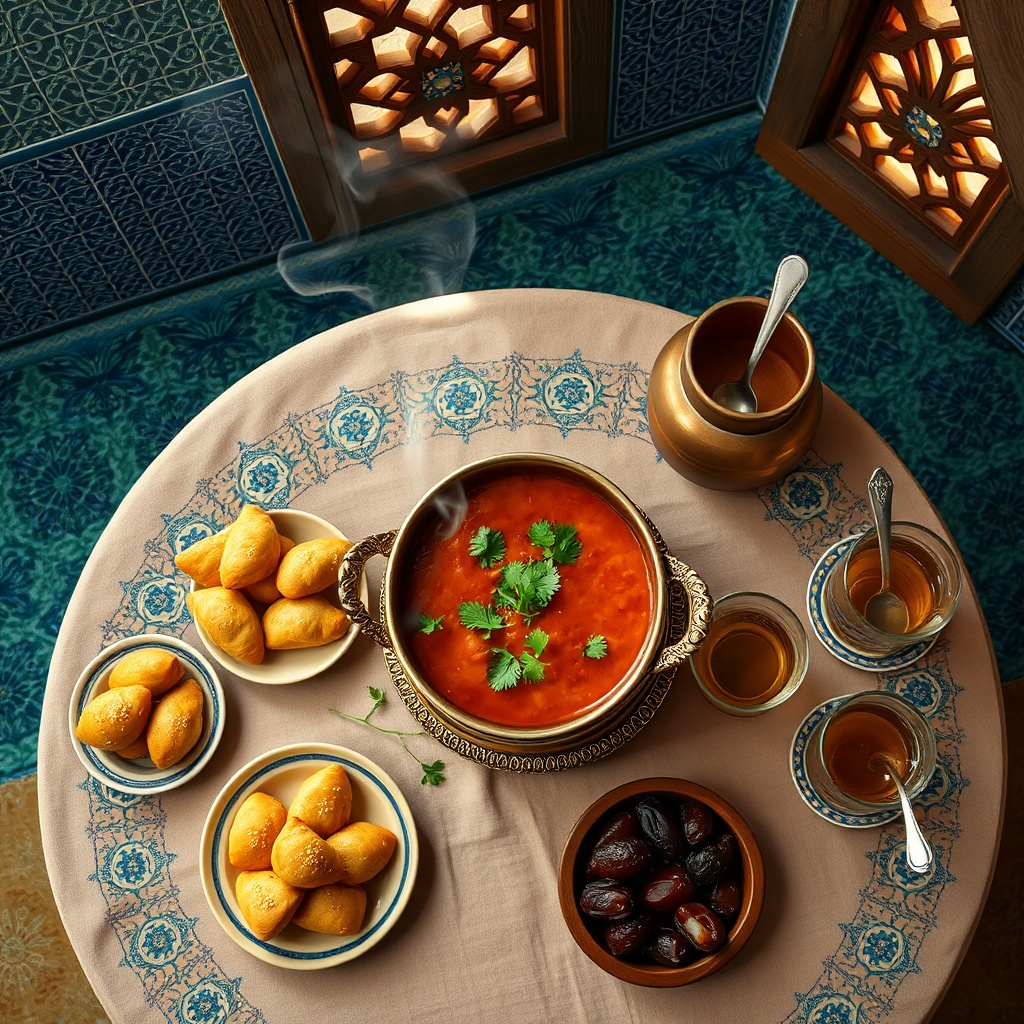
*Captures the iconic sequential structure of a Moroccan iftar, highlighting the essential staples that break the daily fast.*
The Moroccan iftar table is built on a foundation of specific dishes that have defined the fast-breaking meal for generations. While the exact spread varies by family and region, several foods are non-negotiable staples across the Kingdom. The traditional Moroccan Iftar meal structure and sequence follow a deliberate order: dates and milk to gently break the fast, followed by harira soup, then pastries and sweets, and finally a substantial main dish.
The Staple Soup: Harira
Harira is the iconic tomato-based soup that anchors every Moroccan Ramadan table. This rich, velvety soup combines lentils, chickpeas, and a generous amount of fresh herbs like cilantro and parsley, simmered with Aicha Double Concentrated Tomato Paste 13.05 Oz – Premium Moroccan Tomato Paste for Cooking & Sauces and a blend of warming spices, such as TAYEB Ras. The nutritional benefits of Harira soup for fasting are well recognized—it provides a balanced mix of protein, complex carbohydrates, and essential vitamins, making it the ideal first substantial food after a long day without eating.
The cultural significance of harira cannot be overstated. It is the first dish eaten after sunset, marking the moment of iftar, and it is served nearly every single night of the month. Families often prepare a large pot that simmers for hours, allowing the flavors to deepen. Regional variations exist, with some families adding meat like lamb or beef, while others keep it vegetarian, and the spice profile can shift from cumin-forward in the north to more paprika-heavy in the south.
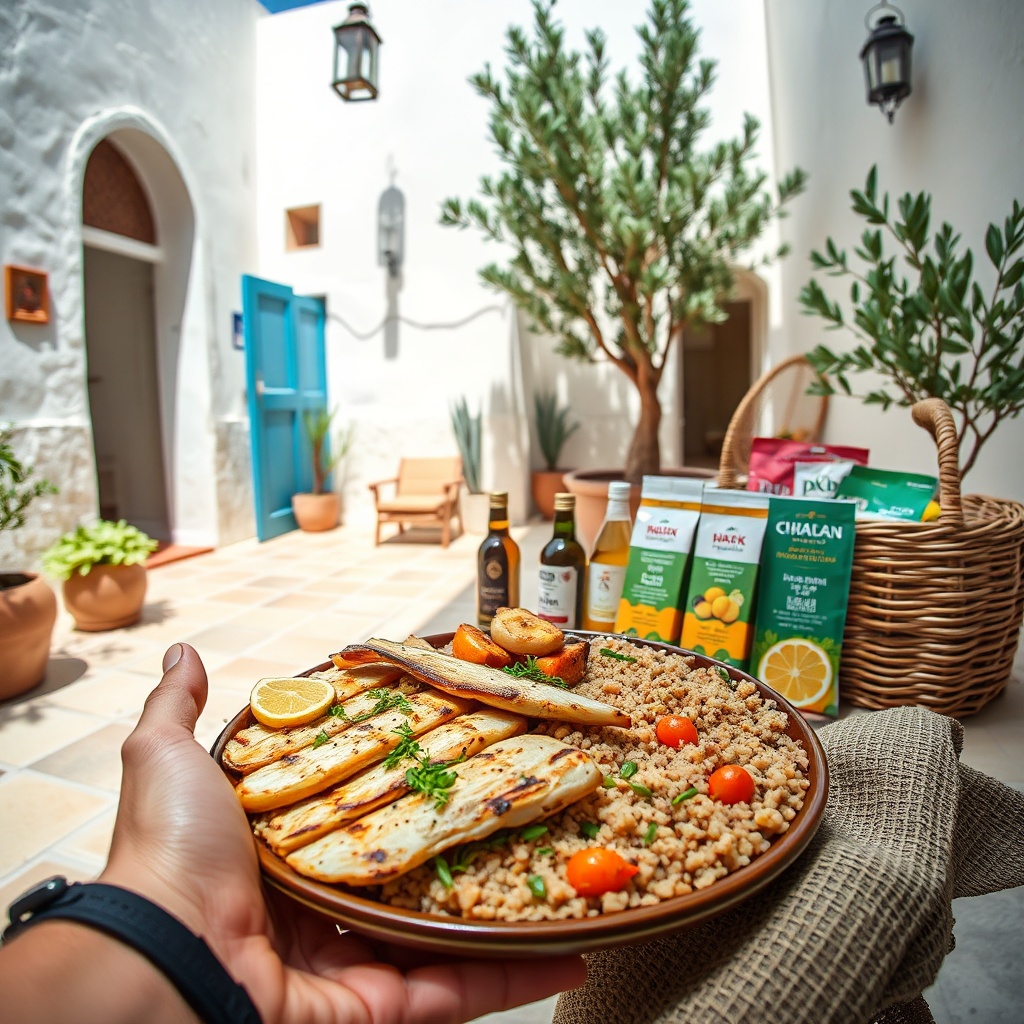
*Showcases the shifting culinary landscape by merging age-old recipes with today's healthier, convenient cooking preferences across different regions.*
The Essential Sweet: Chebakia
Chebakia is the signature sweet of Moroccan Ramadan, a flower-shaped pastry that is deep-fried and then coated in a thick glaze of honey and toasted sesame seeds. The intricate shape is achieved by folding strips of dough, and the preparation is often a communal family activity in the days leading up to Ramadan. The cultural significance of Chebakia and Msemen is deeply rooted in Moroccan hospitality, and these sweets are offered to guests throughout the month.
Its role in providing quick energy after fasting is practical as well as symbolic. The combination of honey, sesame, and fried dough delivers an immediate glucose boost, which is exactly what the body needs after sunset. Traditional preparation methods involve a dough scented with anise, cinnamon, and orange blossom water, which gives chebakia its distinctive aroma and flavor.
The Breakfast Pastries: Msemen and Baghrir
Msemen is a flaky, pan-fried flatbread that is a staple at both iftar and suhoor. The dough is hand-laminated with layers of oil or butter, then folded into a square and cooked on a griddle until golden and crisp. It is commonly served with honey, cheese, or a mixture of both, and it is almost always accompanied by a glass of mint tea poured from a Moroccan 8 Cups Tea Pot Handmade Serving Medium Brass Silver Platted Teapot Hand Carved In Fes Morocco online.
Baghrir, known as the "thousand-hole" pancake due to its spongy, porous texture, is another essential Ramadan item. These yeast-based pancakes are cooked on one side only, leaving the surface covered in tiny holes that soak up the honey butter poured over them. Both msemen and baghrir are typically paired with mint tea, which is itself a cornerstone of Moroccan hospitality and is consumed throughout the evening.
Regional Variations: How Moroccan Ramadan Foods Differ Across the Kingdom
While the core dishes remain consistent, the Moroccan Ramadan foods 2026 landscape is remarkably diverse. Each region has its own culinary identity shaped by geography, climate, and historical influences. Understanding these differences is key to appreciating the full scope of Moroccan Ramadan cuisine.
Northern Influence: Tangier and the Rif
In the northern cities like Tangier and the Rif mountains, the proximity to the Mediterranean Sea shapes the iftar table. Seafood-based dishes are more common, and soups tend to be lighter than the hearty harira found elsewhere. The climate in this region also influences the use of fresh herbs and vegetables, which are abundant throughout the year.
Southern Flavors: Marrakech and the Sahara
The southern regions, including Marrakech and the Sahara, favor heartier fare. Tagines are slow-cooked with dried fruits like apricots and prunes, creating a sweet-and-savory profile that is beloved across the region. Couscous is also a mainstay, often prepared using the Al Mohajer Stainless Steel Couscoussier – 10L / 26cm Two-Tier Steamer Pot for Authentic Moroccan & Mediterranean Cooking | Vegetable & Seafood Steamer and served on Fridays and during special occasions. Dates and nuts are incorporated into both sweet and savory dishes, reflecting the agricultural abundance of the oasis areas.
Coastal Specialties: Casablanca and Essaouira
The coastal cities of Casablanca and Essaouira bring a distinct maritime influence to Ramadan dining. Fresh fish and shellfish are prepared in traditional Moroccan styles, often grilled or cooked in a chermoula marinade of garlic, lemon, and herbs. The culinary traditions along the coast have also been shaped by centuries of trade and cultural exchange, adding a layer of diversity to the local cuisine.
The Modern Twist: How 2026 Ramadan Food Trends Are Evolving
The Moroccan Ramadan foods 2026 experience is not static. Contemporary lifestyles, health consciousness, and technology are all reshaping how families approach the month of fasting. These trends are creating new options while preserving the essence of tradition.
Fusion and International Influences
Younger generations are blending Moroccan classics with global cuisines, creating innovative dishes that still honor traditional flavors. Harira fusion bowls, for example, might incorporate quinoa, avocado, or even Alitkane Vermicelli Cheveux d'Ange 500g | Authentic Moroccan Angel Hair Pasta alongside the classic ingredients, offering a modern twist on the beloved soup. Pop-up iftar events in major cities are also featuring modern interpretations of traditional dishes, attracting food enthusiasts who are eager to explore new culinary experiences.
Health-Conscious Adaptations
As awareness of nutrition and wellness grows, many Moroccan families are seeking lighter versions of traditional foods. Chebakia, traditionally deep-fried and saturated with honey, is being reimagined in baked or air-fried versions with reduced sugar. Similarly, harira can be made with less oil and more vegetables, and there is a growing demand for plant-based and gluten-free alternatives for both harira and pastries. These vegan and allergen-free Moroccan Ramadan alternatives are making it easier for people with dietary restrictions to participate fully in the month's traditions.
The Rise of Pre-Packaged and Online Ordering
The convenience of modern life is changing how Moroccans prepare for Ramadan. Supermarkets now offer frozen chebakia and ready-to-cook harira, allowing families to save time without sacrificing flavor. Delivery apps and e-commerce platforms have also expanded their offerings, providing Ramadan meal boxes that include a complete iftar spread. This trend is particularly valuable for those with busy schedules or who live far from their extended families.
A Step-by-Step Guide to Preparing a Traditional Moroccan Iftar
Preparing a traditional Moroccan iftar requires planning and timing, especially when the meal must be ready precisely at sunset. This step-by-step guide provides a practical approach to assembling a complete and authentic spread.
Step-by-Step Iftar Menu Planning
1. **Start with dates and milk or water** to gently break the fast, following the Prophet's tradition. This provides a quick source of natural sugar and hydration. 2. **Serve a bowl of harira** immediately after, with lemon wedges and a sprinkle of fresh cilantro. The soup should be hot and flavorful. 3. **Move to the sweet course**: chebakia with mint tea. The honey and sesame provide a welcome energy boost. 4. **Offer a selection of breads** like msemen and baghrir, with honey and cheese for dipping or spreading. 5. **Present the main dish** – typically a tagine, couscous, or pastilla – depending on the day of the week. Many families have a rotating menu. 6. **Finish with fresh fruit or a light dessert** like sellou, a flour-based sweet that is both nutritious and satisfying.
Timing and Hosting Tips
Successful iftar preparation hinges on careful timing. Start the harira early in the afternoon, as it benefits from a long, slow simmer. The dough for msemen and baghrir should also be prepared ahead of time, allowing it to rest and rise properly. As the sun begins to set, the focus shifts to the final assembly: reheating the soup, frying the msemen, and pouring the tea. The traditional table setting is simple but elegant, with the dishes arranged in the order they will be served.
Common Mistakes to Avoid
One of the most common mistakes is overcooking harira, which can make it too thick and pasty. The soup should have a silky, pourable consistency. Another frequent error is forgetting to rest the dough for msemen, which results in a flat, tough bread instead of the desired flaky layers. Paying attention to these details can make a significant difference in the final quality of the meal.
Comparison: Traditional Moroccan Ramadan Foods vs. Modern Alternatives
For those planning their Ramadan menu, understanding the trade-offs between traditional preparation and modern adaptations is essential. The following comparison table highlights the key differences for the most common dishes.
Traditional vs. Modern Comparison Table
| Dish | Traditional Preparation | Modern Adaptation | Key Differences | |------|-------------------------|-------------------|-----------------| | Harira | Slow-cooked with lamb or beef, fresh herbs | Instant pot or pre-packaged, often vegetarian | Time, richness, and meat content | | Chebakia | Deep-fried, hand-shaped, coated with honey | Baked or air-fried, sugar-free syrups | Texture, calorie count, sweetness | | Msemen | Hand-laminated dough, pan-fried in butter | Frozen versions or made with whole wheat flour | Freshness, fat content, convenience | | Baghrir | Yeast batter cooked on a griddle, served with honey butter | Gluten-free or vegan versions | Texture, dietary compliance |
When to Choose Traditional vs. Modern
The choice between traditional and modern options often comes down to the occasion and the cook's priorities. Traditional preparation is ideal for family gatherings and when authenticity is paramount, especially when grandparents or older relatives are present. The slow-cooked flavors and handmade textures are irreplaceable. Modern options, on the other hand, are well-suited for busy schedules or when accommodating dietary restrictions. They offer convenience without completely sacrificing the essence of the dish.
Cost and Availability Considerations
Budget is another important factor. Traditional ingredients, such as bulk lentils, chickpeas, and flour, can be very economical, especially when purchased in large quantities. This makes the traditional approach a cost-effective choice for feeding a large family. Modern alternatives, like pre-packaged or ready-to-cook items, often cost more per serving but save significant preparation time. For families with limited time during the workweek, this trade-off is often worthwhile.
Frequently Asked Questions### What is the most important Moroccan Ramadan food?
Harira is the signature dish of Moroccan Ramadan, consumed daily to break the fast. Its combination of lentils, chickpeas, and herbs provides essential nutrients after a long day of fasting.
Are Moroccan Ramadan foods the same across all cities?
No, significant regional variations exist. Coastal cities like Casablanca and Essaouira feature seafood, while inland areas like Marrakech favor hearty tagines and couscous with dried fruits.
Can I find vegetarian or vegan Moroccan Ramadan foods?
Yes, many dishes like harira can be made without meat, and modern adaptations increasingly cater to plant-based diets. Vegan and allergen-free Moroccan Ramadan alternatives are becoming more widely available.
What is the typical order of dishes at a Moroccan iftar?
The meal follows a structured sequence: dates and milk to break the fast, then harira soup, followed by sweets and pastries, and finally a main course.
How long does it take to prepare a traditional Moroccan iftar?
Preparation often starts several hours in advance, with some dishes like harira simmering for 2–3 hours to develop their full flavor.
Conclusion
The Moroccan Ramadan foods 2026 experience is a beautiful balance of tradition and innovation. The core dishes—harira, chebakia, and pastries—remain non-negotiable, serving as anchors for the daily iftar. However, regional diversity and modern trends offer something for every palate, whether you prefer a slow-cooked classic or a quick, health-conscious adaptation. For those planning their Ramadan menu, start with the essentials, embrace regional specialties, and don't be afraid to experiment with modern twists. Exploring Moroccan cuisine online reveals the depth of flavor, but the true essence of the month lies not just in the food, but in the spirit of sharing and nourishment that brings families and communities together.