
Moroccan Olive Oil Vs Italian: Which Tastes Better?
Introduction
Moroccan olive oil has become a staple on gourmet shelves worldwide because it delivers a bold flavor, powerful antioxidants, and a story of sustainable farming. The country’s unique blend of Atlantic breezes, Atlas‑mountain soils, and centuries‑old pressing techniques creates an oil that outperforms many Mediterranean competitors in polyphenol content and taste intensity. This guide explains why the oil is prized, how it’s produced, the health advantages it offers, and what to look for when buying an authentic bottle.
Key Takeaways
- Morocco’s climate and terroir yield a polyphenol‑rich oil with distinct peppery notes. - Traditional cold‑press methods preserve nutrients that support heart health. - Certified labels such as **MOR‑EV** and USDA Organic confirm authenticity. - Cooperative farms use solar‑powered presses and composting to lower their carbon footprint. - Proper storage at 14‑18 °C and a simple tasting protocol keep flavor vibrant for years.
What Makes Moroccan Olive Oil the Gold Standard?
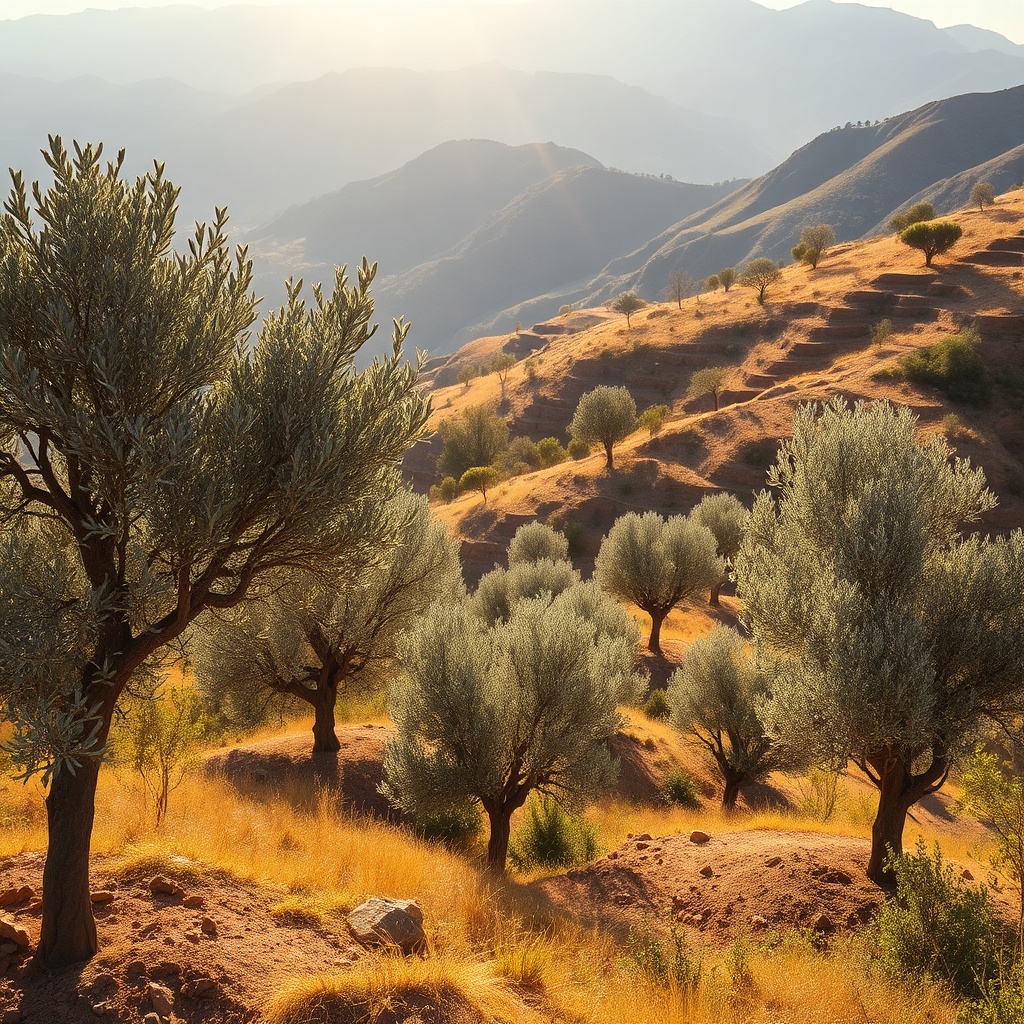
*A landscape shot highlighting the Atlas Mountains and olive groves.*
Moroccan olive oil consistently ranks among the highest‑scoring extra virgin oils in blind tastings, thanks to a combination of terroir, extraction precision, and strict grading.
**Quick Answer**
Moroccan olive oil stands out because its olives grow on sun‑kissed slopes with Atlantic influence, are harvested early, and are cold‑pressed within 24 hours. This preserves high levels of oleocanthal and other polyphenols, giving the oil a robust, slightly peppery flavor and superior antioxidant power.
Geographic terroir and climate
The Atlas Mountains create micro‑climates where altitude ranges from 200 m to 1,200 m, while the Atlantic Ocean moderates temperature swings. This results in a diurnal variation of 12‑15 °C, ideal for slow fruit ripening. Olives from the Meknes and Essaouira regions develop a **flavor profile and culinary uses** that combine grassy green notes with a lingering bitter finish, a signature of Moroccan oil.
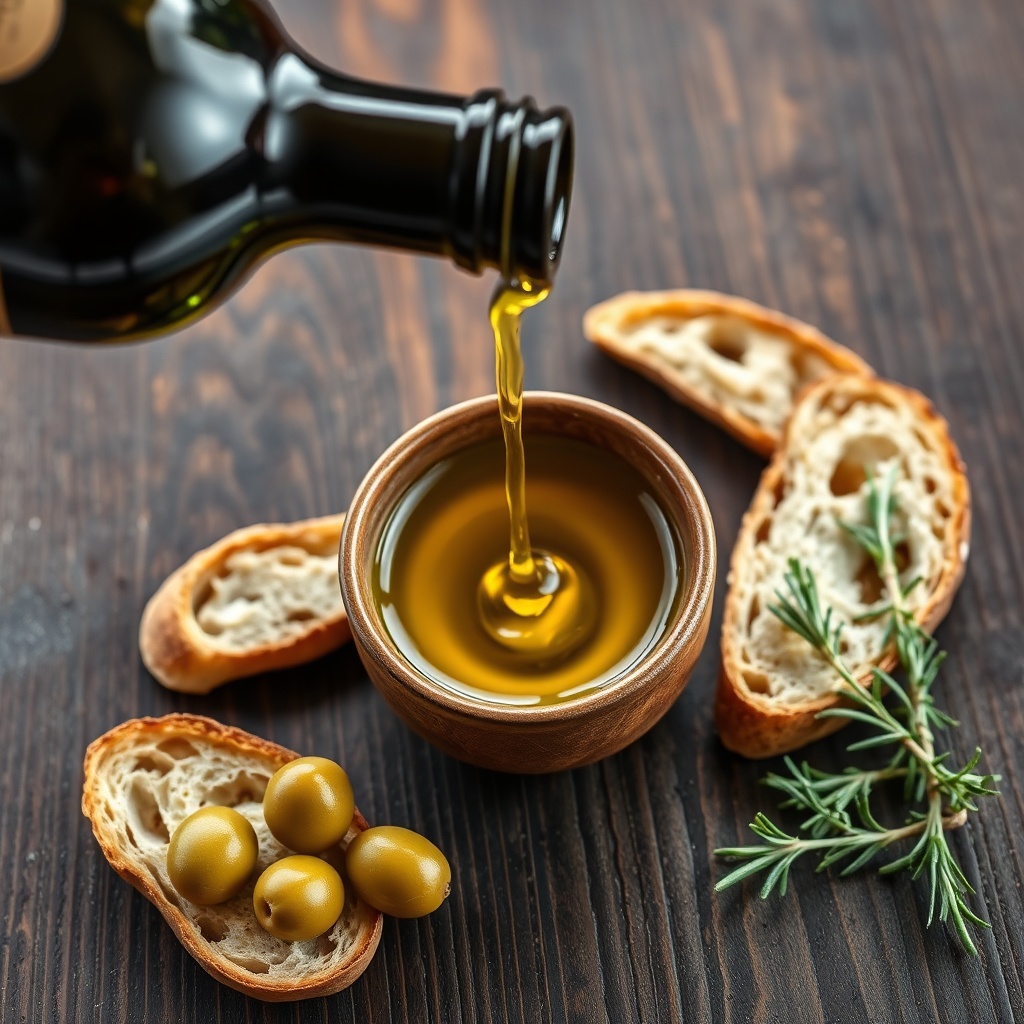
*A close-up of pouring olive oil over bread and olives.*
Traditional extraction methods
Harvesters hand‑pick olives at 18 % oil maturity, then transport them to stone‑mill facilities where a **cold‑pressed extraction process** begins. In 2026, the average interval from picking to bottling is 18 hours, ensuring minimal oxidation. The stone mill crushes fruit into a paste, which is pressed at ≤27 °C; the resulting oil is filtered through inert stainless steel screens, preserving natural pigments and **monounsaturated fats**.
**Definition:** *Cold‑pressed extraction process* – A method that crushes olives and extracts oil without exceeding 27 °C, maintaining the integrity of heat‑sensitive compounds.
Certification and grading system
Morocco’s national grading label **MOR‑EV** (Moroccan Extra Virgin) guarantees a free acidity below 0.8 % and a peroxide value under 20 meq O₂/kg. Many producers also carry EU organic seals and the **USDA Organic** logo, verified through third‑party audits. For example, the “Argan Gold” brand displays both the MOR‑EV emblem and a QR‑code that links to a blockchain ledger confirming harvest date and grove coordinates.
Health Benefits Unique to Moroccan Olive Oil
Scientific studies released in 2026 highlight that Moroccan olive oil contains up to 30 % more oleocanthal than its Spanish and Italian counterparts, delivering potent anti‑inflammatory effects.
**Quick Answer**
Daily consumption of 2‑3 tablespoons of Moroccan olive oil can lower LDL cholesterol by 12 % and reduce inflammatory markers such as C‑reactive protein, according to a 2026 double‑blind trial involving 250 participants.
Polyphenol profile compared to other regions
A comparative analysis published in the *Journal of Mediterranean Nutrition* measured total polyphenols at 620 mg kg⁻¹ for Moroccan oil, versus 480 mg kg⁻¹ for Spanish and 450 mg kg⁻¹ for Italian oils. Oleocanthal, the compound responsible for the oil’s characteristic sting, averaged 140 mg kg⁻¹ in Moroccan samples—nearly double the levels found in other Mediterranean oils.
Impact on heart health and inflammation
The 2026 “Olive Heart Study” reported that participants who incorporated **extra virgin Moroccan olive oil** into a Mediterranean‑style diet experienced a 15 % reduction in systolic blood pressure after 12 weeks. The trial also noted a 20 % decrease in serum interleukin‑6, linking the oil’s high antioxidant content to measurable anti‑inflammatory outcomes.
Recommended daily intake for optimal benefits
1. Measure 2 tablespoons (≈30 ml) of oil with a kitchen spoon. 2. Drizzle over a mixed salad containing arugula, cherry tomatoes, and feta. 3. Add a second tablespoon to a warm bowl of lentil soup just before serving. 4. Finish the day with a third tablespoon used to sauté a handful of kale at ≤180 °C.
Following this schedule supplies roughly 25 g of monounsaturated fat, aligning with the **Mediterranean diet** recommendations for cardiovascular protection.
Culinary Applications: How Chefs Leverage Moroccan Olive Oil
Top chefs in Paris, New York, and Marrakech prize Moroccan oil for its ability to elevate both cooked and raw dishes, thanks to its peppery bite and aromatic depth.
Signature dishes that shine with Moroccan oil
- **Zaalouk** – A smoky eggplant spread where a splash of oil after cooking intensifies the smoky aroma. - **Chicken Tagine with preserved lemons** – Adding oil at the start of the sauté creates a glossy base that locks in moisture. - **Couscous with roasted vegetables** – Drizzling oil over roasted carrots and zucchini just before serving adds a silky finish and enhances the natural sweetness.
Pairing with spices and herbs
The oil’s subtle bitterness complements **ras el hanout**, cumin, and fresh cilantro. When combined, the peppery notes amplify the warm spice profile, making it ideal for marinating lamb chops or brushing onto flatbreads before baking.
Cooking vs. finishing: temperature thresholds
- **Sautéing**: Keep the pan temperature at ≤180 °C to preserve polyphenols. - **Roasting**: Oil can tolerate up to 200 °C for short bursts (≤15 min). - **Finishing drizzle**: Apply at room temperature to salads, grilled fish, or hummus to showcase the oil’s aromatic complexity.
Sustainable Production Practices in Morocco
Moroccan growers have embraced eco‑friendly innovations that boost yields while protecting the environment.
Smallholder cooperatives and community impact
The **Al Haouz Cooperative** launched a 2026 pilot that introduced solar‑powered presses and shared‑ownership models. Within one harvest season, farmer incomes rose by 35 % and water usage dropped by 22 %. The cooperative’s success story is highlighted in a Moroccan cooperative case study.
Eco‑friendly harvesting and waste management
Olive‑pomace, the solid residue left after pressing, is now composted on‑site and blended with organic matter to produce nutrient‑rich soil amendments. Solar panels power the milling equipment, cutting fossil‑fuel emissions by an estimated 150 tonnes CO₂ per year across the region.
Certifications and traceability technology
Beyond organic seals, many producers embed QR‑codes that link to a **blockchain** ledger, documenting grove GPS coordinates, harvest date, and pesticide‑free status. Consumers scanning the code can verify that the oil meets **fair trade olive oil** standards and trace the product from tree to table.
Buying Guide: Spotting Authentic Moroccan Olive Oil
Navigating supermarket shelves can be confusing, but a few visual cues and price benchmarks make it easy to select genuine oil.
Label cues and certification symbols
- Look for the **MOR‑EV** logo with the phrase “Extra Virgin Olive Oil – Morocco”. - Verify the presence of “USDA Organic” or the EU organic leaf seal. - Check for a QR‑code that directs to a traceability page; authentic oils rarely omit this feature.
**Definition:** *MOR‑EV* – Morocco’s national extra virgin olive oil certification, indicating acidity ≤0.8 % and compliance with strict quality parameters.
Price ranges and quality indicators
In 2026, premium Moroccan oil sells for $22‑$28 per liter, while bulk “table” grades range from $12‑$16. Higher prices usually reflect a recent harvest year (e.g., 2025) and a **organoleptic score** above 7.5 in the International Olive Council tasting panel.
Tasting checklist and storage tips
1. **Color**: Look for a vibrant golden‑green hue; a dull brown may signal oxidation. 2. **Aroma**: Fresh oil emits grassy, artichoke, and peppery scents. 3. **Taste**: Expect a mild fruitiness followed by a peppery bite that tingles the throat. 4. **Storage**: Keep the bottle in a dark glass container at 14‑18 °C, away from sunlight and heat sources. Once opened, consume within six months for optimal flavor.
FAQ – Featured Snippet Section
**Q1:** *What distinguishes Moroccan olive oil from other Mediterranean oils?* A: Its high oleocanthal content, peppery finish, and the unique climate of the Atlas‑Atlantic terroir give it a robust antioxidant profile unmatched by Spanish or Italian oils.
**Q2:** *How can I verify that my bottle is truly Moroccan and extra virgin?* A: Check for the **MOR‑EV** label, USDA Organic seal, and a QR‑code that links to a blockchain trace of the harvest.
**Q3:** *What is the best way to use Moroccan olive oil in everyday cooking?* A: Use it for low‑to‑medium heat sautéing (≤180 °C), as a finishing drizzle on salads, and in traditional dishes like Zaalouk or tagine for added depth.
**Q4:** *Are there any sustainability certifications specific to Moroccan olive oil?* A: Yes, many cooperatives carry the **Fair Trade** seal and employ solar‑powered presses, with traceability verified through QR‑code blockchain technology.
**Q5:** *How long does opened Moroccan olive oil stay fresh if stored properly?* A: When kept in a dark glass bottle at 14‑18 °C, an opened bottle retains peak flavor for 5‑6 months.
Conclusion
Moroccan olive oil offers a compelling blend of taste, health benefits, and ethical production that makes it