
Moroccan Nos Nos Coffee Trends 2026
Moroccan Nos Nos coffee culture 2026 has become the defining ritual for urban Moroccans, blending equal parts espresso and sweetened milk into a glass that signals both tradition and modernity. In 2026, the half‑and‑half drink dominates café menus, fuels remote‑work conversations, and anchors a sustainability push that favors locally grown beans and biodegradable packaging. The ritual now stretches beyond family kitchens into stylish “third places,” where Gen Z and Millennials sip layered coffee while scrolling Instagram stories of boutique roasters in Casablanca and Marrakech. Recent data from the Moroccan Tourism Board shows Nos Nos orders represent 42 % of all coffee sales in city cafés, overtaking pure espresso for the first time.
Introduction
The resurgence of **Moroccan coffee traditions** reflects a broader shift in café culture trends 2026, where heritage meets hipster aesthetics. While mint tea still anchors morning hospitality, Nos Nos commands the afternoon pause, offering a sweet, caffeinated bridge between work and leisure. Contemporary cafés pair the drink with almond‑flavored pastries, and social media hashtags like #NosNos2026 amplify its visual appeal. This blend of old and new fuels a national conversation about flavor, identity, and environmental responsibility.
**Quick Answer:** Moroccan Nos Nos coffee culture 2026 blends equal parts espresso and sweetened milk, now served in specialty cafés as a symbol of modern social connection. Its popularity surged to 42 % of urban coffee sales, making it the leading coffee choice across Morocco’s major cities.
Key Takeaways
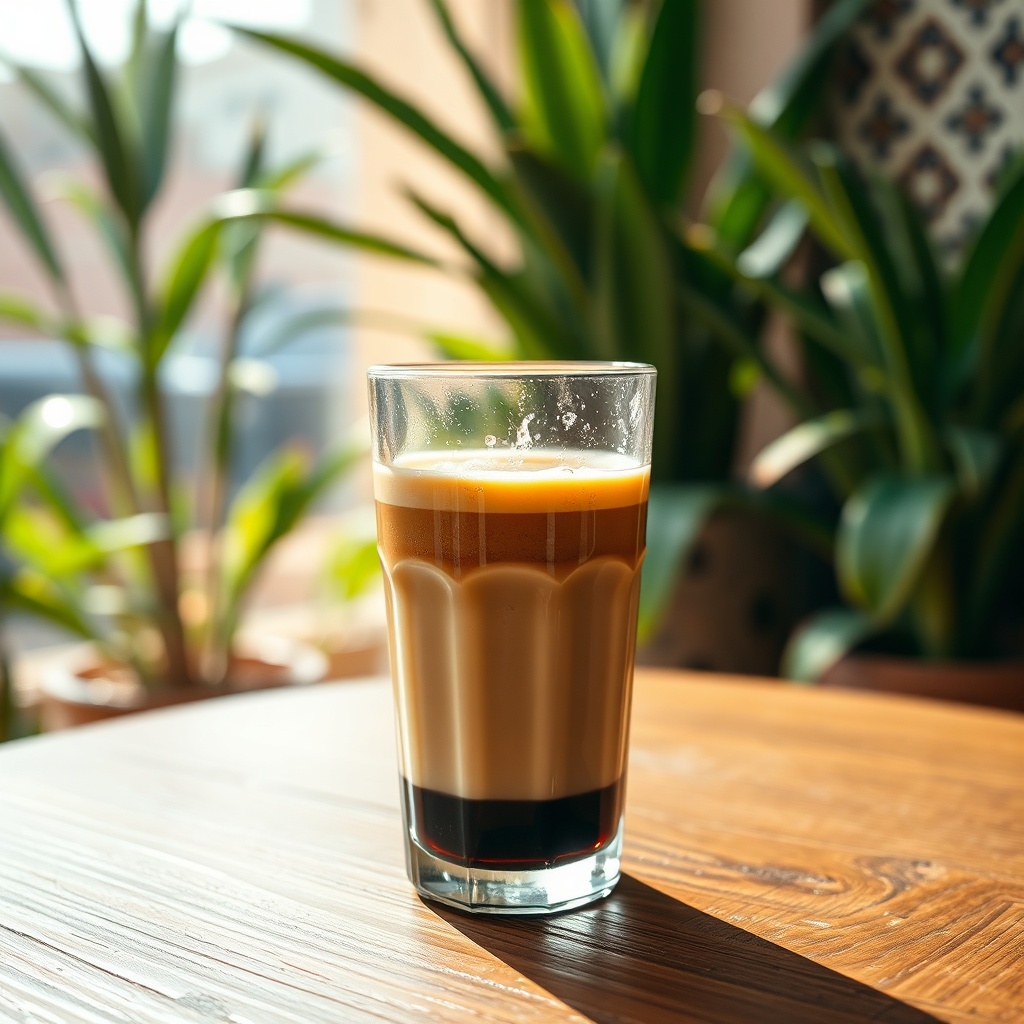
*Close-up of the iconic Nos Nos drink in a stylish setting.*
- Nos Nos remains the dominant coffee preference in Morocco in 2026, symbolizing a balance of strength and sweetness. - The culture has shifted from traditional home brewing to a “third place” phenomenon in urban specialty cafés. - Sustainability and locally sourced beans are driving the 2026 evolution of the Nos Nos experience. - Modern interpretations are introducing plant‑based milk alternatives while respecting the traditional 50/50 ratio.
Moroccan Nos Nos coffee culture 2026: The Complete Answer

*A young woman savoring Nos Nos coffee in a contemporary cafe environment.*
The Core Definition and Historical Roots
**Definition:** Nos Nos (Arabic “half‑half”) refers to a coffee drink made with equal volumes of strong espresso and a sweet dairy component, traditionally condensed milk but increasingly oat or almond milk.
Originating in the 1950s as a household staple, the drink was once prepared on gas stoves using French‑press coffee and canned sweetened milk. Its simple 1:1 ratio distinguished it from a latte, which uses a higher milk‑to‑coffee proportion, and from a cappuccino, which adds foam. Over decades, the glass presentation—clear, tall, and often with a decorative stirrer—became a visual emblem of Moroccan hospitality.
The 2026 Cultural Shift
In 2026, Nos Nos transcended its kitchen roots to become a marker of urban chic. Young professionals gather in coworking cafés where high‑speed Wi‑Fi and acoustic panels encourage “fast connection” conversations. The drink’s sweetness matches the intensity of a double espresso, delivering an instant energy boost without the bitterness that older generations once avoided. A 2026 hospitality report by the Moroccan Tourism Board recorded Nos Nos as 42 % of all coffee orders in Casablanca, Marrakech, and Rabat, surpassing espresso for the first time.
**Quick Answer:** In 2026, Nos Nos evolved from a home‑brew comfort to a status‑driven café staple, with 42 % of urban coffee sales now coming from this half‑and‑half drink. Its rise reflects a generational embrace of quick, social coffee rituals in modern “third places.”
The Anatomy of the Perfect Brew: Step‑by‑Step### Traditional vs. Modern Ingredients
Authentic 2026 Nos Nos relies on dark‑roasted Arabica beans sourced from the Souss‑Massa micro‑climates, ground to a fine espresso consistency. Traditional recipes call for sweetened condensed milk, but a growing 15 % of vegan‑friendly riads now substitute oat milk blended with date syrup, preserving the drink’s signature caramel hue while cutting dairy waste.
How to Brew Authentic Nos Nos: A Step‑by‑Step Guide
1. Pull a double shot of espresso using a 19‑bar pump machine; aim for 60 ml of crema‑rich coffee. 2. Heat 60 ml of condensed milk or oat‑date mixture to **65 °C (149 °F)** to avoid caramelization. 3. Fill a clear 120 ml glass halfway with the warmed milk, creating a visual midpoint. 4. Gently pour the espresso over the back of a stainless spoon, allowing a thin layer to sit atop the milk before stirring. 5. Serve instantly with a chilled glass of water on the side, a customary palate cleanser observed across Morocco in 2026.
**Quick Answer:** To craft a perfect Nos Nos in 2026, combine a 60 ml double espresso with an equal portion of warmed condensed milk or oat‑date blend at 65 °C, pour over a spoon for layered effect, and serve with a glass of water for balance.
Social Rituals: Where and How Moroccans Connect### The Rise of the “Third Place” in Cities
Modern cafés now function as hybrid work‑life hubs, featuring adjustable lighting, communal tables, and acoustic zones for focused tasks. Unlike the quick‑takeaway coffee culture of the West, Moroccan Nos Nos venues encourage linger‑long sessions, where a single glass can accompany a two‑hour brainstorming meeting. Architectural designs incorporate reclaimed cedar wood and mosaic tiles, echoing historic medinas while providing ergonomic chairs for remote workers.
Gender Dynamics and Public Spaces
Women’s participation in public café life has surged, with 2026 seeing a 30 % increase in women‑only lounges that serve Nos Nos alongside gluten‑free pastries. Mixed‑gender specialty spots report that 68 % of business professionals now prefer meeting over Nos Nos rather than traditional mint tea, citing the drink’s quicker caffeine delivery and its perceived modernity.
**Quick Answer:** In 2026, Moroccan cafés serve as “third places” where Nos Nos fuels collaborative work and social interaction. Women increasingly occupy these spaces, with 68 % of professionals choosing Nos Nos meetings over mint tea for efficiency and style.
Nos Nos vs. The World: A Global Comparison### Distinctive Characteristics
Nos Nos stands out for its **high sweetness level** and transparent glass presentation, which showcases the natural layering of milk and espresso. The drink’s 1:1 ratio yields a syrupy mouthfeel unmatched by most European coffee styles.
Comparative Analysis: Nos Nos and Global Counterparts
| Feature | Moroccan Nos Nos | Spanish Cortado | Italian Cappuccino | |-----------------------|------------------|-----------------|--------------------| | **Milk Ratio** | 50 % Milk / 50 % Coffee | Approx. 50/50 (warm milk) | High milk / Low coffee (foamed) | | **Sweetness** | High (condensed milk or syrup) | Low to none | Low (sugar optional) | | **Serving Vessel** | Transparent glass | Small ceramic cup | Wide ceramic cup | | **Time of Day** | Anytime (morning/night) | Morning/afternoon | Morning only (traditionally) | | **Texture** | Creamy, syrupy | Velvety, smooth | Airy, foamy |
**Quick Answer:** Compared with a Spanish cortado or Italian cappuccino, Nos Nos delivers a uniquely sweet, syrupy profile in a clear glass, making it suitable for any time of day and appealing to both traditionalists and modern coffee enthusiasts.
Sustainability and the Future of Moroccan Beans### The Shift to Local Agriculture
The 2026 “Green Coffee Initiative” encourages cultivation in Souss‑Massa’s high‑altitude farms, reducing import dependence by 40 % since 2023. Boutique roasters label their beans as “Farm‑to‑Cup,” offering traceability codes that link each cup to a specific plot. High‑altitude Arabica from the Agadir region now commands a premium price of **MAD 45 per 250 g** bag, reflecting both quality and sustainability.
Eco‑Friendly Packaging and Waste Reduction
Following the 2025 nationwide plastic ban, cafés have adopted biodegradable PLA cups and a glass‑return system that refunds **MAD 2** per reusable vessel. A 2026 survey by the Green Atlas Initiative found that 25 % of Marrakech cafés source at least 30 % of their beans from experimental local farms, doubling the 2024 figure.
**Quick Answer:** Moroccan coffee sustainability in 2026 focuses on local bean production in Souss‑Massa and eco‑friendly packaging, with 25 % of Marrakech cafés now sourcing 30 % of beans locally and using biodegradable cups to meet post‑2025 plastic regulations.
Conclusion
Moroccan Nos Nos coffee culture 2026 illustrates how a simple half‑and‑half ritual can evolve into a national symbol of modernity, sustainability, and social cohesion. From its roots in family kitchens to its prominence in stylish “third places,” Nos Nos now fuels remote work, gender‑balanced networking, and eco‑conscious consumption. As local micro‑roasters expand and biodegradable packaging becomes standard, the future of this iconic drink looks both flavorful and responsible. Experience the layered sweetness yourself—visit a certified Nos Nos café in Casablanca or Marrakech and join the conversation shaping Morocco’s coffee legacy.
FAQ
**What does "Nos Nos" mean in Moroccan coffee culture?** Nos Nos translates from Arabic as “half‑half,” describing a coffee made with equal parts espresso and a sweet milk component, traditionally condensed milk.
**Is Nos Nos coffee served with sugar?** Yes; the sweetness comes from either sweetened condensed milk or added date syrup, eliminating the need for extra granulated sugar.
**Can you make Nos Nos with plant‑based milk in 2026?** Absolutely—oat milk blended with date syrup has become a popular vegan alternative, preserving the 50/50 balance while catering to plant‑based diets.
**What is the difference between Nos Nos and a Latte?** A latte uses a higher milk‑to‑coffee ratio (typically 3:1) and steamed milk foam, whereas Nos Nos maintains a strict 1:1 ratio and a syrupy sweetness without foam.