
5 Moroccan Mint Tea Health Benefits You Didn't Know
Moroccan mint tea, known as *atay*, is more than a drink—it is a symbol of hospitality poured from silver teapots across North Africa. While its cultural roots run deep, the moroccan mint tea health benefits are grounded in the combination of green tea and spearmint, offering a unique blend of antioxidants, digestive support, and mental relaxation. This guide separates the science from the folklore, providing an evidence-based look at what this beverage can and cannot do for your health.
Key Takeaways
- Moroccan mint tea combines green tea catechins (like EGCG) with mint polyphenols (like rosmarinic acid), creating a broader antioxidant profile than either plant alone. - The most significant benefits are digestive comfort, antioxidant support, and a calm, focused alertness—but only when brewed correctly and consumed without excessive sugar. - The traditional high sugar content is the biggest health drawback, negating many metabolic benefits. - The ritual of brewing and sharing tea provides psychological and social well-being benefits that are independent of the chemical compounds. - Brewing at lower temperatures (around 80-85°C) and steeping briefly preserves the delicate catechins and prevents bitterness.
The Complete Answer: What Are the Real Moroccan Mint Tea Health Benefits?
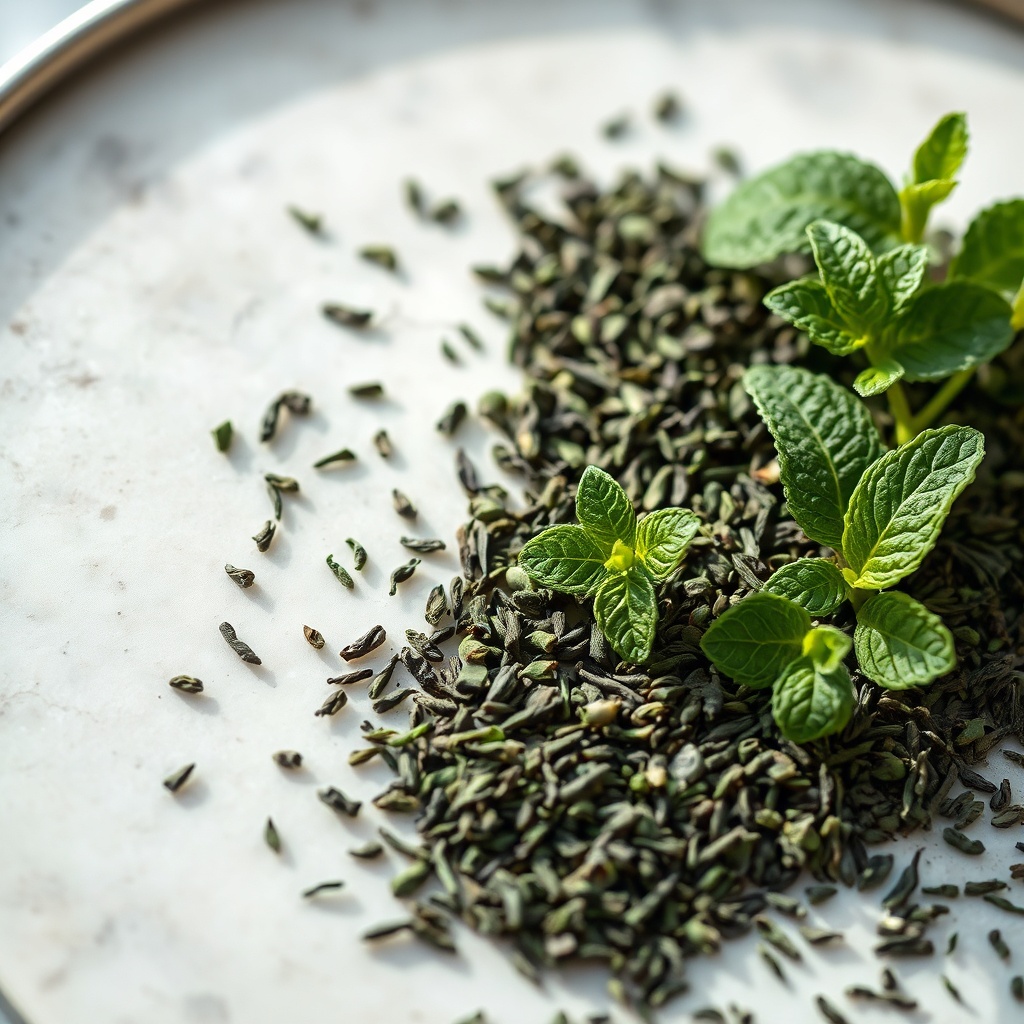
*Detailed view of raw ingredients showcasing the natural sources of EGCG and rosmarinic acid found in traditional Moroccan mint tea preparations.*
**Quick Answer:** Moroccan mint tea offers antioxidant support from green tea catechins and spearmint polyphenols, aids digestion through menthol's antispasmodic effects, and provides calm alertness via the L-theanine and caffeine combination. However, the traditional heavy sugar content is a significant health risk.
The Core Synergy: Green Tea Catechins + Mint Polyphenols
The health profile of Moroccan mint tea is a combination of two distinct plants, not just one. The base is usually gunpowder green tea, which provides catechins—most notably epigallocatechin gallate (EGCG)—and L-theanine, an amino acid that promotes relaxation. The spearmint (*Mentha spicata*, known as *nana*) adds rosmarinic acid, menthol, and various flavonoids.
**Definition:** Catechins are a type of antioxidant polyphenol found in green tea that are associated with reduced oxidative stress and improved cardiovascular markers.
This synergy is what makes the beverage unique. While plain green tea has a high antioxidant capacity, and peppermint tea offers strong digestive benefits, the combination creates a broad-spectrum infusion that supports multiple systems simultaneously.

*Evocative image of the iconic tea-pouring ceremony illustrating the cultural significance and optimal preparation methods for maximizing the beverage's wellness properties.*
The Definitive Benefit List (Based on Current Understanding)
- **Digestive aid:** Mint relaxes gastrointestinal smooth muscle, which can reduce bloating and gas. Green tea stimulates digestive juices, complementing the mint's effect. - **Antioxidant support:** Both ingredients contain polyphenols that help neutralize free radicals, reducing oxidative stress markers in the body. - **Cognitive alertness without jitters:** The L-theanine in green tea modulates the caffeine's stimulant effect, producing a calm, focused state rather than the anxious energy often associated with coffee. - **Respiratory relief:** Menthol provides a mild, soothing sensation in the airways, which can help with nasal congestion. - **Cardiovascular support:** Green tea consumption is associated with lower LDL cholesterol levels, though this is a supportive dietary factor, not a treatment for heart disease.
What It Does NOT Do (Myth-Busting)
Moroccan mint tea is not a weight-loss miracle, a cure for cancer, or a substitute for prescribed medication. While it supports overall health, the effects are modest and cumulative. Furthermore, the traditional preparation—which can include several teaspoons of sugar per glass—adds empty calories and spikes blood glucose, potentially negating the metabolic benefits of the tea itself.
The Chemistry of a Perfect Cup: How Brewing Affects Health Benefits
The Role of Water Temperature and Steep Time
Green tea is sensitive to heat. Boiling water at 100°C can destroy delicate catechins and release bitter tannins, making the tea less healthy and less pleasant to drink. Traditional Moroccan brewing involves a short, high-heat pour to "shock" the leaves, but the tea is then steeped at a lower temperature in the pot.
**Quick Answer:** To preserve the health benefits of Moroccan mint tea, steep the green tea and mint in water heated to 80-85°C for no more than 45 seconds. Over-steeping or using boiling water extracts bitter tannins and degrades the beneficial catechins.
Here is a step-by-step guide for health-preserving brewing:
1. **Heat water** to just below boiling (around 80-85°C). If you don't have a thermometer, let boiling water sit for a minute or two. 2. **Rinse the tea leaves** briefly with hot water to "wake" them and remove any dust. Discard this first rinse. 3. **Add fresh spearmint leaves** directly to the pot or glass. Spearmint is preferred over peppermint for the classic flavor and a lower menthol concentration. 4. **Pour the hot water** over the tea and mint, then steep for 30-45 seconds maximum. 5. **Add sugar sparingly** (or not at all) after pouring, and pour from a height to aerate the tea—this is a cultural practice that adds froth, not a health step.
The Impact of Sugar and Sweeteners
Traditional Moroccan tea is heavily sweetened, sometimes with up to three to five teaspoons of sugar per glass. This significantly changes the health profile, adding empty calories and a high glycemic load.
| Aspect | Unsweetened | Lightly Sweetened (1 tsp) | Traditional (3+ tsp) | |---|---|---|---| | Calories (per 250ml glass) | ~2 | ~20 | ~60+ | | Sugar (g) | 0 | ~4 | ~15+ | | Glycemic impact | Minimal | Moderate | High | | Antioxidant benefit | Maximized | Slightly reduced | Reduced | | Cultural authenticity | Low | Medium | High |
The blood sugar spike from high sugar intake can counteract the tea's potential benefits for metabolic health. For a healthier version, sweeten lightly or not at all.
The Digestive and Respiratory Connection: The Two Most Cited Benefits
How Mint and Green Tea Work on the Gut
Menthol and rosmarinic acid in mint act as carminatives and antispasmodics. They help relax the gastrointestinal tract, reducing bloating, gas, and discomfort. Green tea's polyphenols may also support a balanced gut microbiome by acting as prebiotics, feeding beneficial bacteria.
**Definition:** A carminative is a substance that helps expel gas from the digestive tract, reducing bloating and flatulence.
The Respiratory Relief Mechanism
Menthol triggers cold-sensitive receptors known as TRPM8 in the airways. This creates a sensation of improved airflow and helps relieve nasal congestion. It is important to note that this is a sensory perception, not a true bronchodilator effect—menthol does not open the airways like a medication would. It is not a treatment for asthma or other respiratory conditions.
The Psychological and Social Dimension: The Ritual as a Health Benefit
The Relaxation Effect of L-Theanine and the Act of Brewing
L-theanine in green tea promotes alpha brain waves, which are associated with a state of relaxed alertness. This can reduce stress and anxiety without causing sedation. The repetitive, mindful process of brewing and pouring—especially the high pour—can act as a form of moving meditation, providing a mental break from daily stressors.
Social Connection and Community Health
Moroccan tea is a communal ritual. Sharing tea is a key part of social bonding in North African culture, and regular social connection is linked to lower rates of loneliness and better mental health outcomes. This qualitative benefit is often overlooked in purely chemical analyses of the beverage but is a genuine component of its overall health impact.
Potential Risks and Who Should Avoid It (or Drink It Differently)
Caffeine Sensitivity and Sleep Disruption
Green tea contains caffeine, typically around 30-50 mg per cup depending on brew strength. While this is lower than coffee (which can have 95 mg or more), it can still affect people with anxiety, arrhythmias, or insomnia. If you are sensitive to caffeine, limit your intake to the morning and early afternoon.
Interactions with Medications and Conditions
- **Iron absorption:** Tannins in green tea can interfere with the absorption of non-heme iron from plant sources. If you are anemic or at risk of iron deficiency, drink tea between meals rather than with them. - **Acid reflux:** Mint can relax the lower esophageal sphincter, potentially worsening acid reflux (GERD) in some people. If you experience heartburn, monitor your reaction to mint tea.
Comparison Table: Moroccan Mint Tea vs. Plain Green Tea vs. Peppermint Tea
| Aspect | Moroccan Mint Tea | Plain Green Tea | Peppermint Tea | |---|---|---|---| | Primary active compounds | Catechins + rosmarinic acid + menthol | Catechins + L-theanine | Menthol + rosmarinic acid | | Caffeine content | Moderate (from green tea) | Moderate | None | | Digestive effect | Mild (mint) + mild (green tea) | Mild (green tea) | Strong (mint) | | Respiratory effect | Mild (menthol) | None | Moderate (menthol) | | Antioxidant profile | Broad (from both plants) | High (catechins) | Moderate (rosmarinic acid) | | Cultural/ritual value | High | Low | Low |
Step-by-Step Guide to Brewing a Health-Optimized Moroccan Mint Tea
This method integrates the health-preserving techniques described earlier.
1. **Select high-quality gunpowder green tea.** Look for fresh, bright leaves that roll into small pellets. 2. **Use fresh spearmint** (not peppermint) for the classic flavor and a lower menthol concentration, which is gentler on the stomach. 3. **Heat water to 80-85°C.** Boiling water will scorch the green tea and release bitter tannins. 4. **Add 1 teaspoon of tea** per glass (adjust to taste) and a handful of mint leaves to a teapot. 5. **Pour the hot water** over the tea and mint, steep for 45 seconds, then pour the first cup out and discard it. This "rinsing" step removes harsh tannins and dust. 6. **Add sugar only after pouring** the final cup, or skip it entirely. Adding sugar after pouring allows you to control the amount and avoid a high-glycemic load.
FAQ (For Featured Snippet Targeting)
Is Moroccan mint tea good for weight loss?
It can be a supportive beverage when unsweetened, as green tea may slightly boost metabolism, but it is not a weight-loss tool on its own. The high sugar content in traditional preparation actually works against weight loss by adding empty calories.
Can I drink Moroccan mint tea every day?
Yes, in moderation (1-3 cups per day) and ideally unsweetened or lightly sweetened. The caffeine content should be considered if you are sensitive.
Does Moroccan mint tea have more caffeine than coffee?
No, a typical cup of Moroccan mint tea has significantly less caffeine (roughly 30-50mg) than a cup of coffee (95mg or more). The exact amount depends on brew strength and steeping time.
Is Moroccan mint tea safe during pregnancy?
Moderate consumption of green tea is generally considered safe, but high doses of caffeine are advised against. Mint is also generally safe, but pregnant women should consult their doctor and limit caffeine intake to under 200mg per day.
What is the difference between Moroccan mint tea and regular peppermint tea?
Moroccan mint tea uses green tea as a base and spearmint, while peppermint tea is an herbal infusion of only peppermint leaves (no caffeine). The flavor and health profiles differ due to the different mint species and the presence of green tea catechins.
Conclusion
Moroccan mint tea offers a unique combination of health benefits, from antioxidant support and digestive comfort to respiratory relief and mental relaxation. Its cultural richness adds a social dimension that enhances overall well-being. However, the biggest barrier to health is the traditional heavy sugar content. To truly benefit, brew it the traditional way but sweeten sparingly, or not at all.
Try the health-optimized recipe above and notice how it differs from the overly sweetened version. You may find that the delicate flavors of the green tea and fresh spearmint are more enjoyable—and much better for you—without the sugar overload.