
Why Is Moroccan Mint Tea Called Whiskey Of Morocco?
Moroccan Mint Tea: The Complete Guide to the "Whiskey of Morocco"
The first time you see Moroccan mint tea poured, you might think it's a trick. The teapot is held high above the glass, and a thin, golden stream of tea falls into it, creating a layer of froth on top. This isn't just about making a drink—it's a ritual that defines social life in Morocco. Often called the "whiskey of Morocco," this sweet, mint-infused green tea is the heart of Maghrebi tea culture, served everywhere from the bustling souks of Marrakech to modern specialty cafes. This guide covers everything you need to know: its history, the ritual, the essential ingredients, and how to brew it authentically at home.
Key Takeaways
- Moroccan mint tea (known as *atay* or *thé à la menthe*) is more than a drink—it is a symbol of hospitality and a social ritual that can last hours. - The tea is made with Chinese gunpowder green tea and fresh spearmint (*Mentha spicata*), often with generous amounts of sugar. - The signature pouring technique—pouring from a height—is essential for creating the characteristic frothy "crown" (*kessoua*). - There are three traditional glasses (or rounds) of tea, each with a distinct flavor and social meaning. - The drink is central to Moroccan culture, serving as a welcome, a conversation starter, and a sign of respect.
The Definitive Answer: What Is Moroccan Mint Tea?
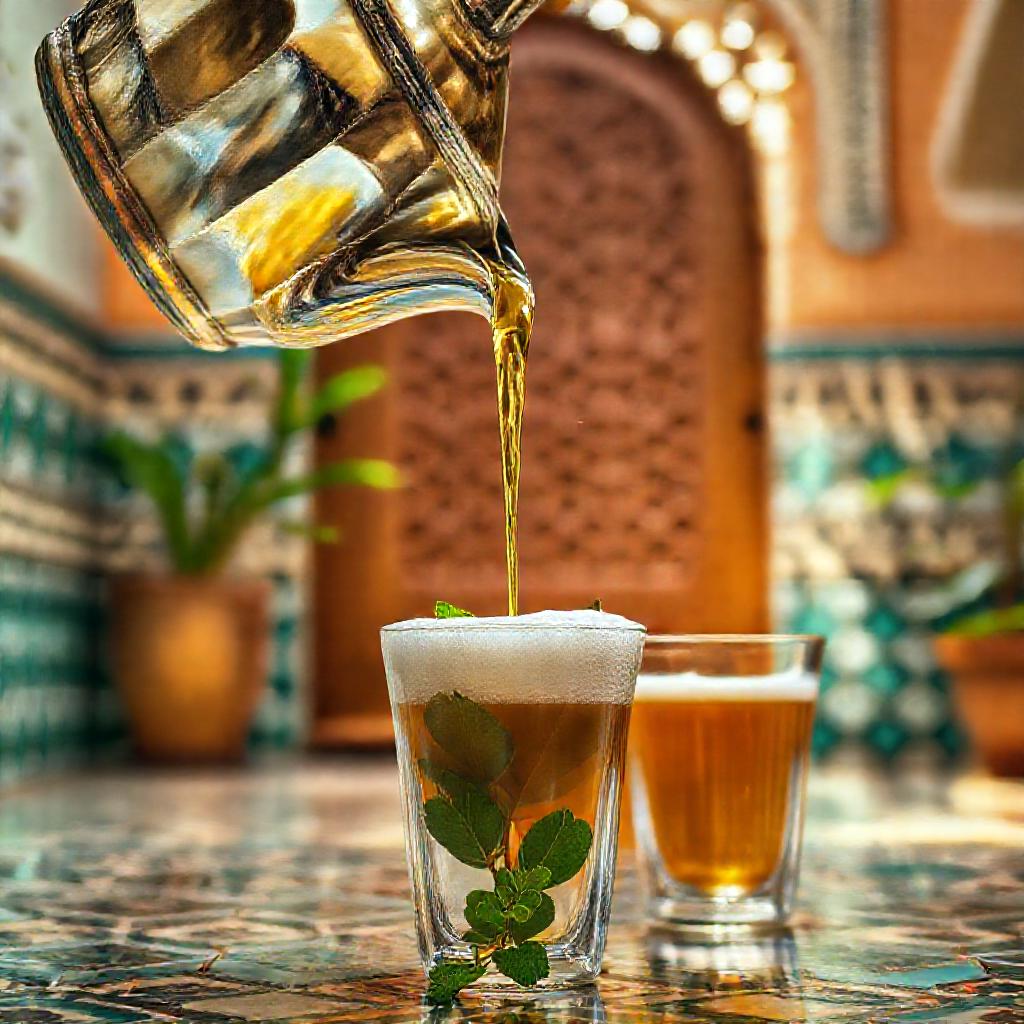
*Illustrates the iconic pouring technique that generates the characteristic frothy top, central to the drink's preparation.*
**Quick Answer:** Moroccan mint tea is a sweet, green tea-based beverage infused with fresh spearmint leaves and a significant amount of sugar. It is renowned for its frothy top, created by pouring the tea from a height into small glasses.
A Definition of the Drink
Moroccan mint tea is a specific preparation that starts with a base of Chinese gunpowder green tea. This loose-leaf green tea is rolled into small, tight pellets that resemble gunpowder, hence its name. It has a strong, slightly smoky flavor that provides a robust foundation. Fresh spearmint leaves are then added, along with a generous amount of sugar, creating a drink that is simultaneously bitter, sweet, and refreshing.
This is quite different from Western-style mint tea. A tea bag with dried mint leaves produces a weak, one-dimensional flavor. Authentic Moroccan mint tea is a complex infusion, where the bitterness of the green tea is balanced by the sweetness of the sugar and the aromatic freshness of the spearmint.
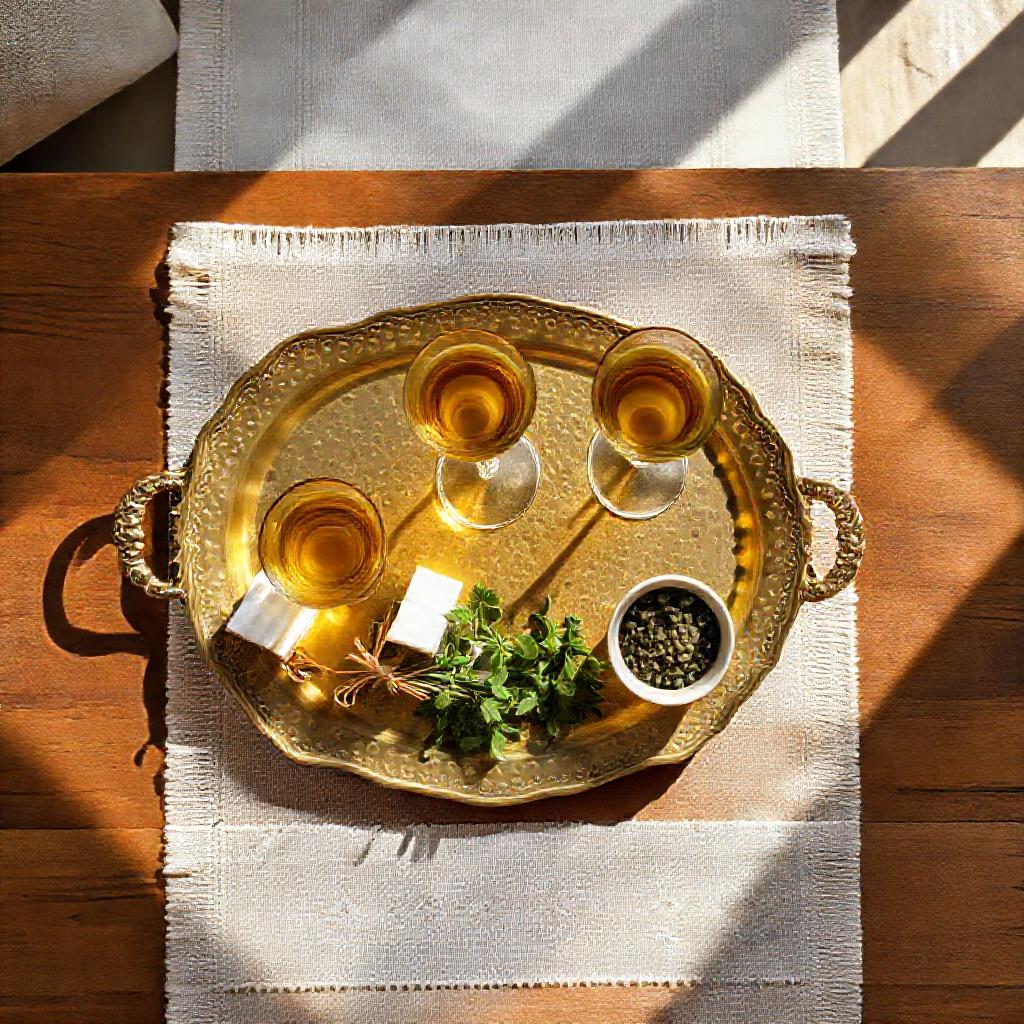
*Depicts the complete tea service setup, highlighting the three-round tradition and essential ingredients used in authentic preparation.*
The Cultural Role and Significance
In Morocco, tea is not just a beverage; it is a fundamental part of daily life and social interaction. Serving tea to guests is a primary expression of Moroccan hospitality customs. It is a way to welcome someone into your home, to show respect, and to create a space for conversation. The ritual of making and serving the tea is often as important as the tea itself, turning a simple drink into a social event that can last for hours.
**Definition:** Maghrebi tea culture refers to the shared customs and traditions surrounding the preparation and consumption of green tea with mint in the Maghreb region of North Africa, including Morocco, Algeria, and Tunisia.
The Ritual and Art of Pouring: More Than Just a Drink
The preparation of Moroccan mint tea is a performance. Every step, from the rinsing of the leaves to the final high pour, is deliberate and meaningful.
The Three Rounds of Tea (The "Three Glasses" Tradition)
A core element of the Moroccan tea ceremony is the tradition of serving three glasses of tea to each guest. Each glass is meant to have a distinct flavor and character, often described as the "spirit," "body," and "soul" of the tea.
- **Round 1: The "Smell" or "Spirit"** — This first glass is the strongest and least sweet. It is a concentrated infusion that awakens the senses and prepares the palate. - **Round 2: The "Middle" or "Body"** — The second glass is the most balanced. The flavors of the tea, mint, and sugar have melded together to create a harmonious and well-rounded taste. - **Round 3: The "Soul" or "Finish"** — The final glass is the sweetest and mildest. It is a gentle, comforting conclusion to the tea service, leaving a pleasant, lingering sweetness.
The Pouring Technique: Creating the "Crown" (*Kessoua*)
The most iconic visual element of Moroccan mint tea is the pouring technique. The tea is poured from a height of about 12 to 18 inches (30-45 cm) into small, ornate glasses. This is not just for show; it serves several practical purposes.
Pouring from a height aerates the tea, which helps to cool it down to a drinkable temperature more quickly. More importantly, the force of the stream creates a layer of foam, known as the *kessoua* or "crown," on the surface of the tea. This frothy top is a sign of a well-made cup and is considered essential to the experience.
The equipment used is also specific. The tea is brewed in a traditional silver or brass teapot, known as a *berrad*, which is often ornately decorated. The glasses are small, clear, and often decorated with gold or silver patterns, allowing the golden color of the tea to shine through.
The Social Etiquette and Symbolism
The tea service is steeped in etiquette. When a guest is offered tea, they should accept it with their right hand as a sign of respect. Refusing tea can be seen as a rejection of the host's hospitality. While a guest is not obligated to drink all three glasses, it is considered polite to accept at least one.
The act of making and serving the tea is a gesture of gratitude and bonding. The person who prepares the tea, usually the host, takes great care to ensure it is perfect. This effort is a direct expression of the respect they hold for their guests. The entire ritual—from the brewing to the pouring—is designed to create a moment of connection and shared experience.
The Essential Ingredients: A Breakdown of What Goes In
The magic of Moroccan mint tea lies in the simple combination of three key ingredients, each playing a crucial role.
The Tea Base: Gunpowder Green Tea
Why is Chinese gunpowder green tea the standard choice for Moroccan mint tea? Its unique characteristics are the reason. The leaves are rolled into small pellets, which preserves their freshness and flavor. When brewed, it produces a strong, slightly smoky, and somewhat bitter liquor. This robustness is essential, as it provides a solid base that can stand up to the large amount of sugar and the fresh mint without being overwhelmed.
**Definition:** Gunpowder green tea is a type of Chinese green tea where the leaves are rolled into small, round pellets. This shape helps preserve the tea's flavor and allows it to be brewed multiple times.
While gunpowder is the classic choice, other green teas like "Chunmee" can be used as alternatives. The key is to use a high-quality loose-leaf green tea that has a strong, slightly astringent profile.
The Mint: Spearmint vs. Peppermint
The type of mint used is critical to the authentic flavor. Fresh spearmint (*Mentha spicata*) is the primary herb and the only authentic choice for traditional Moroccan mint tea. It has a sweet, mild, and slightly fruity flavor that pairs beautifully with the green tea and sugar.
Peppermint (*Mentha piperita*), on the other hand, is rarely used. Its flavor is much more intense, sharp, and cooling, with a high menthol content. This can overpower the delicate balance of the tea and make it taste harsh.
| Feature | Spearmint (*Mentha spicata*) | Peppermint (*Mentha piperita*) | | :--- | :--- | :--- | | Flavor Profile | Sweet, mild, slightly fruity | Strong, sharp, intensely cooling | | Menthol Content | Low | High | | Role in Moroccan Tea | The standard and only authentic choice | Rarely used; can overpower the tea |
The Sweetener: The Role of Sugar
Sugar is not an optional addition to Moroccan mint tea; it is a fundamental ingredient. The tea is traditionally sweetened heavily, often with one sugar cube per glass or even more. This liberal use of sugar is a cultural marker of generosity. The sweetness of the tea is a direct reflection of the host's desire to provide the best possible experience for their guests.
The amount of sugar is adjusted during the brewing process. It is added to the teapot and simmered with the tea and mint, allowing it to dissolve completely and integrate into the overall flavor profile. The result is a sweet, syrupy, and deeply satisfying drink.
The Step-by-Step Brewing Process: How to Make It Authentically
Making authentic Moroccan mint tea is a process that requires a few simple steps and a bit of attention to detail. The traditional method uses a teapot and produces the signature frothy top.
The Traditional Method (Using a Teapot)
1. **Rinse the Tea:** Add about 1 tablespoon of gunpowder green tea to the teapot and rinse with a small amount of boiling water. Swirl and discard the water. This "washes" the tea and removes any bitterness. 2. **Add Boiling Water:** Fill the teapot with fresh, boiling water (about 2 cups / 500 ml). 3. **Steep and Add Mint:** Let the tea steep for 2-3 minutes. Then add a large bunch of fresh spearmint (about 10-15 sprigs) to the pot. 4. **Add Sugar:** Add sugar to taste, traditionally 2-3 tablespoons or 4-5 sugar cubes. 5. **Simmer:** Place the teapot back on the stove and bring it to a gentle simmer for 5-10 minutes. This is a key step that infuses the mint and dissolves the sugar. 6. **The First Pour:** Pour a small amount of tea into a glass and pour it back into the pot. Repeat this process 2-3 times to mix the tea and stimulate the creation of foam. 7. **Pour and Serve:** Pour the tea from a height into the glasses, creating a frothy crown. Serve immediately.
**Quick Answer:** To make Moroccan mint tea, rinse gunpowder green tea, steep it in boiling water, add a large bunch of fresh spearmint and sugar, simmer for a few minutes, and then pour from a height to create foam.
Modern Adaptations and Variations
While the traditional method is the gold standard, there are many ways to adapt the recipe to modern tastes and schedules.
- **Flavor Variations:** You can add a splash of orange blossom water for a floral note, or experiment with other herbs like lemon verbena or rosemary for a different aromatic profile. - **Less Sugar:** For a less sweet version, you can simply reduce or omit the sugar. Modern palates often prefer a less syrupy tea, and this adaptation is becoming common. - **Quick Version:** For a faster alternative, you can use a high-quality loose-leaf Moroccan mint tea blend that already contains green tea and dried mint. While not as authentic, it's a convenient way to enjoy the flavor.
Exploring Regional Variations and Modern Twists
Moroccan mint tea is not a monolithic drink. Different regions have their own unique twists, and the drink has also evolved globally.
Regional Differences in Morocco
The core recipe of tea, mint, and sugar is a constant, but regional variations add unique flavors. In some northern parts of Morocco, pine nuts are added to the teapot, giving the tea a subtle nutty flavor. In other regions, a pinch of saffron might be used to add a golden color and a delicate floral aroma.
The nickname "Berber whiskey" is a testament to the drink's cultural importance. It's a playful, affectionate term that highlights its intoxicating social effect, even though it contains no alcohol. It's a drink that brings people together and inspires lively conversation, much like a shared drink might in other cultures.
The Global Rise of Moroccan Mint Tea
Moroccan mint tea has traveled far beyond North Africa. It is now a staple in many Western cafes and restaurants, often served as a refreshing, caffeine-containing alternative to coffee. Its popularity has also led to modern adaptations.
- **Iced Moroccan Mint Tea:** A refreshing twist, perfect for summer. The tea is brewed strongly, sweetened, and served over ice with a fresh mint garnish. - **Cocktails and Mocktails:** Mixologists have embraced the flavors of Moroccan mint tea, using it as a base for creative cocktails and mocktails. It pairs well with rum, vodka, or simply sparkling water. - **Health Benefits:** Beyond its taste, mint tea is often praised for its potential health benefits. Green tea is rich in antioxidants, and mint is traditionally used to aid digestion. These are modern selling points that appeal to health-conscious consumers.
Conclusion
Moroccan mint tea is a drink that is equal parts flavor, ritual, and hospitality. It is a simple beverage made from just three ingredients—gunpowder green tea, fresh spearmint, and sugar—but the process of brewing and serving it elevates it into a cultural experience. The key steps are the use of strong green tea, an abundance of fresh mint, and the all-important high pour that creates the frothy crown.
Making it authentically is about more than just the ingredients; it's about the process and the company. It's about slowing down, taking the time to brew the tea properly, and sharing it with others. To truly experience the ritual, try the traditional brewing method. Gather your ingredients, find a good teapot, and pour with confidence. The result is a delicious, comforting, and deeply social drink that offers a taste of Morocco in every glass.
Frequently Asked Questions (FAQ) About Moroccan Mint Tea
**Q1: What is the difference between Moroccan mint tea and regular green tea?** **A:** Moroccan mint tea is a specific preparation using gunpowder green tea, fresh spearmint, and a significant amount of sugar, brewed in a specific way to create a frothy top. Plain green tea is a simpler, unsweetened infusion.
**Q2: How do you pour Moroccan mint tea correctly?** **A:** You hold the teapot high (12-18 inches above the glass) and pour in a steady, thin stream. This aerates the tea, creates the signature foam, and slightly cools the liquid.
**Q3: What is the "three glasses" tradition?** **A:** It's the custom of serving three glasses of tea to each guest. Each glass has a different flavor: the first is strong, the second is balanced, and the third is sweet and mellow.
**Q4: Can I make Moroccan mint tea without sugar?** **A:** Yes, you can. While sugar is traditional and integral to the classic flavor, many modern recipes omit it or use a substitute like honey or stevia for a less sweet version.
**Q5: What kind of mint is used in Moroccan mint tea?** **A:** Fresh spearmint (*Mentha spicata*) is the authentic choice. It has a sweet, mild flavor that pairs perfectly with the green tea, unlike the more intense peppermint.
Conclusion
Moroccan mint tea is far more than a beverage; it is an invitation to slow down and connect. From the aromatic steam of gunpowder green tea to the sweet, refreshing burst of fresh spearmint, every glass embodies a tradition of hospitality that has captivated the world. Whether you enjoy it in its classic form, as a modern iced twist, or even in a creative cocktail, the essence remains the same: a ritual of sharing and mindfulness. The health benefits of antioxidants and digestive aid only add to its timeless appeal. Now that you understand the key steps—the strong brew, the abundance of mint, and the signature high pour—it’s time to experience it yourself. Gather your ingredients, warm your teapot, and pour with confidence. Embrace the three-glasses tradition and discover why Moroccan mint tea has become a global symbol of warmth and connection. Your first authentic cup is just a pour away—make it today.