
Moroccan Living Room Decor Trends 2026
Moroccan living room decor 2026 has evolved into a sophisticated fusion of age-old craftsmanship and contemporary eco-consciousness. This design style remains a dominant trend this year because it masterfully balances the intense visual stimulation of North African aesthetics with the modern demand for sustainable, calming environments. Homeowners are increasingly drawn to the authenticity of handcrafted goods, seeking pieces that tell a story rather than mass-produced items. The 2026 iteration of this style focuses heavily on natural materials, **sustainable home decor**, and a curated "less is more" approach where every intricate pattern serves a purpose. It is no longer about cluttering the space with maximalist excess; instead, it is about creating a grounded, soulful sanctuary that honors tradition while fitting seamlessly into modern lifestyles.
Key Takeaways
- Moroccan décor blends bold colors, intricate patterns, and handcrafted textures for a layered aesthetic. - 2026 color trends favor earthy neutrals paired with saturated jewel tones. - Modern Moroccan spaces balance vintage pieces with sleek contemporary furniture. - Strategic lighting and accessories amplify the warm, inviting atmosphere. - DIY updates and sourced artisan pieces make the look accessible for any budget.
How to Create an Authentic Moroccan Living Room in 2026 – The Definitive Guide
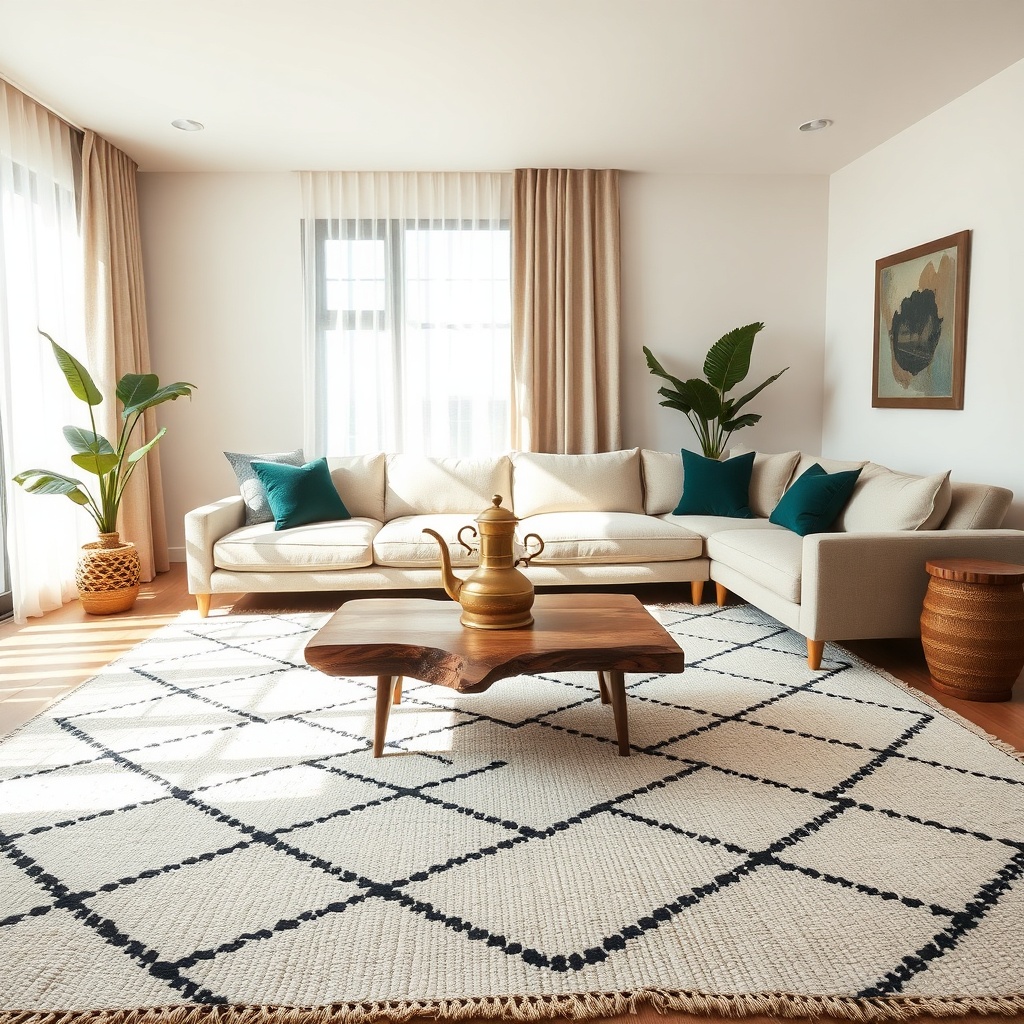
*A spacious living room blending contemporary furniture with traditional Moroccan rugs and brass accents.*
Creating a space that embodies **Moroccan interior trends 2026** requires a strategic approach that prioritizes narrative and quality over quantity. You must move beyond simply buying items and start curating an environment that feels cohesive. The goal is to establish a sensory-rich atmosphere that welcomes relaxation and conversation.
1️⃣ Define the Design Narrative for Moroccan Living Room Decor 2026
Start by establishing a clear concept for your room. Are you aiming for a breezy riad-inspired oasis filled with lush plants and water features, or a rugged desert-modern fusion that emphasizes raw textures and dry tones? Identifying this narrative early prevents the room from feeling disjointed. Choose two to three focal points to anchor the design, such as a carved plaster wall (jali) acting as a room divider or a massive, oversized statement lantern hanging centrally. These anchors will dictate the placement of your furniture and the flow of traffic through the room.
**Quick Answer:** > To start your Moroccan living room <a href="https://kenzadi.com/">transform</a>ation, select a specific narrative like "Desert Modern" or "Riad Oasis." Choose one major architectural element, such as a carved wood screen or a tiled alcove, as the visual anchor. This focal point will guide all subsequent furniture and accessory choices, ensuring a cohesive and authentic look.
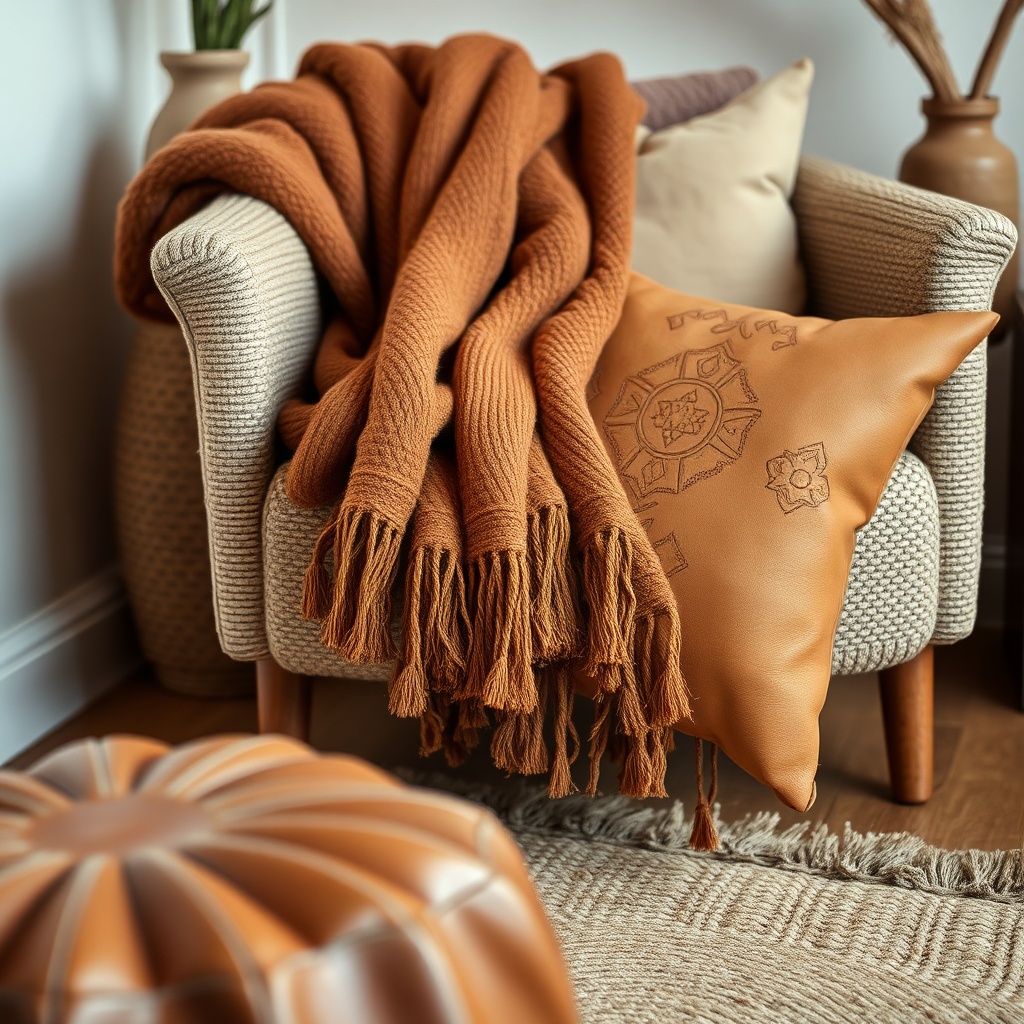
*An intimate view highlighting the textures of a handmade Moroccan blanket and leather pillow.*
2️⃣ Source Authentic Materials
The soul of Moroccan design lies in its craftsmanship. In 2026, sourcing is as much about ethics as it is about aesthetics. Look for reputable Moroccan artisans through verified online marketplaces like Etsy or specialized importers who work directly with cooperatives in Fes and Marrakech. Local craft fairs are also excellent venues for finding one-of-a-kind pieces. Prioritize **sustainable Moroccan furniture options** made from thuya wood, reclaimed cedar, or olive wood. When sourcing textiles, verify that the dyes are natural and vegetable-based, avoiding synthetic chemicals that fade quickly and harm the environment.
3️⃣ Execute the Layered Finish
The magic happens in the layering. Follow this strict sequence to ensure depth without chaos: paint first, then textiles, followed by furniture, and finally accessories.
1. **Paint:** Apply your chosen earthy base colors to the walls. 2. **Textiles:** Lay down your rugs and hang your heavy curtains or tapestries. 3. **Furniture:** Arrange your seating and tables, ensuring they interact well with the textiles. 4. **Accessories:** Place your lanterns, trays, and smaller decor items last to polish the look.
**Definition: Zellige**
Zellige is a form of Islamic art that utilizes terra cotta tilework covered with enamel in the form of chips set into plaster. It is characterized by intricate geometric patterns and variations in color tone, which catch and reflect light uniquely, creating a shimmering effect that is essential to authentic Moroccan interiors.
2026 Moroccan Color Palette: From Desert Sands to Jewel Accents
The **Moroccan color palette trends 2026** have shifted away from the overwhelming bright reds and yellows of past decades. This year, the focus is on sophisticated grounding tones complemented by strategic pops of intensity. The psychological impact of this palette is one of warmth and stability; the earthy bases provide a sense of calm, while the jewel accents stimulate energy and creativity. By balancing these opposing forces, you create a room that feels lively yet restful.
Warm Earth Foundations
Your walls and large furniture pieces should serve as the canvas. Muted terracotta, warm sand, and olive green are the dominant base colors for 2026. These hues mimic the natural landscape of the Atlas Mountains and the Sahara. Painting an accent wall in a deep terracotta or using a lime wash in sandstone creates immediate warmth. These neutrals are versatile enough to allow other design elements to shine without competing for attention.
Vibrant Jewel Highlights
While the walls remain subdued, accents should be vibrant. Use colors like deep amethyst, rich teal, and ruby red sparingly in cushions, rugs, and art. These saturated hues add depth and luxury to the space. A single velvet cushion in emerald green or a teal ceramic vase can provide the necessary contrast to lift the earthy tones. This strategy allows you to update the look seasonally by simply changing the accent accessories without repainting the room.
Mixing Neutrals with Pops
Achieving visual harmony relies on the 80/20 rule. Keep 80% of your room in neutral earth tones—cream, beige, brown, and soft green. Reserve the remaining 20% for your jewel tones. This ratio ensures the room feels breathable. For example, if you have a large **Berber rug designs for living rooms** featuring black and white geometric patterns, introduce jewel tones through the throw pillows on a neutral sofa. This prevents the space from feeling visually heavy or chaotic.
Textiles & Patterns: Modern Twist on Traditional Motifs
Textiles are the most accessible way to introduce Moroccan flair into your home. The key in 2026 is mixing textures rather than clashing patterns. You want to create a tactile experience that invites touch. **Layered textiles and cushions in Moroccan living rooms** are essential for achieving that signature cozy, bohemian vibe, but the execution needs to be intentional to avoid a messy look.
Geometric vs. Organic Motifs
Traditional Moroccan design is famous for its complex geometry, seen in **zellige tile patterns in interiors** and diamond lattice latticework. To modernize this, balance these rigid lines with organic shapes. Pair a geometric Beni Ourain rug (known for its black diamond lines on a white background) with curved furniture or flowing, sheer drapery. This contrast softens the sharpness of the geometric patterns, making the room feel more livable and less like a museum exhibit.
Layering Textiles for Depth
Start from the floor up. Place a large, neutral flat-weave rug as the base, then layer a smaller, textured vintage rug or a sheepskin on top for contrast. On your seating, mix materials: combine a rough wool throw with smooth velvet cushions and silk accent pillows. Ensure there is a common color thread tying these diverse textures together, such as a consistent shade of terracotta or blue appearing in different fabrics across the room.
Sustainable Fabric Choices
Sustainability is non-negotiable in 2026 design. Look for **organic textiles in Moroccan decor** such as hand-loomed wool, unbleached linen, and organic cotton. These materials are not only better for the planet but also age beautifully, developing a patina that synthetic fibers cannot replicate. Recycled wool rugs are also trending, offering the plush texture of traditional Moroccan rugs while reducing textile waste. Always check the certification of the fabrics to ensure they are produced ethically.
Furniture & Layout: Merging Vintage Craftsmanship with Contemporary Clean Lines
Furniture selection is where the fusion of eras truly happens. **Moroccan living room decor 2026** is defined by the juxtaposition of ornate, historical craftsmanship against the sleek simplicity of modern forms. This blend prevents the room from looking like a movie set and instead makes it a functional, livable space for today's needs.
Vintage Carved Wood Essentials
Invest in a few key statement pieces that feature traditional craftsmanship. **Low-profile seating with Moroccan influences**, such as a classic Moroccan pouf or a carved wood daybed (menzeh), is crucial. These pieces often feature intricate mother-of-pearl inlay or hand-carved geometric patterns. A coffee table made from recycled doors or hammered metal adds immediate character. These vintage items serve as the "art" of the room, so keep the surrounding furniture simple to let them stand out.
Contemporary Minimalist Additions
To balance the intricacy of vintage pieces, incorporate minimalist modern furniture. A sleek, low-slung sofa in a solid neutral fabric can ground the room. Modular storage units with clean lines help hide clutter, which is vital in a style that features many visual details. Metal accents, particularly in matte black or brushed brass, bridge the gap between the ornate wood carvings and modern upholstery, creating a cohesive visual language.
Layout Strategies for Flow
In **open-plan Moroccan interior layouts**, defining zones is critical. Use your rugs to delineate conversation areas. Arrange seating to encourage intimacy, facing pieces toward one another rather than toward a television. Ensure there are clear pathways, often referred to as "sightlines," to your decorative walls or focal points. Do not block the flow with too much furniture; negative space allows the intricate details of the decor to breathe and be appreciated.
**Quick Answer:** > When blending modern and Moroccan furniture, stick to a 60/40 split: 60% modern minimalist silhouettes and 40% ornate vintage pieces. Use a neutral, modern sofa as the base and accent it with carved wood side tables and poufs. Keep the color palette consistent to ensure the different styles complement rather than clash with each other.
Lighting & Accessories: Crafting the Signature Moroccan Ambiance
Lighting is the transformative element in any Moroccan space. It dictates the mood, shifting the room from a bright, airy lounge in the day to a magical, intimate enclave at night. The right lighting and accessories are the finishing touches that solidify the design narrative.
Statement Lanterns & Ambient Glow
**Handcrafted lanterns Moroccan style** are non-negotiable. In 2026, the trend includes mixing traditional metal filigree lanterns with hand-blown glass options. Look for fixtures that use warm LED bulbs to mimic the flicker of candlelight without the fire hazard. Hang a large lantern as the central chandelier, but also use smaller lanterns on side tables or floor lanterns in corners to create pools of light at different heights. This layering of light adds depth and mystery to the room.
Textured Accessories: Mirrors, Trays, and Ceramics
Accessorizing is about adding texture and shine. A star of the show is often a mirror framed in **zellige tile patterns in interiors** or carved wood, which reflects light and makes the room feel larger. Decorative brass trays are both functional and beautiful; use them on ottomans to serve drinks or as wall art. **Moroccan-inspired wall art 2026** often features traditional calligraphy or abstract desert landscapes in warm hues. Hand-painted ceramics, particularly in blue and white or vibrant polychrome, should be displayed on shelves to break up the geometry of the woodwork.
Scent & Sound Enhancements
A Moroccan living room is a multi-sensory experience. Incorporate scent using diffusers with notes of amber, sandalwood, or orange blossom. Traditional incense burners (bakhoor) also add an authentic touch. For sound, consider a small water feature to provide a soothing background noise, or play a playlist of Gnawa music or contemporary Andalusian fusion at a low volume. These subtle elements make the space feel immersive and alive.
FAQ – Featured Snippet Ready
**Q1: What are the must‑have elements for a Moroccan living room in 2026?** The essential elements include a mix of low-profile seating and carved wooden furniture, layered **Berber rug designs for living rooms**, intricate metal or glass lanterns, and a color palette combining earthy neutrals with jewel tones. Textured walls via plaster or tile and the use of natural, sustainable textiles are also critical for the 2026 aesthetic.
**Q2: How can I achieve a Moroccan look on a budget?** Focus on textiles and accessories rather than expensive furniture. Add a few poufs, a patterned rug, and some throw pillows in rich colors. Incorporate a statement lantern and hang a large mirror to reflect light. You can also use stencils to paint geometric patterns on a single accent wall to mimic the look of expensive tile work.
**Q3: Which lighting styles are most effective for Moroccan décor?** The most effective lighting is ambient and layered. **Handcrafted lanterns Moroccan style** with filigree cutouts are the gold standard, casting beautiful shadow patterns. Pair these with floor lamps and dimmable overhead lighting. Warm light temperatures (2700K-3000K) are essential to create the cozy, inviting glow associated with this style.
**Q4: Are there eco‑friendly Moroccan textiles available in 2026?** Yes, there is a significant shift toward sustainability. Look for **organic textiles in Moroccan decor** such as rugs made from recycled wool, cushions made with organic cotton covers, and natural dyes derived from plants like saffron, henna, and indigo. Supporting artisan cooperatives that use traditional, low-impact weaving techniques is also an eco-friendly choice.
**Q5: How do I blend modern furniture with traditional Moroccan pieces without clashing?** To blend styles successfully, use modern furniture for your large, structural pieces like sofas and sectionals, keeping them in solid, neutral colors. Then, introduce traditional Moroccan pieces as accents—think carved side tables, poufs, and ornate mirrors. The key is restraint; do not over-pattern the room. Let the intricate details of the Moroccan pieces be the star against a clean, modern backdrop.
Conclusion
Embracing **Moroccan living room decor 2026** is about more than just following a trend; it is about cultivating a space of warmth, history, and sensory delight. By balancing the earthy foundations with vibrant jewel accents and merging vintage craftsmanship with modern lines, you create a room that feels both timeless and fresh. The strategies outlined—from sourcing sustainable materials to mastering the art of layered lighting—provide a clear roadmap for transforming your space. Whether you undertake a full renovation or start with a few key textiles and lanterns, the essence of Moroccan design lies in its ability to make a house feel like a home. Experiment with these elements, trust your intuition, and enjoy the process of creating a personalized sanctuary that reflects the enduring allure of Moroccan style.