
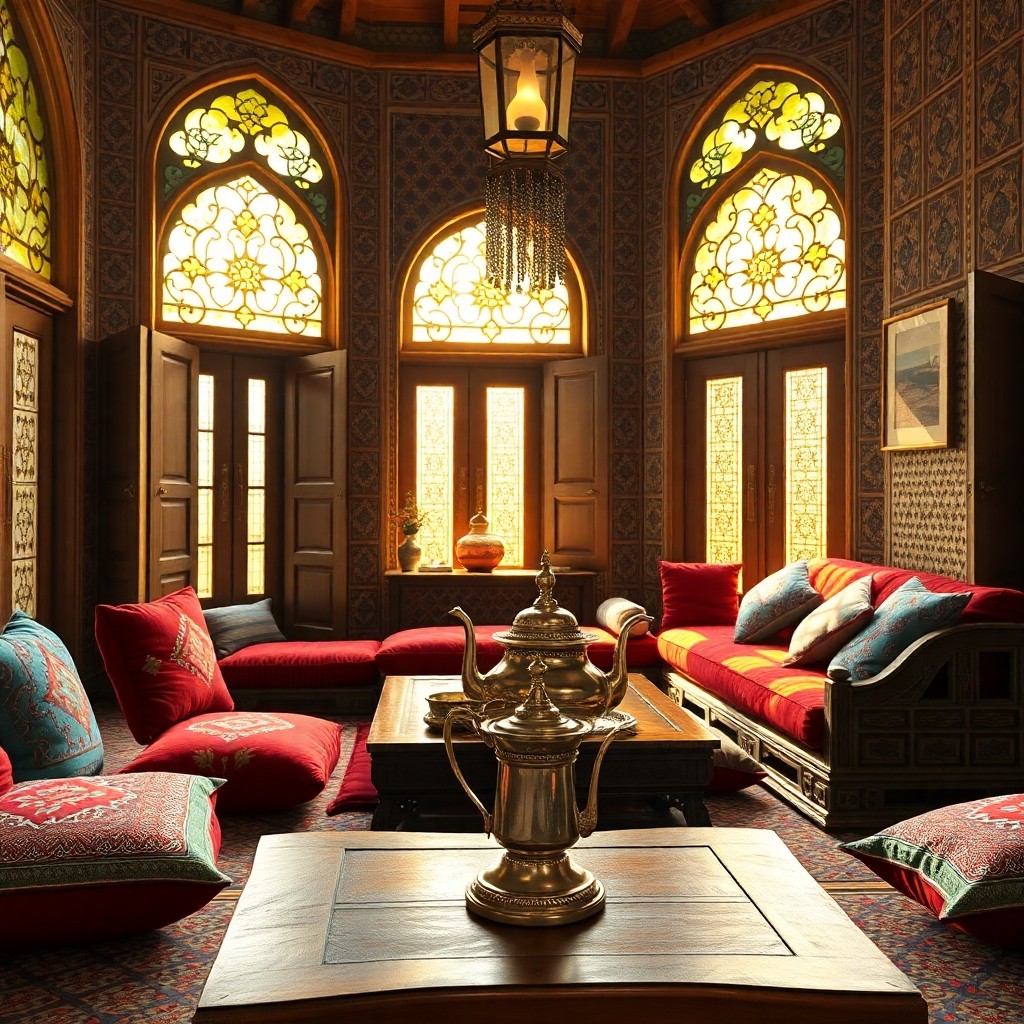
Moroccan Lifestyle: Balancing Tradition & Modernity
Exploring the Rich Heritage of Moroccan Home Decor
Moroccan home decor is a vibrant reflection of the country's diverse cultural influences, blending Berber traditions with Arab, Andalusian, and French aesthetics. From intricate zellige tilework to the warmth of handwoven rugs, every element tells a story of craftsmanship and heritage. The result is a style that is both exotic and inviting, perfect for creating spaces that feel both luxurious and deeply personal.
The Essence of Moroccan Design: Tradition Meets Modernity
At the heart of Moroccan decor lies a balance between ancient traditions and contemporary living. Designers today draw inspiration from the rich history of Moroccan craftsmanship, incorporating traditional patterns and techniques into modern interiors. This fusion creates spaces that are not only visually stunning but also rich in cultural significance.
One of the most iconic elements of Moroccan design is the use of geometric patterns. These patterns, often found in zellige tiles and carved woodwork, are not just decorative—they carry symbolic meanings. Stars, hexagons, and other geometric shapes are believed to ward off evil spirits and bring harmony to the home. This deep connection to symbolism sets Moroccan decor apart from other design styles.
Key Elements of Authentic Moroccan Decor
1. Zellige Tiles: A Play of Light and Color
Zellige tiles are a hallmark of Moroccan architecture, adorning floors, walls, and even fountains. These hand-cut, enamel-coated tiles are arranged in intricate mosaics, creating mesmerizing patterns that play with light and shadow. The vibrant colors—deep blues, emerald greens, and warm terracottas—are derived from natural pigments, adding to the authenticity of the design.
In modern homes, zellige tiles can be used as a statement backsplash in the kitchen, a feature wall in the living room, or even as a decorative floor in a sunroom. Their versatility makes them a favorite among designers looking to infuse a touch of Morocco into contemporary spaces.
2. Handwoven Rugs: Stories Woven in Wool
Moroccan rugs, particularly those from the Atlas Mountains and the Beni Ourain tribes, are renowned for their bold patterns and plush textures. These rugs are more than just floor coverings—they are works of art that tell the story of the weaver’s community and heritage. The classic white wool rug with geometric black patterns is instantly recognizable and adds a layer of warmth and texture to any room.
When selecting a Moroccan rug, consider the size, color palette, and pattern. A large, neutral-toned rug can anchor a living room, while a smaller, more colorful piece can add a pop of vibrancy to a bedroom or hallway. Pairing a rug with other Moroccan elements, such as brass lanterns or carved wood furniture, creates a cohesive look that feels both curated and lived-in.
3. Brass and Lanterns: Lighting with Character
Lighting plays a crucial role in Moroccan interiors, where soft, ambient lighting creates an inviting atmosphere. Brass lanterns, with their intricate cutouts and warm glow, are a staple of Moroccan decor. These lanterns come in a variety of shapes, from classic globe designs to more elaborate star and moon motifs.
In addition to lanterns, Moroccan homes often feature chandeliers made from wrought iron or hammered metal, adding a touch of elegance to dining areas and entryways. The play of light and shadow through these fixtures enhances the cozy, intimate feel that is characteristic of Moroccan design.
4. Carved Wood Furniture: Artistry in Every Detail
Moroccan furniture is known for its ornate carvings and rich finishes. Pieces like cedar wood tables, chairs, and cabinets are often adorned with geometric patterns, floral motifs, or calligraphic inscriptions. These details not only showcase the skill of the artisans but also add depth and character to the furniture.
For a truly authentic look, consider incorporating a Moroccan coffee table with intricate marquetry or a carved wooden headboard in the bedroom. These pieces serve as conversation starters and add a sense of history and craftsmanship to your space.
5. Textiles: Layering Color and Texture
Textiles are another essential component of Moroccan decor. From embroidered cushions to woven throws, these pieces add layers of color and texture to a room. Moroccan textiles often feature bold patterns, such as stripes, diamonds, or abstract motifs, in rich hues like deep reds, blues, and golds.
Mixing and matching textiles can create a dynamic and eclectic look. For example, a striped dhurrie rug paired with embroidered cushions on a neutral sofa can add visual interest without overwhelming the space. Don’t be afraid to layer different patterns and textures—it’s a hallmark of Moroccan style.
Incorporating Moroccan Decor into Modern Spaces
The Moroccan Living Room: A Sanctuary of Comfort
The living room is often the heart of the home, and in a Moroccan-inspired space, it should be a sanctuary of comfort and warmth. Start with a neutral base—think cream or taupe walls—and layer in rich textiles, such as a plush rug and embroidered cushions. Introduce low seating with floor cushions or a Moroccan-style sofa adorned with colorful throws.
Lighting is key in a Moroccan living room. Hang a statement brass chandelier above the seating area and place brass lanterns on side tables or shelves. These fixtures will cast a warm, inviting glow that enhances the cozy atmosphere. Don’t forget to incorporate natural elements, such as potted palms or a small indoor fountain, to bring a touch of the outdoors inside.
The Moroccan Kitchen: Where Tradition Meets Functionality
The Moroccan kitchen is the heart of the home, where meals are prepared with care and shared with loved ones. To infuse Moroccan decor into this space, focus on the details. Use zellige tiles as a backsplash or as an accent wall to add a pop of color and pattern. Open shelving with brass or wrought iron brackets can display hand-painted ceramics or colorful glassware.
For a functional yet stylish touch, consider a traditional Moroccan couscoussier, such as the Al Mohajer stainless steel couscoussier, which adds both utility and authenticity to your kitchen. Pair it with handwoven baskets for storing fresh produce or bread, and use brass or copper cookware as decorative accents.
The Moroccan Bedroom: A Retreat of Serenity
The bedroom should be a retreat of serenity, and Moroccan decor excels in creating such an atmosphere. Start with a statement headboard made from carved wood or upholstered in a rich fabric, such as velvet or silk. Layer the bed with a Moroccan-style throw blanket and embroidered pillows in vibrant colors.
Lighting plays a crucial role in the bedroom. Hang a pair of brass bedside lanterns to cast a soft glow, and consider adding a floor lamp with a Moroccan-inspired base. To complete the look, incorporate a handwoven rug at the foot of the bed and a few potted plants to bring in a touch of nature.
Where to Find Authentic Moroccan Decor
If you're looking to bring Moroccan decor into your home, it’s important to source pieces that are authentic and ethically made. Many artisans in Morocco still practice traditional techniques passed down through generations, and supporting their work helps preserve these crafts.
One trusted source for authentic Moroccan decor is Kenzadi for authentic Moroccan decor, which offers a curated selection of handcrafted items, from zellige tiles to handwoven rugs. By choosing ethically sourced pieces, you not only enhance your home but also contribute to the preservation of Moroccan heritage.
Final Thoughts: Embrace the Magic of Moroccan Decor
Moroccan decor is more than just a design trend—it’s a celebration of culture, craftsmanship, and history. By incorporating elements like zellige tiles, handwoven rugs, brass lanterns, and carved wood furniture, you can transform your space into a vibrant reflection of Morocco’s rich heritage. Whether you’re drawn to the bold patterns, the warm colors, or the sense of comfort these elements bring, Moroccan decor offers endless possibilities for creating a home that feels both exotic and inviting.
As you embark on your decorating journey, remember that the key to authentic Moroccan style lies in the details. Mix and match patterns, layer textures, and don’t be afraid to embrace bold colors. The result will be a space that feels uniquely yours—a blend of tradition and modernity that tells a story of its own.