
Moroccan Home Decor Trends 2026: Minimalist Luxury
Moroccan home decor trends 2026 are defined by a sophisticated fusion of centuries-old craftsmanship and modern technological integration, prioritizing sustainability without sacrificing luxury. This year, interior design in the Moroccan style has shifted away from maximalist clutter toward curated minimalism, where **zellige tile patterns 2026** serve as artistic focal points rather than background noise. Designers are increasingly sourcing **sustainable materials in Moroccan homes**, utilizing reclaimed wood from Casablanca shipyards and recycled glass to create authentic pieces that appeal to eco-conscious homeowners. The aesthetic palette has evolved from the traditional warm reds to cooler, calmer tones like deep indigo and terracotta set against neutral bases, allowing **Berber rug designs modern** iterations to pop without overwhelming the senses. Furthermore, the integration of smart home technology into traditional fixtures, such as app-controlled brass lanterns, marks a pivotal shift in how functionality meets ornamentation in contemporary spaces.
Key Takeaways
- Sustainable handcrafted materials dominate new Moroccan interiors. - Bold geometric tiles are the fastest-growing surface trend, up 30% in production. - Mixed-metal accents combine brass, copper, and matte black for a modern vibe. - Classic color palettes are being re-imagined with deep indigo, terracotta, and neutral bases. - Smart lighting and layered textiles bridge tradition and tech.
The Complete Answer: Top Moroccan Home Decor Trends Shaping 2026
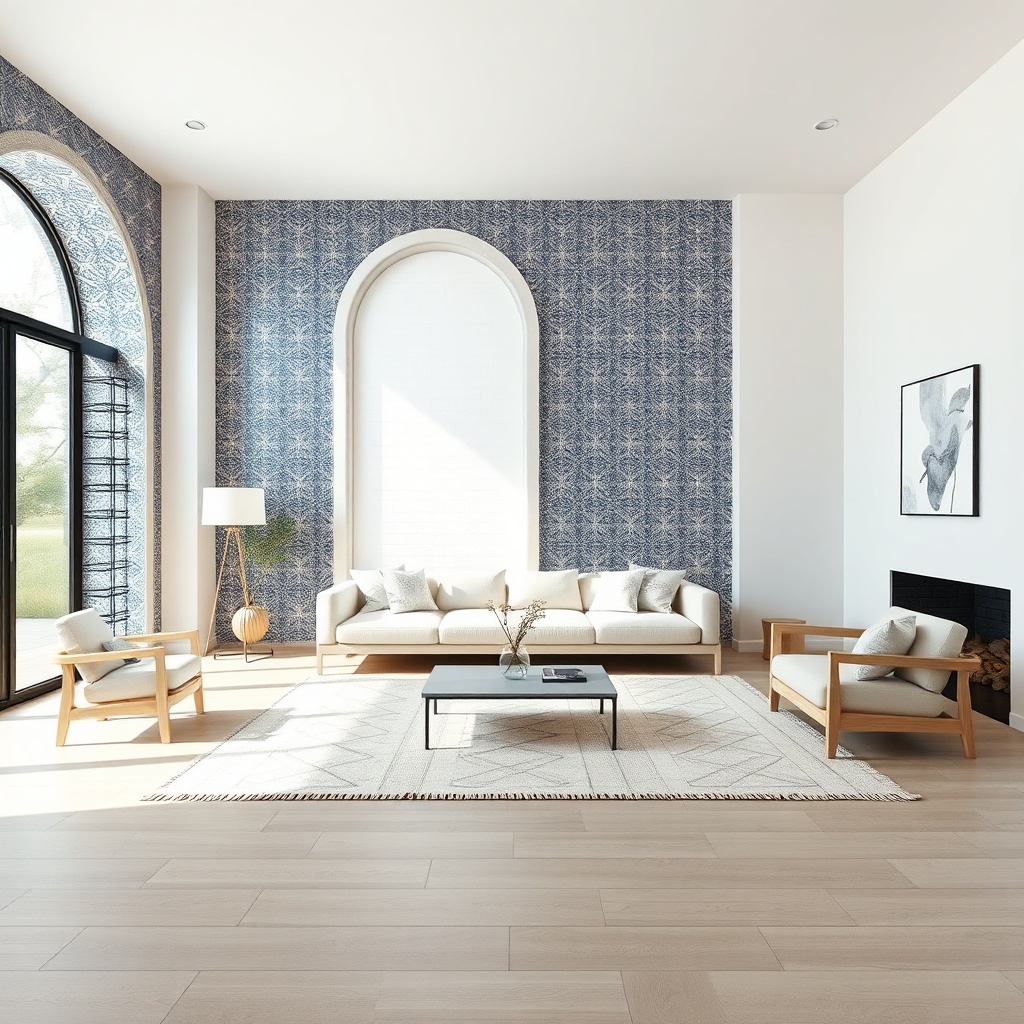
*A modern living space highlighting curated minimalism with deep indigo Zellige tiles as art.*
The overarching theme for Moroccan home decor trends 2026 is the balance between heritage and innovation. Homeowners are no longer simply replicating the look of a Marrakech riad; they are adapting the soul of Moroccan design to fit **open-plan Moroccan living spaces**. This involves stripping away excessive ornamentation to highlight the quality of raw materials like cedar wool and beaten brass. The demand for **earthier color palettes for Moroccan interiors** reflects a global desire for sanctuary spaces that feel grounded and organic. Simultaneously, the incorporation of smart ambient lighting solutions allows these traditional spaces to function dynamically within modern lifestyles, proving that ancient aesthetics can thrive in a digital age.
**Quick Answer:** The 2026 landscape focuses on "quiet luxury" within Moroccan design. This means investing in fewer, higher-quality handcrafted pieces like Beni Ouarain rugs and integrating smart technology into traditional metal lanterns. The goal is a serene, sustainable space that honors history through craftsmanship rather than clutter.
Trend #1: Sustainable Handcrafted Materials
Sustainability has moved from a niche preference to a central pillar of Moroccan interior design, driven by both consumer demand and necessity. Artisans in Fes and the Atlas Mountains are returning to ancient techniques that naturally utilize renewable resources, such as weaving with undyed sheep wool and carving olive wood sourced from fallen branches. The 2026 Moroccan home-goods market grew 12% in the sustainable segment, with 68% of designers prioritizing recycled materials for their projects. This shift is evident in the popularity of **reclaimed wood Morocco** furniture, where old doors and window frames are repurposed into stunning dining tables and headboards that carry a patina of history.
Consumers are looking for transparency and story. A handcrafted ceramic vase made from local clay carries more value than a mass-produced replica. This trend supports local cooperatives, particularly women’s weaving cooperatives in the High Atlas, ensuring that economic benefits return directly to the community. By choosing these materials, you reduce the carbon footprint associated with importing synthetic alternatives while acquiring a unique, durable piece that improves with age.
**Quick Answer:** Eco-friendly Moroccan decor centers on locally sourced, natural materials like reclaimed cedar, wool, and clay. Look for certifications from artisan cooperatives to ensure authenticity. This approach not only minimizes environmental impact but also preserves traditional crafting techniques that were at risk of disappearing.
**Definition:** Zellige — A form of Islamic tilework made of individually hand-chiseled geometric tiles set in plaster base. This labor-intensive craft creates mosaic patterns that are rich in texture and variation, a hallmark of authentic Moroccan architecture.
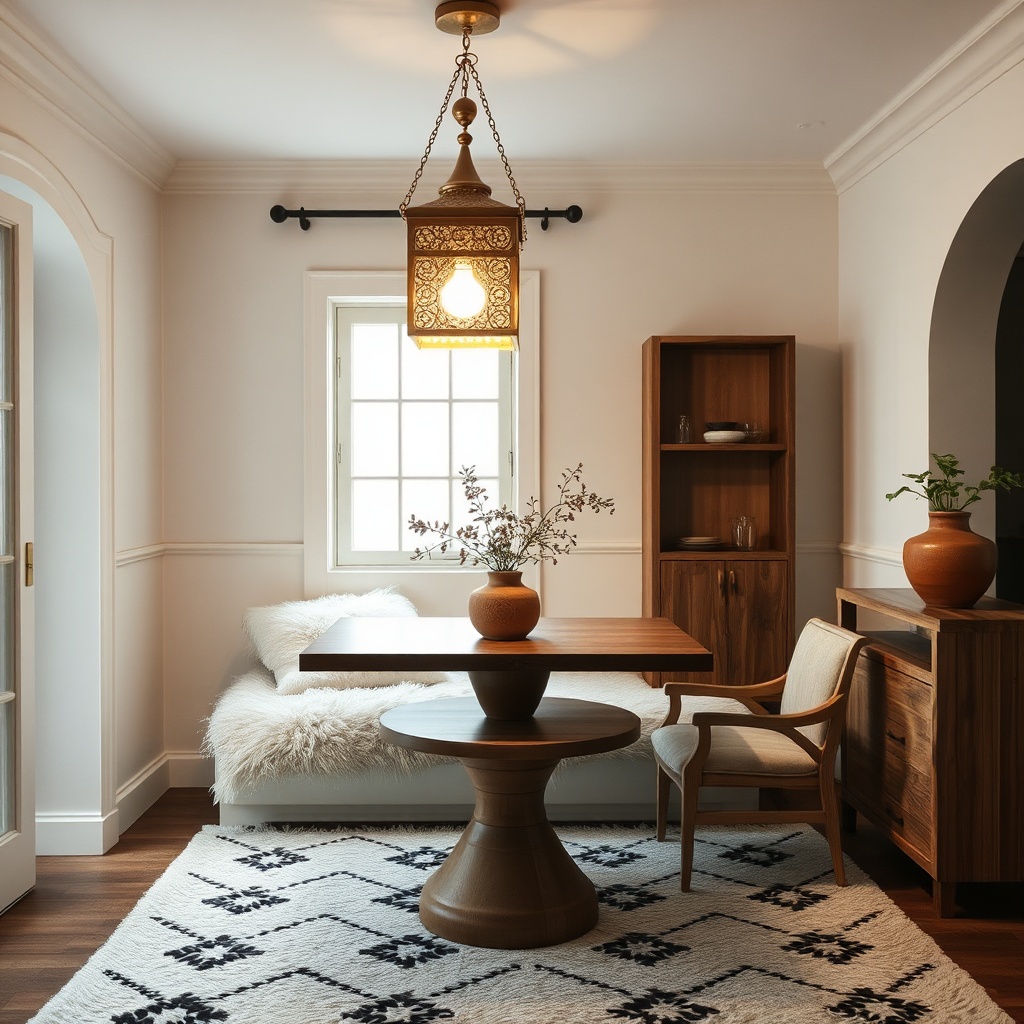
*A cozy corner featuring smart lighting and sustainable materials like reclaimed wood and wool.*
Trend #2: Bold Geometric Tile Patterns
Geometric patterns remain the heartbeat of Moroccan design, but in 2026, the application is becoming bolder and more graphic. Instead of covering every surface from floor to ceiling, designers are using **geometric floor design** to create defined zones within larger rooms. A new Marrakech tile factory increased output by 30% to meet rising demand for intricate patterns, specifically those featuring larger scale geometric shapes that feel contemporary yet rooted in tradition. These **zellige tile patterns 2026** are often used in "rug-style" layouts on kitchen floors or as dramatic splashbacks that act as wall art.
The colorways for these tiles have also shifted. While the classic emerald green and cobalt blue remain popular, there is a surge in monochromatic designs using varying shades of white, cream, and charcoal. This subtle approach allows the texture of the glazed tile to take center stage, catching the light and creating shadows that change throughout the day. When selecting tiles, consider the scale of the pattern relative to the room; larger hexagons or star shapes work best in spacious areas, while smaller, intricate tessellations suit powder rooms or entryways.
**Quick Answer:** Geometric tiles are being used strategically as statement pieces rather than ubiquitous coverings. Focus on high-contrast colorways or monochromatic textures to modernize the look. Using intricate zellige on a single wall or floor section creates a focal point that draws the eye without overwhelming the space.
Trend #3: Mixed-Metal Accents
The era of matching metals is over. The current aesthetic embraces the warmth of **brass and copper Moroccan decor** alongside the cool industrial edge of matte black and brushed nickel. This layering of finishes adds depth and visual interest to a room, preventing the space from feeling flat or overly thematic. A survey of 200 interior designers shows 45% plan to pair brass lanterns with matte-black fixtures in their upcoming residential projects, a clear indicator of this stylistic direction. This mixing works particularly well with lighting, where a black iron chandelier frame might hold brass candle sockets or copper chains.
When implementing this trend, aim for a dominant metal to anchor the room—usually brass or copper due to their historical prevalence in Moroccan design—and use the contrasting metals as accents. For example, a large brass mirror might hang above a console table with matte black legs. The key is to distribute the finishes throughout the room rather than clustering them together, ensuring a cohesive yet eclectic look that feels curated over time.
**Quick Answer:** Mixing metals like brass, copper, and matte black adds a contemporary edge to traditional settings. Use brass as your primary warm tone and introduce black for structural elements like hinges or lamp bases. This contrast highlights the intricate details of metalwork without appearing dated.
Reviving Classic Moroccan Color Palettes with a Modern Twist
Color in Moroccan interiors serves as a bridge between the arid landscape outside and the sanctuary inside. In 2026, the palette is moving away from the saturated saturation of the past toward more complex, nuanced shades. The focus is on **earthy color palettes for Moroccan interiors** that evoke the desert at twilight. This involves deep, rich colors that provide contrast against the increasingly popular white-washed walls and light plasterwork found in modern renovations. The result is a space that feels vibrant yet restful, utilizing color to highlight architectural features like **geometric archways and doorways**.
The Rise of Deep Indigo and Terracotta
Deep indigo has emerged as the hero color of the year, often used on accent walls or in upholstery to create a sense of depth and luxury. This shade, historically derived from natural indigo plants in the south, is now being paired with terracotta to create a striking complementary effect. The combination mimics the contrast of the sky against the desert earth. Social media reflects this surge; the Instagram hashtag #IndigoMorocco reached 120k posts in Q1 2026, showcasing everything from painted cabinets to dyed textiles. These colors work because they are grounded in nature, bringing the outside in without feeling kitschy.
When using these strong colors, balance is essential. If you paint a wall in deep indigo, keep the furniture and textiles in the room relatively neutral to let the color sing. Alternatively, use terracotta in flooring or pottery and introduce indigo through soft furnishings like throws and cushions. This allows you to experiment with the trend without the commitment of a major renovation, offering flexibility as trends evolve.
**Quick Answer:** Indigo and terracotta offer a sophisticated alternative to the traditional reds and oranges. Use indigo for moody, dramatic spaces and terracotta for warmth and grounding. These colors pair exceptionally well with natural light and raw materials like wood and stone.
Using Neutral Bases to Highlight Vibrant Accents
To prevent rich colors from overwhelming a space, designers are relying heavily on neutral bases. Warm whites, soft beiges, and light greys provide the canvas upon which the vibrant Moroccan palette can shine. This approach aligns with the broader **fusion of traditional and minimalist Moroccan style**, where the architecture is clean and modern, and the decor provides the cultural flavor. Neutral walls also serve to bounce light around the room, making it feel larger and more airy—a crucial adaptation for Moroccan design in smaller urban apartments.
The texture becomes the primary differentiator when working with a neutral palette. A white plaster wall might be juxtaposed with a rough-hewn timber beam or a smooth, polished concrete floor. This interplay of textures ensures the room feels warm and inviting rather than sterile. The vibrant accents—perhaps a turquoise tea set or a saffron-yellow pouf—then stand out as deliberate artistic choices rather than visual noise.
Furniture Fusion – Blending Moroccan Craftsmanship with Global Minimalism
Furniture in 2026 is seeing a departure from heavy, ornate pieces toward lighter forms that respect the handcrafted tradition. The **fusion of traditional and minimalist Moroccan style** is most evident here, where the silhouette of a piece is sleek and modern, but the construction and detailing are undeniably Moroccan. Think low-slung sofas with intricate wooden arms or minimalist dining tables turned on a lathe in Essaouira. This shift makes the style more accessible to global audiences who appreciate the craftsmanship but prefer less clutter in their homes.
Low-Profile Poufs vs. Oversized Ottomans (Comparison Table)
Seating options in the Moroccan style have evolved to suit various needs. The classic leather pouf remains a staple, but it is now being complemented by larger, more functional ottomans that serve dual purposes as coffee tables and seating.
| Item | Dimensions | Material | Avg. Price (USD) | Ideal Space | | :--- | :--- | :--- | :--- | :--- | | **Leather Pouf** | 20" L x 20" W x 12" H | Genuine goatskin leather | $45 - $85 | Bedrooms, nurseries, nooks | | **Ottoman** | 40" L x 24" W x 18" H | Wood frame, woven fabric | $250 - $450 | Living rooms, large dens | | **Floor Cushion** | 36" x 36" (round) | Cotton/Wool blend | $60 - $120 | Open floor plans, patios | | **Storage Bench** | 48" L x 18" W x 20" H | Cedar wood, brass hinges | $180 - $300 | Entryways, foot of beds |
Step-by-Step Guide to Styling a Moroccan Minimalist Living Room
Achieving the minimalist Moroccan look requires restraint. You must curate items that have a strong presence without overcrowding the room.
1. **Choose a neutral base rug:** Start with a large, natural fiber rug like jute or a cream-colored Beni Ouarain to anchor the space. 2. **Add a low-profile leather pouf:** Place a rich brown or black leather pouf near the coffee table to introduce traditional leatherwork without bulk. 3. **Layer with a brass-finished floor lamp:** Select a lamp with a clean line and a brass finish to add a metallic glow that warms the neutral palette. 4. **Incorporate a single patterned throw pillow:** Use a pillow featuring a bold geometric print in indigo or terracotta to serve as the room's jewelry. 5. **Finish with a smart lantern set to warm amber:** Place a Moroccan lantern on a side table, equipped with a smart bulb, to provide adjustable ambient lighting.
**Quick Answer:** Furniture fusion relies on clean lines paired with rich textures. Opt for low-profile wooden furniture and use leather poufs for informal seating. Keep the woodwork visible and natural, avoiding heavy stains that mask the grain.
Lighting Innovations – From Traditional Lanterns to Smart Ambient Solutions
Lighting is the magic ingredient in Moroccan design, responsible for transforming the atmosphere from day to night. In 2026, **Moroccan lantern lighting trends** are heavily influenced by the smart home revolution. The iconic filigree metal lanterns, once limited to candles or standard bulbs, are now being adapted to house LED smart technology. This allows users to change the color temperature and brightness instantly, shifting the room from a bright, energetic space to a dim, intimate den with a voice command.
Smart Lanterns with Adjustable Warmth
The integration of smart technology does not compromise the aesthetic integrity of the lantern. Instead, it enhances it. Manufacturers are creating diffusers that fit inside the lantern's glass panels, ensuring that the light emitted is soft and flickering, mimicking the charm of a candle while offering the efficiency of LEDs. You can program these lights to gradually dim in the evening, aiding your circadian rhythm, or sync them with music for entertainment. This functionality makes **Moroccan home decor trends 2026** highly adaptable to modern living standards.
Integrating Solar-Powered Patio Lights
Outdoor spaces are extensions of the home, and solar-powered Moroccan string lights are leading the charge in sustainable exterior design. These lights feature small metal or glass Moroccan shades along a string, powered entirely by the sun. They are perfect for outlining a patio, draping over a pergola, or wrapping around a tree trunk. Because they require no wiring, they offer immense flexibility in layout, allowing you to define your outdoor zones easily. The warm white LED glow provides just enough illumination for evening gatherings while maintaining the magical ambiance of a North African night.
**Quick Answer:** Smart lighting allows you to control the mood of your Moroccan decor remotely. Install smart LEDs inside traditional lanterns to combine historic design
Conclusion
Embracing the evolution of interior design allows you to create spaces that are both timeless and technologically advanced. By blending the intricate artistry of traditional Moroccan craftsmanship with the sleek functionality of modern smart home technology, you can achieve a sanctuary that feels warm, inviting, and effortlessly chic. Whether you are curating a minimalist living room anchored by natural fibers or upgrading your exterior with solar-powered string lights, these updates offer a perfect balance of heritage and innovation. As you look to refresh your space, remember that the key lies in thoughtful curation and the strategic use of texture and light. Don't hesitate to experiment with these elements to transform your home into a personal oasis. Start exploring the **Moroccan home decor trends 2026** today to discover how you can infuse your home with the magic of North African aesthetics while enjoying the convenience of contemporary living. Visit your local decor boutique or browse online collections to find the perfect pieces for your next home makeover.
Frequently Asked Questions
**How can I achieve a minimalist Moroccan look in my living room?** Achieving the minimalist Moroccan look requires restraint and careful curation to avoid overcrowding the room. Start by anchoring the space with a large, neutral base rug made of natural fibers like jute or a cream-colored Beni Ouarain. Introduce a low-profile leather pouf in rich brown or black to add traditional leatherwork without adding visual bulk. Layer the room with a brass-finished floor lamp for a metallic glow and incorporate just one patterned throw pillow featuring a bold geometric print in indigo or terracotta to serve as a focal point. Finish the space with a Moroccan lantern on a side table, equipped with a smart bulb set to warm amber, to provide adjustable ambient lighting.
**How are traditional Moroccan lanterns adapting to modern technology?** Moroccan lantern lighting trends in 2026 are heavily influenced by the smart home revolution. Iconic filigree metal lanterns, previously limited to candles or standard bulbs, are now being adapted to house LED smart technology. This allows users to instantly change the color temperature and brightness, shifting a room’s atmosphere from bright and energetic to dim and intimate via voice command. Manufacturers are creating diffusers that fit inside the lantern's glass panels to ensure the light remains soft and flickering, mimicking the charm of a candle while offering the efficiency and programmability of modern LEDs.
**What are the best options for sustainable Moroccan outdoor lighting?** Solar-powered Moroccan string lights are leading the charge in sustainable exterior design. These lights feature small metal or glass Moroccan shades along a string and are powered entirely by the sun, requiring no wiring. This offers immense flexibility in layout, allowing you to easily outline a patio, drape lights over a pergola, or wrap them around tree trunks. The warm white LED glow provides just enough illumination for evening gatherings while maintaining the magical ambiance of a North African night, making them an ideal choice for eco-conscious homeowners looking to extend their decor outdoors.