
Moroccan Food: A Culinary Journey Through History
Moroccan Food: A Culinary Journey Through History
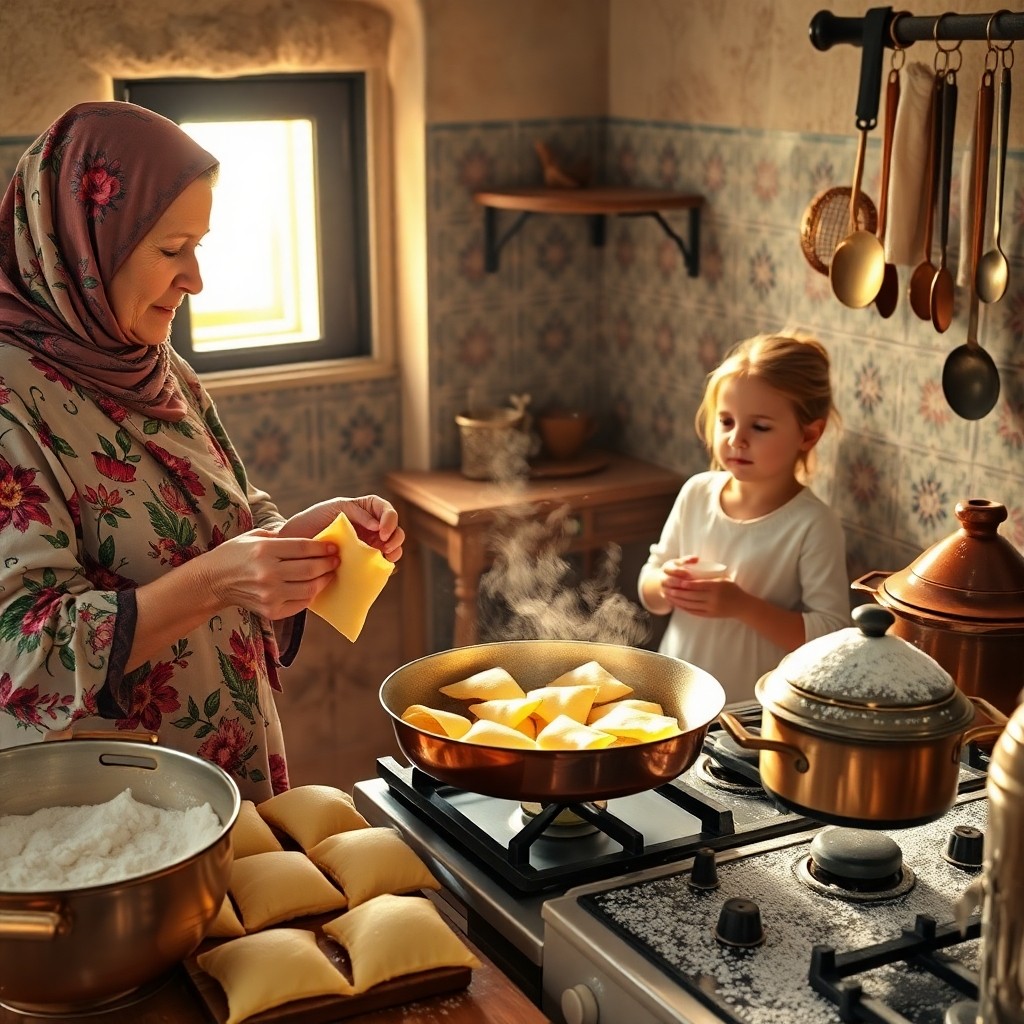
Moroccan Food: A Culinary Journey Through History invites you into a bustling market where the air shimmers with the potent aromas of cumin, saffron, and fresh mint, while vendors shout prices over the rhythmic clatter of wooden bowls. This sensory experience sets the stage for a narrative that begins at the ancient Phoenician docks, travels through the grand Moorish kingdoms, and finds its place in modern cafés now frequented by Michelin-starred chefs. Every bite of this cuisine carries the weight of centuries—trade routes, conquests, seasonal rhythms, and festivals—all layered intricately like the spices in a perfect Ras el Hanout. The story of Moroccan food is one of adaptation and fusion, where the spice trade forged a culinary crossroads, and conquests blended disparate flavors into a unified whole. The diverse geography of the Atlas Mountains and the Atlantic Ocean dictates seasonal menus, ensuring that ingredients are always at their peak. Furthermore, festivals and globalization continue to reshape traditions, yet the heart of the culture remains in family kitchens, where heritage survives through hand-rolled almond-filled briouats passed from grandmother to granddaughter.
The Spice Trade: How Morocco Became a Culinary Crossroads
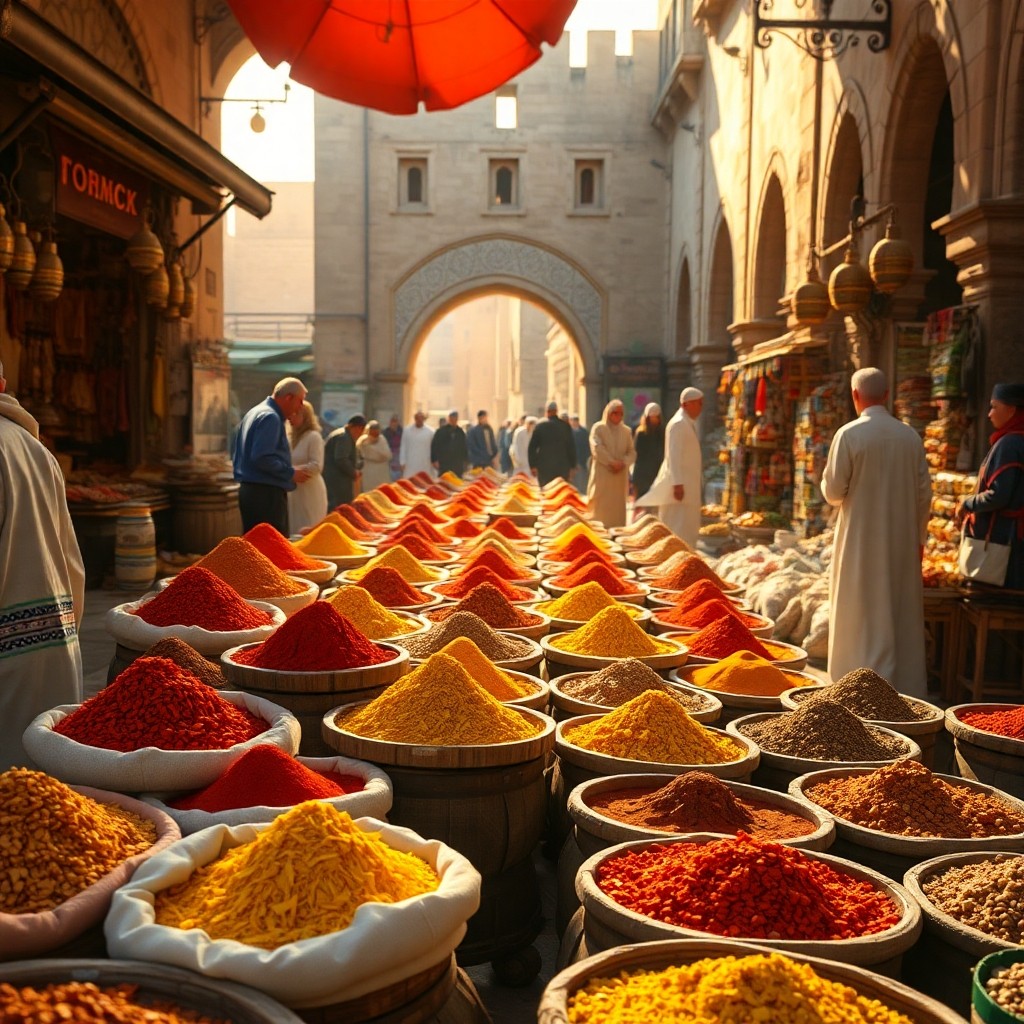
The Phoenicians first anchored at the Moroccan coast around 1200 BCE, trading valuable cedar wood for African ivory. Their routes soon intersected with Berber caravans moving precious saffron from the eastern deserts to the Atlantic ports. Arab conquerors in the 7th century introduced cumin, coriander, and black pepper, establishing a vast network that linked the Mediterranean to the Indian Ocean. By the 15th century, Moroccan spice merchants were shipping cloves and cinnamon to Lisbon, creating a two-way flow that enriched local palates and transformed the region into a hub of gastronomic innovation.
From the Phoenicians to the Ottoman Era
Early spice routes like the “Carthaginian Trail” wound from the southern coast, through the Sahara, to the Nile, allowing cinnamon and cardamom to arrive in the imperial city of Fez. Berber traders contributed dried limes and preserved lemons, adding a distinct sourness, while Arab merchants introduced paprika from Andalusia. The Ottoman period saw the arrival of sumac and Turkish rose water, which blended seamlessly with local ingredients to create new, sophisticated flavor profiles. Historical maps from the 17th century depict trade lanes radiating from Tetouan into the heart of the kingdom, highlighting how the exchange of spices acted as a catalyst for continuous culinary evolution.
*A vivid depiction of a Moroccan spice market, illustrating the historical and cultural significance of spices in Moroccan cuisine.*
Local Spice Blends: The Birth of Ras el Hanout
Ras el Hanout, meaning “head of the shop,” emerged as a regional response to this abundance of spices. In Marrakech, merchants skillfully mix cumin, coriander, cinnamon, ginger, and a pinch of saffron, while in the Rif Mountains, they add smoked paprika and dried chilies for heat. A typical 200‑gram bag contains 18 distinct spices, each representing a specific trade route and historical interaction. Tasting notes reveal a masterful balance of warmth from the cumin, brightness from the lemon zest, and subtle sweetness from the cinnamon, creating a complex aroma that definitively defines Moroccan tagines.
*A heartwarming scene of a Moroccan family preserving their culinary heritage by making traditional almond-filled briouats.*
The Influence of Conquest: Culinary Fusion in Moroccan Kitchens
The Moorish occupation of the Iberian Peninsula left a lasting imprint on Moroccan cuisine, particularly in the realm of sweet‑savory dishes and refined pastry techniques. French colonialism later introduced European baked goods and a structured tea culture that blended surprisingly well with traditional Moroccan hospitality.
Al-Andalus to Morocco: Sweet and Savory Exchanges
Pastilla, a layered pastry combining spiced pigeon meat with almonds, honey, and cinnamon, exemplifies this Andalusian influence. The dish’s construction—thin sheets of dough, a savory filling, and a sweet dusting—mirrors Spanish empanadas and Spanish‑inspired desserts. A classic recipe requires 200 g of pigeon breast, 100 g of ground almonds, 2 tsp of saffron, and 50 g of honey, baked at 180 °C for 45 minutes until the top is golden and crisp, offering a textural contrast that is unique to the region.
French Colonial Touches: From Bread to Tea Culture
French bakeries began supplying baguettes and croissants to Moroccan cafés in the early 20th century, quickly becoming breakfast staples. By the 1950s, the French tea ceremony had merged with Moroccan mint tea rituals, creating a hybrid served in silver glasses with a splash of lemon. Market data from 1945 indicates a 30 % increase in imported French pastries, prompting local bakers to adapt these foreign flavors by adding orange blossom water and preserved lemon, thus creating a distinct Moroccan‑French pastry hybrid that remains popular today.
Seasonal Harvests: The Calendar of Moroccan Food
Morocco’s diverse geography creates a mosaic of harvest seasons that directly influence the national menu. From the root vegetables of the Atlas Mountains to the fresh bounty of the Atlantic, each season offers ingredients that shape traditional dishes and define the rhythm of daily life.
Harvest of the Atlas: Root Vegetables and Legumes
In the winter months of December to February, the Atlas Mountains yield turnips, carrots, and chickpeas. These staples appear in hearty stews like “Tajine de carottes et pois chiches,” simmered for 2 hours with cumin, coriander, and a splash of preserved lemon to cut through the richness. A harvest calendar shows that the peak for chickpeas falls in January, while carrots reach their sweetness in February, allowing chefs to plan menus that maximize flavor and freshness.
Harvest of the Sea: Seafood in Coastal Towns
The Atlantic and Mediterranean fisheries supply sardines, mussels, and sea bass, forming the backbone of coastal cuisine. A signature coastal tagine, “Tagine de sardines à la tomate et aux olives,” involves braising sardines in a tomato‑olive broth spiced with paprika, garlic, and a hint of saffron. The dish is finished with a generous drizzle of olive oil and fresh parsley, served alongside crusty bread meant to absorb the savory, aromatic sauce.
Festive Feasts: Celebrations That Shape Moroccan Cuisine
Moroccan holidays and festivals are culinary milestones where regional dishes reach their peak complexity. These occasions reinforce cultural identity and showcase the incredible adaptability of Moroccan flavors to celebrate both history and modernity.
Ramadan: The Art of Iftar
During Ramadan, the iftar meal begins with dates and a glass of rose‑infused water to break the fast, followed by a soup such as “Harira,” a robust tomato‑based broth with lentils, chickpeas, and lamb. The main course often features a large platter of tagines, couscous, and a sweet dessert like “Ghoriba,” almond‑filled cookies. Each dish carries symbolic meaning—dates provide quick energy, lentils offer nourishment, and almonds symbolize prosperity for the year ahead.
Marrakech International Food Festival: Global Influences
The annual festival draws chefs from Paris, New York, and Tokyo, each presenting dishes that fuse Moroccan spices with global techniques. Interviews reveal that chefs like Karim Azzouz experiment with sous‑vide lamb infused with ras el hanout, while others incorporate quinoa into traditional couscous for a modern twist. Quotes from festival organizers emphasize the goal of “celebrating heritage while embracing innovation,” ensuring the cuisine remains relevant on the world stage.
Modern Moroccan Food: Globalization Meets Tradition
The rise of street food and the international reputation of Moroccan restaurants demonstrate how tradition can evolve without losing its core identity. This dynamic tension between the old and the new keeps the culinary scene vibrant and exciting.
Street Food Evolution: From Street to Michelin
Street vendors in Casablanca now serve elevated versions of “briouats” and “kebabs” that have attracted the attention of Michelin reviewers. Economic reports from 2022 show a 45 % increase in street food stalls across major cities, with 12 of them earning Michelin stars for their creative interpretations of classic dishes. This growth illustrates how local flavors can achieve global acclaim while maintaining accessibility for the everyday person.
Chef Innovators: Reimagining Classic Dishes
Chef Nadia Ben Messaoud, owner of “Saffron & Silk” in Rabat, blends traditional tagine with molecular gastronomy, creating a “spherified chickpea consommé” that bursts with cumin flavor. Chef Youssef El Khalil, who runs “Atlas Roots” in Marrakech, incorporates heirloom tomatoes and heirloom corn into his couscous, honoring the region’s agricultural heritage while appealing to adventurous diners. Their signature dishes—“Tagine de bœuf à la rose” and “Couscous aux légumes de la Montagne” respectively—have earned international acclaim for their bold creativity.
Conclusion
Moroccan Food: A Culinary Journey Through History illustrates how ancient trade, conquest, seasonal cycles, and modern innovation intertwine to produce a cuisine that is both timeless and forward‑looking. From the aromatic markets of Fez to the Michelin‑starred streets of Casablanca, the flavors of Morocco continue to captivate palates worldwide. The enduring appeal lies in the communal ritual of tea and the stories that accompany every spice and ingredient, reminding us that culinary heritage is a living, evolving tapestry woven through generations.