
Moroccan Decor: Bringing Authentic Culture To Your Home
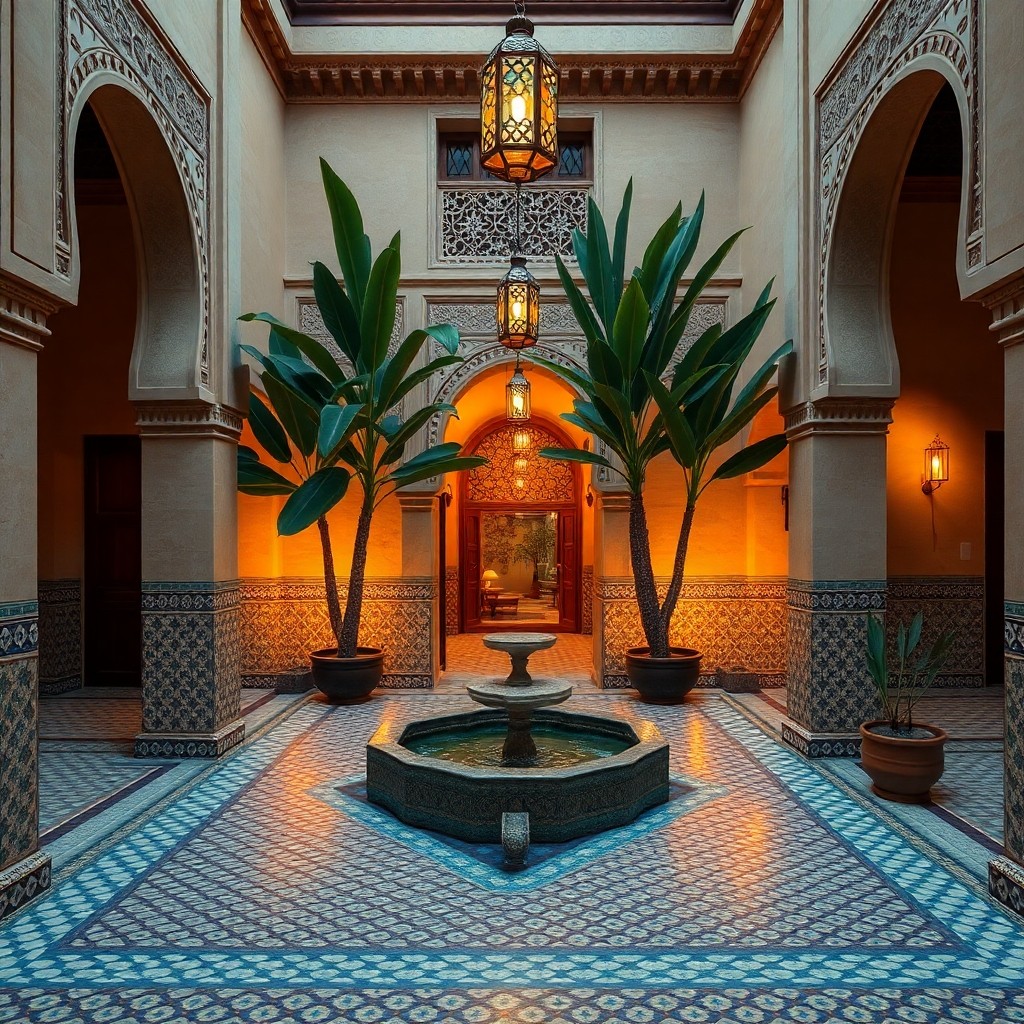
There is a magnetic pull to Moroccan design that transcends mere aesthetics, offering a sensory experience rich with history, texture, and warmth. In recent years, the global interior design community has seen a surge in the desire for Moroccan Decor: Bringing Authentic Culture to Your Home, as homeowners seek to break away from minimalism and infuse their living spaces with character and storytelling. This style is not just about throwing a few poufs on a floor; it is a thoughtful curation of centuries-old artistic traditions rooted in the crossroads of Arab, Berber, and European influences. The allure lies in the dramatic contrast between the rustic and the refined, where rough-hewn earth tones meet the gleam of polished metal and intricate glasswork. At the heart of this design philosophy is a deep respect for Moroccan architecture and the cultural heritage that defines the Maghreb region. By integrating these elements, you are not simply decorating a room; you are inviting the spirit of the Sahara, the bustle of the souks, and the serenity of the Atlas Mountains into your daily life. Picture a traditional Moroccan riad with its ornate tile work and intricate patterns, where the central courtyard serves as a cool, tranquil sanctuary surrounded by carved plaster and arches that frame the sky, perfectly encapsulating the balance between indoor luxury and outdoor nature that this style embodies.
Understanding Moroccan Aesthetic### History of Moroccan Design
*A serene Moroccan riad courtyard showcasing traditional mosaic tiles, carved plaster arches, and a central fountain.*
The roots of Moroccan design are a complex tapestry woven from the threads of Islamic, Arab, and Berber cultures, creating a visual language that is both distinct and eclectic. Historically, the geography of North Africa acted as a bridge between the Mediterranean world and sub-Saharan Africa, making it a hub for trade and cultural exchange. This confluence of civilizations introduced materials like cedar from the north and Sahara sands in the south, which local artisans adapted into unique architectural forms. The Arab conquest in the 7th century brought Islamic geometric principles and calligraphy, which merged with the indigenous Amazigh (Berber) symbolism characterized by abstract, linear motifs and bold, protective talismans. Later, the Andalusian influence following the Reconquista of Spain added a layer of sophistication, introducing intricate stucco work, colorful mosaics, and symmetrical courtyard gardens that define the classic Moroccan aesthetic we recognize today.
Key Elements of Moroccan Style
To truly capture this aesthetic, you must look beyond the surface level and understand the components that give the style its soul. Moroccan design is defined by the use of bold colors like deep ochre, vibrant cobalt, and saturated vermilion, often grounded by the neutral tones of natural materials. Intricate patterns are non-negotiable; they appear on everything from plaster walls to textiles, serving as a visual representation of the infinite nature of creation. Ornate details are crucial, with arches featuring keyhole shapes and furniture featuring hand-carved geometric reliefs. Perhaps most importantly, textiles play a starring role. Rugs and tapestries are not merely floor coverings but art pieces that add layers of texture and warmth. The interplay of light and shadow is also essential, achieved through pierced metal lanterns and latticework screens that filter light into dancing patterns across the room.
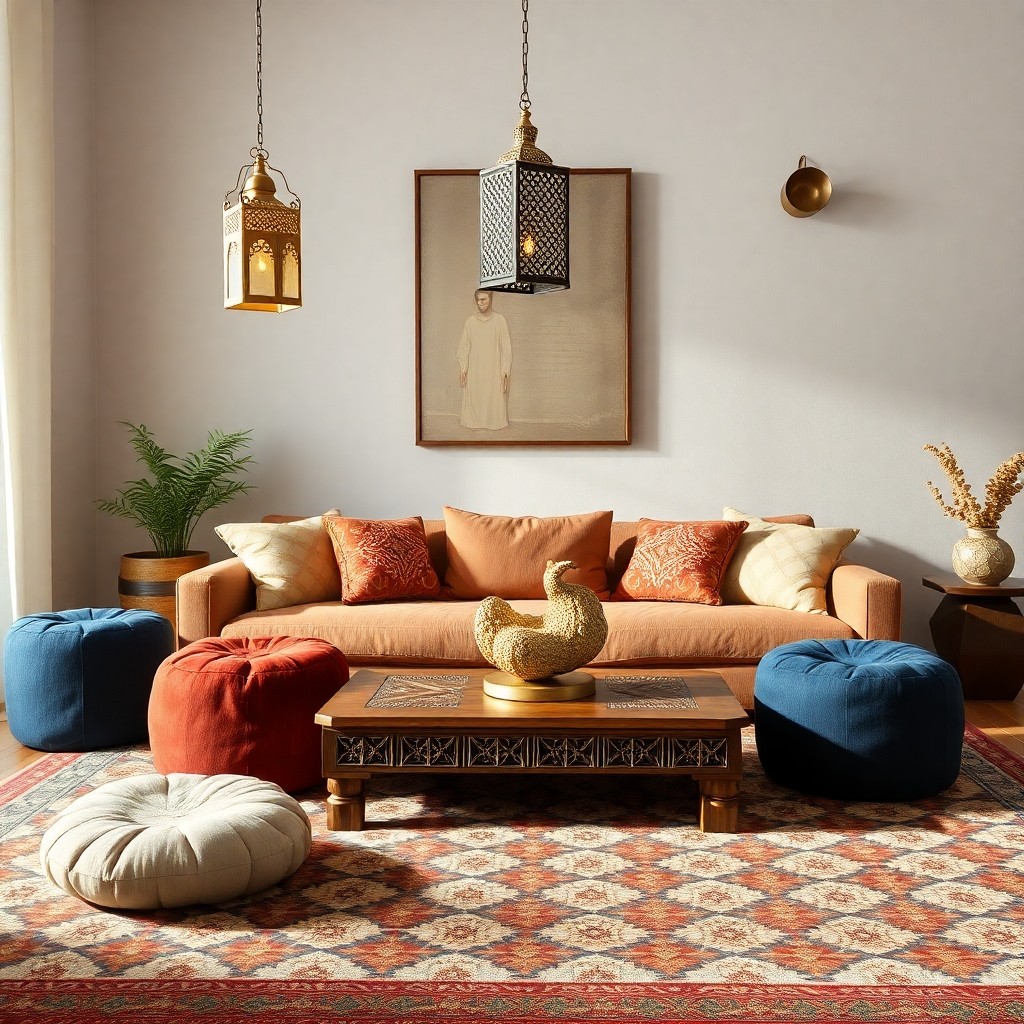
*A contemporary Moroccan living room featuring poufs, a lantern, and a patterned rug.*
Incorporating Moroccan Accents
Integrating these elements into a modern home does not require a complete renovation. You can layer Moroccan accents into your existing decor to create a space that feels curated and worldly without losing its contemporary edge. Start with Moroccan furniture pieces that serve as focal points, such as a low-slung wood sofa upholstered in lush leather or a mother-of-pearl inlaid side table. Decorative accessories like hammered brass trays, colorful ceramic tagines, and woven storage baskets can be scattered throughout a room to inject instant character. To create a Moroccan-inspired vignette using a vintage rug and colorful ceramics, start by finding a flat-weave or Beni Ourain rug and place it diagonally in a corner to anchor the space. Layer a small, low wooden table atop the rug, and arrange a stack of three to five vintage ceramic bowls in varying shades of blue and green on the table. Finally, place a single brass incense burner or a small succulent in a terracotta pot beside the stack to complete the look with height and organic texture.
Colors and Patterns in Moroccan Decor### Traditional Color Palette
The colors used in Moroccan interiors are deeply symbolic, drawn from the natural landscapes and spiritual beliefs of the region. Blue is perhaps the most iconic, notably the "Majorelle Blue" found in Marrakech, which represents water and heaven, and the deep "Chefchaouen blue" of the Rif mountains. Green holds significant religious importance in Islam, symbolizing paradise and renewal, often seen in tile work and courtyard gardens. Red represents strength and protection, while earthy browns and terracottas connect the home to the land and the desert. Historically, these hues were achieved using natural dyes and pigments sourced from local minerals and plants—saffron for yellow, henna for reddish-browns, and indigo for deep blues. Using these authentic colors ensures the space feels grounded and historically resonant rather than synthetic.
Geometric Patterns and Motifs
Mathematics and spirituality converge in Moroccan geometric patterns, which are far more than simple decoration. These complex arrangements of stars, polygons, and interlacing lines are based on the principles of sacred geometry, symbolizing the infinite nature of the universe. You will see these motifs rendered in Moroccan tile work known as *zellige*, where artisans hand-chip thousands of tiny glazed tiles to create seamless mosaics. In textiles, symbols like the diamond or the zigzag are common in Berber weaving, often serving as talismans to ward off evil spirits or represent fertility and protection. When incorporating these, consider the scale; a large geometric area rug can energize a room, while smaller carved patterns in a mirror frame or side table add subtle intrigue without overwhelming the eye.
Modern Interpretations of Moroccan Colors and Patterns
Contemporary designers are reimagining these traditional elements by stripping away the clutter and focusing on form and color contrast. Instead of covering every surface in pattern, modern interpretations often use white walls as a canvas to let a single statement piece shine. You might see a sleek, minimalist living room anchored by a massive, colorful authentic Beni Ouarain wool rug or a kitchen backsplash featuring monochromatic geometric tiles. This approach allows the boldness of the geometric pattern to stand out without competing for attention. A study on the psychological impact of bold colors and patterns on mood and well-being suggests that environments featuring complex, geometric patterns can stimulate cognitive engagement and creativity, whereas the high saturation of traditional colors like saffron yellow and terracotta red has been linked to increased energy levels and social interaction within a living space.
Textiles and Rugs in Moroccan Decor### The Significance of Textiles in Moroccan Culture
Textiles are the very fabric of Moroccan daily life, serving practical, social, and artistic functions. In the harsh climate of the Atlas Mountains and the Sahara, woven goods provided essential warmth and protection from the elements. Beyond utility, textiles are a primary medium of cultural expression, often used to delineate social status, tribal affiliation, and marital status. The role of women in creating and passing down textile traditions cannot be overstated; weaving techniques are taught from mother to daughter, with each pattern telling a specific story or documenting a significant life event. These weavings are often created for a bride's trousseau, symbolizing the weaver's best work and her wishes for the future.
Types of Moroccan Rugs and Textiles
The variety of rugs available is staggering, each region boasting its own distinct style. The Beni Ourain rugs, from the Middle Atlas mountains, are perhaps the most famous in the West, known for their plush ivory wool background and abstract black or brown diamond lines. In contrast, Azilal rugs from the High Atlas are more colorful and wild, featuring abstract geometric shapes on a cream or white background, often incorporating bright oranges, pinks, and blues. Boucherouite rugs are a modern evolution, made from recycled fabric scraps and clothing by Berber women in times of wool scarcity, resulting in vibrant, rag-rug styles that are incredibly durable and unique. Beyond rugs, textiles include hand-woven blankets, throws, and embroidered pillow covers featuring silk cross-stitch designs that add a touch of luxury to any seating arrangement.
Caring for and Maintaining Moroccan Textiles
Owning a piece of Moroccan textile art comes with the responsibility of proper care to ensure it lasts for generations. Natural wool fibers are durable but susceptible to damage from harsh chemicals and high heat. For a Moroccan rug, vacuuming regularly is essential to remove dirt, but avoid the beater bar which can pull at the loose weave. Rotate the rug every six months to ensure even wear and fading from sunlight. I once found a neglected Beni Ourain at a flea market, its ivory wool dulled by years of dust and a stubborn wine stain near the border. Instead of harsh chemicals, I used a mixture of lukewarm water and a gentle, wool-safe detergent, working the foam into the fibers with a soft-bristle brush. After rinsing and air-drying it flat in the shade to prevent warping, the original diamond motifs re-emerged, and the lanolin oils in the wool reactivated, giving the rug that distinct, buttery hand-feel. For textile care involving vintage silk or embroidered pieces, professional dry cleaning is always the safest route to preserve the integrity of the delicate fibers.
Creating a Moroccan-Inspired Space### Assessing Your Space
Before purchasing furniture, take a critical look at the architecture and layout of your room. Moroccan design thrives in spaces that embrace light and have a connection to the outdoors. If you have high ceilings, emphasize them with a large, intricate lantern hanging low to create intimacy. Lighting is paramount in creating a Moroccan ambiance; avoid harsh overhead lighting in favor of multiple light sources at varying heights. Use wall sconces with colored glass to cast a warm, amber glow, and candles in pierced metal holders to create flickering shadows that mimic the movement of fire. Consider the flow of the room; Moroccan living spaces often center around floor-level seating or low tables, so ensure there is enough open floor area to place cushions or rugs comfortably.
Selecting Moroccan-Inspired Furniture and Decor
When choosing furniture, prioritize pieces that show craftsmanship and natural materials. Look for Moroccan furniture made from cedar, walnut, or thuya wood, often featuring mother-of-pearl inlay or hand-carved geometric reliefs. A classic piece to invest in is a "Majmar" sofa, a U-shaped banquette upholstered in leather or fabric with intricate wood carving. However, if your home is modern, you can simply add a low wooden coffee table with hexagonal legs to nod to the style without committing to a full sectional. The key is balancing bold patterns and colors. If you have a highly patterned rug, keep your larger furniture pieces in solid, neutral tones to let the rug shine. Conversely, if your furniture is simple, you can layer in throw pillows with heavy embroidery and complex Berber motifs.
Adding Moroccan Accents and Accessories
Accessories are the finishing touches that truly sell the look and inject personality into your home. Lanterns are the hallmark of Moroccan home decor; look for brass or silver pieces with colored glass panels. You can hang them at different heights in a corner to create a feature wall. Ceramics are also essential; a collection of blue and white pottery on a shelf or a large serving tagine used as a serving piece adds authenticity. To truly customize your space, consider a DIY project. To create a Moroccan-inspired coffee table using a vintage door and colorful tiles, first source a solid wood vintage door, preferably one with raised panels or carvings. Sand the surface thoroughly and apply a clear coat of polyurethane to protect the patina. Next, attach four industrial metal hairpin legs, about 18 inches high, to the underside using heavy-duty wood screws. For the tabletop accent, purchase a box of broken Zellige tile fragments in varying shades of emerald and sapphire. Arrange the shards within the door's recessed panels to create a mosaic, securing them with tile adhesive. Once dry, grout the spaces with a contrasting white grout, wipe away excess, and seal the grout to protect against moisture.
Conclusion
Embracing Moroccan Decor: Bringing Authentic Culture to Your Home is an invitation to live with art, history, and vibrant energy. It is a design style that refuses to be boring, encouraging the use of tactile textures, rich colors, and meaningful patterns that transform a house into a sanctuary. From the intricate geometry of a zellige tile to the soft wool of a hand-woven rug, every element tells a story of the artisans who crafted it. You do not need to travel to the Atlas Mountains to infuse your space with this spirit; by thoughtfully selecting key pieces like a statement lantern, a vintage rug, or a carved wooden accent, you can curate a home that feels both exotic and deeply comforting. Experiment with layering textures, mixing metals with wood, and playing with light to find the balance that suits your personal taste while honoring the rich traditions of Moroccan craftsmanship. For those looking to explore more of Moroccan decor, you can visit Kenzadi artisan home decor collection for inspiration and unique pieces.
Frequently Asked Questions
Q: What are the most common colors used in Moroccan decor?
A: The traditional Moroccan color palette is heavily inspired by the country's landscape and religious influences. You will frequently see Majorelle blue and turquoise, representing water and the sky; terracotta red and ochre, symbolizing the earth and desert sands; and vibrant greens, which hold spiritual significance in Islam. These are often contrasted with stark whites or deep blacks to create visual drama.
Q: How can I incorporate Moroccan patterns and motifs into my existing decor?
A: Start small to avoid overwhelming your space. Replace standard throw pillows with cushions featuring Berber geometric motifs or silk embroidery. You can also introduce a mirror with a metal-framed arched shape or incorporate a single statement wall using a geometric pattern stencil or wallpaper. Another effective method is to layer a patterned runner rug over a neutral wall-to-wall carpet to introduce texture and design instantly.
Q: What is the best way to care for a Moroccan rug?
A: Care depends on the material, but generally, you should vacuum your rug without the beater bar engaged to prevent pulling the fibers. Rotate it every few months to ensure even sun exposure. For spills, blot immediately with a clean, dry cloth. For deep cleaning, it is highly recommended to hire professional cleaners who specialize in hand-woven or vintage rugs, as excessive water or harsh detergents can damage the natural dyes and wool fibers.
Q: Can I mix Moroccan decor with other styles, such as modern or minimalist?
A: Absolutely, and this fusion is often very successful. Moroccan decor pairs exceptionally well with modern minimalist interiors because the intricate details and rich textures of the Moroccan pieces provide a striking contrast against clean lines and neutral backdrops. Use a sleek white sofa as a base and layer it with colorful Moroccan poufs, such as a handmade creamy white leather pouf, and a patterned rug to achieve a balanced, eclectic look.