
What Makes Moroccan Couscous Comfort Food?
The scent of slow-cooked onions, warm spices, and rising steam is the first thing that hits you. Then comes the texture: a mound of golden, fluffy grains that seem to melt on the tongue. This is the experience of **Moroccan couscous comfort food**—a dish that is far more than a simple side, but a cornerstone of North African hospitality, family life, and soulful, hearty meals. This article explores why this dish is the ultimate comfort food, from its deep cultural rituals to its versatile, soul-warming recipes, and offers practical tips for the home cook looking to master it.
Key Takeaways
- Couscous is a hand-rolled semolina product, not a whole grain, and its comforting nature is deeply tied to the communal ritual of Friday lunch in Morocco. - The "comfort" comes from three pillars: the fluffy, airy texture, the rich, slow-cooked stews, and the social act of sharing from a single platter. - Mastering the steaming and fluffing technique is more important than the ingredients themselves for achieving perfect, non-clumpy couscous. - There is no single "authentic" recipe; regional and family variations are the heart of the tradition. - The dish is inherently adaptable, making it a perfect vehicle for both traditional and modern comfort food interpretations.
What Is Moroccan Couscous? The Complete Answer
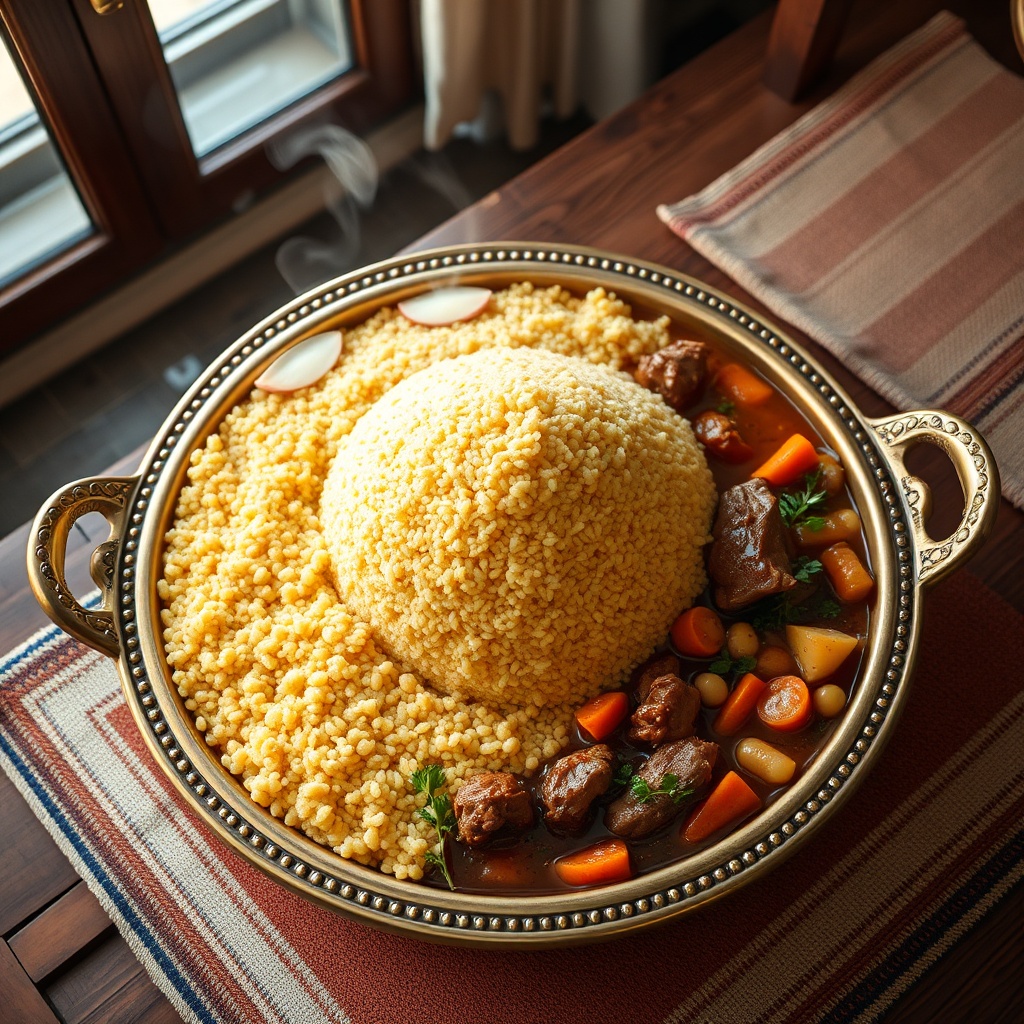
*Showcases the centerpiece dish and its cultural role in sharing and hospitality.*
The Definitive Definition
Couscous is small, steamed balls of crushed durum wheat semolina. It is traditionally hand-rolled by women in a communal process, not a grain that grows on a plant. The word "couscous" refers to both the granules and the complete dish—the granules plus the stew they are served with.
**Definition:** Couscous is a traditional North African dish made from hand-rolled semolina granules that are steamed to a light, fluffy texture and typically served with a stew or broth.
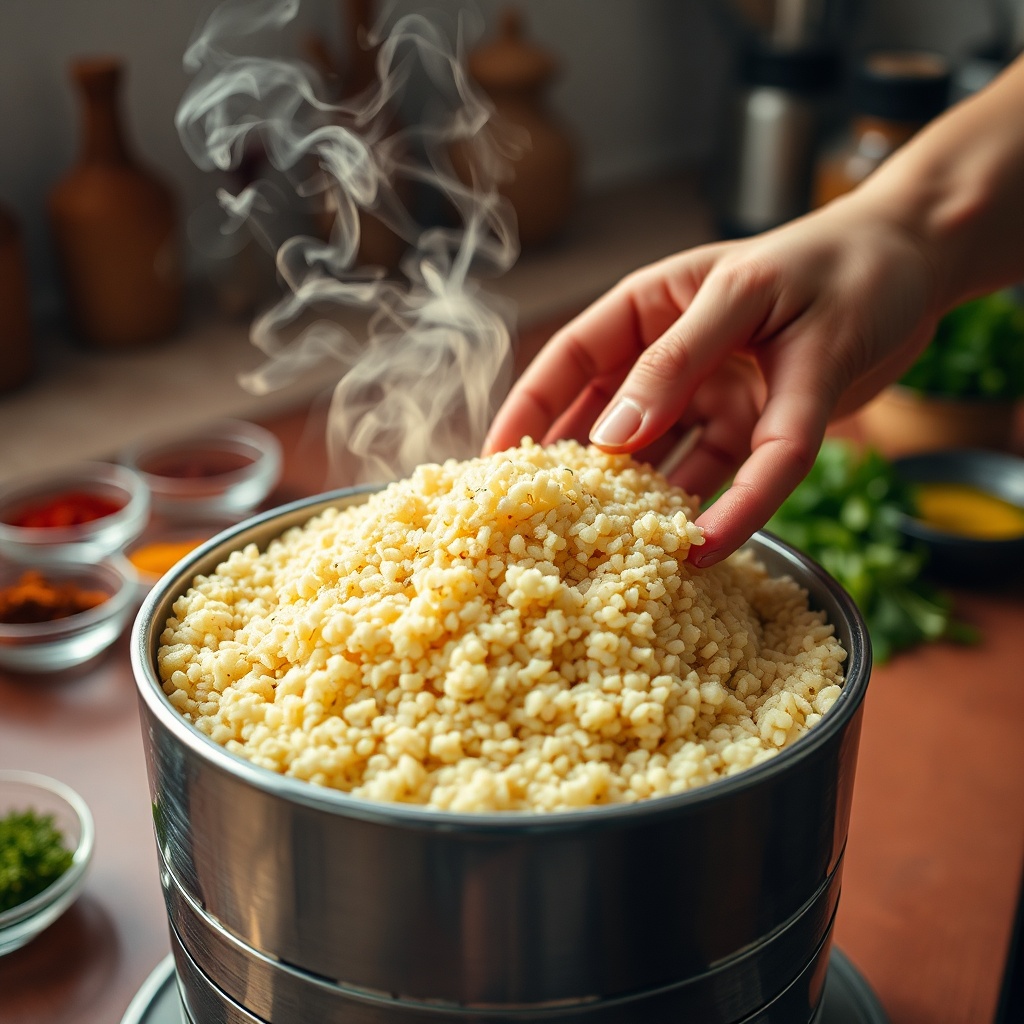
*Showcases the hands-on steaming and fluffing technique central to perfect texture.*
The Cultural Significance: More Than a Meal
Couscous is the centerpiece of the weekly family gathering in Morocco, especially on Fridays after prayers. It symbolizes abundance, sharing, and hospitality, often served on one large platter and eaten with the right hand. This ritual is central to the feeling of comfort it provides—it is a meal that offers both physical and emotional nourishment, a moment of connection in a busy week.
The Core "Comfort" Elements
The comfort of Moroccan couscous rests on three key elements:
- **Texture:** The light, fluffy, and airy nature of perfectly steamed couscous is its defining feature. - **Flavor:** The deep, savory base of the stew, often featuring caramelized onions, sweet vegetables, and aromatic spices like those in **ras el hanout spice blend recipes**, creates a rich and satisfying experience. - **Community:** The act of sharing from a common dish elevates the experience beyond mere sustenance, making it a form of **berber grain traditions north africa** that are still alive today.
**Quick Answer:** Moroccan couscous is comfort food because it combines a uniquely light, fluffy texture with rich, slow-cooked stews and the deep psychological comfort of sharing a meal from a single communal platter.
The Ritual of the Friday Couscous: A Step-by-Step Guide to the Perfect Fluff
The Importance of the "Tfaya" and "Bouillon"
The classic dish relies on two essential components: the *tfaya*, a rich, sweet-tangy topping of caramelized onions and raisins, and the *bouillon*, a deep, flavorful broth. The broth is not just for the stew; it is used to season the couscous granules themselves, infusing them with flavor from the inside out.
Step-by-Step: From Granules to Fluffy Perfection
Achieving the signature airy texture is a technique, not a mystery. Here is the traditional method using a **traditional couscous steamer basket** (couscoussier):
1. **Moisten the dry couscous** with water and a little oil, rubbing it between your hands to prevent clumping. 2. **Steam the couscous** in a couscoussier (or a steamer) over the simmering stew for 15-20 minutes. 3. **Transfer and fluff:** Move the steamed couscous to a large bowl, sprinkle with salted water, and fluff it vigorously with your fingers to break up any lumps. 4. **Steam a second time** for another 15-20 minutes to achieve the signature airy, light texture. 5. **Finish and fluff again:** Remove from the steamer, add a knob of butter or a drizzle of oil, and fluff until the grains are separate and glossy.
Common Mistakes and How to Avoid Them
- **Using too much water:** This creates a mushy, porridge-like texture. - **Not steaming long enough:** This leaves the grains hard and chewy. - **Skipping the fluffing step:** This results in clumps and an uneven texture.
Beyond the Classic: Regional Variations and Personal Comfort
The Seven-Vegetable Couscous (Couscous bel Khodra)
This iconic dish, often found in cities like Fes and Marrakech, features a vibrant array of seasonal vegetables like carrots, zucchini, pumpkin, and turnips. It is a feast for the eyes and the palate, balancing sweet and savory flavors. This is the heart of the **traditional seven vegetable tagine** style of cooking, where the vegetables are the star.
The Sweet Couscous (Couscous with Raisins and Almonds)
A distinct version is served with milk, cinnamon, and dried fruits, typically for breakfast or celebrations. It acts as a dessert or a special treat, showing the versatility of the grain and stepping away from the savory main course.
The Spiced Chicken or Lamb Couscous
This is the classic protein-based version, emphasizing slow-cooked, tender meat and a complex spice blend. The addition of chickpeas and caramelized vegetables adds depth, making it a perfect example of **slow cooked lamb and chickpea stew**. The key is the **authentic moroccan seasoning mix**, which provides the dish's signature warmth.
The Comfort Factor: Comparing Couscous to Other Staple Grains
Texture and Mouthfeel Comparison
Couscous stands out from other staple grains due to its unique preparation and texture. It is steamed, not boiled, which gives it an airy quality that other grains lack.
Table: Couscous vs. Other Comfort Grains
| Feature | Moroccan Couscous | Rice (e.g., Basmati) | Quinoa | Pasta | | :--- | :--- | :--- | :--- | :--- | | **Texture** | Light, fluffy, airy | Fluffy, separate grains | Slightly crunchy, nutty | Chewy, firm | | **Preparation** | Steaming (multiple times) | Boiling/absorption | Boiling | Boiling | | **Absorbs Sauces** | Excellent (soaks up broth) | Good | Good | Good | | **Cooking Time** | 15-30 min (steaming) | 15-20 min | 15 min | 8-12 min | | **Primary Use** | Stews and hearty tagines | Curry, stir-fries | Salads, bowls | Pasta dishes |
Why Couscous is the Ultimate Comfort Food
Its ability to absorb rich, slow-cooked sauces makes it more satisfying than other grains, ensuring every bite is full of flavor. Furthermore, the communal aspect—the single platter shared by all—provides a psychological comfort that other grains don't inherently offer. This is a key part of what makes it a true **moroccan comfort food classic**.
Modern Twists: Adapting Moroccan Couscous for Today's Comfort-Seeking Cook
Quick Weeknight Couscous
You don't need a couscoussier to enjoy this dish. Pre-steamed couscous can be prepared quickly by using a stock pot and a steamer insert, or by following the package instructions for a fast version. This makes it a perfect candidate for **one pot moroccan dinner recipes** on a busy evening.
Vegan and Vegetarian Variations
The traditional dish can be easily made plant-forward with hearty vegetables, chickpeas, and dried fruits. A rich vegetable broth can achieve the same depth of flavor as a meat-based one, making it a satisfying and healthy vegan meal.
Fusion and Global Flavors
Couscous is a blank canvas. It works beautifully in salads, grain bowls, or as a base for proteins with non-traditional sauces like a lemon-herb dressing. Its versatility allows it to retain its comforting texture while adapting to modern, global flavors.
FAQ: Your Moroccan Couscous Questions Answered
Is couscous a grain or a pasta?
Couscous is technically a pasta made from crushed durum wheat semolina, but it is prepared by steaming, unlike traditional boiled pasta.
What is the secret to fluffy, non-clumpy couscous?
The secret is the double-steaming method and vigorous fluffing with your fingers between steamings. You must also use the right amount of liquid to moisten it, not drown it.
Can I make Moroccan couscous without a couscoussier?
Yes. You can use a large pot with a fine-mesh metal strainer or a cheesecloth-lined steamer basket that fits snugly over the top.
What are the essential spices for an authentic Moroccan couscous?
The key is a blend like ras el hanout, which typically includes cumin, coriander, ginger, cinnamon, and turmeric. Saffron is also a classic addition, though it's a luxury item.
Is Moroccan couscous healthy?
It is a good source of complex carbohydrates and fiber, especially when paired with a vegetable-rich stew. The healthy profile depends on the amount of oil and meat used.
Conclusion
Moroccan couscous is a cultural experience that defines comfort food through its texture, flavor, and communal ritual. Mastering the simple steaming technique unlocks a world of delicious, adaptable meals that can bring family and friends together. Embrace the process—from the ritual of fluffing to the joy of sharing a platter. Try the classic seven-vegetable version or a quick weeknight twist and experience the warmth of Moroccan comfort food at home.