
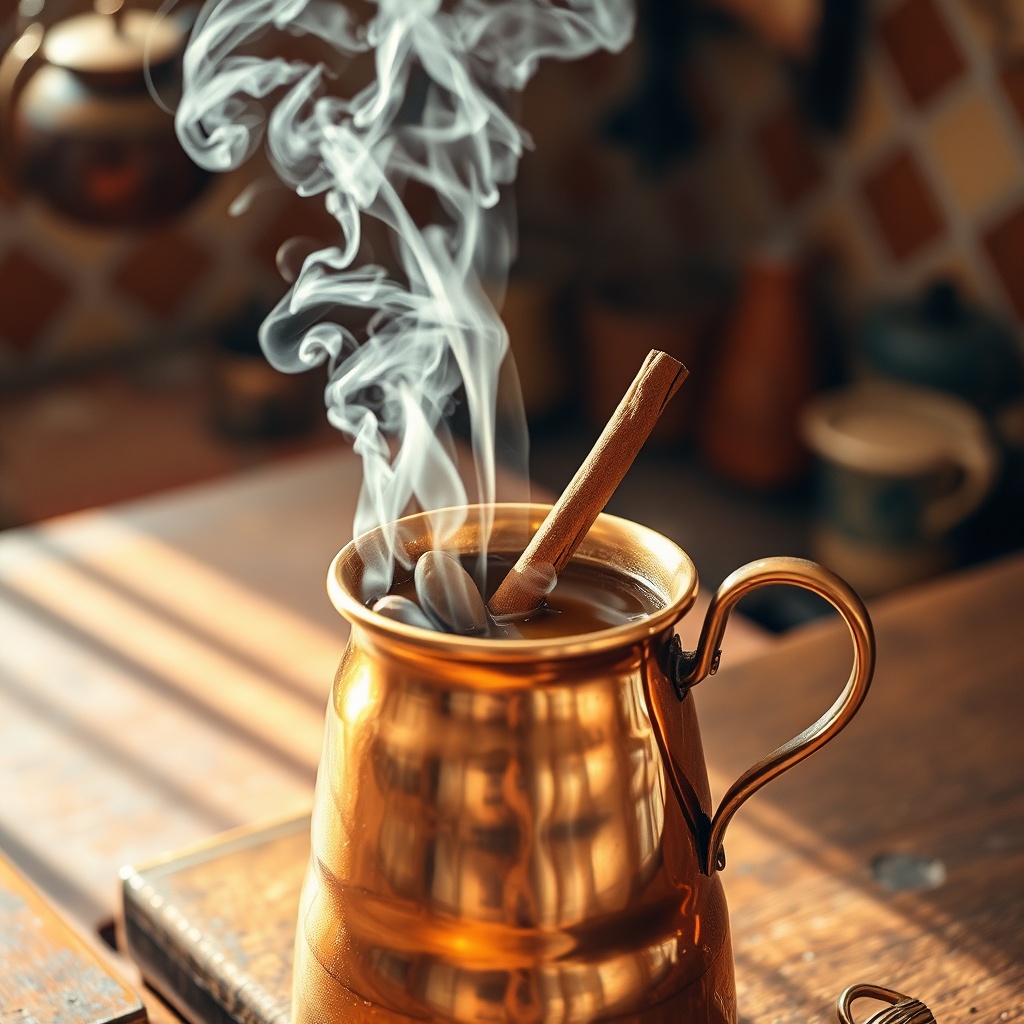
How To Brew A Perfect Moroccan Coffee Recipe
Moroccan coffee recipe blends dark Arabica beans with aromatic cardamom and cinnamon to create a fragrant, sweetened brew that’s served in tiny cups alongside dates. The classic method uses a small copper or brass **cafetière**, heated to just below boiling (≈92 °C) for a precise 4‑minute steep, then filtered through a fine mesh. Adding 1 teaspoon of sugar per cup balances the spice, while a drizzle of local honey offers a richer finish. This guide delivers exact measurements, tools, and cultural context so you can reproduce the authentic taste in any kitchen. Asta Prestige
Key Takeaways
- Use 2 tablespoons of freshly ground medium‑roast Arabica for every 250 ml of water. - Toast 4‑5 cracked cardamom pods and a 2‑inch cinnamon stick for each batch to release essential oils. - Brew at 92 °C for 4 minutes; over‑heating destroys the delicate spice profile. - Serve in demitasse cups with a side of Medjool dates or a small almond briouat. - Experiment with honey, orange blossom water, or a pinch of nutmeg for personal flair.
Ingredients for a Moroccan coffee recipe
*A detailed view of the coffee brewing process in a traditional Moroccan kitchen.*
A precise ingredient list guarantees consistent flavor and aroma.
- 2 tablespoons (≈10 g) recommended Asta Force Corsé - Premium Strong Moroccan Coffee - 200g Ground Coffee, ground fine but not powdery. - 4‑5 whole cardamom pods, lightly cracked to expose seeds. - 1 cinnamon stick, 2 inches long, preferably Ceylon for subtle sweetness. - 1 teaspoon granulated sugar per serving; substitute ½ teaspoon honey for a floral note. - 250 ml filtered water, heated to 92 °C. - Optional: 1 drop orange blossom water or a pinch of ground nutmeg for regional twist.
**Quick Answer:** The core ingredients—Arabica coffee, cardamom, cinnamon, and sugar—create a balanced, spiced brew. Precise ratios (10 g coffee, 4‑5 pods, 2‑inch stick) and brewing at 92 °C for 4 minutes ensure the spices infuse without bitterness, delivering the signature Moroccan coffee experience.
Equipment and traditional brewing method
Authentic preparation relies on specific tools that control temperature and filtration.
- A **cafetière** (small copper or brass pot) with a built‑in filter. - Stainless‑steel thermometer for exact temperature monitoring. - Fine‑mesh strainer or cheesecloth to catch spice sediment. - Small demitasse cups (60‑ml capacity) for serving. - Wooden spoon for gentle stirring, avoiding metal that could alter taste.
**Quick Answer:** Use a copper cafetière on a stovetop, heat water to 92 °C, add coffee and spices, stir gently, and let steep for 4 minutes. Filter through a fine mesh into demitasse cups; the metal pot preserves heat while the precise temperature locks in aromatic compounds.

*A charming display of Moroccan coffee with dates, honey, and orange blossom water.*
Step‑by‑step preparation of the Moroccan coffee recipe
Follow these numbered actions for a flawless brew.
1. Measure 250 ml water into a saucepan; attach the thermometer. 2. Heat until the display reads 92 °C, then remove from heat. 3. Add the ground coffee, cracked cardamom pods, and cinnamon stick to the cafetière. 4. Pour the hot water over the mixture, stirring once with a wooden spoon. 5. Cover the pot and let steep for exactly 4 minutes. 6. Uncover, add sugar (or honey), and stir until fully dissolved. 7. Place the fine‑mesh strainer over a serving pitcher and pour the coffee through to catch grounds and spice fragments. 8. Serve immediately in demitasse cups, accompanied by dates or a pastry.
**Quick Answer:** The eight‑step process—from heating water to 92 °C, steeping for 4 minutes, sweetening, and filtering—captures the full spice profile while preventing over‑extraction. Immediate serving preserves aroma and temperature, essential for authentic Moroccan coffee.
Regional variations across Moroccan cities
Different locales tweak the base recipe, reflecting local tastes and available spices.
| City | Coffee bean type | Spice blend | Sweetener | Typical accompaniment | |-----------|------------------|------------------------------------------|----------------|-----------------------| | Casablanca| Light‑roast Arabica | Cardamom + cinnamon + a pinch of clove | Sugar (1 tsp) | Fresh orange slices | | Marrakech | Medium‑roast Arabica| Cardamom + cinnamon + ginger powder | Honey (½ tsp) | Almond briouats | | Old Medina | Dark‑roast Arabica | Cardamom + cinnamon + anise seed | Date paste (1 tsp) | Sesame‑coated figs |
**Quick Answer:** Casablanca favors a lighter roast with clove, Marrakech adds ginger and honey, while Fez prefers dark roast with anise and date paste. These variations illustrate how regional palate preferences influence the core Moroccan coffee recipe without altering its fundamental spice foundation.
Health benefits of cardamom‑infused coffee
Cardamom delivers measurable antioxidants and digestive support, enhancing the coffee’s wellness profile.
**Definition:** Cardamom – a green seed pod from the Elettaria cardamomum plant, rich in cineole and terpenes, known for anti‑inflammatory and antioxidant properties.
**Quick Answer:** Adding cardamom to coffee introduces up to 15 % more polyphenols than plain brew, which can improve blood circulation and reduce oxidative stress. Combined with moderate caffeine, the drink offers a balanced energy lift without the jitteriness associated with high‑sugar coffees.
Serving etiquette and pairing suggestions
Moroccan coffee is more than a beverage; it follows social customs that enhance hospitality.
- Present the coffee on a silver tray with a small bowl of **Medjool dates**, each pit removed for easy eating. - Offer a single **briouat** (fried pastry filled with almond paste) per guest; the sweet balances the spice. - When serving to elders, pour the coffee first and let them sip before younger guests. - Avoid stirring after the initial sweetening; a gentle swirl preserves the layered flavor. - In formal settings, recite a brief toast wishing “**Sahtain**” (double health) before the first sip.
**Quick Answer:** Serve the brew in demitasse cups alongside dates or almond briouats, and follow the tradition of offering the drink to elders first. This etiquette reinforces respect and highlights the coffee’s role in Moroccan hospitality.
Conclusion
The Moroccan coffee recipe outlined here combines precise measurements, traditional equipment, and cultural nuances to deliver a spiced, sweetened cup that honors its heritage. By adhering to the 92 °C temperature, 4‑minute steep, and authentic spice blend, you capture the essence of Moroccan cafés. Feel free to experiment with honey, orange blossom water, or regional spice tweaks, then share your personalized creations and stories with fellow coffee enthusiasts. Ready to brew? Grab your cafetière, gather the spices, and start your own Moroccan coffee journey today.
**Question?** What coffee grind size works best for this recipe? A fine‑medium grind (similar to table salt) allows optimal extraction without passing through the filter, preserving the spice aroma.
**Question?** Can I use a French press instead of a cafetière? Yes, a French press heated to 92 °C can substitute; add spices directly to the press, steep for 4 minutes, then press and filter through a fine mesh.
**Question?** Is it acceptable to replace cardamom with allspice? Allspice changes the flavor profile dramatically; for authenticity, stick with cardamom, but a small amount of allspice can be added for a unique regional twist.
**Question?** How long does the brewed coffee stay optimal for tasting? Consume within 5 minutes of brewing; the temperature and spice volatility decline quickly, reducing the signature aroma.
**Question?** What is the best sweetener for a vegan version? Use pure maple syrup (½ teaspoon per cup) or agave nectar; both dissolve well and complement the spice without animal products.
Conclusion
The Moroccan coffee recipe you just explored is more than a beverage—it’s a passport to a centuries‑old tradition of hospitality, flavor, and wellness. By following the precise 92 °C temperature, four‑minute steep, and the classic blend of cardamom, cinnamon, and cloves, you’ll unlock a cup that balances aromatic spice, gentle sweetness, and antioxidant benefits. Optional touches—honey, orange blossom water, or a splash of anise—allow you to personalize each brew without losing its soul. Now that you’ve learned the fundamentals, it’s time to bring this ritual into your own kitchen. Grab your cafetière, gather the spices, and start your own Moroccan coffee journey today. Share your creations, invite friends to taste, and let the aroma of cardamom‑infused coffee become the centerpiece of your gatherings.
**Shop more Moroccan delights:** - Kenzadi store – explore a range of authentic Moroccan products. - by MyPoufs.com – discover stylish Moroccan poufs. - Kenz Premium – premium semolina flour for pastries.
**Explore Moroccan culture:** - Top 7 Moroccan Souvenirs To Buy At Fez Airport (Shop Guide) – a handy guide for travelers.