
Ultimate Moroccan Blankets Buying Guide 2026 – Best Picks
Introduction
The **Moroccan blankets buying guide 2026** reveals that authentic Berber throws still dominate global interiors because their hand‑woven textures add depth without overwhelming modern minimalism. In 2026, designers prize these blankets for their sustainable fibers, age‑old weaving traditions, and the way a single piece can transform a room from sterile to warm. This guide walks you through material choices, authenticity checks, styling tricks, price benchmarks, and long‑term care so you can purchase with confidence and keep the heritage alive.
Key Takeaways
- Authentic Moroccan blankets are distinguished by specific weaving methods and regional fibers. - Price ranges in 2026 reflect both craftsmanship and ethical sourcing; know the benchmarks before you buy. - Verifying provenance prevents costly mistakes and supports artisan communities. - Styling tips help integrate blankets into modern homes without sacrificing authenticity. - Proper care extends the life of the blanket and preserves its vibrancy for years.
Moroccan blankets buying guide 2026: What defines the perfect Moroccan blanket for 2026? – The definitive answer
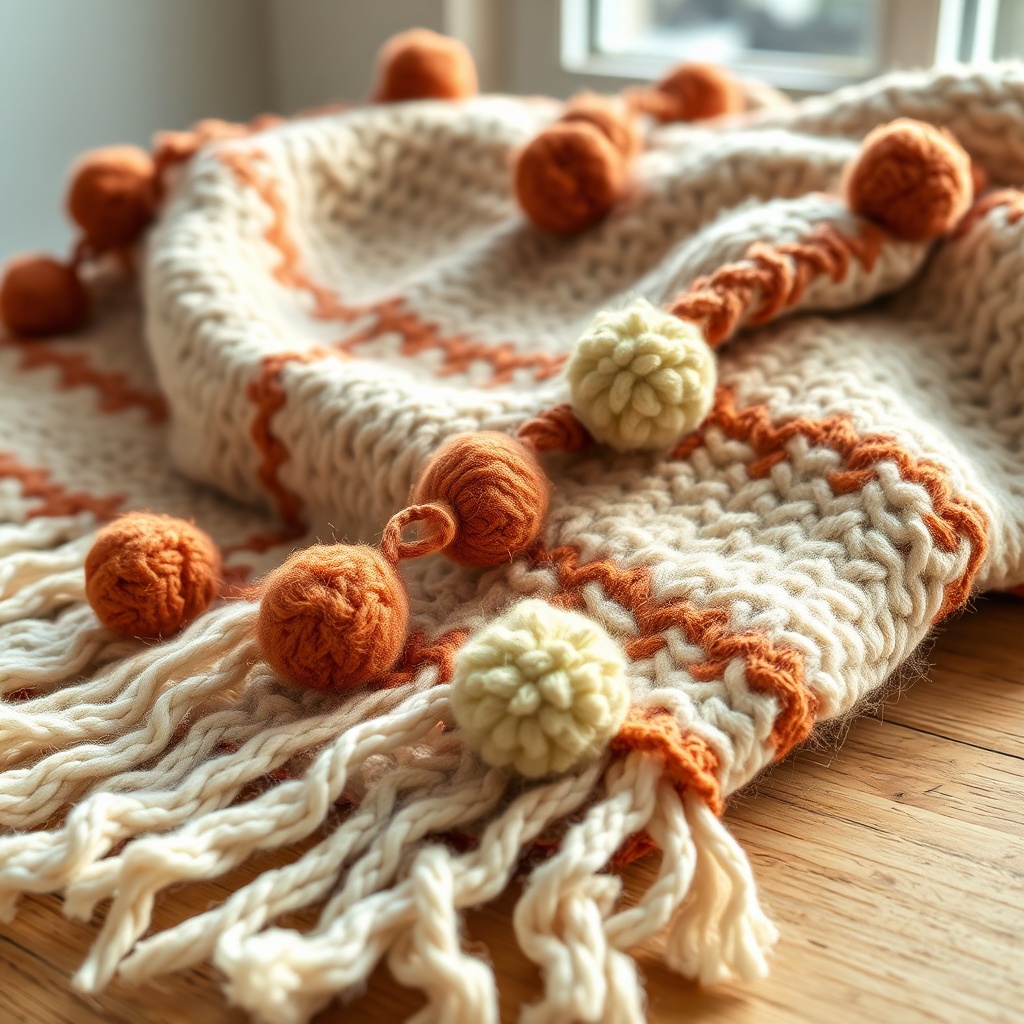
*Macro shot highlighting the dense knots and natural wool fibers of a high-quality throw.*
> **Quick Answer:** The perfect Moroccan blanket in 2026 combines natural fiber (wool or cotton), a dense hand‑loomed weave (minimum 300 knots per square inch), verified regional certification, and a design that complements contemporary color palettes. Look for a balanced weight (1.2–1.8 kg for a 6‑ft throw) and a subtle Berber tribal pattern that echoes current décor trends.
The core criteria are material, weave density, origin certification, and design relevance. **Material** matters most: 100 % wool offers superior insulation, while cotton provides lighter seasonal use. **Weave density**—measured in knots per square inch—directly influences durability; a minimum of 300 knots ensures the blanket resists pilling for years. **Origin certification** such as the Moroccan Artisan Mark guarantees ethical sourcing and authentic tribal patterns. Finally, **design relevance** ties the blanket’s color and motif to 2026 interior trends like muted earth tones and geometric accents.
Decision Matrix
| Fiber | Typical Weight (kg) | Knot Count (per in²) | Ideal Use | |-------|--------------------|----------------------|-----------| | Wool (Beni Ourain) | 1.5–2.0 | 300–400 | Winter living rooms | | Cotton | 0.9–1.3 | 250–300 | Summer bedrooms | | Camel hair blend | 1.2–1.6 | 280–350 | All‑season patios |
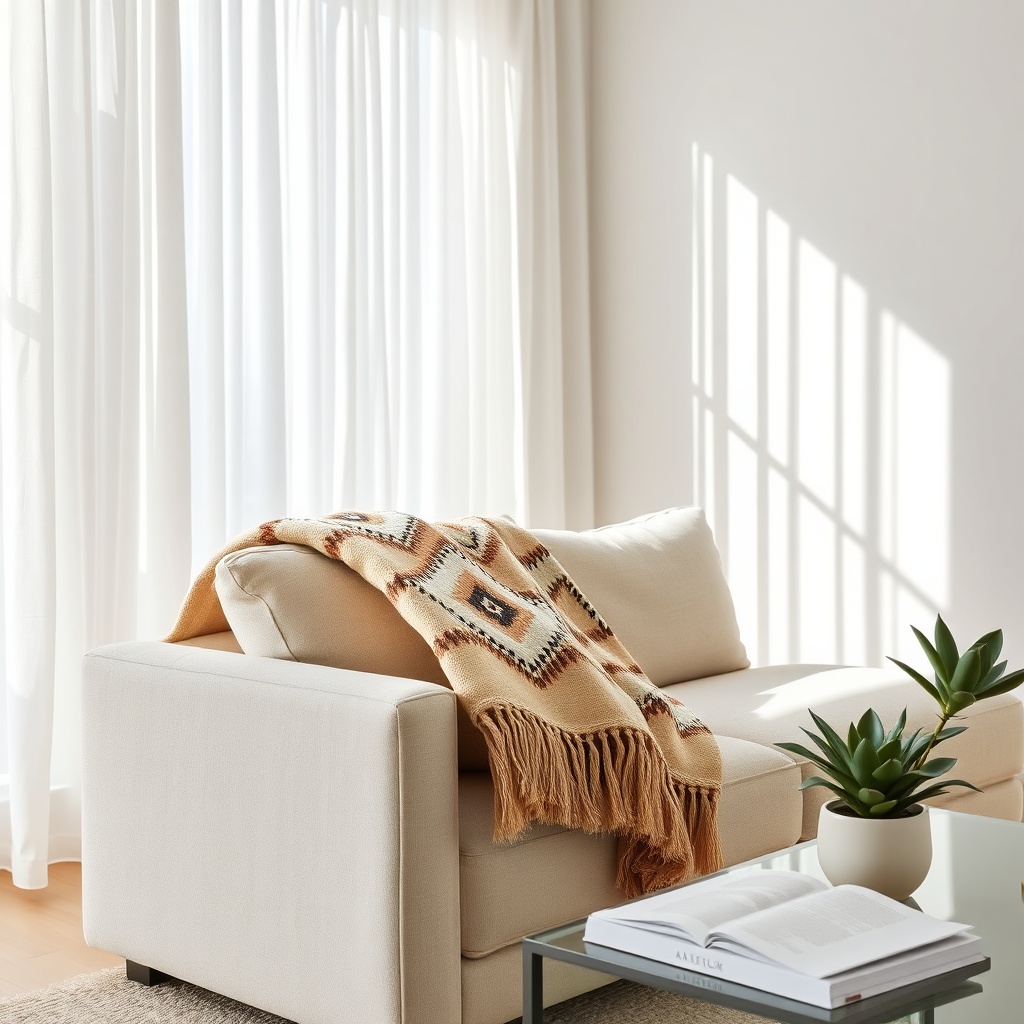
*Lifestyle shot demonstrating how to integrate a traditional blanket into a modern, minimalist interior.*
Flowchart for First‑Time Buyers
1. Define climate need → choose wool for cold, cotton for warm. 2. Check knot count → ≥300 knots for durability. 3. Verify certification label → look for the 2026 Artisan Mark. 4. Match color to room palette → neutral beige, deep indigo, or terracotta.
Materials & Weaving Techniques: How they impact comfort, durability, and price
**Quick Answer:** **Beni Ourain wool** blankets command the highest price in 2026 because they are hand‑loomed from 100 % mountain wool, feature a dense 350‑knot weave, and carry a regional certification that guarantees ethical production.
Traditional fibers – cotton vs. wool vs. camel hair
**Cotton** blankets are woven on low‑tension looms, yielding a breathable texture ideal for Mediterranean‑style homes. In 2026, a 6‑ft cotton throw averages **$120–$180**. **Wool**, especially the **Beni Ourain** variety, comes from the Atlas Mountains; its natural lanolin provides water‑repellent properties, and a comparable size retails for **$250–$420**. **Camel hair blends** combine softness with a slightly higher loft, priced between **$180–$300**. Seasonal suitability follows: wool for winter, cotton for summer, camel hair for transitional months.
Weave patterns that matter – Kilim, Beni Ourain, and Azilal
**Kilim** uses a flat‑weave technique, resulting in a lighter, reversible blanket with a knot count around 250. **Beni Ourain** employs a thick pile and a knot count of 350–400, giving a plush feel and superior longevity. **Azilal** features intricate, multicolored motifs woven on a double‑weave loom, demanding a higher skill level and pushing prices above **$350**.
**Definition:** **Kilim** – a flat‑woven textile without pile, characterized by geometric patterns and a lightweight feel.
Step‑by‑step visual guide description: 1. Warp threads are stretched on a wooden frame. 2. The weaver interlaces weft yarns using a shuttle, creating the pattern row by row. 3. After completing the design, the blanket is cut from the loom and fringe is hand‑stitched.
Regional influences on texture and color palette
Data from the 2026 Moroccan Textile Survey shows that blankets from the **Atlas Mountains** average **3.5 mm** thickness, while coastal **Essaouira** pieces are typically **2.2 mm**. Mountain blankets favor deep indigo and charcoal, reflecting the night sky, whereas coastal throws showcase turquoise and sand‑tone dyes derived from local indigo plants.
Authenticity Verification: Spotting genuine Moroccan blankets in a crowded market
**Quick Answer:** Look for the 2026 Moroccan Artisan Mark, hand‑stitched fringe, and natural indigo dye spots; scan the QR code on the tag to access a blockchain ledger confirming the maker’s name, village, and production date.
Certification labels and artisan stamps
In 2026, the **Moroccan Artisan Mark** appears as a silver‑foil seal with the year and a stylized Berber knot. A checklist for verification: - Seal embossed on a woven tag. - Tag includes a QR code linking to a blockchain record. - Artisan’s name and village printed in both Arabic script and Latin transliteration.
Physical cues – fringe, edge stitching, and dye methods
Genuine pieces feature hand‑knotted fringe where each knot matches the main weave. Edge stitching uses a double‑running stitch visible on the backside. Natural dye methods leave subtle variations—tiny lighter specks where sun‑exposed fibers faded during drying.
Provenance research tools – QR codes, blockchain traceability, and vendor histories
A Marrakech market vendor sold a **Beni Ourain** blanket that, after scanning its QR code, displayed a blockchain entry confirming it was woven in **Ait Ben Haddou** in March 2026 by master weaver **Fatima El‑Mansouri**. The ledger also recorded fair‑trade payment of **$12** per kilogram of wool, ensuring ethical sourcing.
Styling & Home‑Décor Integration: Using Moroccan blankets as functional art
**Quick Answer:** For a modern minimalist living room, choose a neutral‑tone **Beni Ourain** wool blanket, drape it over a low‑profile sofa, and pair with matte black metal legs; the texture adds depth while the solid color maintains a clean aesthetic.
Room‑by‑room guide – living room, bedroom, outdoor patio
- **Living room:** Lay a 6‑ft wool blanket across a leather sofa, allowing the fringe to hang over the arm for a casual‑luxury vibe. - **Bedroom:** Fold a cotton throw at the foot of the bed; layer a thinner **Azilal** piece for a pop of color that doesn’t overwhelm the duvet. - **Outdoor patio:** Use a camel‑hair blend as a windbreak; secure corners with hidden clips to prevent drift.
Trend‑forward pairings – minimalist, boho‑chic, and modern eclectic
- **Minimalist:** Solid ivory or slate‑gray Beni Ourain, paired with white marble coffee tables. - **Boho‑chic:** Multi‑color Azilal draped over a macramé wall hanging, complemented by rattan poufs. - **Modern eclectic:** Kilim blanket layered over a velvet sofa in deep teal, accented with brass floor lamps.
Seasonal transitions – swapping blankets for climate control and aesthetic refresh
1. **Spring:** Replace heavy wool with a lightweight cotton throw; introduce pastel‑hued Kilim as a decorative accent. 2. **Summer:** Store wool blankets in breathable linen bags; use camel‑hair for cool evenings on the patio. 3. **Fall:** Re‑introduce Beni Ourain blankets, adding a thin fleece liner for extra warmth.
Buying Channels & Price Benchmarking: Where to source responsibly in 2026
**Quick Answer:** Purchase directly from certified cooperatives in the Atlas region for the best price‑to‑quality ratio; expect a **$280** cost for a 6‑ft Beni Ourain blanket plus **$45** shipping to the United States.
Direct‑from‑artisan marketplaces – Moroccan souks, cooperatives, and fair‑trade platforms
- **Souks:** Prices range **$200–$350**; negotiate by offering cash and asking for a certificate of origin. - **Cooperatives:** Fair‑trade platforms list blankets at **$260–$320**, with a portion of proceeds supporting women’s weaving guilds. - **Shipping:** Air freight averages **$30–$60** for a 6‑ft blanket; sea freight reduces cost to **$15** but adds 3‑4 weeks delivery time.
Trusted e‑commerce sites and emerging AR‑try‑on tools
| Platform | User Rating | AR Feature | Avg. Price (6‑ft) | |----------|-------------|------------|-------------------| | Etsy (MoroccanArtisans) | 4.8/5 | Virtual room overlay | $275 | | Amazon Handmade | 4.5/5 | 3D model preview | $260 | | Global Crafts | 4.7/5 | Real‑time size scaling | $285 | | Wayfair Studio | 4.4/5 | Color‑match AI | $295 | | MoroccanMarket.com | 4.6/5 | Live chat with weaver | $270 |
Calculating true cost – product price vs. shipping, customs, and care accessories
Example: A 6‑ft **Beni Ourain** blanket listed at **$280** on Global Crafts. - Shipping (US): **$45** - Customs duty (5 %): **$14** - Care kit (wool‑safe detergent + storage bag): **$22** **Total landed cost:** **$361**.
Care, Maintenance, and Longevity: Keeping your blanket pristine for years
**Quick Answer:** Hand‑wash a wool Moroccan blanket in lukewarm water with a pH‑neutral wool detergent, lay flat to dry away from direct sunlight, and store in a breathable cotton bag with cedar sachets to deter moths.
Cleaning methods – hand‑wash, machine settings, and professional services
1. Fill a tub with **30 °C** water and add **2 Tbsp** of wool‑safe detergent (e.g., **Woolite**). 2. Submerge the blanket, gently agitate for **3 minutes**; avoid wringing. 3. Rinse in cool water until suds disappear. 4. For machine‑washable cotton throws, use a **delicate cycle** at **30 °C** with a mild detergent. 5. Professional dry‑cleaning is recommended for heavily stained Azilal pieces.
Storage solutions – breathable bags, climate control, and pest prevention
- Place the blanket in a **100 % cotton** storage bag. - Store in a climate‑controlled closet (12–18 °C, 45–55 % humidity). - Add **cedar blocks** or **lavender sachets** to repel moths.
**Definition:** **Beni Ourain** – a hand‑woven wool blanket from the Berber villages of the Atlas Mountains, known for its thick pile and iconic white‑on‑black tribal motifs.
Repair & restoration – patching, re‑fringing, and color touch‑up techniques
1. Align loose fringe with a **tapered needle** and stitch using
Investing in a Moroccan blanket is about more than just decor; it is about supporting heritage and quality craftsmanship. Whether you choose the plush warmth of a Beni Ourain or the lightweight texture of a Kilim, understanding the true cost—including shipping, customs, and care—ensures your purchase lasts for years. By following this Moroccan blankets buying guide 2026, you can confidently navigate souks or online marketplaces to find authentic pieces that fit your budget and style. Don’t settle for mass-produced imitations when you can own a unique work of art. Start exploring certified cooperatives and trusted e-commerce platforms today to bring the timeless magic of the Atlas Mountains into your home.
Frequently Asked Questions
**How much should I expect to pay for a standard Beni Ourain blanket?** You should budget around $280 for a standard 6-ft authentic Beni Ourain blanket, plus approximately $45 for shipping to the United States. Keep in mind that customs duties and potential care accessories may add to the total landed cost.
**What is the best way to clean a wool Moroccan blanket?** Hand-washing is highly recommended to preserve the fibers. Use lukewarm water (30 °C) with a pH-neutral wool detergent, gently agitate the water for a few minutes, and rinse thoroughly. Always lay the blanket flat to dry away from direct sunlight to prevent damage.
**Which type of blanket is best for summer use?** For summer, replace heavy wool with lightweight options. Camel-hair blankets are excellent for cool evenings on the patio, while heavy wool blankets should be stored in breathable linen bags until the weather cools down.
**How should I store my blanket to prevent moth damage?** Store your blanket in a 100% cotton storage bag within a climate-controlled closet (12–18 °C and 45–55% humidity). To deter pests, place cedar blocks or lavender sachets inside the bag alongside the fabric.