
Moroccan Blankets Vs Traditional Throws: Which Wins?
Moroccan blankets represent a sophisticated intersection of centuries-old Berber craftsmanship and contemporary home-decor trends, offering a versatile, sustainable accent for any space. These textiles are not merely functional items but artistic statements handwoven by artisans in the Atlas Mountains.Characterized by distinct geometric patterns and plush textures, authentic Moroccan blankets provide exceptional insulation while serving as visual focal points in modern interiors. As global demand for unique, ethically sourced decor rises, these pieces have transitioned from traditional tribal bedding to coveted design elements found in high-end residences worldwide.
Key Takeaways
- Hand-woven in Morocco since the 12th century, rooted in Berber tradition. - Natural wool provides insulation, weight ≈ 2.5 kg per 120 × 180 cm blanket. - 2025 export data shows a 12 % YoY growth, reaching $45 M worldwide. - Versatile styling: from sofa throws to wall hangings. - Authentic pieces command premium prices ($120‑$350 in 2026) due to labor‑intensive handloom work.
The Complete Answer: What Are Moroccan Blankets and Why They Matter
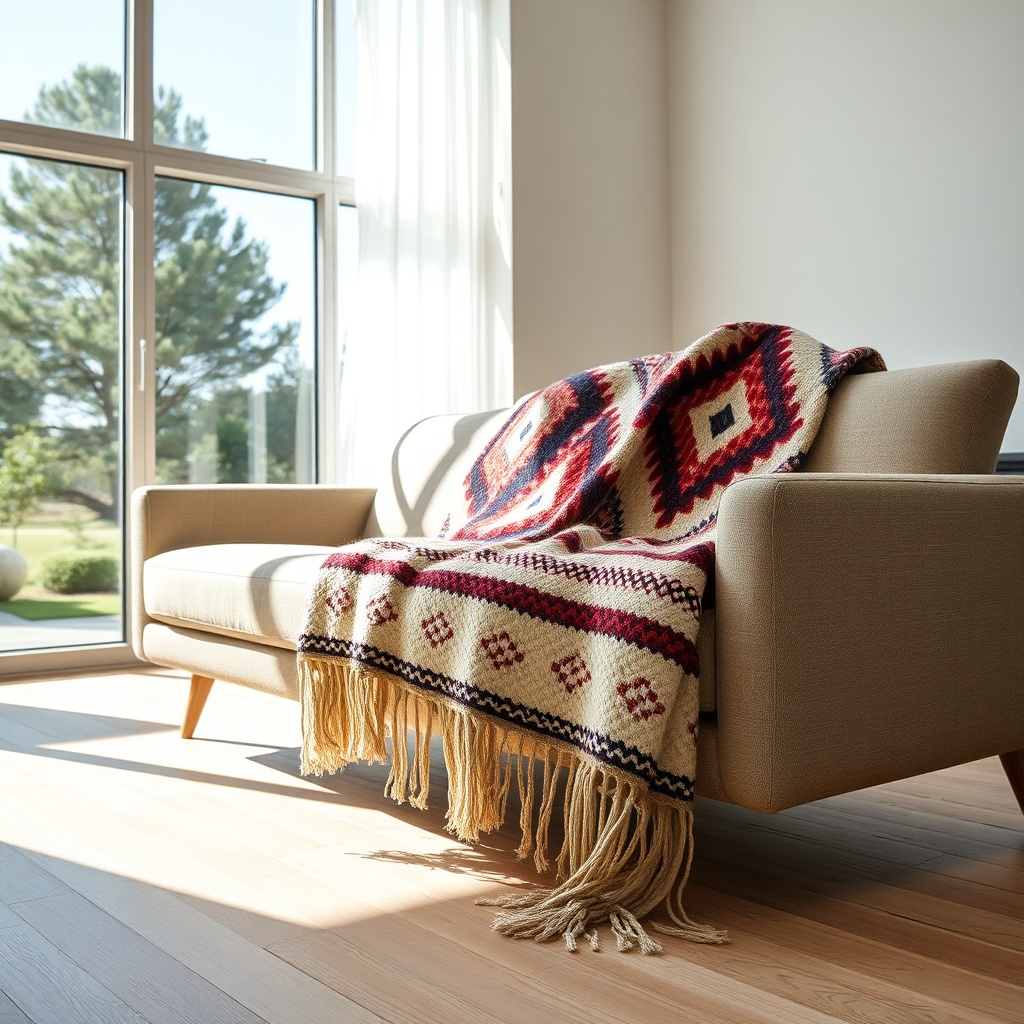
*Shows how authentic Moroccan blankets add a stylish, textured accent to contemporary interiors.*
Definition and Origins
Moroccan blankets, often referred to as a Moroccan throw in interior design contexts, originate from the indigenous Berber people of North Africa. These textiles have been crafted for centuries, serving as bed coverings in the cold Atlas Mountains and as symbols of tribal identity. Unlike mass-produced synthetic alternatives, a genuine Berber textile carries the specific weaving signature of the family who created it, making each piece unique.
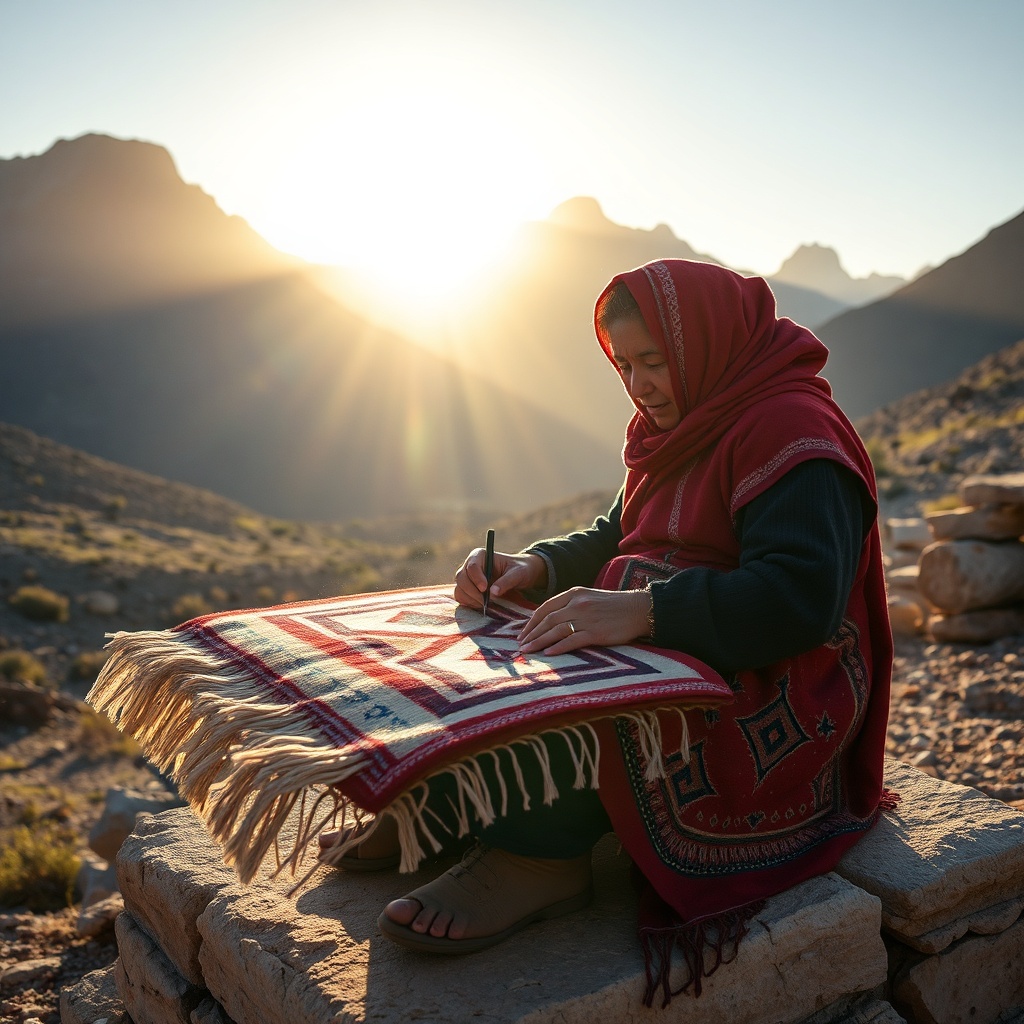
*Illustrates the heritage and hand‑crafted process behind Moroccan blankets.*
Core Characteristics
The defining feature of these textiles is their construction. Most authentic pieces are handwoven using traditional looms, resulting in a texture and durability that machines cannot replicate. The iconic **Beni Ourain** style, for example, is known for a thick, plush pile of natural ivory wool contrasted with dark charcoal or brown geometric lines. This handwoven nature ensures that no two blankets are identical, with slight variations in pattern and knot density serving as markers of authenticity.
Why They Remain Popular Today
In 2026, the appeal of Moroccan blankets lies in their alignment with sustainable decor and global trends. Consumers increasingly prioritize natural materials and ethical production over cheap, fast-furniture items. The aesthetic versatility of these blankets allows them to complement minimalist, bohemian, and maximalist designs alike. Furthermore, the cultural story attached to each piece adds a layer of depth to interior styling that mass-produced goods lack.
**Quick Answer:** Moroccan blankets are handwoven textiles from the Berber tribes of the Atlas Mountains, distinguished by geometric patterns and natural wool. They remain popular due to their durability, unique aesthetic, and alignment with sustainable, ethical home decor trends in 2026.
Cultural Heritage and Craftsmanship### Tribal Patterns and Symbolism
The patterns found on these textiles are not merely decorative; they are a language of Berber symbols. Historically, the geometric shapes and lines represented fertility, protection, and the natural environment surrounding the tribe. A diamond motif, common in many tribal motifs, often symbolizes protection from evil spirits. Artisans weave these symbols intuitively, passing down the meanings from generation to generation without written records, preserving the tribe's history through the loom.
Traditional Loom Techniques
Creating a single blanket requires significant skill and time using traditional handloom weaving techniques. Artisans typically prepare the wool by carding and spinning it by hand before it ever touches the loom. The weaving process for a standard 120 × 180 cm blanket can take several weeks, depending on the complexity of the design. Many weavers still utilize natural dyes derived from local plants, minerals, and spices to achieve the deep reds, indigos, and saffron yellows characteristic of antique pieces.
**Definition:** Handloom weaving — A method of fabric production where the weaver interlaces warp and weft threads manually using a loom, allowing for intricate patterns and variations that machine manufacturing cannot replicate.
Regional Variations
Morocco is home to diverse weaving regions, each producing distinct styles. The **Fez blankets**, often associated with urban craftsmanship, frequently feature intricate embroidery and complex color palettes. According to the Moroccan Ministry of Tourism, the Fez region produced 30 % of Morocco’s blanket output in 2024, serving as a hub for both traditional and hybrid designs. Conversely, rural areas like the High Atlas focus on heavier, more utilitarian weaves designed for warmth during harsh winters.
**Quick Answer:** Authentic Moroccan craftsmanship relies on tribal symbolism for storytelling and traditional handlooms for production. Regional variations, such as the intricate Fez blankets or the rural High Atlas weaves, offer distinct textures and patterns that reflect local history and available materials.
Materials, Weave Structures, and Care### Natural Fibers: Wool vs. Cotton
The quality of a blanket is largely determined by its fiber content. High-end authentic pieces utilize **organic wool** sourced from local sheep, which offers lanolin oils that provide natural water resistance and stain repellency. Wool is also superior for insulation, keeping users warm in winter and cool in summer due to its breathability. Alternatively, some lighter throws use a **cotton blend** or pure cotton, which is easier to wash and better suited for hot climates or outdoor use, though it lacks the plush warmth of wool.
Weave Types: Beni Ourain vs. Azilal
Understanding the weave structure is crucial for selecting the right textile. The **Beni Ourain** style features a long, plush pile that creates a **chunky weave**, offering a soft, shag-like texture perfect for living areas. In contrast, the **Azilal** weave is often a flat weave or mixed pile, featuring colorful, abstract designs on a cream or white background. While Beni Ourain rugs are generally thicker and heavier, Azilal pieces are often lighter and more flexible, making them excellent for draping over furniture.
Maintenance Tips for Longevity
Caring for these natural fibers requires a gentle approach to preserve the lanolin and structural integrity.
1. Lay the blanket flat on a clean surface. 2. Spot-clean with a damp cloth to address immediate stains. 3. Hand-wash in cold water with mild detergent if a full wash is necessary. 4. Rinse thoroughly, reshape while damp, and air-dry flat away from direct sunlight.
For stain removal, avoid harsh chemicals like bleach, which can strip the natural dyes and weaken the wool fibers. Instead, use a mixture of white vinegar and water for gentle cleaning. When storing, always ensure the blanket is completely dry to prevent mildew, and wrap it in breathable cotton rather than plastic to allow the fibers to breathe.
**Quick Answer:** Moroccan blankets are typically made from organic wool for warmth or cotton for versatility. While Beni Ourain styles offer a chunky, plush pile, Azilal weaves are lighter and more colorful. To maintain them, spot-clean or hand-wash in cold water and air-dry flat to preserve the natural fibers.
Styling Moroccan Blankets in Modern Interiors### Living Room Layering Strategies
In the living room, a Moroccan throw acts as a dynamic layer that breaks up the monotony of solid-colored sofas. Drape a Beni Ourain blanket over the arm of a leather sectional to introduce texture and softness. You can also use these textiles for **floor layering**; placing a vintage-style runner over a larger neutral rug creates an eclectic, bohemian look that is central to current **Moroccan home decor trends**. The key is to allow the geometric patterns to stand out against simple backgrounds.
Bedroom and Outdoor Uses
The bedroom offers an opportunity to utilize these textiles as a **duvet cover** alternative or an end-of-bed throw. A thick, woolen blanket adds necessary weight and warmth, creating a cozy sanctuary. For **patio décor**, opt for durable cotton blends or kilim-style flat weaves that can withstand outdoor elements. These weather-resistant options are perfect for cool summer evenings, adding a touch of luxury to outdoor seating areas while remaining functional.
Color Coordination with 2026 Trends
Color coordination is essential for integrating bold patterns into a cohesive design. The **earth tones 2026** palette, featuring terracotta, warm beige, and deep olive, pairs beautifully with natural ivory wool blankets. If your space features **pastel accents**, a colorful Azilal blanket with pops of blue or pink can serve as the primary art piece in the room. Always aim to balance the busy patterns of the textile with solid colors in the surrounding decor to prevent visual clutter.
| Interior Style | Recommended Palette | Moroccan Blanket Color | |----------------|---------------------|------------------------| | Minimalist | Soft greys, whites | Natural ivory (Beni Ourain) | | Boho‑Chic | Warm terracotta, teal | Rich indigo (Azilal) | | Scandinavian | Cool blues, muted greens | Sage green (Fez) |
**Quick Answer:** Style Moroccan blankets by draping them over sofas or layering them on floors to add texture. In bedrooms, use them as end-of-bed throws, and on patios, choose durable cotton weaves. Coordinate colors with 2026 earth tones or pastel accents to ensure the patterns complement rather than overwhelm your space.
Buying Guide: Authenticity, Pricing, and Sources### Identifying Genuine Handcrafted Pieces
Distinguishing an authentic piece from a mass-produced imitation requires attention to detail. Look for **authentic markers** such as slight variations in the weave pattern and fringe, which indicate human workmanship. Machine-made replicas often have perfectly uniform patterns and synthetic backings. Check for **label verification**; reputable sellers often provide a tag detailing the region of origin and the materials used. The back of the blanket should reveal the weave pattern clearly, whereas machine-made rugs often have a canvas backing glued on to hide the knots.
Price Ranges and What Influences Cost
Pricing varies significantly based on size, material, and craftsmanship. As of 2026, authentic **Beni Ourain blankets range $120‑$350**, depending on the knot density and size. Vintage pieces or those featuring intricate **natural dye colors** command higher prices, sometimes exceeding $500. Factors influencing cost include the quality of the wool, the time invested in weaving, and the complexity of the tribal motifs. Synthetic versions may cost $30–$50 but lack the durability and tactile richness of the real thing.
Where to Purchase: Online, Markets, and Showrooms
There are three primary avenues for purchasing these textiles: **e‑commerce** platforms, local markets, and specialty showrooms. Online marketplaces like Etsy or dedicated boutique sites offer convenience, but buyers must verify seller reviews and ask for close-up photos of the weave. Visiting the **Marrakech souks** provides an immersive experience where you can feel the texture and bargain directly with artisans, though it requires knowledge of fair pricing. Showrooms in major cities often curate high-quality, authenticated collections, offering a middle ground with guarantees of quality and ethical sourcing.
**Quick Answer:** To ensure authenticity, look for variations in the weave and avoid glued backings. Prices for genuine handcrafted pieces typically range from $120 to $350 in 2026, reflecting the labor involved. Purchase from reputable e‑commerce sites, verified showrooms, or directly in Marrakech souks, ensuring you verify the material and origin before buying.
FAQ
**What is the typical size of a Moroccan blanket?** Standard sizes usually measure approximately 120 × 180 cm, though larger throws reaching 200 × 250 cm are available for king-size beds. Smaller "crib" sizes are also popular for use as accent throws on armchairs.
**How do I care for a wool Beni Ourain blanket?** You should vacuum it regularly without a beater bar to remove dust. For deeper cleaning, professional dry-cleaning is recommended to preserve the natural oils in the wool, though gentle hand-washing with cold water is possible for small spots.
**Are synthetic Moroccan blankets considered authentic?** No, authentic Moroccan blankets are made from natural wool or cotton using traditional weaving techniques. Synthetic versions are machine-made imitations that lack the cultural heritage, durability, and tactile quality of handcrafted Berber textiles.
**Can I use a Moroccan blanket as wall art?** Yes, these textiles make excellent wall hangings. You can use a rug-hanging clip or a curtain rod sewn into a casing on the back of the blanket to display it securely without damaging the fibers.
**What is the environmental impact of producing Moroccan blankets?** The production is highly sustainable, utilizing renewable **sustainable Moroccan fibers** like sheep wool and organic cotton. The handloom process requires no electricity, and the use of natural dyes minimizes chemical runoff, making it an eco-friendly decor choice.
Conclusion
Moroccan blankets offer a unique blend of historical artistry and functional design that is difficult to replicate with modern manufacturing. By choosing authentic pieces, you support the preservation of Berber weaving traditions and invest in a durable, sustainable product that improves with age. Whether you prefer the plush luxury of a Beni Ourain weave or the vibrant storytelling of an Azilal piece, these textiles provide unparalleled versatility in styling. As you curate your living space, consider the cultural weight and material advantages of a handwoven blanket. Visit a reputable showroom or trusted online artisan store today to find a piece that resonates with your aesthetic and ethical values.