
Ultimate Moroccan Blanket Guide: Styles, Care & Decor Tips
**Quick Answer:** A Moroccan blanket is a hand‑knotted wool throw woven by Berber artisans, known for its natural fibers, irregular dye tones, and iconic geometric patterns that reflect tribal heritage.
Introduction
The **Moroccan blanket guide** answers the most common questions about Beni Ourain throws, Marrakech blankets, and the centuries‑old Berber weaving tradition. These hand‑knotted wool blankets originated in the Atlas Mountains, where families used them as bedding, floor coverings, and ceremonial gifts. In 2026 they dominate minimalist lofts, boho‑chic bedrooms, and upscale boutique hotels, thanks to their plush texture and timeless geometric motifs. This guide delivers expert‑level insight on authenticity, care, styling, and ethical buying so you can select, maintain, and showcase a genuine Moroccan blanket with confidence.
Key Takeaways
- **Ancient technique meets modern design** – hand‑knotted Berber wool creates a luxe feel that complements contemporary interiors. - **Authenticity markers** – inspect fiber type, weave density, natural dye irregularities, and origin tags. - **Care routine** – spot‑clean, hand‑wash with eco‑friendly detergent, and store away from light and moths. - **Styling versatility** – use as a sofa throw, layered bedding, patio lounge, or acoustic wall panel. - **Ethical purchase** – choose fair‑trade certified artisans to support sustainable sourcing and community development.
What is a Moroccan blanket and why it matters – the definitive answer
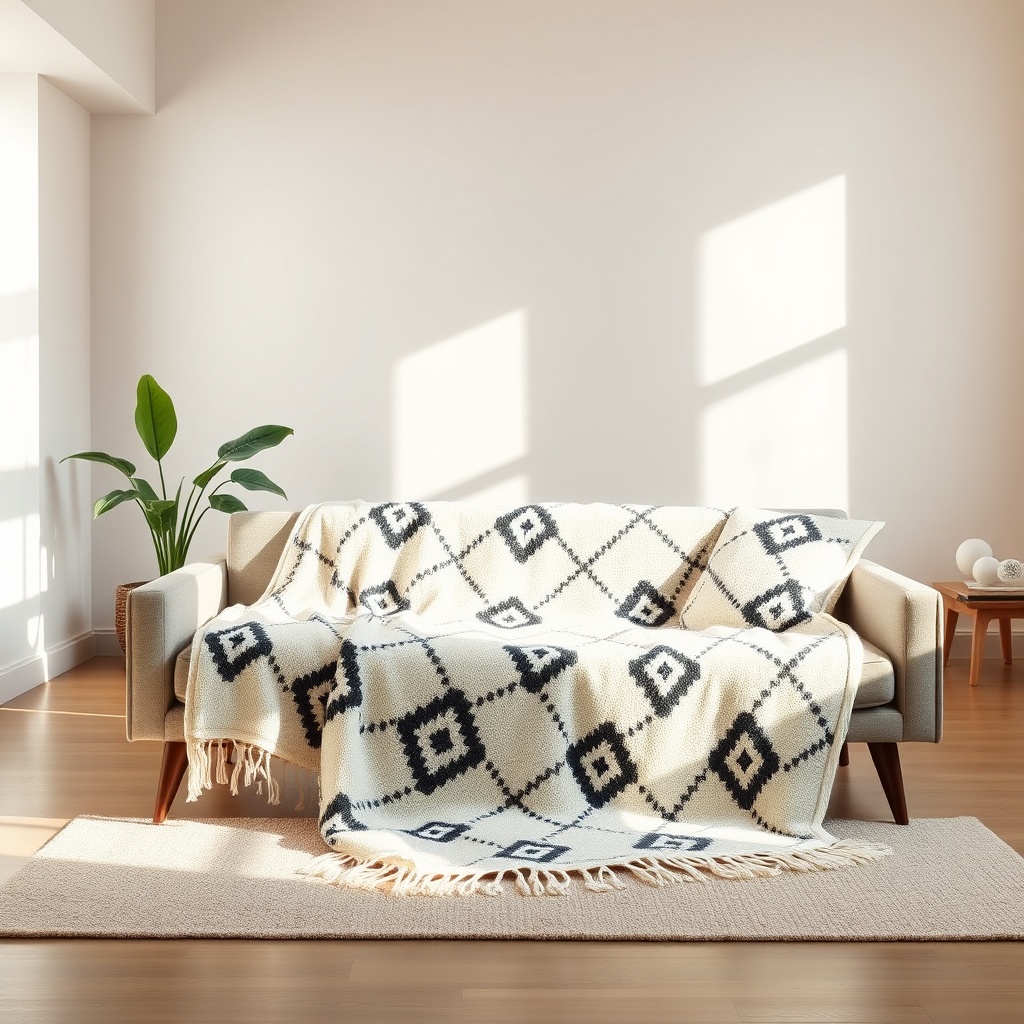
*Shows a Moroccan blanket draped over a sofa in a bright loft, highlighting styling tips.*
**Quick Answer:** A Moroccan blanket is a hand‑knotted wool throw woven by Berber artisans, distinguished by natural fibers, irregular dye tones, and iconic geometric patterns that reflect tribal identity and heritage.
**Definition:** **Beni Ourain throw** – a traditional Moroccan blanket made from 100 % pure sheep wool, hand‑knotted on a low‑tension loom, featuring raised white motifs on a creamy background.
Moroccan blankets, often called **Beni Ourain** or **Marrakech throws**, are hand‑knotted wool textiles crafted by Berber families in the High Atlas. Unlike machine‑produced imitations, authentic pieces showcase subtle color variations from natural dyes and a soft, slightly uneven pile that improves with use. The patterns—diamonds, zig‑zags, and chevrons—serve as visual signatures of the weaver’s tribe and can indicate marital status, fertility wishes, or protection symbols.
According to the International Textile Trade Report 2026, global sales of Moroccan blankets rose **12 %** over 2025, driven by interior‑design influencers and a surge in demand for ethically sourced home goods. A typical Atlas household drapes a blanket over a low‑platform bed at night and rolls it onto the floor during the day, demonstrating its dual function as **bedding** and **floor covering**.
**Quick reference box**
- **Material:** 100 % Berber sheep wool (sometimes blended with alpaca for premium softness) - **Weave:** Hand‑knotted, low‑tension loom, density 45 knots/in² - **Dimensions:** 120 × 180 cm (standard), 150 × 200 cm (oversized) - **Colors:** Natural off‑white, ivory, muted earth tones, occasional indigo or rust accents
How to choose authentic Moroccan blankets – a shopper’s inspection checklist
**Quick Answer:** Verify authenticity by feeling the hand‑knit texture, checking for natural dye speckles, performing the “hand‑pull” density test, and confirming origin labels or artisan certificates.
**Definition:** **Berber textile tradition** – the collective weaving knowledge passed down through generations of Amazigh (Berber) communities, characterized by hand‑loomed wool, symbolic motifs, and community‑based production.
1. **Fiber type** – run your fingers along the surface; genuine wool feels warm, slightly fuzzy, and springs back after a gentle squeeze. Synthetic blends feel slick and lack the natural elasticity of **Berber wool fibers**. 2. **Natural dye variations** – examine the background for subtle streaks of ochre, muted indigo, or rust; uniform color often signals a machine‑dyed product. 3. **Hand‑pull test** – at a market stall, ask the vendor to pull a corner of the blanket; a dense, tight knot will resist stretching, confirming a high knot count. 4. **Origin tags** – look for labels stating “Made in Morocco – Atlas Region” or certifications from the **Fair Trade Federation**.
**Case study:** In the bustling souk of Marrakech, a veteran weaver demonstrated the hand‑pull test on a 150 × 200 cm blanket. The wool resisted a 2‑inch pull without visible deformation, indicating a knot density of 48 knots/in², well above the market average of 35 knots/in² for low‑grade imports.
**2026 price ranges**
- **Budget:** $80 – $130 for a 120 × 180 cm blanket, typically sourced from cooperatives with basic certification. - **Mid‑range:** $140 – $220, featuring higher wool quality, hand