
Moroccan Argan Oil Worth It: Truth Vs Hype
The global beauty market is saturated with "miracle" oils, but Moroccan argan oil has maintained its cult status for decades. The question of whether Argan oil is worth it persists because of its high price point compared to promised benefits, and the widespread availability of counterfeit products. This article provides a definitive, evidence-based evaluation of argan oil's value for skin, hair, and budget, helping you decide if it belongs in your routine.
Key Takeaways
- Argan oil is a genuinely nutrient-rich cosmetic ingredient, but its "miracle" status is often inflated by marketing. - The "worth it" calculation depends heavily on your skin and hair type, the purity of the product, and how you use it. - Culinary-grade argan oil is a distinct product with different benefits and a much higher price; cosmetic-grade is more accessible but variable in quality. - The biggest risk is buying adulterated or "fake" argan oil; learning to read labels and source from reputable brands is critical. - For most people, argan oil is a worthwhile investment for targeted use—like hair ends and dry patches—rather than an all-purpose replacement for a full skincare routine.
The Complete Answer: Is Moroccan Argan Oil Worth It?
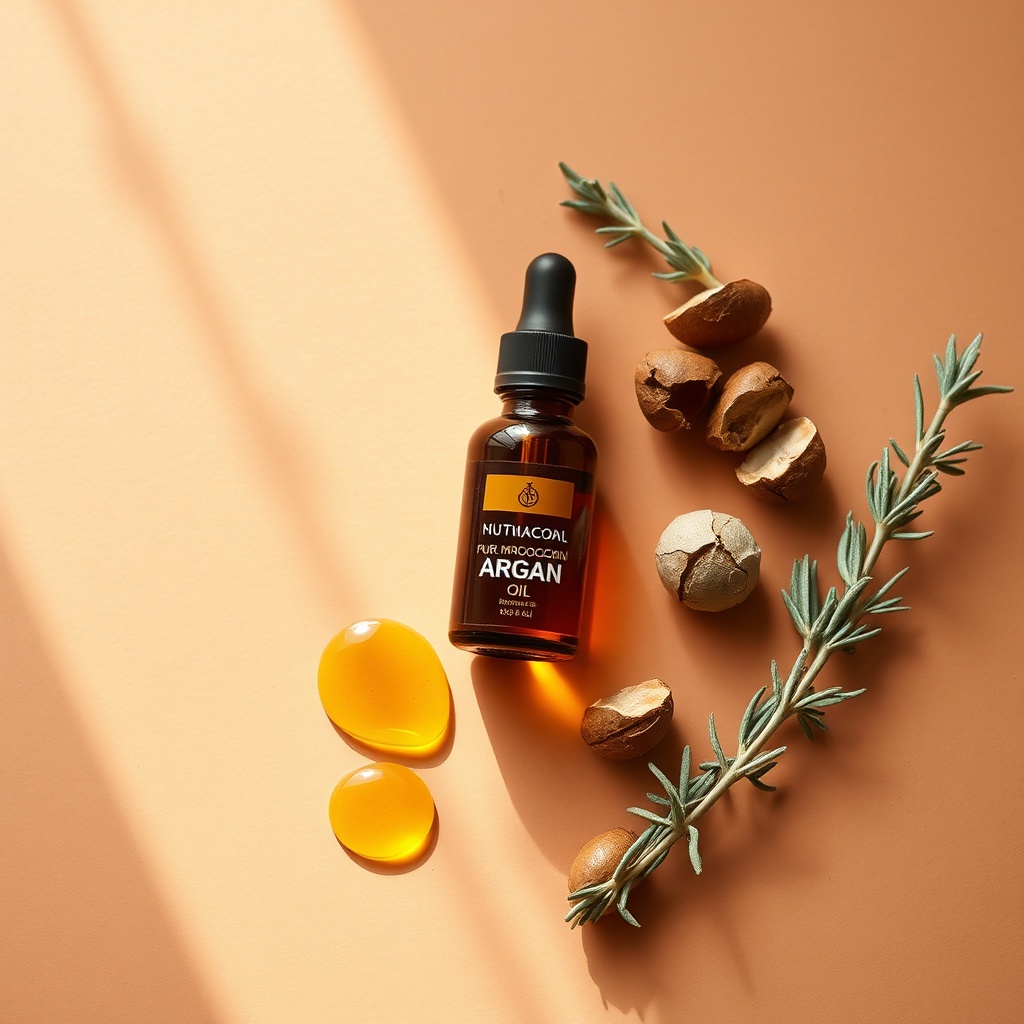
*Visualizes product transparency and natural origins to reinforce the article's warning about counterfeit oils and emphasize the importance of buying verified cosmetic-grade argan oil.*
The Short Verdict
Yes, Moroccan argan oil is worth it for specific uses like moisturizing dry skin, taming frizz, and improving hair elasticity. No, it is not worth it if you expect it to reverse aging or replace a comprehensive skincare regimen.
It is a high-quality emollient rich in vitamin E, fatty acids, and antioxidants, but its efficacy is comparable to other plant oils like jojoba or squalane at a lower cost.
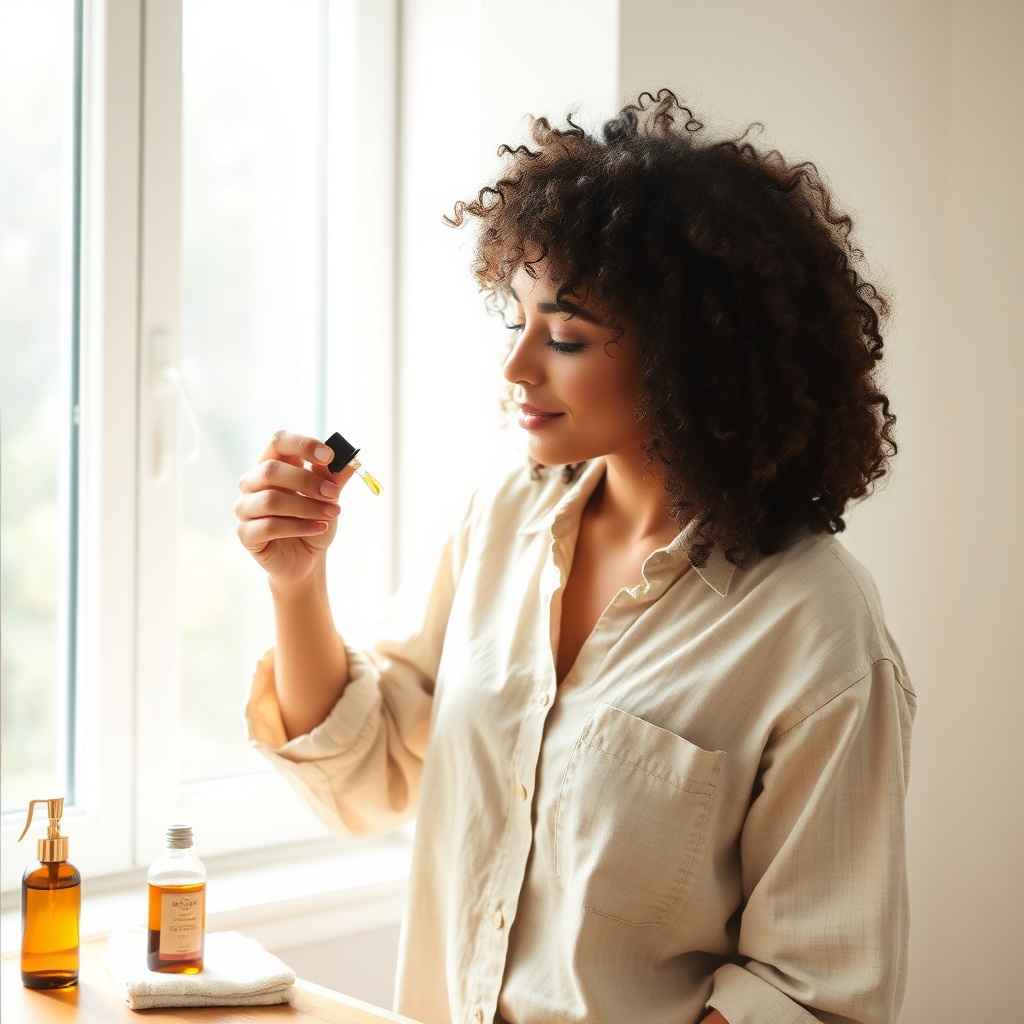
*Showcases the evidence-based use case highlighted in the verdict, visually communicating that argan oil delivers measurable benefits when used strategically rather than as a full-skin or anti-aging replacement.*
Who Should Buy It (and Who Should Skip It)
**Worth it for:** Dry skin types, curly or frizzy hair, individuals with sensitive skin needing a gentle occlusive, and those seeking a natural alternative to silicone-based hair serums.
**Not worth it for:** Oily or acne-prone skin (it may clog pores), those expecting anti-aging miracles, and budget-conscious consumers who can get similar benefits from cheaper oils.
The Verdict on Price vs. Performance
Argan oil is a "luxury" oil, but its performance is not 10x better than a quality cold-pressed sunflower or jojoba oil. The premium is justified if you have very reactive skin or want a single oil that works for both face and hair without breakouts. It's not justified if you're using it as a body oil or a general moisturizer, where cheaper alternatives exist.
Section 1: What Makes Moroccan Argan Oil Different? (The Chemistry and Sourcing Angle)### The Unique Fatty Acid Profile
Argan oil's reputation comes from its fatty acid composition. It is high in oleic acid (omega-9) and linoleic acid (omega-6), and this specific ratio is what gives argan its "non-greasy" feel compared to heavier oils like olive or coconut. The oil also contains tocopherols (vitamin E), which act as antioxidants. While the vitamin E content is higher than olive oil, it is lower than some other nut oils. Additional compounds like squalene, phytosterols, and polyphenols contribute to its emollient and protective properties.
The "Argan Tree" and Its Geographic Specificity
Argan trees are endemic to southwestern Morocco, and the region's status as a UNESCO biosphere reserve limits supply. The traditional extraction process is labor-intensive, involving hand-cracking the fruit to access the kernel. Modern mechanical pressing is faster but may affect the final quality. This geographic specificity and labor-intensive process contribute to argan oil's higher cost, often supported by authentic Moroccan crafts and cooperative networks.
Culinary vs. Cosmetic Grade: The Two Distinct Products
Understanding the difference between culinary and cosmetic argan oil is crucial for evaluating value. They are two distinct products with different processing methods and uses.
| Feature | Culinary Argan Oil | Cosmetic Argan Oil | | :--- | :--- | :--- | | **Kernel Processing** | Roasted, which enhances flavor | Unroasted or lightly roasted, to preserve neutral scent | | **Primary Use** | Cooking, salad dressings, dipping bread | Skincare, haircare, massage | | **Typical Price Point** | Higher (premium food product) | Lower (mass-market cosmetic ingredient) | | **Sensory Profile** | Nutty, toasted aroma | Nearly odorless or slightly nutty | | **Potential for Adulteration** | High (often mixed with cheaper oils) | High (often diluted with sunflower or olive oil) | | **Key Benefit** | Culinary flavor and potential heart-healthy fats | Cosmetic moisturizing and conditioning |
Section 2: The Real Benefits for Skin — What the Science (and Users) Actually Say### Moisturization and Barrier Repair
The fatty acids in argan oil interact with the skin's lipid barrier to reduce transepidermal water loss (TEWL), making it a highly effective occlusive and emollient. This is why it's a "dry-skin hero." However, it is not a "miracle" for oily skin, as the oil can feel heavy and potentially clog pores if used excessively.
Anti-Aging Claims: What's Hype vs. Reality
The antioxidant content (vitamin E and polyphenols) in argan oil may help neutralize free radicals, which contribute to premature aging. However, it does not stimulate collagen production or reduce wrinkles the way retinoids do. The "softening" effect is temporary—it's a cosmetic moisturizer, not a structural treatment. The general dermatological consensus is that argan oil is a good moisturizer but not an anti-aging treatment.
Acne and Sensitive Skin: The Double-Edged Sword
Argan oil presents a double-edged sword for acne-prone skin. The linoleic acid may help reduce inflammation and sebum oxidation in some individuals. However, its comedogenic rating is low (around 0-2), but it can still clog pores when applied heavily. If you have sensitive or acne-prone skin, a patch test is essential before introducing products like Argan'It Organic Moroccan Black Soap with Argan Oil & Lavender – Authentic Beldi Exfoliating Scrub, Traditional Hammam Savon Noir, 250g (8.8 oz) online into your regimen.
**Step-by-step patch test protocol:**
1. Cleanse a small area on your inner forearm. 2. Apply 2-3 drops of pure argan oil. 3. Wait 24 hours to check for redness, itching, or breakouts. 4. If there is no reaction, apply a tiny amount to your jawline for 3-5 days. 5. Only then introduce it to your full face routine, starting with once daily.
Section 3: The Hair Benefits — From Frizz Control to Scalp Health### The "Frizz Tamer" Mechanism: Sealing the Cuticle
Argan oil coats the hair shaft, reducing hygral fatigue (moisture-induced swelling) and smoothing the cuticle. This is why it works so well for frizz. It is more effective on dry, coarse, or curly hair than on fine, straight hair, which may become greasy. For hair porosity, it works best on low to medium porosity hair. It provides limited heat protection but is not a substitute for a dedicated heat protectant.
Scalp and Follicle Health: The Unproven Claims
The idea that argan oil "promotes hair growth" is not supported by robust evidence. It may improve scalp condition by reducing dandruff, but it does not stimulate follicles. It can be used as a pre-wash scalp treatment by massaging it into the scalp for 15-20 minutes before shampooing. Some users also blend it with a Cedarwood & Nutmeg Scented Beard Oil - Azbane Premium Argan-Based Formula (1 oz / 30 ml) for enhanced follicle conditioning. However, avoid this if you have seborrheic dermatitis, as the oil may exacerbate the condition.
How to Use It for Maximum Hair Benefit (Step-by-Step)
1. Start with 2-3 drops for short/medium hair, 4-5 for long/thick hair. 2. Rub the oil between your palms to warm it. 3. Apply to damp hair, focusing on the mid-lengths and ends (avoid the roots). 4. Style as usual — it works as a lightweight leave-in conditioner. 5. For a deeper treatment, apply a generous amount to dry ends, wrap in a towel, leave for 30 minutes, then wash out.
Section 4: The Counterfeit Problem — How to Know If You're Buying the Real Thing### The Adulteration Issue in the Argan Oil Market
High demand and limited supply make argan oil a prime target for dilution with cheaper oils like sunflower, soybean, or olive. The "100% pure" label is not regulated uniformly, so it's unreliable. The INCI name *Argania Spinosa Kernel Oil* is the only reliable identifier on a product label.
How to Spot Fake or Low-Quality Argan Oil (Checklist)
**The label test:** Look for the INCI name, country of origin (Morocco), and "cold-pressed" or "unrefined" on the label.
**The smell test:** Pure cosmetic argan oil should be nearly odorless or have a subtle nutty scent. A strong burnt or rancid smell indicates poor processing.
**The absorption test:** It should absorb quickly without leaving a heavy, greasy residue. If it feels like pure oil that sits on the skin, it may be diluted.
**The price test:** If it's suspiciously cheap, it's likely not pure argan oil. Use this checklist as a general guide.
What to Look For in a Reputable Brand
Look for transparency about sourcing, such as named cooperatives or fair-trade certifications. Also look for dark glass bottles to protect the oil from light oxidation, and a clear batch number and expiration date. These details indicate a brand that cares about the quality and authenticity of its product. Retailers such as Arganit maintain strict standards for purity and transparent labeling.
Section 5: Is It Worth the Cost? The Budget and Value Comparison### Argan Oil vs. Other "Beauty Oils" (Cost-Effectiveness)
To evaluate the cost-effectiveness, it's helpful to compare argan oil to other popular beauty oils.
| Oil | Key Benefits | Typical Price Range (per 100ml) | Best For | | :--- | :--- | :--- | :--- | | **Argan Oil** | High vitamin E, non-greasy, hair + skin | $$$ (premium) | Dry skin, frizzy hair, sensitive skin | | **Jojoba Oil** | Mimics sebum, stable, good for acne-prone | $$ (mid-range) | All skin types, especially oily/acne-prone | | **Rosehip Oil** | High in retinol-like compounds, brightening | $$ (mid-range) | Anti-aging, scarring, uneven tone | | **Sunflower Oil** | High in linoleic acid, affordable, comedogenic | $ (budget) | Dry skin, as a carrier oil | | **Squalane** | Lightweight, non-comedogenic, derived from sugarcane | $$ (mid-range) | Sensitive, oily skin, as a facial moisturizer |
The "Cost per Use" Calculation
Argan oil is used in very small amounts (2-3 drops), so a 50ml bottle can last 6-12 months with regular use. The upfront cost is high, but the cost per application is relatively low compared to high-end serums. You can calculate the true value by dividing the bottle price by the number of uses.
When to Splurge and When to Save
**Splurge:** If you use it as a standalone facial moisturizer on very dry skin, or if you have sensitive skin that reacts to cheaper oils.
**Save:** Use a cheaper carrier oil like sunflower for body moisturizing, and reserve argan oil for your face and hair ends.
Section 6: How to Integrate Argan Oil Into Your Routine (Maximizing Value)### The "Less Is More" Approach
Using too much oil leads to greasiness and wasted product; 1-2 drops for the face is sufficient. Apply it on damp skin (after toner or serum) to lock in moisture and improve absorption. This layering technique maximizes the oil's occlusive benefits.
The Best Times to Use It (Day vs. Night)
**Day:** Use as a final step under sunscreen. It can help seal in moisture but not replace SPF.
**Night:** Use as a last step after a richer moisturizer, or mix 1-2 drops into your night cream for a "slugging" effect.
**Hair:** Use as a pre-wash treatment once a week, or as a daily leave-in on damp ends.
A Simple 5-Step Routine Incorporating Argan Oil
1. Cleanse face with a gentle, non-stripping cleanser. 2. Apply a hydrating toner or essence (damp skin). 3. Apply your active serum (e.g., vitamin C or hyaluronic acid). 4. Apply a light moisturizer (if needed). 5. Seal everything in with 2 drops of argan oil, pressing it into the skin. For optimal results, pair this step with a thorough exfoliation using a Beige, Black) glove set to remove dead skin cells.
This routine is for dry to normal skin; for oily skin, skip step 4 or use an oil-free moisturizer.
FAQ (For Featured Snippet Targeting)### Is Moroccan argan oil worth the money?
Yes, if you have dry skin, frizzy hair, or sensitive skin that needs a gentle, non-comedogenic moisturizer. It is not worth it if you have oily acne-prone skin, or if you're looking for a cheap all-purpose oil.
What is the difference between cosmetic and culinary argan oil?
Cosmetic argan oil is unroasted (or lightly roasted) and used for skin and hair; culinary argan oil is roasted and used in cooking. Culinary is generally more expensive due to lower yields and a more complex production process.
How can I tell if my argan oil is pure?
Check the INCI name (*Argania Spinosa Kernel Oil*), look for "cold-pressed" and "unrefined," and verify the country of origin is Morocco. Pure argan oil should be nearly odorless and absorb quickly without leaving a greasy residue.
How long does a bottle of argan oil last?
Since only 2-3 drops are needed per use, a 50ml bottle typically lasts 6-12 months with daily facial use. Store it in a cool, dark place to prevent oxidation.
Can argan oil clog pores?
It has a low comedogenic rating (around 0-2), but it can still clog pores if applied heavily or if you have very oily skin. It's best to patch test and use it sparingly.
Conclusion
Moroccan argan oil is a premium, nutrient-rich oil that offers genuine benefits for dry skin and frizzy hair, but its "miracle" status is overblown. The "worth it" answer is conditional: it's worth it for targeted use, but not as a universal solution. Prioritize purity by buying from reputable sources, use it sparingly, and compare it to cheaper alternatives like jojoba or squalane to see if the premium is truly justified. Before buying, try a small bottle (10-15ml) to test your skin's reaction, and always patch test.