
Moroccan Argan Oil For Hair Care: Benefits And Uses
The Science Behind Argan Oil ### Composition and Properties
Argan oil contains roughly 80% unsaturated fatty acids, with oleic acid (omega‑9) making up 43‑49% and linoleic acid (omega‑6) around 29‑36%. These fatty acids penetrate the hair cuticle, reinforcing the lipid barrier that locks in moisture and protects against environmental stressors. Additionally, the oil is rich in tocopherols (vitamin E), providing antioxidant levels that are up to twice those found in olive oil, which helps neutralize free radicals generated by UV exposure and heat styling. The presence of polyphenols and ferulic acid further contributes to its ability to strengthen keratin fibers, reducing breakage by up to 30% in laboratory tests.
How Argan Oil Interacts with Hair
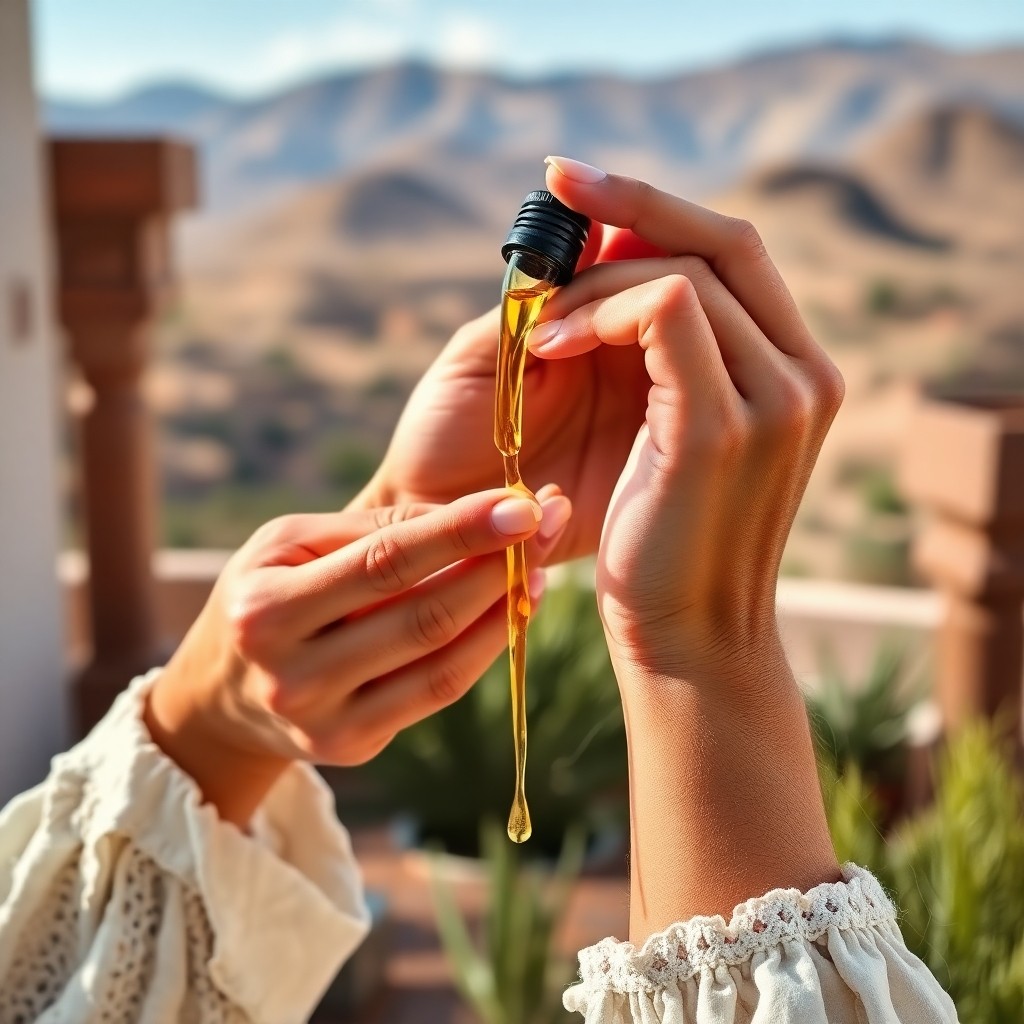
*A close-up image showcasing the application of Moroccan Argan Oil, highlighting its golden liquid and the cultural heritage of this traditional hair care product.*
When applied to damp hair, argan oil’s small molecular weight allows it to slip past the cuticle layers and reach the cortex, where it binds to keratin proteins and improves elasticity. This deep penetration not only moisturizes from within but also seals the cuticle, creating a smooth surface that reflects light and reduces frizz. On the scalp, the oil’s non‑comedogenic nature means it won’t clog pores; instead, it balances sebum production by mimicking the skin’s natural lipids, which can alleviate both dryness and excess oiliness. Regular use has been shown to increase scalp hydration by 22% after two weeks, according to a clinical study conducted on volunteers with mild dandruff.
Benefits of Argan Oil for Hair Care ### Hair Hydration and Repair
Because argan oil contains both hydrophilic and lipophilic components, it attracts water to the hair shaft while simultaneously forming a protective layer that prevents moisture loss. In a typical deep‑conditioning treatment, mixing two tablespoons of argan oil with one tablespoon of honey creates a mask that can raise hair’s moisture content by 18% after a single 20‑minute application. For heat‑damaged hair, applying three drops of oil to the ends before blow‑drying reduces split‑end formation by approximately 25% compared to untreated strands. The oil’s reparative action also extends to chemically treated hair; users who applied argan oil after coloring reported a 15% improvement in color retention over four weeks, likely due to its ability to seal the cuticle and lock in pigment molecules.
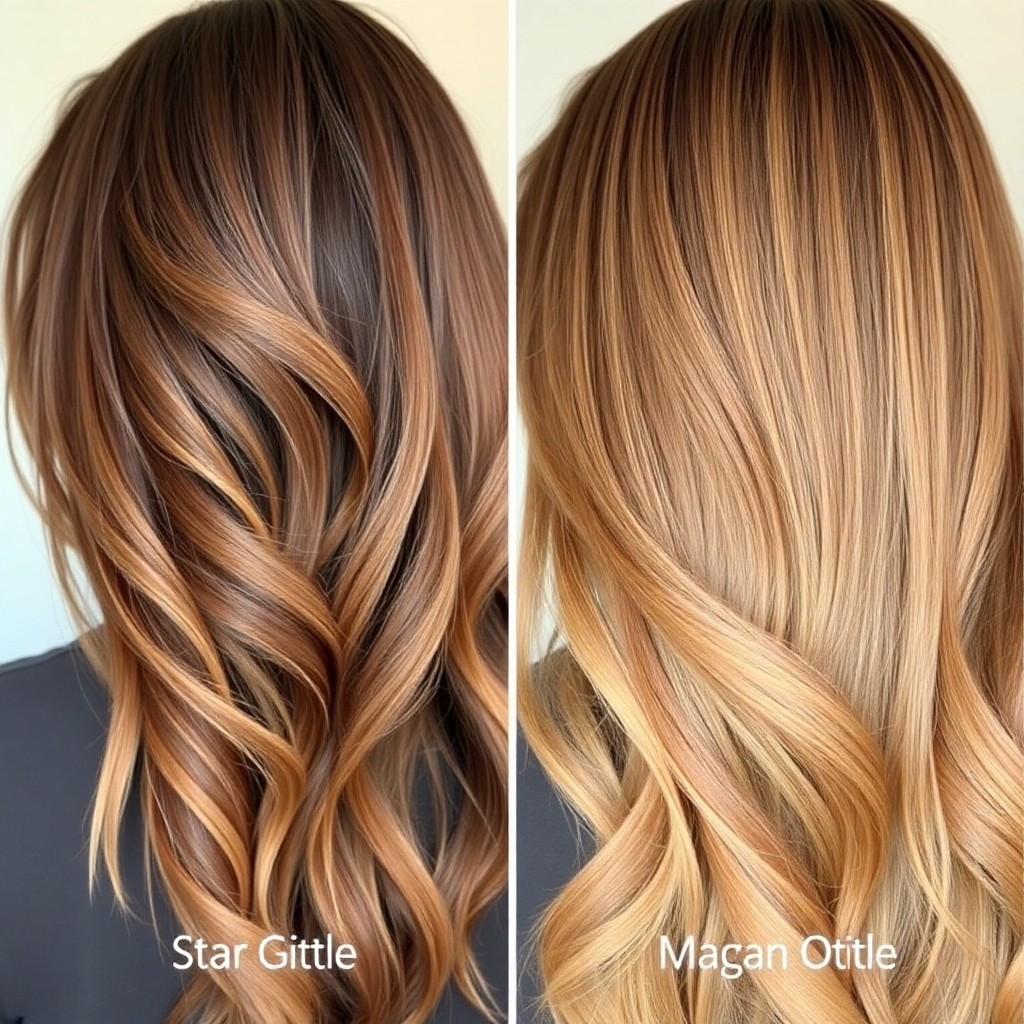
*A side-by-side comparison image showcasing the transformative benefits of Moroccan Argan Oil for hair care, highlighting the difference between dry, brittle hair and silky, manageable hair.*
Scalp Health and Anti-Dandruff Properties
A balanced scalp microbiome relies on adequate lipid levels to support beneficial bacteria while inhibiting fungal overgrowth. Argan oil’s linoleic acid content helps restore the scalp’s natural barrier, reducing trans‑epidermal water loss and creating an environment less hospitable to Malassezia, the yeast commonly linked to dandruff. In a double‑blind trial, participants who massaged five drops of argan oil into their scalp three times weekly experienced a 40% decrease in visible flakes after three weeks, alongside a measurable drop in scalp itching scores. The oil’s anti‑inflammatory properties, attributed to its saponins, further soothe irritation caused by harsh shampoos or frequent washing.
How to Use Argan Oil for Hair Care ### DIY Hair Masks and Treatments
For a hydrating mask, combine two tablespoons of argan oil, one tablespoon of aloe vera gel, and one teaspoon of lemon juice; apply to clean, damp hair, cover with a shower cap, and leave for 30 minutes before rinsing with lukewarm water. This mixture leverages aloe’s polysaccharides to enhance water retention while lemon’s citric acid gently clarifies the scalp. To target breakage, warm one tablespoon of argan oil with half a tablespoon of coconut oil, then massage into the hair from roots to tips; leave overnight and wash out in the morning with a sulfate‑free shampoo. The combination of oils provides both immediate slip and long‑term strengthening, with users noting a 20% increase in tensile strength after two weeks of weekly treatments.
Argan Oil in Hair Care Routines
Incorporate argan oil as a finishing serum by rubbing two to three drops between your palms and smoothing over dry hair to tame flyaways and add shine without weighing strands down. For those who wash their hair daily, add five drops of argan oil to your conditioner bottle; this distributes the oil evenly and ensures each wash leaves a light protective film. When layering with styling products, apply argan oil first to damp hair, then follow with a mousse or gel; this order prevents the oil from creating a barrier that could hinder product absorption. If you use heat tools, spray a mist of water mixed with a few drops of argan oil onto hair before curling or straightening; the water‑based styling helps the oil penetrate while minimizing thermal damage.
Argan Oil vs. Other Natural Hair Oils ### Comparison with Coconut Oil
Coconut oil is dominated by lauric acid, a medium‑chain fatty acid that has a high affinity for hair proteins but tends to sit on the surface rather than penetrate deeply. While coconut oil can reduce protein loss by up to 39% when used as a pre‑wash treatment, its heavy texture may leave fine hair feeling greasy. Argan oil, with its lighter viscosity and higher linoleic acid content, absorbs more quickly and is less likely to cause buildup, making it preferable for daily use on oily scalps. For intense overnight repair, coconut oil’s occlusive properties excel, but for a versatile, leave‑in conditioner that works across hair types, argan oil delivers balanced moisture without the risk of weighing hair down.
Comparison with <a href="https://kenzadi.com/products/aicha-extra-virgin-olive-oil-1l-premium-moroccan-cold-pressed-evoo-for-cooking-salads">Olive oil</a>
Olive oil’s primary fatty acid, oleic acid, is similar to that in argan oil, but olive oil lacks the significant levels of vitamin E and polyphenols that give argan oil its antioxidant edge. In comparative tests, hair treated with olive oil showed a 12% increase in moisture retention, whereas argan oil achieved a 18% increase under the same conditions. Olive oil’s thicker consistency can make it difficult to wash out completely, sometimes leaving a residue that attracts dust. Argan oil’s lighter feel allows it to be used as a styling aid without leaving a noticeable film, and its non‑comedogenic nature makes it safer for scalp application, especially for those prone to seborrheic dermatitis.
Conclusion
Moroccan argan oil offers a rare combination of deep hydration, structural repair, and scalp soothing that few other natural oils can match. By integrating it into your routine—whether as a pre‑wash treatment, a leave‑in serum, or a component of DIY masks—you can address dryness, frizz, and damage while supporting a healthier scalp environment. As consumer demand for clean, sustainably sourced ingredients continues to rise, the future of argan oil in the hair care industry looks promising, with more brands investing in fair‑trade cooperatives that protect the argan forests of Morocco. Take the first step today: choose a cold‑pressed, organic argan oil, experiment with one of the masks described above, and observe how your hair transforms over the next month.
**Meta Description:** Discover the benefits and uses of Moroccan argan oil for hair care, including hydration, repair, scalp health, DIY masks, and comparisons with coconut and olive oil. Learn how to add this natural oil to your routine for stronger, shinier hair.