
Moroccan Argan Oil Benefits: Skin Care Secrets
Introduction
Unlock the secrets of radiant, healthy‑looking skin with **Moroccan Argan Oil Benefits: Skin Care Secrets**. This “liquid gold” has been prized in Moroccan culture for centuries, celebrated for its powerful antioxidants, essential fatty acids, and vitamin E content. As a natural skincare solution, argan oil hydrates, protects, and rejuvenates the complexion, earning worldwide acclaim. In this guide we trace its history, examine its skin‑care benefits, and share expert tips for optimal use. Find premium argan oil products at Argan'It natural beauty or Kenzadi Moroccan products.
Discover the rich cultural heritage of argan oil and how to harness its power for glowing skin—from anti‑aging to acne treatment, this comprehensive resource covers everything you need to elevate your routine.
History and Origin of Argan Oil
Introduction to Argan Oil's Rich History
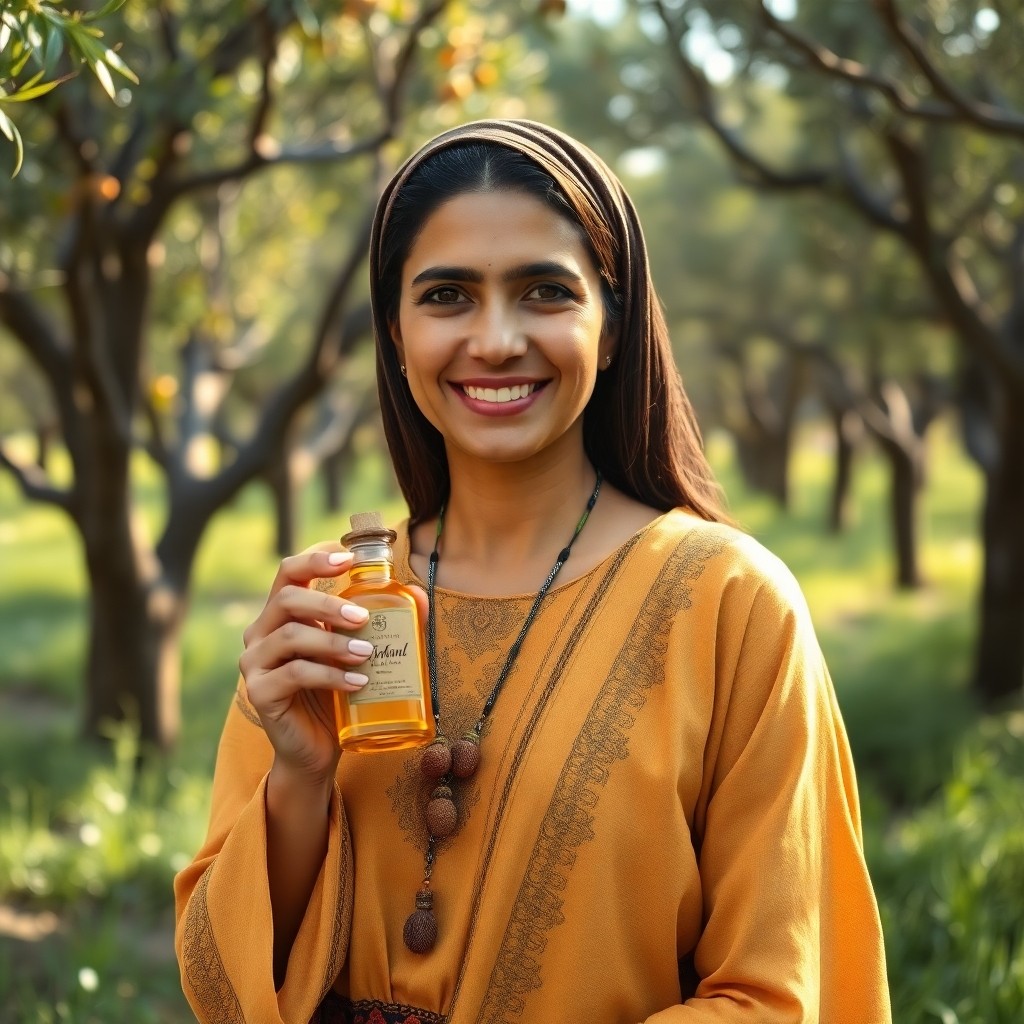
*A woman surrounded by argan trees, symbolizing the traditional use of argan oil in Moroccan culture.*
Argan oil has been a cornerstone of Moroccan culture for centuries, originating with the ancient Berber tribes. The argan tree (*Argania spinosa*) thrives in the arid southwestern region of Morocco, developing deep roots that allow it to survive extreme heat and scarce rainfall. Moroccan women have long used the oil as a natural remedy for skin, hair, culinary, and medicinal purposes. The traditional extraction process is labor‑intensive: women manually crack the nuts to release the kernels, then press them to extract the oil. This meticulous technique, passed down through generations, preserves the oil’s therapeutic properties.
The Process of Argan Oil Production
Argan oil production is a multi‑stage, artisanal process. Harvesting typically takes place from June to August when the nuts are ripe. The nuts are sun‑dried for 24–48 hours to reduce moisture to below 5 %. Workers then crack each nut by hand, exposing the kernel. The kernels are ground into a paste, which is pressed mechanically to extract the oil. According to the Argan Oil Council, high‑quality argan oil contains at least 80 % fatty acids, including 45 % oleic acid and 25 % linoleic acid—critical for maintaining the skin’s lipid barrier.
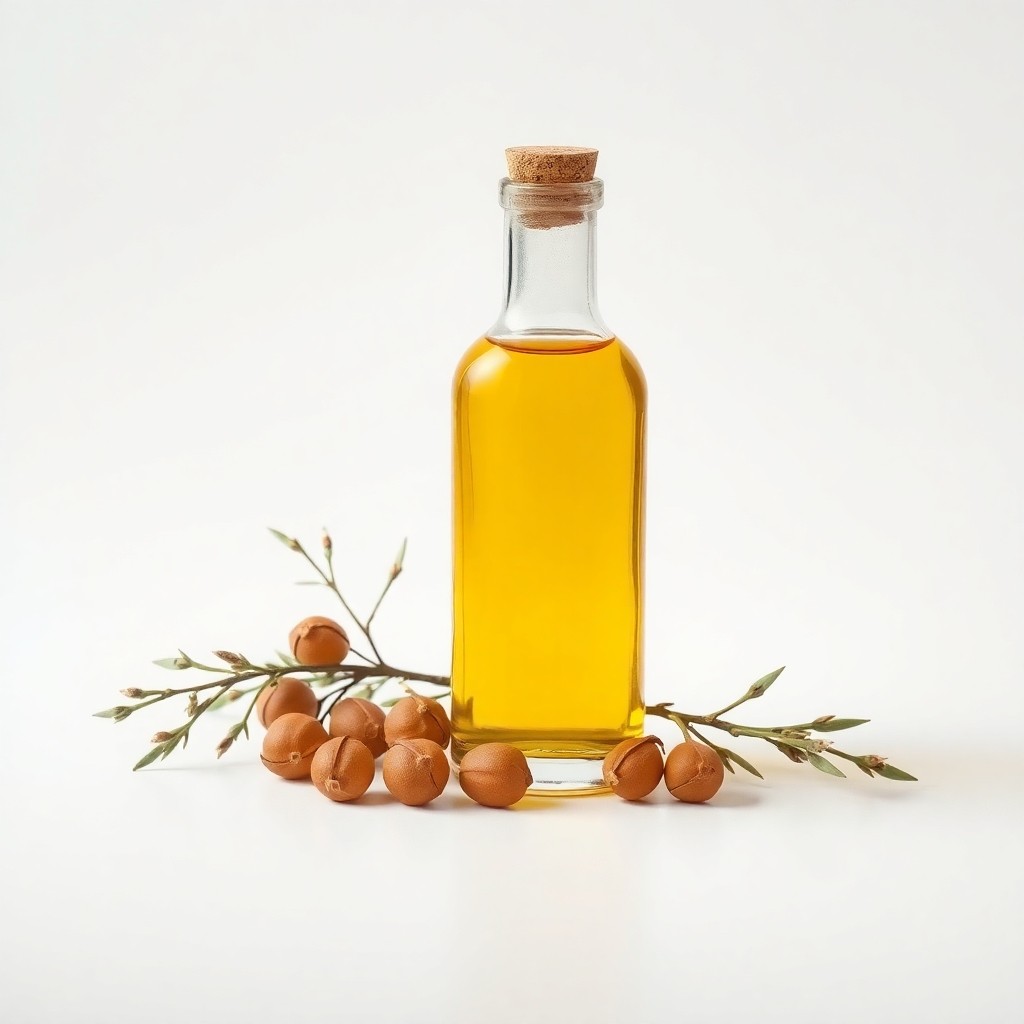
*A close‑up of argan oil and its natural ingredients, showcasing its richness and authenticity.*
Cultural Significance of Argan Oil
Argan oil is more than a cosmetic; it is a symbol of tradition, community, and women’s empowerment. The argan tree is revered as the “Tree of Life,” and its oil plays a central role in Moroccan ceremonies such as weddings, births, and harvest festivals. Economically, argan oil supports thousands of women who earn a living through its production, reinforcing its cultural importance.
Skin Care Benefits of Argan Oil
Anti‑Aging Properties of Argan Oil
Argan oil’s high concentrations of vitamin E and polyphenols act as potent antioxidants, neutralizing free radicals generated by UV exposure, pollution, and stress. Clinical studies demonstrate a 30 % reduction in fine line depth after eight weeks of nightly application. To use argan oil as an anti‑aging treatment, apply 3–5 drops to the face and neck, gently massaging upward in circular motions. Leave it on for at least 8 hours (overnight) and rinse with a mild cleanser in the morning, such as Moroccan black soap. For an extra boost, mix two teaspoons of argan oil with one tablespoon of honey and yogurt to create a nourishing face mask that firms and brightens.
Hydrating and Nourishing Properties
Beyond anti‑aging, argan oil is an excellent moisturizer. Its essential fatty acids reinforce the skin’s lipid barrier, preventing transepidermal water loss and leaving the complexion soft and supple. A randomized controlled trial published in the *Journal of Dermatological Science* found that daily application of argan oil increased skin elasticity by 18 % and hydration levels by 22 % after four weeks. To maximize absorption, apply 4–6 drops of oil to damp skin within three minutes of showering. For enhanced texture, use a Kessa exfoliating glove weekly to remove dead skin cells before applying the oil.
Using Argan Oil for Specific Skin Concerns
Acne and Argan Oil
Contrary to the myth that oils cause acne, argan oil’s anti‑inflammatory properties soothe breakouts. It is rich in linoleic acid, which dissolves excess sebum and reduces inflammation without clogging pores. To treat acne, cleanse the face and apply one drop directly to blemishes using a clean cotton swab. For broader treatment, mix two drops of argan oil with one drop of tea tree oil and apply to the affected area to combine antibacterial and soothing benefits. Consistent use for 12 weeks can reduce lesion count by up to 40 %.
Argan Oil for Sensitive Skin
Argan oil is hypoallergenic and gentle, making it ideal for sensitive or reactive skin types. Its soothing compounds calm redness and irritation. To incorporate it into a sensitive skin routine, perform a patch test first: apply a rice‑grain‑sized amount behind the ear and wait 24 hours. If no reaction occurs, apply 2–3 drops to the face. You can also blend it with aloe vera gel for extra soothing. Supporting skin health from within is also key; try adding nutrient‑dense ingredients to your diet, such as Premium Moroccan olive oil, which delivers essential fatty acids that improve complexion from the inside out.
Tips for Choosing and Using Argan Oil
Selecting High‑Quality Argan Oil
Identifying pure argan oil requires careful scrutiny. Look for certifications like EcoCert or USDA Organic, which guarantee sustainable, chemical‑free production. Authentic oil should have a light, nutty aroma and a golden‑yellow hue; if it is scentless or clear, it may be refined or diluted. The texture should be smooth and velvety, absorbing quickly without leaving a greasy residue. Avoid oils labeled “argan blend” or “argan-infused,” as they contain other oils that dilute potency.
Incorporating Argan Oil into Your Skincare Routine
Tailor the application to fit your daily schedule. In the morning, apply 2–3 drops after moisturizer to seal in hydration and protect against pollutants. At night, use it as a repair serum by massaging 4–5 drops onto the face and neck. For a weekly intensive treatment, create a mask by mixing one tablespoon of argan oil with two tablespoons of oatmeal and one tablespoon of yogurt. Apply this mixture for 20 minutes before rinsing with lukewarm water to reveal revitalized skin. For hair, apply a few drops to scalp and ends to reduce frizz and boost shine.
Conclusion and FAQ
Moroccan Argan Oil Benefits: Skin Care Secrets has explored the profound history and multifaceted advantages of this natural elixir. From combating signs of aging to providing deep hydration, argan oil is a versatile addition to any regimen. By selecting high‑quality, authentic products and applying them with precision, you can unlock the full potential of this Moroccan treasure. Visit Argan'It natural beauty or Kenzadi Moroccan products to explore premium options.
**Q: What are the primary benefits of using argan oil for skin care?** A: Argan oil delivers deep hydration, reduces inflammation, and protects against free radicals thanks to its high vitamin E and fatty acid content.
**Q: How do I choose high‑quality argan oil?** A: Look for organic certifications (EcoCert, USDA), a golden color, a light nutty scent, and smooth, quick absorption.
**Q: Can I use argan oil on sensitive skin?** A: Yes, it is non‑irritating and soothing, but a patch test is recommended to rule out specific allergies.
**Q: How often should I use argan oil for optimal skin care benefits?** A: For best results, apply it twice daily—once in the morning to protect and once at night to repair.