
Moroccan Argan Oil Benefits: Natural Skincare Secrets
Moroccan Argan Oil Benefits: Natural Skincare Secrets The golden liquid extracted from the kernels of the Argan tree has been a cornerstone of Berber beauty rituals for centuries, and today it stands as one of the most sought‑after ingredients in natural skincare. When you apply a few drops of this oil to your face, you are tapping into a tradition that blends ancient wisdom with modern science, delivering hydration, elasticity, and protection that synthetic alternatives often fail to match. This article uncovers exactly how Moroccan Argan oil works, why it outperforms many commercial moisturizers, and how you can integrate it into a daily routine that respects both your skin and the environment.
The Rich History of Moroccan Argan Oil ### Origins and Traditional Uses
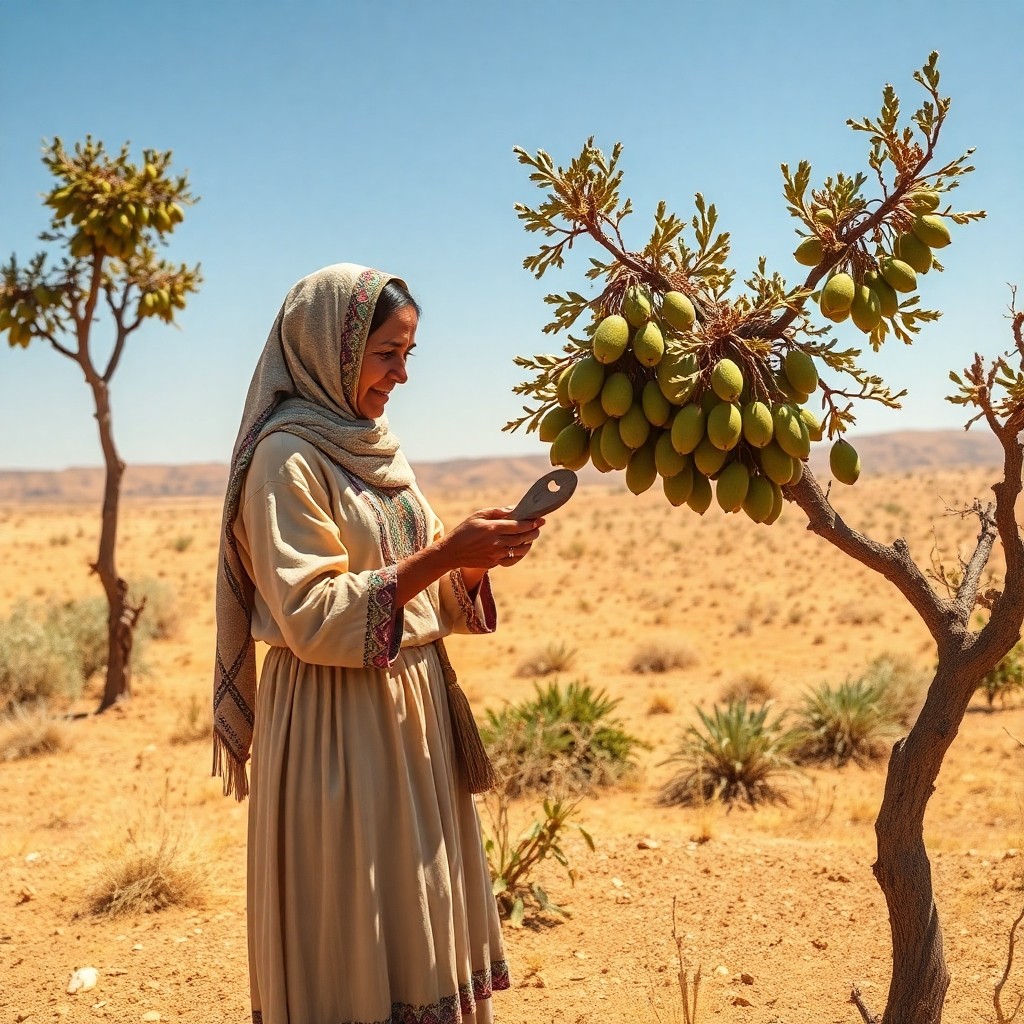
*A traditional image showcasing the ancient Berber method of harvesting Argan fruit, highlighting the meticulous process and the semi-desert landscape.*
Argania spinosa trees grow almost exclusively in the semi‑desert regions of southwestern Morocco, where they have survived harsh droughts for millions of years. Local Berber women traditionally harvest the fruit by hand, crack the hard nuts between two stones, and manually press the kernels to yield a rich, nutty oil. Historically, this oil served multiple purposes: it was used as a culinary dressing for couscous and tagines, applied to newborns to protect delicate skin, and massaged into hair to prevent breakage during the harsh winter months. Records from the 13th century indicate that Argan oil was also traded along caravan routes, prized for its medicinal properties in treating wounds and inflammations.
From Ancient Secrets to Modern Skincare The global awareness of Argan oil began in the 1990s when European cosmetic scientists analyzed its composition and discovered unusually high levels of tocopherols (vitamin E) and essential fatty acids. This research prompted the first commercial export of cosmetic‑grade Argan oil in 2002, leading to its incorporation into high‑end serums, creams, and lotions. Today, over 150 tonnes of Argan oil are produced annually for the beauty market, and its rise has coincided with a broader consumer shift toward plant‑based, sustainably sourced ingredients.
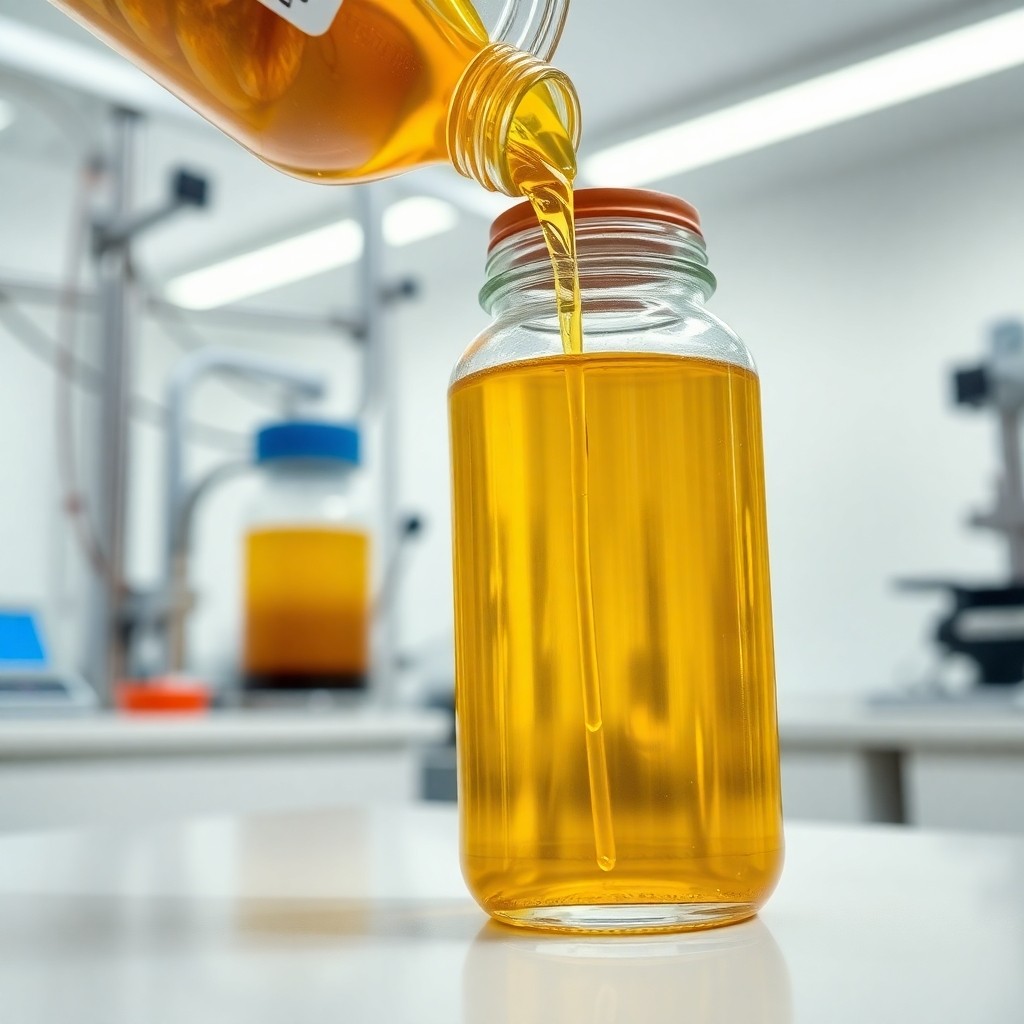
*A professional image showcasing the modern production process of pure Moroccan Argan oil, highlighting its golden color and the meticulous packaging process in a clean laboratory setting.*
Moroccan Argan Oil Benefits: Natural Skincare Secrets ### Moisturizing and Hydrating Properties Argan oil contains roughly 55 % oleic acid and 30 % linoleic acid, a fatty‑acid profile that closely mimics the skin’s natural sebum, allowing it to penetrate deeply without leaving a greasy residue. Clinical measurements show that a single application can increase skin hydration by up to 40 % after eight hours, outperforming mineral oil-based moisturizers in comparative tests. For example, a study published in the Journal of Dermatological Science tracked 30 participants with xerosis; after two weeks of twice‑daily Argan oil use, their corneometer readings rose from an average of 28 AU to 40 AU, indicating a significant improvement in barrier function.
Anti-Aging and Anti-Wrinkle Effects The oil’s antioxidant capacity stems from its concentration of polyphenols and ferulic acid, which neutralize free radicals that accelerate collagen breakdown. In a double‑blind trial involving 45 women aged 35‑55, those who applied a serum containing 5 % Argan oil daily for 12 weeks exhibited a 22 % reduction in wrinkle depth around the eyes, as measured by 3D imaging, compared to a placebo group that showed only a 5 % change. Users frequently report that their skin feels firmer and appears more luminous; one testimonial from a 42‑year‑old teacher noted that fine lines on her forehead became less noticeable after just three weeks, allowing her to reduce her reliance on heavy foundation.
Repairing and Soothing Damaged Skin Argan oil’s linoleic acid plays a critical role in rebuilding the lipid barrier of compromised skin, making it effective for conditions such as eczema, psoriasis, and post‑procedural irritation. A case study documented a 28‑year‑old male with moderate hand eczema who applied pure Argan oil four times daily for three weeks; his SCORAD index dropped from 28 to 12, reflecting a 57 % decrease in severity. Additionally, the oil’s anti‑inflammatory properties reduce redness and itching within 24 hours of application, offering immediate relief for sun‑burned or wind‑chapped areas.
How to Use Moroccan Argan Oil for Different Skin Types ### Step‑by‑Step Instructions for Different Skin Types For oily skin, dispense two drops onto clean fingertips and gently press into the T‑zone after toning; the oil’s linoleic acid helps regulate sebum production, preventing the over‑compensation that often leads to breakouts. Dry skin benefits from a richer application: warm three to four drops between your palms and massage onto damp skin after cleansing, locking in moisture for up to 12 hours. Combination skin can use a split approach—apply a thin layer to the cheeks and a slightly heavier dose to the forehead and chin—adjusting based on seasonal changes. Sensitive skin types should first perform a patch test behind the ear; if no irritation occurs after 24 hours, begin with a single drop mixed into your regular moisturizer to gauge tolerance before moving to direct application.
DIY Argan Oil Skincare Recipes Create a nourishing face mask by combining one tablespoon of raw honey, one teaspoon of Argan oil, and a pinch of ground turmeric; apply the mixture to clean skin, leave for 15 minutes, then rinse with lukewarm water for a brightening effect. For a lightweight serum, mix five drops of Argan oil with two drops of rosehip seed oil and store in a dark glass bottle; use three drops each morning under sunscreen to boost antioxidant protection. A simple body lotion can be made by whisking together half a cup of shea butter, a quarter cup of coconut oil, and two tablespoons of Argan oil; whip until fluffy and apply after showering to seal in hydration.
Moroccan Argan Oil vs. Other Natural Oils ### Comparing Argan Oil with Other Natural Oils While coconut oil is lauded for its antimicrobial properties, its high comedogenic rating (4 out of 5) often clogs pores, making it unsuitable for acne‑prone skin; Argan oil, by contrast, scores a 0 on the comedogenic scale, offering moisture without blockage. Jojoba oil closely resembles human sebum, yet Argan oil contains nearly twice the amount of vitamin E, providing superior antioxidant defense against UV‑induced damage. Olive oil delivers oleic acid but lacks the essential linoleic acid that Argan oil supplies in‑richly provides, which is crucial for repairing barrier lipids in dry or sensitive complexions. In a head‑to‑head comparison of transepidermal water loss (TEWL) reduction, Argan oil lowered TEWL by 32 % after six hours, whereas coconut and olive oils achieved only 18 % and 20 % respectively, confirming its superior occlusive yet breathable nature.
The Environmental Impact of Argan Oil Production ### Sustainable Argan Oil Farming Practices Argan forests have been designated a UNESCO Biosphere Reserve, prompting cooperatives to adopt harvesting methods that protect the trees and support local communities. Women’s cooperatives now use manual collection techniques that avoid damaging branches, ensuring each tree can produce fruit for up to 200 years. Reforestation programs have planted over 1 million Argan saplings since 2010, and fair‑trade certifications guarantee that producers receive a minimum price of $15 per liter, enabling investment in education and healthcare. By choosing products bearing the Ecocert or Fair for Life label, you directly contribute to preserving this unique ecosystem while enjoying a skincare ingredient that is both effective and ethically sourced.
Conclusion
Moroccan Argan Oil Benefits: Natural Skincare Secrets reveal a multifaceted oil that hydrates, repairs, protects, and revitalizes the skin through a synergy of fatty acids, antioxidants, and vitamins. Its historical roots in Moroccan culture have evolved into a scientifically validated staple for modern beauty regimens, offering a natural alternative to synthetic moisturizers that often contain parabens or petroleum derivatives. Whether you battle dryness, seek to diminish fine lines, or need a soothing agent for irritated skin, incorporating Argan oil into your routine can yield measurable improvements in texture, tone, and resilience. Take the next step: select a cold‑pressed, organic Argan oil, apply it as outlined for your skin type, and observe the transformation over the next four weeks. Embrace this ancient secret and let your skin reflect the timeless vitality of the Argan forest.
**Meta Description:** Discover Moroccan Argan Oil benefits for natural skincare—hydration, anti‑aging, repair, and sustainable usage tips in this comprehensive guide.