
Ultimate Modern Moroccan Home Decor Ideas 2026
Modern Moroccan Home Decor Ideas 2026
Modern Moroccan home decor ideas 2026 represent a pivotal shift from the era of heavy maximalism to a refined, sustainable aesthetic known as "eco-minimalism." This year's design language prioritizes the integration of smart home technology with traditional craftsmanship, focusing on energy efficiency without losing the warmth of handcrafted artistry. You will see a move away from saturated reds and oranges toward sophisticated **terracotta and saffron color palettes** that ground a space.The style remains timeless because it balances the human need for tactile, organic textures with the modern demand for clean lines and functional living spaces.
Key Takeaways
* Integration of sustainable materials like reclaimed cedar and organic wool defines the 2026 aesthetic. * Lighting technology merges with traditional henna metalwork for smart home compatibility. * Color palettes are shifting from vibrant reds to muted earth tones such as terracotta, sage, and sand. * The "indoor-outdoor" flow is achieved through modernized riad-style courtyards suitable for urban apartments. * Texture is prioritized over pattern, utilizing polished plaster and unglazed zellige tiles.
The 2026 Definition of Modern Moroccan Decor
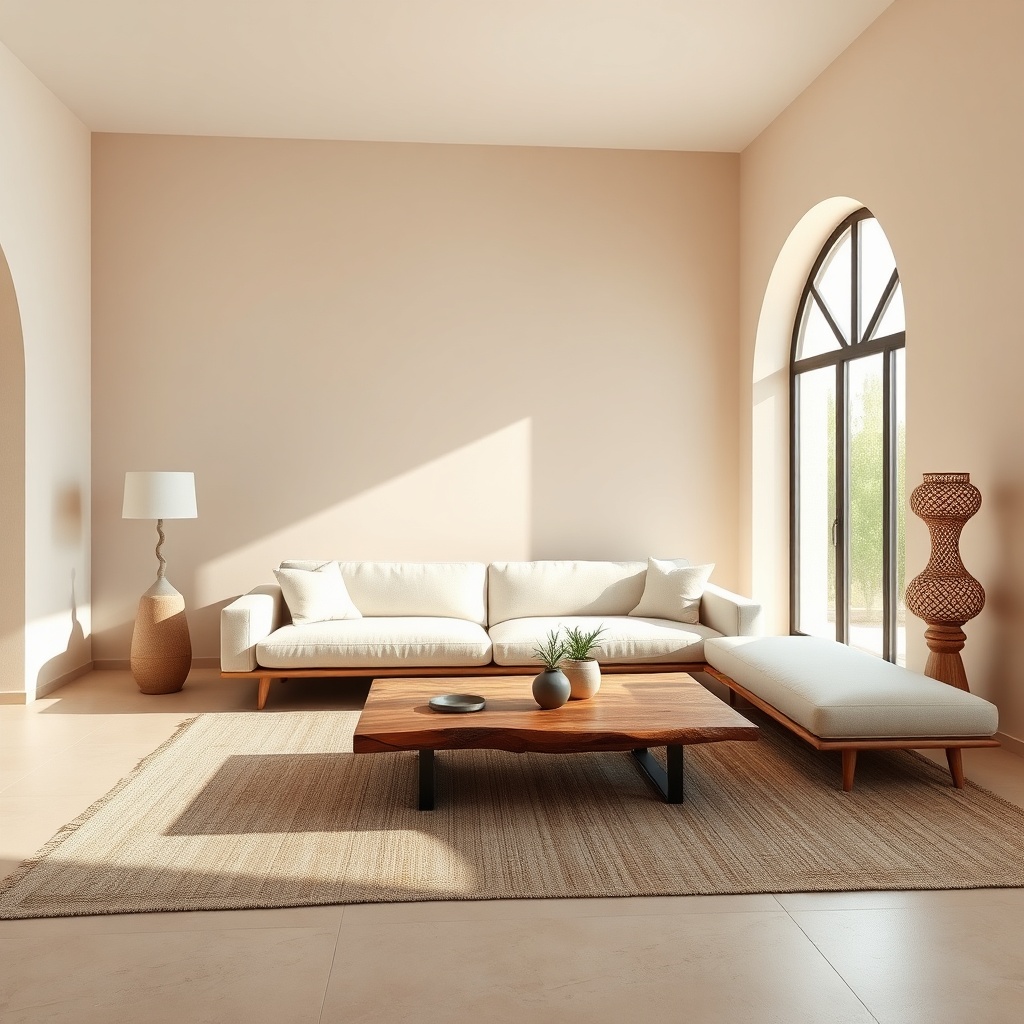
*A bright, airy living room blending sustainable materials with modern clean lines and traditional Moroccan textures.*
The core philosophy of **Contemporary Moroccan interior** design in 2026 revolves around intentionality. You are no longer filling every corner with artifacts; instead, you are curating a few high-impact pieces that speak to quality and heritage.This **modern bohemian style** respects the past but embraces the constraints and sensibilities of contemporary urban living, where space is often at a premium and air quality is a priority.
Modern Moroccan Home Decor Ideas 2026: The Shift to "Eco-Minimalism"
In 2026, the trend focuses on reducing visual clutter while maintaining the inherent warmth associated with North African homes. This approach falls under **Minimalist riad design principles**, where the goal is to create a sanctuary of calm rather than a stimulation overload. You should focus on investing in fewer, higher-quality artisanal pieces rather than filling shelves with mass-produced souvenirs.
For example, instead of layering multiple busy rugs, you might choose one large hand-knotted **Handwoven Berber rugs** as the singular focal point of your living room. This allows the intricate geometry of the weave to stand out against a clean floor. A single vintage Beni Ourain rug with a cream background and charcoal diamond patterns can anchor a room more effectively than three competing textiles. By clearing the visual noise, you allow the architecture and the lighting to play a more significant role in the atmosphere.
**Definition: Eco-Minimalism**
A design philosophy that combines the simplicity of minimalism with environmentally conscious material choices, emphasizing quality over quantity and sustainability over mass production.
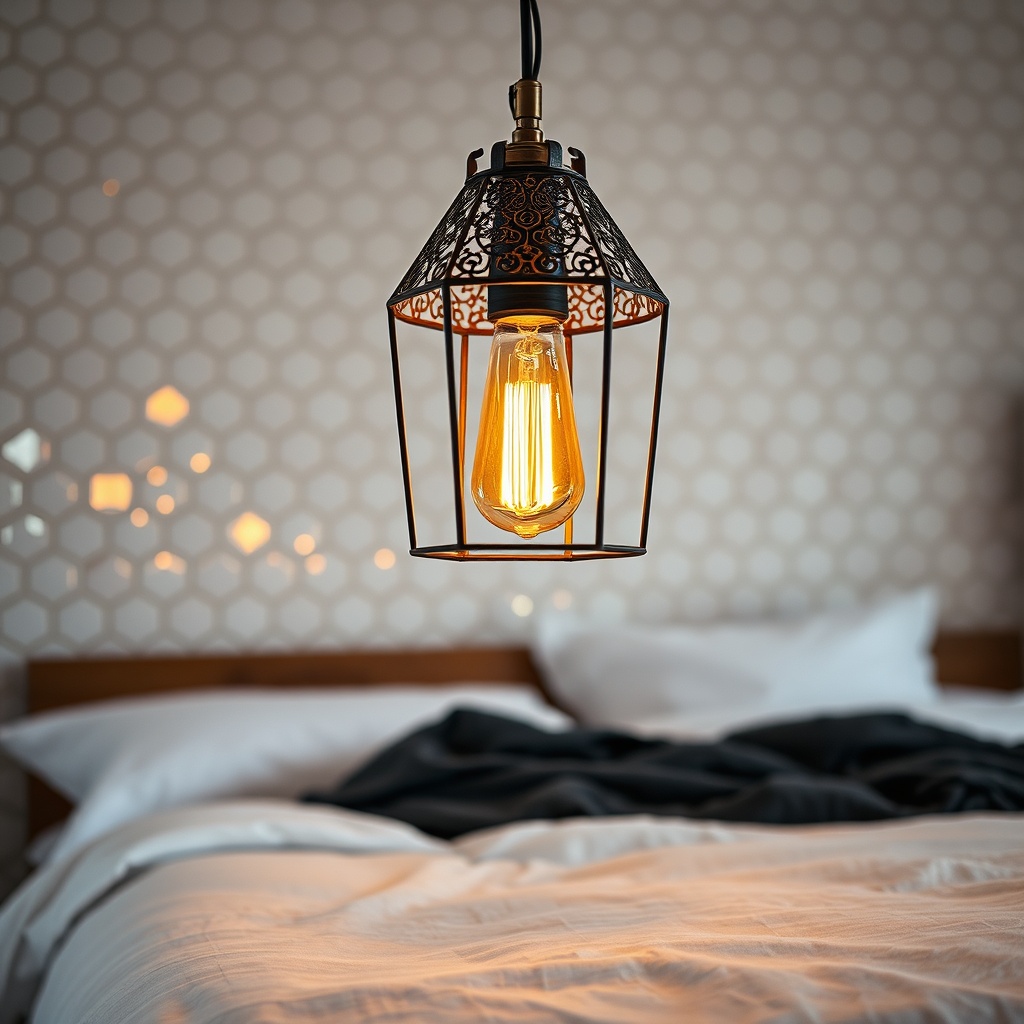
*An intimate bedroom detail view highlighting the mix of traditional tilework, smart lighting, and a muted earth-tone color palette.*
Neutral Backdrops with Architectural Details
To achieve this look, start with your walls. Using warm white or sand-colored lime wash on walls reflects natural light beautifully and adds a subtle, breathable texture that paint cannot replicate. This creates a perfect canvas for **Moroccan archways for interiors**, which have evolved this year.
Detailing how archways are simplified is crucial for the 2026 update. You are moving away from intricate, highly ornamented horseshoe shapes toward softer, broader curves. Consider installing floor-to-ceiling archways with smooth plaster finishes to open up living spaces between the kitchen and dining area. These **Islamic geometric wall art** influences are now subtle, found in the curve of a doorway rather than carved into the stone, allowing the architecture to flow seamlessly.
**Quick Answer: What is the biggest change in Moroccan decor for 2026?**
The shift is from "more is more" to "less is better." 2026 trends emphasize neutral backdrops, fewer but higher-quality artisanal pieces, and sustainable materials like wool and wood over synthetic clutter.
Lighting: Merging Tradition with Smart Technology
Lighting remains the soul of Moroccan design, but in 2026, it has become smarter and more energy-efficient.**Modern Moroccan lantern lighting** is no longer just about the fixture; it is about how the light interacts with your home ecosystem and your daily rhythm.
The Evolution of the Moroccan Lantern
The transition from heavy, rusty metal lanterns to sleeker, laser-cut brass or geometric frames marks a significant aesthetic update. While the intricate patterns remain, the execution is cleaner and more refined. You should look for fixtures that house LED filament bulbs designed to mimic the warm, flickering glow of candles but with the longevity and energy efficiency of modern diodes.
An excellent example of this is a geometric brass pendant hanging in a dining nook with a dimmable Edison bulb setup. The brass reflects the light, creating a cozy intimacy without casting harsh shadows. These fixtures often feature open designs that allow light to project upwards onto the ceiling, making the room feel taller and more airy. This is a key component of **Mixing textures in modern design**, as the metal contrasts with softer textiles.
Voice-Controlled Ambient Mood Lighting
Modern Moroccan fixtures now accommodate smart home ecosystems effortlessly. You can control the intensity and warmth of your lighting with simple voice commands, adapting your home's ambiance from a bright workspace to a relaxing retreat in seconds.
Explanation of color temperature adjustments is vital here. You want lights that can shift from bright, cool daylight (around 4000K) for working to a warm, golden evening ambiance (2700K or lower) for relaxation. This flexibility supports your circadian rhythm, a major health trend in 2026 interior design.
**Step-by-step setup for smart ambient lighting:** 1. Select a henna-cut metal floor lamp with an open top design. 2. Install a Matter-compatible smart bulb into the fixture. 3. Pair the bulb with your preferred smart home hub (Apple Home, Google Home, or Alexa). 4. Create an automation schedule that gradually dims the light and shifts the color to warm amber at sunset.
**Quick Answer: Can I use smart bulbs in intricate lanterns?**
Yes, but choose lanterns with "cut-out" designs rather than colored glass. Clear or open metalwork allows the smart bulb's full color range and brightness to disperse effectively, ensuring your sensors and automations work as intended.
Material Focus: Sustainable Zellige and Tadelakt
The materials you choose define the authenticity and sustainability of your space. In 2026, **Contemporary Zellige tile patterns** and polished plasters are making a massive comeback, but with a twist toward the raw and natural.
Unglazed Zellige for Subtle Texture
Designers are moving away from high-gloss glazed tiles to matte, unglazed terracotta zellige. These tiles celebrate the imperfections of the hand, featuring slight variations in tone and texture that add depth without overwhelming color. They are ideal for application on kitchen backsplashes or bathroom walls where you want a tactile experience.
A key data point for homeowners is that unglazed varieties offer a slip-resistance rating of R10, making them ideal for wet areas like bathroom floors or shower entryways. This makes them a practical choice as well as an aesthetic one. The natural clay absorbs moisture, helping to regulate humidity in the room, which is a benefit in **Sustainable artisanal home decor**.
Waterproof Tadelakt in Wet Zones
The traditional plaster technique of Tadelakt is being reimagined for shower walls and bathtub surrounds. This lime-based plaster is polished with a stone and treated with a black soap solution to make it waterproof and incredibly durable.
The benefits of Tadelakt as a sealed, waterproof, and mold-resistant alternative to standard tiles are substantial. It creates a seamless surface that is easy to clean and free of grout lines where mold can grow. For a striking 2026 look, consider a monochromatic steam room shower in charcoal grey Tadelakt polished with a black soap finish. This provides a moody, spa-like atmosphere that feels incredibly luxurious and modern.
**Definition: Tadelakt**
A waterproof plaster surface originating in Morocco, created from lime plaster treated with black soap and polished with a river stone to create a smooth, shiny, and impermeable finish.
The "Indoor-Outdoor" Riad Revival
Connecting with nature is a fundamental aspect of Moroccan living, and **Bohemian chic interior trends** in 2026 are bringing the riad concept into apartments and suburban homes.
Adapting the Courtyard for Urban Apartments
You do not need a massive estate to create a central green space. Creating a central green space using skylights or solar tubes to mimic the open-air riad feel is achievable in compact urban environments. The goal is to bring the sky and plants into the center of the home.
Use of thermal mass flooring to regulate temperature is a smart strategy here. Polished concrete or stone floors absorb heat during the day and release it slowly at night, keeping the indoor climate stable. For example, a central planter box housing a dwarf olive tree surrounded by polished concrete flooring can instantly transport you to Marrakech, even in a downtown loft.
Biophilic Design Elements
Incorporating water features like wall-mounted fountains provides sound masking, creating a serene acoustic environment that blocks out city noise. The sound of trickling water is synonymous with tranquility in Moroccan culture.
Selection of plants that thrive in the drier indoor climates typical of 2026 energy-efficient homes is crucial for longevity. You want greenery that is hardy yet lush. * **Snake plants (Sansevieria):** Excellent air purifiers that require minimal water. * **ZZ plants (Zamioculcas zamiifolia):** Thrive in low light and are nearly indestructible. * **Mediterranean herbs:** Rosemary and lavender arranged in terracotta pots add fragrance and utility.
**Quick Answer: How do I create a riad feel in a small apartment?**
Focus on verticality and light. Install a skylight or solar tube over a central plant grouping, use thermal stone flooring, and add a small wall fountain. This mimics the sensory experience of a courtyard without needing a large footprint.
Furniture: Low Profiles and Natural Fibers
Furniture choices in 2026 are all about grounding the space. **Low seating furniture** encourages relaxation and connection, making the home feel more intimate and welcoming.
Floor-Level Seating Arrangements
The popularity of low-profile sofas and floor cushions for casual lounging continues to grow. This style breaks down the barriers between the host and the guest, making interactions more egalitarian and relaxed. You should look for dense foam wrapped in vintage Berber textiles for durability and comfort.
A sunken living room pit with modular cushions covered in hand-woven beige and black wool is a definitive 2026 statement. This setup works exceptionally well with under-floor heating, making the floor a viable place to sit even in winter. It emphasizes the horizontal lines of the room, making ceilings appear higher and the space feel larger.
Sustainable Wood and Rattan Accents
There is a strong preference for FSC-certified Thuya wood or reclaimed cedar for coffee tables and sideboards. These woods carry rich histories and distinct grain patterns that mass-produced particleboard cannot replicate. By choosing reclaimed wood, you are also preventing valuable materials from ending up in landfills.
Incorporating woven rattan or seagrass elements helps to lighten the visual weight of dark woods. This interplay of materials is essential for **Mixing textures in modern design**. A coffee table featuring mother-of-pearl inlay sourced responsibly from Essaouira artisans can serve as a stunning piece of functional art. The shimmer of the pearl against the dark wood adds a touch of luxury that fits perfectly in a modern setting.
Conclusion
The 2026 approach to Moroccan design is a sophisticated balance between high-tech functionality and handcrafted imperfection. It proves that you do not have to choose between modern convenience and ancient beauty. By integrating **Modern Moroccan home decor ideas 2026**, you can create a home that is energy-efficient, sustainable, and deeply soulful. Start small with lighting or textiles before committing to architectural changes like tadelakt plaster or archways. Investing in timeless pieces that adapt to changing trends ensures your home remains both stylish and sanctuary-like for years to come.
FAQ
**What are the popular colors for Moroccan decor in 2026?** The palette has shifted toward "Quiet Luxury" tones, featuring sage green, warm terracotta, sandy beige, and charcoal grey. These colors provide a calm backdrop that allows textures to stand out.
**How can I make Moroccan decor look modern instead of cluttered?** Focus on negative space and choose statement pieces rather than overcrowding a room. Use one or two intricate patterns, such as a rug or a tile feature wall, and keep the surrounding furniture solid and simple.
**Is Moroccan lighting compatible with smart home systems?** Yes, modern interpretations of Moroccan lighting often use standard sockets compatible with smart bulbs. Look for fixtures with open designs that allow light to disperse effectively, ensuring smart sensors work correctly.
**What flooring works best with a Modern Moroccan theme?** Polished concrete, natural stone, or large-format neutral tiles work best. These floors provide a cool, durable base that contrasts well with soft wool rugs and warm wood furniture.
**Can I incorporate Moroccan style in a small apartment?** Absolutely. Focus on lightweight elements like textiles, throws, and a single statement lantern. Use mirrors with geometric frames to reflect light and create the illusion of space, mimicking the openness of a riad.
Conclusion
Embracing the 2026 approach to Moroccan design means finding a sophisticated balance between high-tech functionality and handcrafted imperfection. You do not have to choose between modern convenience and ancient beauty; instead, you can blend them seamlessly to create a unique atmosphere. By integrating these **Modern Moroccan home decor ideas 2026**, you transform your living space into an environment that is energy-efficient, sustainable, and deeply soulful. Whether you are renovating an entire home or just refreshing a single corner, start with manageable changes like lighting or textiles before committing to architectural elements such as tadelakt plaster. Investing in timeless pieces that adapt to changing trends ensures your home remains both stylish and sanctuary-like for years to come. Ready to elevate your interior design? Begin your journey today by selecting a statement piece that resonates with your personal style.
FAQ
**What are the trending color palettes for Moroccan interiors in 2026?** The focus has shifted toward "Quiet Luxury," utilizing calming tones such as sage green, warm terracotta, sandy beige, and charcoal grey. These colors provide a serene backdrop that allows rich textures to take center stage without overwhelming the senses.
**How can I prevent Moroccan decor from looking cluttered?** The key is to prioritize negative space and select a few statement pieces rather than filling the room with items. Choose one or two intricate patterns, such as a featured rug or tiled wall, and keep the surrounding furniture simple and solid to maintain a modern, uncluttered aesthetic.
**Are Moroccan lanterns compatible with smart home technology?** Yes, many modern Moroccan lighting fixtures utilize standard sockets that work perfectly with smart bulbs. For the best results, look for lanterns with open geometric designs that allow light to disperse effectively, ensuring that smart sensors and automation features function correctly.
**What type of flooring complements the Modern Moroccan theme?** Polished concrete, natural stone, or large-format neutral tiles are ideal choices. These materials offer a cool, durable foundation that contrasts beautifully with soft wool rugs and warm wooden furniture, grounding the overall design.