
How To Use Pure Moroccan Argan Oil For Hair And Skin
How to Use Pure Moroccan Argan Oil for Hair and Skin
Often referred to as "liquid gold," Moroccan Argan oil has transcended trendy status to become a permanent staple in beauty routines worldwide. Extracted from the nuts of the Argania spinosa tree native to Morocco, this oil is celebrated for its remarkable ability to revitalize both hair and skin. However, not all products on the shelf are created equal, and the benefits of argan oil are most potent when the product is unadulterated. To truly experience the transformation, you must understand how to use pure Moroccan Argan oil for hair and skin effectively. Rich in Vitamin E, essential fatty acids, and antioxidants, this elixir offers a natural solution for everything from frizzy hair to dry patches, provided you apply it with the right technique.
1. The "Label Decoding" Test: Ensuring Authenticity for Maximum Benefits
Before you apply a single drop, you must verify that you are actually working with 100% organic argan oil. The beauty market is saturated with products that claim to be argan treatments but are primarily composed of silicones and fillers. Learning to distinguish the real deal from chemical imitations is the first critical step in your routine. If you are using a diluted product, you will not see the restorative results you expect, and you might even end up coating your hair or skin in synthetic residues that block absorption.
Analyzing the Ingredients List
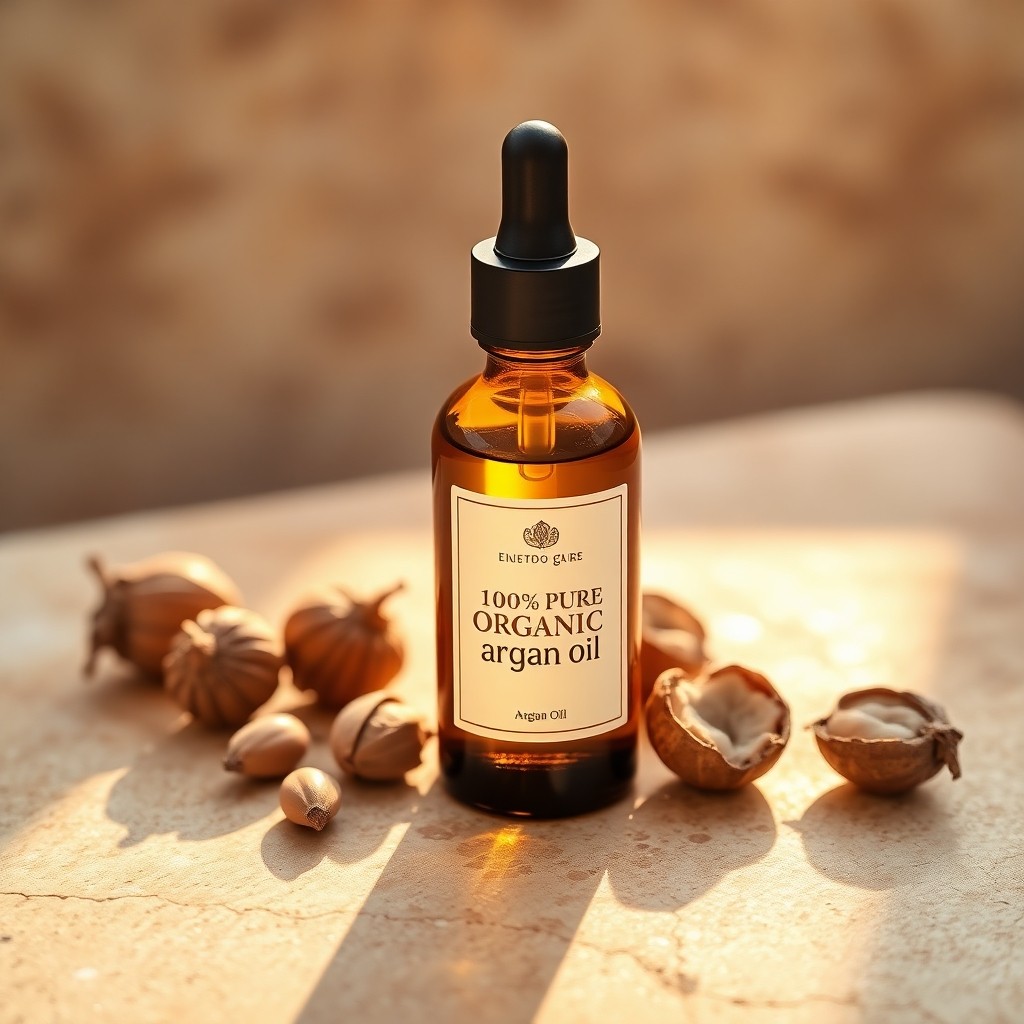
*A professional product shot highlighting a bottle of 100% pure argan oil alongside the raw argan nuts, emphasizing natural purity and quality.*
The ingredients label on your bottle should tell a very short and simple story. The only ingredient listed should be *Argania Spinosa Kernel Oil*. If you see phrases like "Argania Spinosa Kernel Oil (and) Dimethicone" or "Cyclopentasiloxane" listed at the top, put the bottle back immediately. Dimethicone is a silicone that creates a temporary illusion of smoothness by coating the hair shaft, but it prevents moisture from penetrating and can lead to buildup over time. Similarly, avoid bottles that list "fragrance" or "parfum" as a primary ingredient; pure oil has a natural, distinct scent, and added perfumes are unnecessary and often irritating to sensitive skin types.
The Scent and Texture Check
Your senses are your best tool when vetting cold-pressed argan oil. Authentic, unrefined oil possesses a mild, nutty, earthy aroma—somewhat reminiscent of olive oil or popcorn. If the oil smells strongly of vanilla, coconut, or chemicals, it has been deodorized or processed with synthetic fragrances. Regarding texture, pure argan oil is surprisingly lightweight and absorbs quickly into the skin. When rubbed between your fingers, it should disappear within seconds without leaving a greasy residue. If the oil sits on top of your skin feeling heavy or slick, it likely contains cheaper filler oils like vegetable oil or mineral oil.
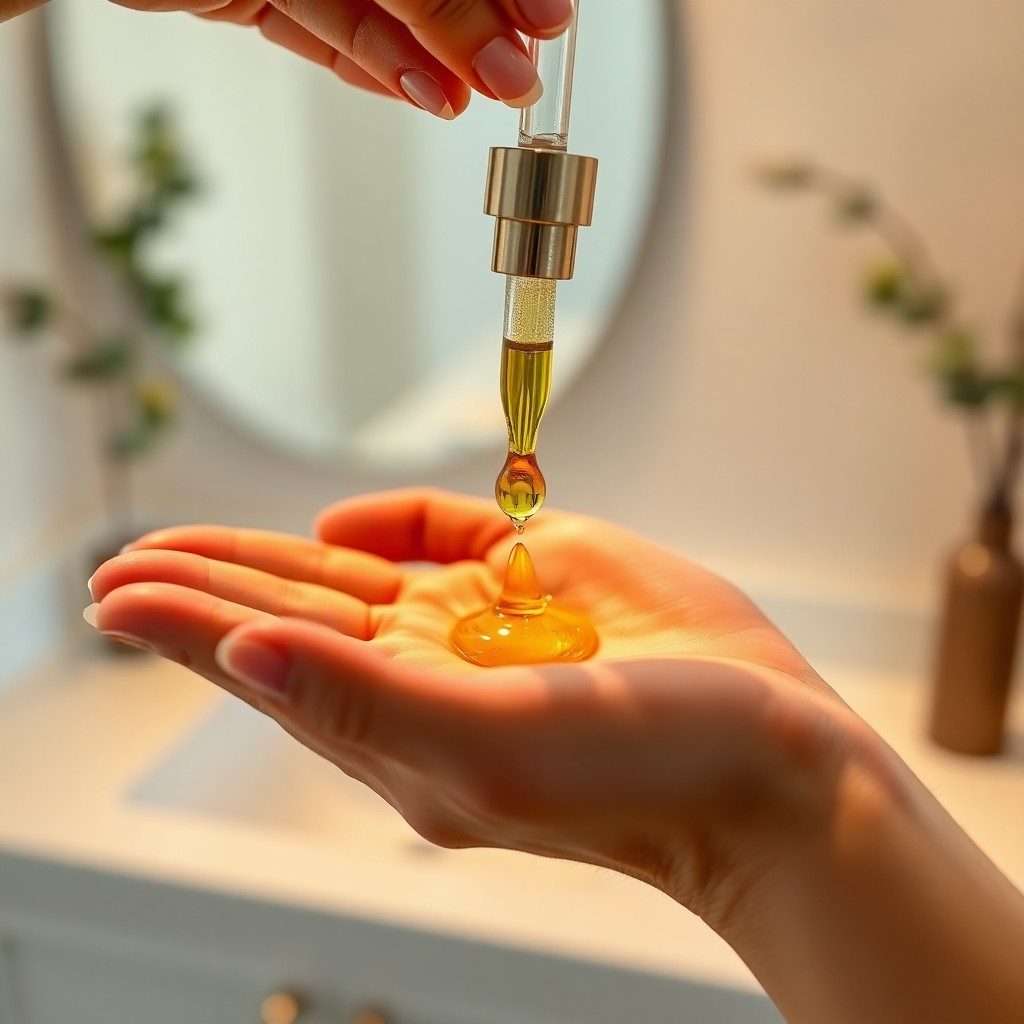
*A detailed close-up showing the rich, golden texture of pure argan oil being dispensed, illustrating its luxurious application for skin and hair.*
Glass vs. Plastic Bottle Importance
Packaging is not just about aesthetics; it is a critical factor in preserving the oil's potency. Because argan oil is rich in antioxidants and fatty acids, it is susceptible to oxidation when exposed to light and air. You should only purchase oil housed in dark amber or cobalt glass bottles. Dark glass filters out UV rays that can break down the Vitamin E and compromise the oil's efficacy. Clear glass or plastic bottles allow light to penetrate, rapidly degrading the nutritional quality of the product. If you find argan oil in a clear plastic container, it is a clear sign that the manufacturer prioritized cost over quality control.
2. The "Heat Shield" Method: Protecting and Repairing Damaged Hair
Many people mistakenly believe that hair oil is only for finishing a style, but argan oil is actually a powerful thermal protectant. Using argan oil for heat damage creates a protective barrier around the hair shaft, allowing high temperatures to smooth the cuticle without cooking the protein inside the strand. By understanding the correct application methods, you can effectively maximize the oil's restorative potential before and after styling.
Pre-Blow Dry Application (The Cuticle Seal)
The most effective time to apply argan oil is when your hair is damp, not soaking wet. After towel-drying your hair, dispense two to three drops of oil into your palms and rub them together to warm the liquid. Run your fingers through the mid-lengths and ends of your hair. This application locks moisture inside the hair shaft before the evaporation process begins. When you subsequently use a blow dryer, the oil acts as a heat shield, preventing the thermal heat from stripping the hair's natural hydration. For those with fine hair, stick strictly to two drops to avoid weighing the roots down, while those with thick, coarse, or curly hair can use up to five drops for adequate coverage.
The Ends-Only Rescue for Split Ends
While no product can physically fuse a split end back together, argan oil is exceptional at sealing the cuticle to prevent the split from traveling up the hair shaft. To use it as a split ends treatment, focus exclusively on the bottom two inches of your hair. Take a very small amount—literally half a drop—and smooth it over the tips where the damage is most visible. The fatty acids in the oil bind to the hair's keratin, smoothing down the rough texture that causes frizz. This targeted approach ensures that the roots maintain volume while the dry ends receive the intensive lubrication they need.
Overnight Deep Conditioning Mask
For hair that is brittle, chemically treated, or suffering from extreme dryness, an intensive overnight treatment is necessary. You will need to apply the oil much more generously than you would for daily styling—roughly a teaspoon depending on your hair length. Part your hair into four sections and work the oil from root to tip, ensuring every strand is saturated. To protect your pillowcase and trap body heat, which helps the oil penetrate deeper, you should use a recommended shower cap for overnight treatments. In the morning, wash your hair twice with a gentle sulfate-free shampoo to remove the excess oil, revealing soft, rejuvenated strands.
3. The "Balancing Act": Using Oil on Oily and Acne-Prone Skin
It seems counterintuitive to apply oil to skin that is already producing excess sebum, but argan oil is unique because it is a non-comedogenic face oil. This rating means it does not clog pores. The concept of "like dissolves like" applies here; applying a lightweight, nutrient-rich oil can actually dissolve the hardened sebum stuck in your pores and signal your sebaceous glands to slow down production. When used correctly, argan oil for acne can reduce inflammation and regulate oil balance without causing breakouts.
The 4-Drop Facial Moisturizer Technique
The key to using oil on oily skin is moderation and application method. You should never slap oil onto dry skin. Instead, wash your face and leave it slightly damp. Dispense exactly three to four drops of pure argan oil into your palms. Rub your hands together vigorously to warm the oil, then press it gently into your face and neck. Do not rub; pressing ensures the oil is absorbed rather than just sitting on the surface. Applying it to damp skin locks in the hydration from the water, preventing your skin from overcompensating by producing its own oil. You can also mix these drops into your favorite water-based moisturizer to boost its hydrating properties without changing your routine entirely.
Targeted Spot Treatment for Blemishes
Argan oil possesses high levels of Vitamin E and anti-inflammatory compounds that can accelerate the healing of active acne. Unlike harsh spot treatments containing benzoyl peroxide that dry out the skin and cause peeling, argan oil soothes the inflammation and kills bacteria gently. To use it as a spot treatment, dip a clean cotton swab into the oil and dab it directly onto the blemish. Leave it on overnight. The oleic and linoleic acids help reduce the redness and swelling, allowing the pimple to shrink without damaging the surrounding skin barrier.
Lightweight Eye Serum Alternative
The skin around your eyes is the thinnest on your body and lacks the oil glands found elsewhere on your face. This makes it prone to fine lines and dryness, but heavy creams can often cause milia—tiny white bumps formed when trapped keratin gets stuck. Argan oil is the perfect alternative because it is potent yet absorbed easily. Use your ring finger to apply one drop of oil to the under-eye area. Use a gentle tapping motion, moving from the inner corner outward. This stimulates circulation and improves elasticity, reducing the appearance of crow's feet over time without the risk of clogging the delicate pores around the eyes.
4. Beyond the Face: Full Body and Nail Care Rituals
While face and hair care get the most attention, pure argan oil is a cost-effective powerhouse for the rest of the body. It serves as an excellent replacement for multiple specialized products, functioning as a natural cuticle oil, a stretch mark preventative, and a body moisturizer all in one. By incorporating the oil into these areas, you address common skin concerns with a single, high-quality ingredient.
The Rough Patches Eraser (Elbows and Knees)
Elbows and knees often have thicker skin that accumulates dead cells, resulting in a rough, darkened texture. Standard lotions often sit on top of this thick skin without providing real relief. To treat these areas effectively, apply a generous layer of argan oil to damp skin immediately after a shower. The water helps the oil penetrate the deeper layers of the epidermis. For even better results, you can create a DIY exfoliating scrub by mixing a tablespoon of argan oil with a teaspoon of brown sugar. Massage this paste into your elbows and knees in gentle circular motions for 30-60 seconds to slough off dead cells, then rinse to reveal baby-soft skin.
Nail and Cuticle Strengthening
Weak, peeling nails and dry cuticles can make your hands look older than they are. Argan oil is packed with antioxidants that nourish the nail bed and promote healthy keratin production. To use it as a natural cuticle oil, massage a small drop into each cuticle and the base of your nail every night before bed. The massage increases blood flow to the nail matrix, encouraging faster and stronger growth. Consistent use creates a protective seal around the nail, preventing hangnails and keeping the cuticles soft and pliable. You will likely notice a significant improvement in nail strength retention after just two weeks of nightly application.
Pregnancy and Stretch Mark Maintenance
Stretch marks occur when the skin stretches rapidly, causing the collagen and elastin fibers to tear. While genetics play a role, keeping the skin deeply hydrated can improve its elasticity and resilience. Argan oil is a popular choice for stretch mark prevention during pregnancy or weight fluctuations because it improves skin elasticity. Gently massage the oil onto the stomach, hips, thighs, and breasts in circular motions. This massage action not only delivers the antioxidants deep into the dermis but also improves circulation, which supports skin health. *Note: Always consult a doctor before introducing new products during pregnancy to ensure safety for you and your baby.*
Conclusion
Mastering the application of this "liquid gold" allows you to streamline your beauty routine while maximizing results. From protecting your hair against thermal damage to balancing oily skin and softening rough patches, the versatility of pure Argan oil is unmatched. Remember that quality dictates efficacy; always opt for cold-pressed, organic oil in dark glass bottles to ensure you are getting the full spectrum of fatty acids and Vitamin E. Whether you are looking to enhance your argan oil skincare routine or simply seeking natural beauty tips that work, incorporating this oil offers a scientifically backed, path to healthier skin and hair. For those interested in premium organic products from Arganit, their Arganit organic Moroccan black soap complements your argan oil regimen perfectly. You can also discover the traditional Moroccan exfoliating Kessa glove for enhanced skincare rituals. Men will appreciate the Cedarwood and nutmeg scented beard oil to complete their grooming routine. Start with a few drops today, listen to your skin's needs, and adjust your usage accordingly.
Frequently Asked Questions (FAQ)
**Can I leave Argan oil on my hair overnight?**
Yes, applying Argan oil as an overnight deep conditioning mask can repair severely damaged hair, though you should wash it out in the morning to avoid greasiness.
**Is Argan oil comedogenic (will it clog pores)?**
Argan oil has a low comedogenic rating of 0, meaning it is highly unlikely to clog pores and is generally safe for acne-prone skin when used in moderation.
**How many drops of Argan oil should I use on my face?**
For facial application, start with just 2 to 3 drops; warming the oil in your hands helps it spread evenly without using too much.
**Does Argan oil expire?**
Yes, pure Argan oil typically lasts 12-24 months; to extend its shelf life, store it in a cool, dark place away from direct sunlight.
**Meta Description:** Discover the secrets of liquid gold. Learn how to use pure Moroccan Argan oil for hair and skin to repair damage, fight acne, and restore moisture naturally.