
How To Style Handwoven Moroccan Blanket: 5 Ways
A handwoven Moroccan blanket is a textural chameleon, capable of transforming a modern interior with its rich history and unique, hand-loomed character. Knowing how to style handwoven Moroccan blanket pieces effectively is the key to avoiding a cluttered or culturally insensitive look, turning a simple textile into a curated design element. This guide provides a practical, room-by-room approach to integrating this versatile textile into your home from Kenzadi, focusing on techniques that celebrate its craftsmanship and natural imperfections.
The secret to successful styling lies not in perfection, but in creating a relaxed, lived-in feel. These blankets, often referred to as throws or boucherouite, are meant to be used and admired. By applying a few simple principles of contrast and placement, you can make a handwoven Moroccan blanket a stunning focal point in any room, from a minimalist living room to a bohemian bedroom.
Key Takeaways
- **Versatility is the key:** The blanket works as a statement piece in any room, not just a bed throw. - **Layering is essential:** Success comes from combining it with contrasting textures (smooth, rough, shiny) and colors (neutral or complementary). - **There is no wrong way to drape it:** The "casual throw" is the most authentic and modern way to style it. - **Scale matters:** A large blanket can be a wall hanging; a small one is best as a sofa accent. - **Respect the craft:** Style it to highlight its handwoven imperfections, not to hide them.
The Complete Answer: How to Style a Handwoven Moroccan Blanket
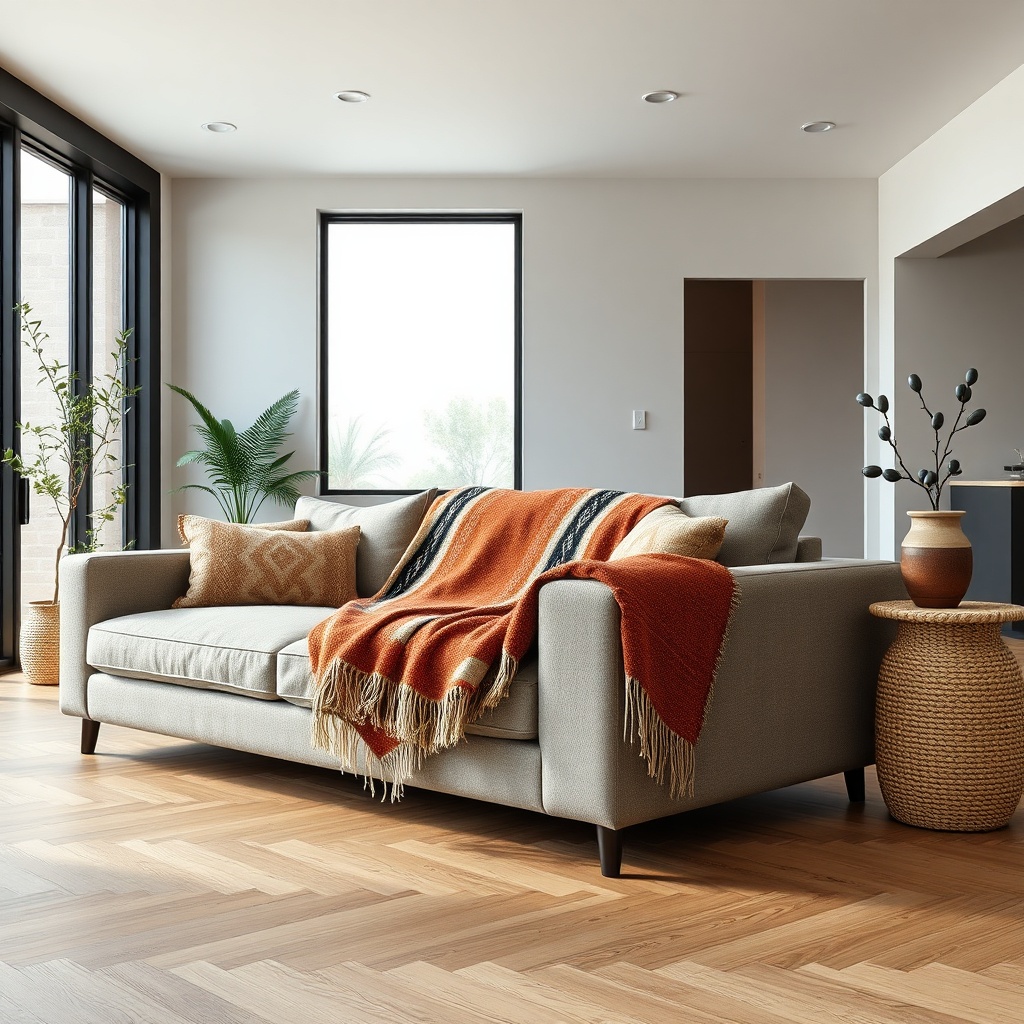
*Illustrates pairing the textile with clean-lined furniture for a curated boho-chic look, emphasizing the blanket as a statement piece in high-visibility areas.*
The definitive way to style this textile is to treat it as a textural chameleon, placing it in high-traffic, high-visibility areas where its unique weave and fringe can be touched and seen. Pair it with modern, clean-lined furniture to create a curated, boho-chic look. This approach to Moroccan throw styling emphasizes the blanket's natural beauty as a counterpoint to sleek, contemporary design.
A helpful guideline is the "One-Third Rule": use the blanket to cover roughly one-third of the surface it's on, whether that's a bed, a sofa, or a wall. This creates a focal point without overwhelming the space. Equally important is the "Contrast Principle." The blanket's hand-loomed, slightly irregular texture must be contrasted with sleek materials like glass, metal, or leather, or with smooth fabrics such as linen or velvet, to make it truly pop. This textural layering is a core element of bohemian interior design, where the beauty of imperfection—a concept similar to wabi-sabi—is celebrated.
1. The "Five-Second" Styling Foundations: Color, Texture, and Placement
Before you even drape the blanket, a few foundational decisions will set you up for success. These principles of textural contrast in interiors are the building blocks of a well-styled space.
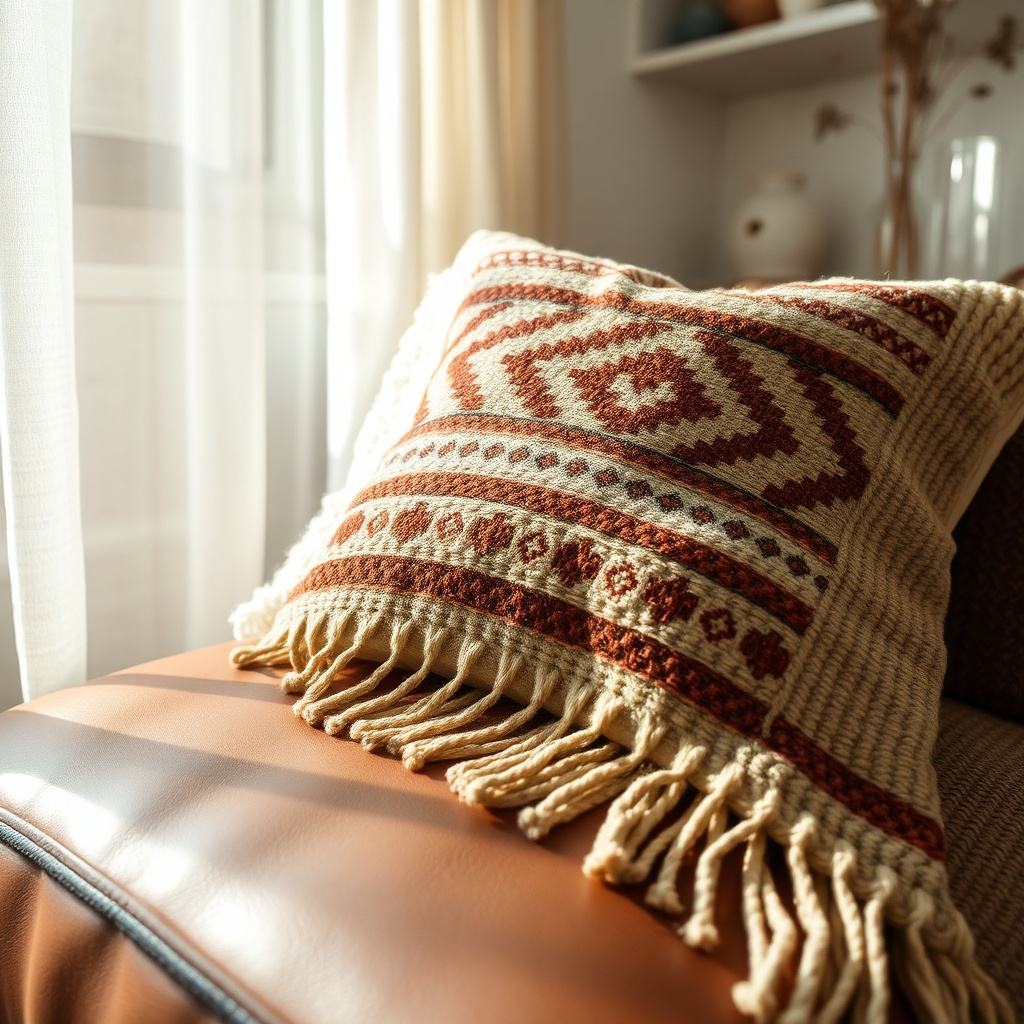
*Demonstrates layering techniques and celebrating hand-woven imperfections to create a relaxed, authentic aesthetic using complementary materials.*
1.1 The Color Palette Rule: "Neutralize, Then Accent"
The first step is to choose a base palette that allows the blanket to be the hero. If your blanket features vibrant colors, a neutral living room palette of cream, beige, or charcoal will provide a calm backdrop that makes the accent color sing. This approach to accent color placement ensures the blanket is the star of the show, rather than competing with other bold elements. Warm colors like reds and oranges evoke energy and warmth, while cool colors like blues and greens can create a more calming atmosphere. Understanding this psychology helps you choose the right base for the mood you want to create.
1.2 The Texture Playbook: "Rough vs. Smooth"
The rough, wooly texture of a Moroccan blanket is its most defining feature. To make it stand out, you must pair it with smooth, contrasting materials. Interior texture mixing is about creating a sensory experience. Place it on a smooth linen sofa, next to a glossy ceramic vase, or over a brushed metal chair adorned with a by Beige) leather cushion. This contrast adds depth and warmth to minimalist spaces, preventing them from feeling cold or sterile. The interplay between the soft, irregular wool and a sleek, polished surface is what elevates the styling from simple to sophisticated.
1.3 The "30-Second" Draping Techniques
Sofa drape styling tricks don't have to be complicated. The most effective looks are often the most effortless. Here are three versatile drapes to master, starting with a step-by-step guide to the "Toss-and-Settle."
For the **"Toss-and-Settle"** technique:
1. Stand at a 45-degree angle to the sofa. 2. Gently toss the blanket towards the center of the backrest. 3. Let it fall naturally, then use your hands to "settle" the folds into a relaxed, organic shape. 4. Pull one corner down over the armrest to create a visual anchor.
The **"Over-the-Arm"** is a simpler, more classic look. Fold the blanket lengthwise and drape it evenly over one armrest, allowing the fringe to hang down. This is perfect for a quick, tidy update. The **"Corner Fold"** is ideal for a bed or sectional. Fold the blanket into a triangle and place it at the corner of the bed or sofa, letting the point hang down to create a stylish diagonal line.
2. Room-by-Room Application: From Bed to Wall
The versatility of this textile means it can be a stunning addition to any room. Here’s how to style a handwoven Moroccan blanket in three key areas of your home.
2.1 The Bedroom: The "Layered Retreat"
Think of your bed as a canvas. The blanket can act as a "third layer" after your duvet and a flat sheet, adding a final touch of texture and warmth. For a more structured look, use it as a "runner" across the foot of the bed. This is a classic example of bed styling tips that add a designer touch. While a throw is typically smaller and meant for draping, a bedspread covers the entire mattress. Using a Moroccan blanket as a throw adds a layer of visual interest without the bulk of a full bedspread, especially when paired with a Moroccan Leather Pillow, Beige traditional Throw Pillow Case by MyPoufs.com.
2.2 The Living Room: The "Conversation Piece"
In the living room, the blanket's primary role is as a "softener" for hard architectural lines. Drape it over a leather sofa or a modern armchair to introduce a sense of coziness and warmth. This is a perfect way to add living room accents that soften modern furniture. It creates a feeling of hygge—a Danish concept of coziness and comfortable conviviality—by making a space feel more inviting and lived-in.
2.3 The Wall: The "Textile Tapestry"
For a truly unique approach, consider using the blanket as a wall hanging. This transforms it into a piece of art and a focal point. You can hang it using a wooden dowel or a brass rod. The hanging style can be straight, folded, or asymmetrical, depending on the look you want to achieve. This DIY tapestry approach is a bold way to add color and texture to a room.
| Styling Location | Best For | Key Styling Tip | Visual Effect | | :--- | :--- | :--- | :--- | | **Bed** | Creating a cozy, inviting retreat | Fold it neatly and place it at the foot of the bed | Adds warmth and texture to a large surface | | **Sofa** | Adding a pop of color and texture to a seating area | Drape it casually over one armrest | Creates a relaxed, lived-in feel | | **Wall** | Making a bold, artistic statement | Hang it on a wooden dowel or brass rod | Transforms the blanket into a focal point and sound absorber |
3. The Art of the "Casual" Look: Avoiding Common Styling Mistakes
The goal is to achieve an effortless, lived-in aesthetic. Avoiding these common mistakes will help you style your blanket with confidence and authenticity.
3.1 Mistake #1: The "Tidy Throw"
Perfectly folded blankets can look "staged" and sterile. The goal is to create a sense of movement and imperfection, which is the essence of a lived-in aesthetic. An effortlessly styled throw looks like it was just used, not carefully arranged. This is the difference between minimalist design and intentional clutter; the former is about simplicity, while the latter can feel chaotic. Your Moroccan blanket should lean toward the minimalist side of casual, much like enjoying the best KENZADI Traditional Moroccan Incense Serghina with Oud — Handcrafted Aromatic Bokhour.
3.2 Mistake #2: The "Color Clash"
When mixing patterns, the golden rule is to "pick one pattern to be the star." If you have a bold geometric rug, choose a blanket with a subtle, small-scale pattern or a solid color to avoid a clash. This principle of pattern mixing helps prevent visual noise and creates a calm, cohesive space. When selecting accessories, always compare it against the best Moroccan rugs available to ensure harmony. Coordinating throw pillows with the blanket's colors can tie the whole look together.
3.3 Mistake #3: The "Fringe Faux Pas"
The fringe is an integral part of the blanket's design and cultural significance. It should be visible and allowed to hang freely, not tucked away or tucked under, which can look sloppy. These fringe details are a hallmark of Moroccan weaving and should be showcased. Letting them flow naturally adds a sense of movement and authenticity to the styling.
4. Care and Maintenance: Preserving the "Handwoven" Look
Proper care is essential to preserve the beauty and integrity of your hand-loomed wool blanket. Natural fibers require a gentle approach to cleaning and maintenance.
4.1 The "Spot Clean" Philosophy
For spills and stains, the best approach is gentle, targeted cleaning. Wool is naturally water-resistant and has self-cleaning properties, so a quick response is key. Blot the spill immediately with a clean, dry cloth. Avoid rubbing, which can push the stain deeper into the fibers. Use a small amount of mild detergent and cool water to gently dab the affected area, then blot dry.
4.2 The "Air and Shake" Routine
The simplest way to keep your blanket fresh is to air it out regularly. This three-step process is the best method for wool care without washing.
1. Take the blanket outside on a dry, breezy day. 2. Vigorously shake it to remove dust and loose fibers. 3. Hang it over a railing or chair in the sun for 1-2 hours to air out, perhaps alongside a beautifully crafted Moroccan 8 Cups Tea Pot Handmade Serving Medium Brass Silver Platted Teapot Hand Carved In Fes Morocco.
This textile maintenance routine helps maintain the wool's loft and natural scent without the risk of damage from washing.
4.3 When (and How) to Wash
A full wash is rarely necessary and should only be done when absolutely required. Machine washing is a significant risk for hand-loomed wool, as it can cause felting and shrinking. If a wash is unavoidable, use a safe, cold-water hand-wash method. Fill a basin with cold water and a gentle wool detergent, submerge the blanket, and gently squeeze the water through it without wringing. Rinse thoroughly and press out excess water. Lay it flat on a towel to dry, reshaping it as needed.
5. Styling for Different Aesthetics: From Minimalist to Maximalist
A handwoven Moroccan blanket is surprisingly adaptable and can be styled to fit a range of interior design philosophies.
5.1 The Minimalist Approach: "The Single Statement"
In a monochrome room, the blanket can be the only piece of color or texture. This minimalist decor approach relies on the power of a single focal point. The "less is more" philosophy means that one beautiful, textured piece can have a more significant impact than a room full of objects. Let the blanket be that one statement piece.
5.2 The Maximalist Approach: "The Eclectic Mix"
For those who love to layer, the blanket is a perfect addition to an eclectic interior design. The art of curation is key here. Layer it with other patterns, colors, and textures, but do so with intention. The "more is more" philosophy works when there is a clear color story or a common thread connecting the different elements, whether it's a handmade textile or best Kenz Finot Premium Moroccan Durum Wheat Flour, 1 Kg. The blanket can be the textural bridge between a patterned rug and colorful pillows.
5.3 The "Transitional" Approach: "The Modern Boho"
This is perhaps the most popular current style, blending the blanket's bohemian roots with modern, clean lines. Modern bohemian style is about balancing the old and the new. Pair the blanket with a sleek, mid-century modern chair or a simple, contemporary sofa to create a look that is both stylish and comfortable. This transitional style honors the blanket's heritage while keeping the space feeling current.
Conclusion
A handwoven Moroccan blanket is far more than a simple throw; it is a versatile design tool that can transform a space through texture, color, and a casual, unpretentious approach. The key takeaways are simple: embrace contrast by pairing it with smooth materials, layer it to add depth, and above all, respect the imperfect nature of the craft. Don't overthink it. The beauty lies in its organic, handcrafted character.
The best way to see the difference is to try it yourself. Take your blanket and experiment with the "Toss-and-Settle" technique on your sofa or bed. Let it fall naturally, settle the folds, and step back to admire the transformation. You'll likely find that a few seconds of effortless styling can create a space that feels more inviting, more personal, and undeniably stylish.
Frequently Asked Questions (FAQ)
**Q1: How do I keep a handwoven Moroccan blanket from slipping off the sofa?** **Answer:** Use a non-slip rug pad underneath it, or tuck a corner under a heavy cushion to anchor it in place. This is a simple and effective way to keep the drape looking intentional.
**Q2: Can I use a handwoven Moroccan blanket on a leather sofa?** **Answer:** Yes, it's an excellent combination. The soft, textured wool contrasts beautifully with the smooth, cool leather, creating a visually and tactilely pleasing contrast that warms up the space.
**Q3: What is the best way to fold a Moroccan blanket for storage?** **Answer:** Fold it loosely, avoiding sharp creases, and store it in a cool, dry place. It's best to roll it to prevent the fibers from breaking down at the fold lines.
**Q4: Is it okay to use a Moroccan blanket as a rug?** **Answer:** It's not recommended. The weave is designed for use as a throw or cover, not for high-traffic floor use, which would damage the fibers and cause premature wear.
**Q5: How do I style a Moroccan blanket with a patterned rug?** **Answer:** The golden rule is to ensure the blanket and rug have different scales of pattern. If the rug is large and bold, choose a blanket with a subtle, small-scale pattern or a solid color to avoid a clash.
Conclusion
Mastering how to style handwoven Moroccan blanket is ultimately about embracing its organic, imperfect charm rather than chasing perfection. The key lies in contrast—pairing its rich texture with smooth leather or sleek mid-century lines—and in layering with intention, letting it serve as the textural bridge between your rug and pillows. Remember, the "toss-and-settle" technique is your best friend: let the blanket fall naturally, adjust the folds, and step back. You don't need a designer's eye; you just need a willingness to experiment. The result is a space that feels more inviting, personal, and effortlessly stylish. So, don't leave your blanket folded in a drawer. Take it out right now, drape it over your sofa or bed, and see the transformation for yourself. Your home is ready for that touch of handcrafted warmth—start styling today and enjoy the beauty of imperfection.