
How To Style A Moroccan Berber Rug In Modern Homes
Introduction
How to Style a Moroccan Berber Rug in Modern Homes often feels like a design puzzle, yet the answer lies in the rug’s own story. A hand‑woven Berber rug carries centuries of tribal symbolism, natural dyes, and tactile richness that can instantly elevate a minimalist loft or a sleek apartment. When you place that woven masterpiece alongside clean lines, the contrast creates a visual rhythm that feels both grounded and contemporary.
The goal isn’t to force a vintage piece into a sterile backdrop; it’s to let the rug dictate a subtle narrative while the surrounding décor respects its heritage. In 2024, Berber rug trends highlight oversized formats, muted earth tones paired with bold accent colors, and a growing demand for ethically sourced fibers. By understanding the language of the motifs, measuring the space with precision, and curating complementary textures, you can turn a single rug into the centerpiece of a modern Moroccan décor scheme.
1. Decode the Symbolism – What Your Berber Rug Is Really Saying ### 1.1. Traditional motifs and their modern interpretations
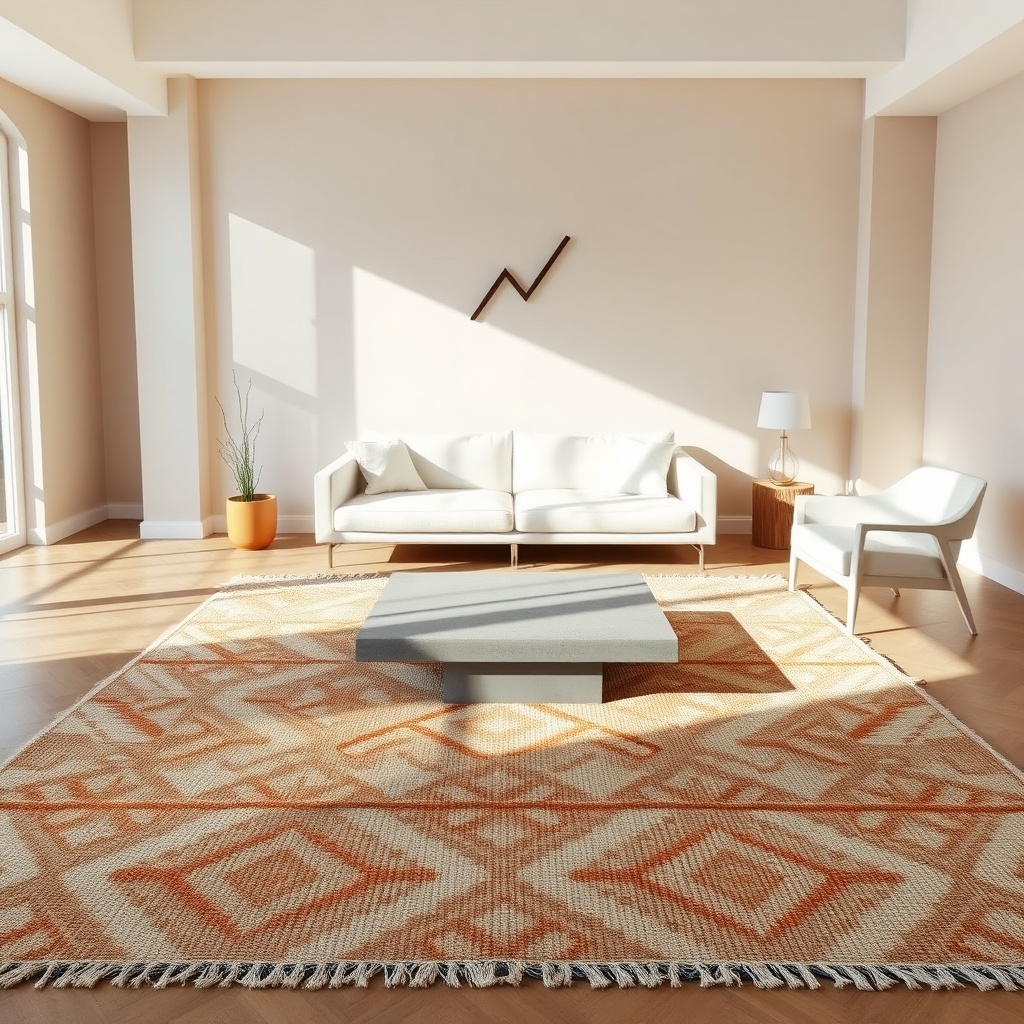
*A photorealistic image of a minimalist loft decorated with an oversized Berber rug, concrete coffee table, and subtle accent colors.*
Diamond patterns, often called “chebka,” echo the geometry of ancient Berber tents and symbolize protection. Zig‑zag lines, known locally as “tifinagh,” were once markers of tribal affiliation; today they add kinetic energy to a neutral sofa backdrop. Animal motifs such as the antelope or the camel reference nomadic journeys and can be echoed in metal wall art for a contemporary twist.
When you spot a deep indigo triangle, think of night‑time storytelling sessions around a fire. Translating that into a modern setting could mean pairing the rug with a low‑profile concrete coffee table that reflects the same angularity.
1.2. Choosing a rug that reflects your personal story
1. List three values you want your home to convey—heritage, adventure, calm. 2. Scan the rug’s pattern library for symbols that align: a repeated diamond for stability, a winding line for travel, a stylized sun for optimism. 3. Match the dominant color to a piece of furniture you already love; a rust‑red stripe pairs naturally with a reclaimed‑wood media console.
*“When I first saw a rug with a subtle camel silhouette, I remembered my grandfather’s stories from the Atlas Mountains. It felt like a bridge between my family history and my downtown apartment,”* says Maya, a recent homeowner who might find interest in handcrafted Moroccan home decor.
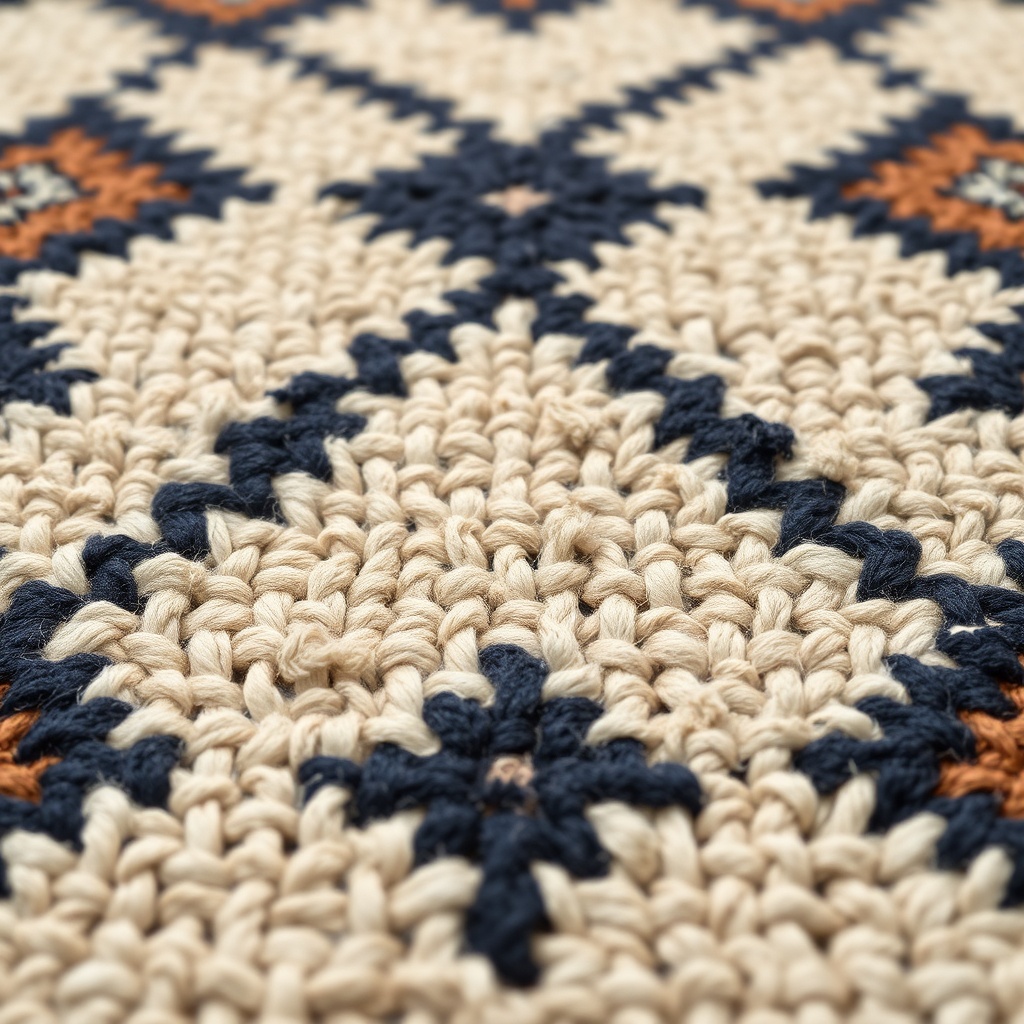
*A close‑up image highlighting the traditional patterns and natural dyes of a hand‑woven Moroccan Berber rug.*
1.3. Balancing authenticity with contemporary taste
Preserving cultural integrity starts with sourcing. Look for rugs that retain traditional hand‑spun wool and natural vegetable dyes. If you’re drawn to a brighter hue, consider a rug where the dye has been lightly over‑dyed rather than completely re‑colored—this keeps the original texture intact.
To modernize without erasing heritage, introduce a neutral wall color like warm greige and let the rug’s pattern become the sole source of visual intrigue. Pairing a classic Berber piece with a glass‑top console maintains the rug’s prominence while adding a sleek counterpoint.
2. Size & Placement Strategy for Open‑Plan Modern Layouts ### 2.1. Measuring the space: the “golden ratio” method for rugs
1. Measure the length and width of the area you intend to anchor. 2. Multiply the longer side by 0.618 (the golden ratio) to find the ideal rug length. 3. Apply the same calculation to the shorter side for the width.
For a 20‑foot living room, the calculation yields a rug roughly 12.4 × 7.8 feet. Selecting a 12 × 8 foot Berber rug keeps the proportions balanced and prevents the floor from looking fragmented. Consider opting for an authentic Beni Ouarain rug for its classic Moroccan design.
2.2. Anchor points – using the rug to define zones in an open floor plan
Place the rug under the central seating cluster so that all front legs of the sofa and chairs rest on it. This creates a cohesive conversation island. In an open loft, a second rug can delineate a dining nook by extending 24 inches beyond the table on all sides, ensuring chairs glide smoothly without catching on edges.
2.3. Layering with other floor coverings without visual clutter
A low‑pile runner made of jute can run parallel to a kitchen island, providing a subtle texture contrast while preserving the Berber rug’s visual dominance in the living area. When pairing with patterned tiles, choose a tile design that mirrors the rug’s geometric rhythm but uses a single‑tone glaze to avoid competing patterns.
3. Color‑Play: Merging Earthy Berber Hues with Modern Neutrals ### 3.1. Extracting a palette from the rug’s natural dyes
- **Red ochre**: works beautifully with a matte black accent wall. - **Indigo**: pairs with soft white ceiling paint to let the rug breathe. - **Burnt orange**: complements a warm walnut coffee table.
Create a mini‑color‑swatch board by cutting three 2 × 2‑inch squares of fabric in each shade and placing them beside a neutral linen throw. This visual reference helps you decide which wall or upholstery color will harmonize without overwhelming the space.
3.2. Complementary wall & furniture colors for a cohesive look
Start with a two‑tone wall scheme: a light sand on the majority of the room and a deep charcoal accent behind the TV. Choose a single‑tone upholstery—such as a charcoal velvet sofa—that echoes the accent wall while allowing the rug’s reds and blues to pop. Consider adding a genuine leather pouf for a touch of Moroccan elegance.
3.3. Accent accessories that echo rug tones without overpowering
- Hand‑blown ceramic vases in muted terracotta. - Brass floor lamps with a brushed finish that picks up the rug’s metallic thread highlights. - Throw pillows in linen fabric dyed with the same indigo used in the rug’s border.
These accessories reinforce the rug’s palette while keeping the overall aesthetic restrained.
4. Texture & Material Mix – From Minimalist Metals to Cozy Knits ### 4.1. Pairing the hand‑woven rug with sleek modern furniture
A glass coffee table with a thin steel frame offers a visual lightness that lets the rug’s wool fibers dominate the tactile experience. Contrast a concrete sideboard’s raw surface with the rug’s softness to create a dialogue between industrial and tribal textures.
4.2. Adding soft layers: blankets, cushions, and upholstered pieces
1. Choose a neutral cotton throw. 2. Cut a 24 × 30‑inch strip from the throw. 3. Hand‑stitch the strip onto a gray linen pillow, using a thread that matches the rug’s burnt orange accent.
The result is a cohesive cushion that subtly mirrors the rug’s color story while adding an extra layer of comfort, much like a handmade pompom throw blanket.
4.4. Using lighting to highlight rug texture in contemporary settings
Floor lamps with a wide drum shade diffuse light evenly across the rug, emphasizing the raised weave. Pendant lights positioned 30 inches above the rug’s center cast soft shadows that reveal the depth of each knot. During daylight, angle sheer curtains to allow natural light to spill across the rug, showcasing the subtle variations in dye intensity.
5. Room‑by‑Room Styling Playbook ### 5.1. Living room – creating a focal point without overwhelming the space
Place a 9 × 12 foot Berber rug beneath a low‑profile sectional, ensuring the front legs of the sofa sit on the rug while the back legs remain on the hardwood. This arrangement anchors the seating area without covering the entire floor, preserving the room’s sense of openness.
5.2. Bedroom – softening minimalism with a statement rug
Center a medium‑sized rug (6 × 9 feet) under the bed so that the rug extends 18 inches beyond each side of the mattress. Choose nightstands in light oak that echo the rug’s natural fibers, and add a single indigo pillow on the bed to tie the color palette together.
5.3. Unexpected spaces – entryways, kitchens, and home offices
- In a narrow hallway, lay a 2 × 6 foot runner that mirrors the rug’s primary color, creating a welcoming path. - Under a kitchen island, position a 4 × 6 foot Berber rug to soften the concrete floor and provide a comfortable standing surface while cooking. - For a standing desk, place a 5 × 7 foot rug beneath the workspace; the rug’s texture reduces fatigue from standing on hard flooring and adds visual interest to a functional zone.
Conclusion
How to Style a Moroccan Berber Rug in Modern Homes rests on three pillars: understanding the symbolism woven into each pattern, applying a precise size and placement strategy, and harmonizing texture and color with contemporary furnishings. By selecting a rug that resonates with your personal narrative, measuring the space using the golden‑ratio method, and pairing the piece with sleek metals, soft knits, and thoughtful lighting, you transform a traditional artifact into a modern design hero.
Take the next step—choose a rug that tells your story, apply one of the room‑specific tips, and watch your home evolve into a space where heritage and modernity coexist beautifully.
FAQ
**How do I choose the right size Berber rug for a small living room?** Measure the seating area, then subtract 12–18 inches from each side to determine the rug dimensions. A 5 × 8 foot rug often fits a compact sofa set without crowding the space.
**Can a brightly colored Berber rug work in a neutral‑colored modern home?** Yes, when the surrounding walls, furniture, and accessories stay within a muted palette, the rug becomes a vibrant focal point without clashing.
**What is the best way to clean a hand‑woven Moroccan rug without damaging it?** Vacuum gently using a low‑suction setting, spot‑clean spills with a mixture of cold water and a few drops of mild wool detergent, and allow the rug to air‑dry flat away from direct sunlight.
**Is it okay to mix a Berber rug with other patterned textiles?** Mixing works when the patterns share a common color or scale. Pair the rug with solid‑colored cushions or choose textiles that echo a single motif from the rug for cohesion.
**Where can I buy authentic Berber rugs that are ethically sourced?**
Consider visiting websites or stores that specialize in handcrafted Moroccan home decor for a wide selection of authentic pieces.