
How To Host A Moroccan Tea Ceremony
Introduction
How to Host a Moroccan Tea Ceremony is a question that blends cultural curiosity with practical hospitality. In 2026 the ritual has surged on social media, with influencers showcasing the bright‑mint brew and graceful pouring from a height that creates a tiny “rain” in the glass. Originating from centuries‑old Berber customs, the ceremony fuses fragrant green tea, fresh spearmint, and generous sugar into a sensory experience that awakens taste buds, sight, and scent. Mastering the steps—setting the scene, preparing the tea, and observing etiquette—lets you transform any gathering into a moment of shared generosity and cultural appreciation.
Key Takeaways
- Authentic Moroccan tea ceremony hinges on three pillars: setting, tea preparation, and hospitality etiquette. - Precise ingredient ratios and brewing times are essential for the signature bright‑mint flavor. - Presentation—pouring height, glass choice, and décor—creates the ceremonial drama guests remember. - Modern adaptations (sugar‑free, virtual formats) can respect tradition while meeting today’s needs. - A well‑executed ceremony boosts cultural appreciation and leaves a lasting impression.
How to Host a Moroccan Tea Ceremony
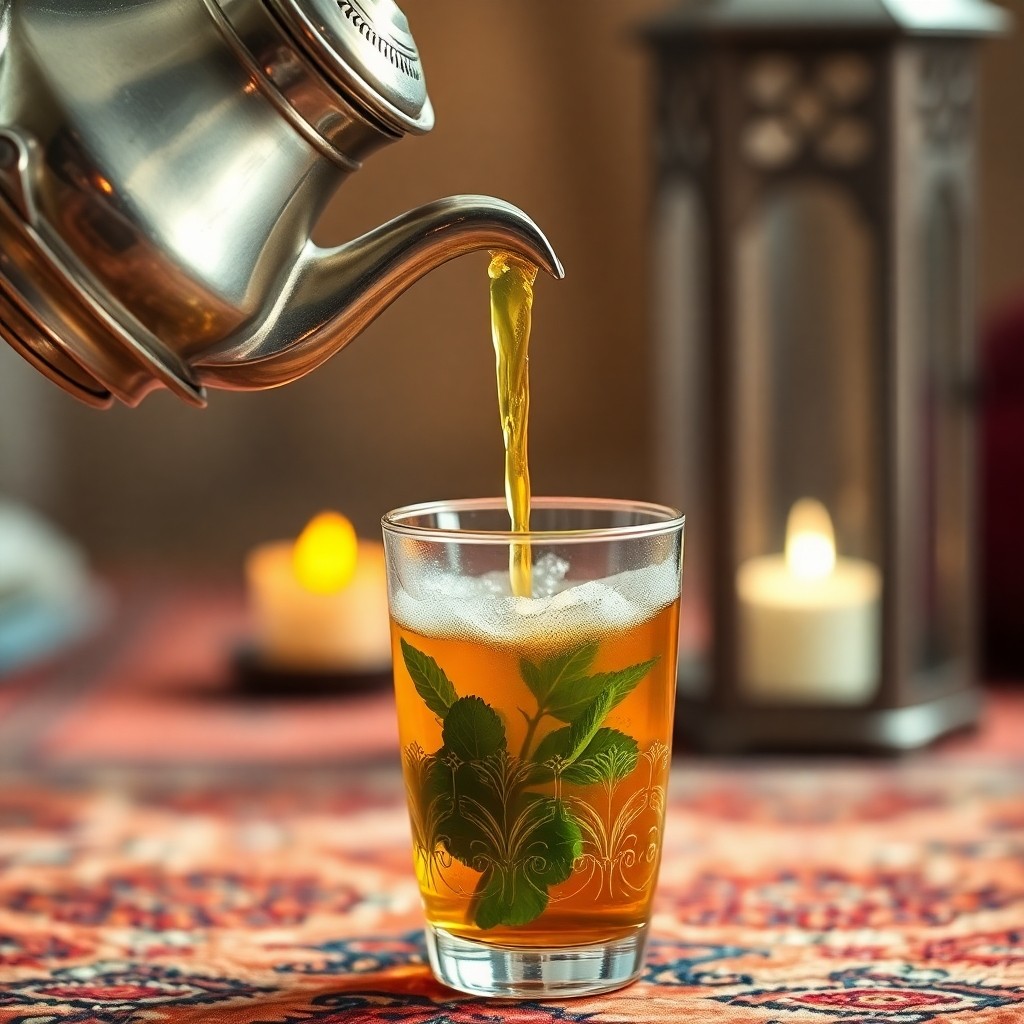
*Action shot of the high-pouring technique.*
**Quick Answer:** The ceremony begins with a clean teapot, 1 tsp of gunpowder green tea, a generous handful of fresh spearmint, and 2 Tbsp of sugar per liter of water. Brew for 2 minutes, cool 30 seconds, then steep another minute before pouring from 30‑40 cm height into three glasses.
The cultural significance and why it matters
Moroccan hospitality revolves around **tea** as a symbol of friendship and trust. Historically, nomadic tribes offered mint tea to travelers as a gesture of peace, and the practice spread to urban salons where merchants sealed deals over a shared pot. Today the ritual still marks birthdays, weddings, and everyday visits, reinforcing communal bonds and signaling respect for guests.
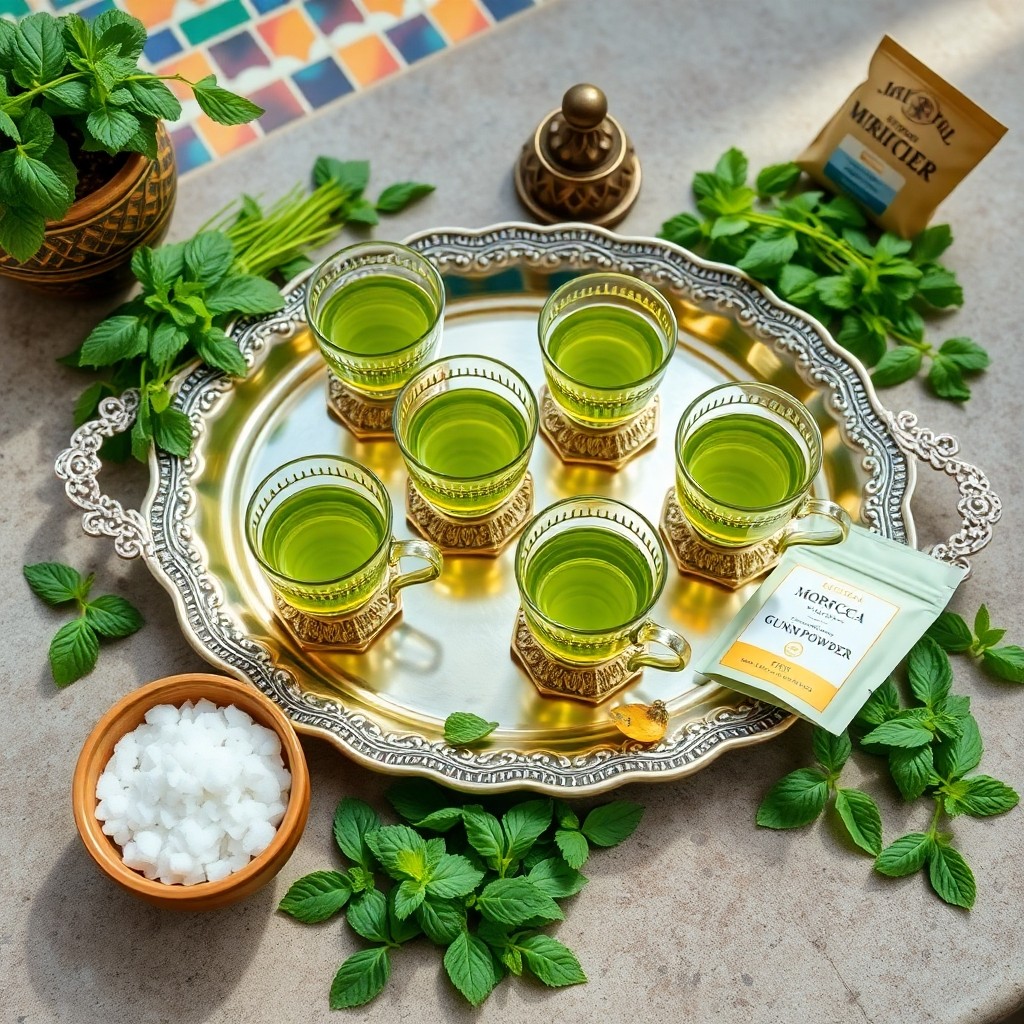
*Flat lay of the tea setting and ingredients.*
Core components that define an authentic ceremony
- **Mint** – fresh spearmint leaves, preferably harvested the morning of the event. - **Green tea** – high‑quality Chinese gunpowder tea, the traditional base. - **Sugar** – white granulated sugar, added in generous amounts for the characteristic sweetness. - **Ceremonial teapot** – a metal “berrad” with a silver lining that distributes heat evenly. - **Pouring technique** – a controlled high‑arc pour that creates a frothy “rain” in the glass.
Immediate outcomes you can expect
Guests often comment on the invigorating aroma that fills the room within seconds of the first pour. The visual of liquid cascading from a height adds theatrical flair, while the sweet‑mint balance instantly lifts mood. The ritual also establishes a welcoming tone, prompting conversation and a sense of shared experience.
Curating the Perfect Setting: Space, Décor, and Atmosphere
**Quick Answer:** Choose a low‑lying table draped with a vibrant kilim, surround it with metal lanterns and Berber‑woven cushions, and play soft Gnawa music at 60 dB to create an intimate Moroccan ambience.
Selecting a venue that reflects Moroccan aesthetics
Indoor rooms benefit from a central low table (a “souk” style) placed near a window to catch natural light. Outdoor patios work well with woven rugs and a shaded pergola. Opt for a color palette of deep indigo, terracotta, and gold to echo traditional Moroccan tiles.
Décor details: lanterns, cushions, and traditional patterns
- **Metal lanterns** – brass or copper lanterns with intricate cut‑out patterns cast warm shadows. - **Berber‑woven cushions** – bright geometric textiles in reds, blues, and yellows placed around the table for guests to sit on the floor. - **Kilims** – hand‑woven rugs featuring the classic “diamond” motif serve as both floor covering and table runner.
Ambient elements: music, lighting, and scent
Traditional **Gnawa** music played on a portable speaker at a modest volume sets a rhythmic backdrop without overwhelming conversation. Dim the lanterns to 150 lux for a cozy glow, and diffuse a few drops of orange‑blossom essential oil to echo the minty fragrance of the tea.
Mastering the Tea: Authentic Recipe, Tools, and Technique
**Quick Answer:** In 2026 premium Chinese gunpowder tea averages $22 per kg. Use 1 tsp (≈2 g) per liter of water, 1 large bunch of mint, and 2 Tbsp (≈30 g) of sugar; follow a 2‑minute steep, 30‑second cool, 1‑minute second steep timeline.
Ingredient sourcing in 2026: quality green tea, fresh mint, sugar ratios
The most reliable source for gunpowder tea remains Chinese exporters, with the average price per kilogram at **$22** in 2026. Fresh spearmint should be purchased from local farmers’ markets; a bunch weighing 25 g provides enough flavor for a 1‑liter batch. Sugar is measured at **30 g per liter**, a ratio that yields the classic sweetness without masking mint.
Essential tools: teapot, tray, glass, and their proper use
- **Berrod (Moroccan tea pot)** – typically stainless steel with a silver‑lined interior; its narrow spout facilitates the high‑arc pour. - **Brass tray** – a shallow tray protects surfaces and adds a reflective element to the setting. - **Clear glassware** – tall, slender glasses (180 ml capacity) showcase the tea’s emerald hue and allow the “rain” effect to be seen.
Step‑by‑step brewing process with timing cues
1. **Rinse the leaves** – pour boiling water over 2 g of gunpowder tea, swirl, and discard to remove dust. 2. **Add mint** – place a generous handful of washed spearmint into the pot. 3. **First steep** – pour 1 liter of freshly boiled water (100 °C) over the tea and mint; let sit for **2 minutes**. 4. **Stir with sugar** – add 30 g of sugar, stir clockwise until dissolved. 5. **Cool phase** – let the mixture sit for **30 seconds** to lower temperature slightly, preventing bitterness. 6. **Second steep** – cover the pot and allow a further **1 minute** steep for full flavor integration. 7. **High‑arc pour** – lift the pot to **35 cm** above the glass, pour in a thin stream to create froth, then repeat for each glass.
**Definition:** *Berrod* – a traditional Moroccan tea pot, usually made of stainless steel with a silver‑lined interior, designed for optimal heat distribution and graceful pouring.
Hospitality Protocol: Serving, Presentation, and Guest Interaction
**Quick Answer:** Pour from a height of 30‑40 cm to create a frothy “rain”; arrange three glasses in a triangle, garnish each with a fresh mint sprig, and invite guests to sip while sharing a short story about Moroccan market tea rituals.
The art of pouring: height, flow, and symbolism
Pouring from **30‑40 cm** creates a thin, aerated stream that forms a delicate foam on the surface, symbolizing generosity and the “rain of blessings” in Moroccan folklore. The steady flow also cools the tea slightly, making it ready to drink immediately.
Presentation tricks: glass arrangement, garnish, and storytelling
Place three glasses in a **triangular formation** on the brass tray, each topped with a single mint sprig for visual contrast. While the tea settles, recount a brief anecdote about the bustling Jemaa el‑Fna square, where street vendors have served mint tea for centuries. This narrative deepens the cultural immersion.
Engaging guests: conversation starters and cultural anecdotes
- Ask guests if they have ever tasted **Moroccan pastries** like *chebakia* or *ghriba* alongside tea. - Share the story of Sultan Moulay Ismail, who mandated tea service for all diplomatic meetings in the 17th century. - Invite participants to describe the aroma, encouraging sensory discussion that reinforces the ceremony’s impact.
Adapting the Ceremony for Modern Audiences and Dietary Needs
**Quick Answer:** Replace sugar with 2 Tbsp of agave syrup and keep the same mint‑tea ratio; use oat milk (30 ml) for a creamy twist, and serve on biodegradable bamboo trays for an eco‑friendly modern touch.
Vegan and sugar‑free alternatives without losing authenticity
Swap **white sugar** for **agave syrup** or **stevia** (0.5 g stevia equals 1 Tbsp sugar) while maintaining the 30 g sweetening level per liter. For a dairy‑free creaminess, add 30 ml of oat milk after the second steep; the milk’s subtle sweetness complements the mint without overpowering.
Incorporating contemporary twists: flavored infusions, sustainable serveware
- **Rosemary infusion** – add a small sprig of rosemary during the second steep for an earthy nuance. - **Dried hibiscus** – introduce 1 g of hibiscus petals for a ruby‑red hue and tart contrast. - **Sustainable serveware** – replace metal trays with **bamboo** or **recycled glass** platters, preserving the visual elegance while reducing carbon footprint.
Virtual tea ceremony: streaming the experience and interactive elements
1. **Prepare kits** – ship each participant a mini tea kit containing gunpowder tea, mint, and a small glass. 2. **Set up live‑stream** – use a platform like Zoom or YouTube Live; position the camera to capture the high‑arc pour. 3. **Interactive Q&A** – pause after each pour to answer audience questions about technique, creating an engaging, real‑time learning environment.
**Definition:** *Virtual tea ceremony* – a digital adaptation of the traditional Moroccan tea ritual, where participants receive identical tea kits and join a synchronized live stream to experience the ceremony together online.
Conclusion
Hosting a Moroccan tea ceremony transforms a simple gathering into a celebration of **cultural hospitality**, aromatic flavor, and visual drama. By curating an authentic setting, mastering the precise brewing timeline, and honoring etiquette—from the high‑arc pour to thoughtful storytelling—you can deliver an unforgettable experience that resonates with both traditionalists and modern guests. Embrace the flexibility of vegan, sugar‑free, or virtual adaptations to meet today’s preferences while preserving the ritual’s heart. Ready to impress your friends and family? Start planning your own ceremony today and let the bright mint aroma guide the conversation.
Frequently Asked Questions (FAQ) – Featured Snippet Ready
1. **What are the exact ingredients and measurements for authentic Moroccan mint tea?** Use 1 tsp (≈2 g) of Chinese gunpowder green tea, a handful of fresh spearmint (≈25 g