
How To Decorate Your Home With Moroccan Tiles & Lanterns
Introduction
The timeless appeal of Moroccan design continues to captivate home decorators in 2026, with sales of Moroccan‑inspired décor rising 18% according to the Home Trends Report. Rich cultural heritage and striking visual drama enable Moroccan tiles and lanterns to transform any room into a unique oasis. These elements add depth, warmth, and elegance while reflecting centuries‑old craftsmanship. This guide explores the history, selection, room‑specific applications, blending techniques, installation options, and maintenance needed to create an authentic Moroccan‑inspired space.
Section 1: Understanding Moroccan Tiles and Lanterns
The History and Craftsmanship Behind Moroccan Tiles
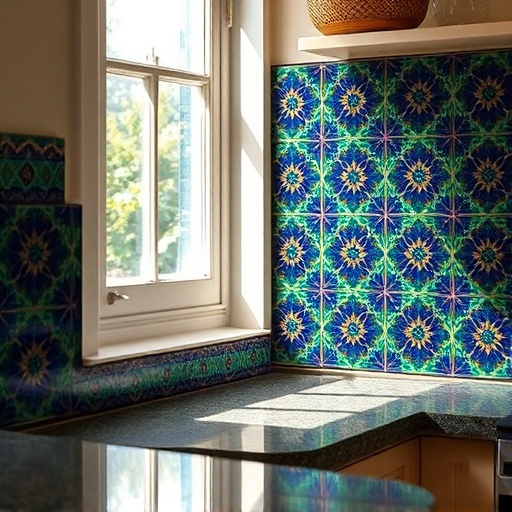
*Close‑up of traditional zellige tiles showing vivid colors and intricate design.*
Moroccan tiles, also known as zellige, trace their origins to the 10th‑century Andalusian workshops. Artisans shape each 4 × 4 inch tile from natural clay, hand‑cut the edges, and apply a lead‑free glaze that yields vibrant hues such as cobalt blue, emerald green, and saffron yellow. Patterns consist of interlocking geometric shapes—stars, crosses, and arabesques—that carry symbolic meanings rooted in Islamic art. A single square foot of authentic zellige typically costs between $15 and $30 in 2026, reflecting the labor‑intensive process. For deeper insight, the Moroccan Crafts website offers detailed histories and artisan profiles.
Choosing Authentic vs. Modern Replicas
When selecting Moroccan tiles and lanterns, you can choose between authentic, handmade pieces and modern replicas. Authentic items are crafted using traditional tools, resulting in subtle variations in thickness and glaze that add character. Replicas, produced with molds and machine glazing, offer uniform dimensions and lower prices—often under $8 per square foot—but lack the nuanced texture and cultural provenance of handmade works. To verify authenticity, request documentation on the artisan’s region, materials, and production date from reputable dealers such as those listed on the Moroccan Crafts directory.
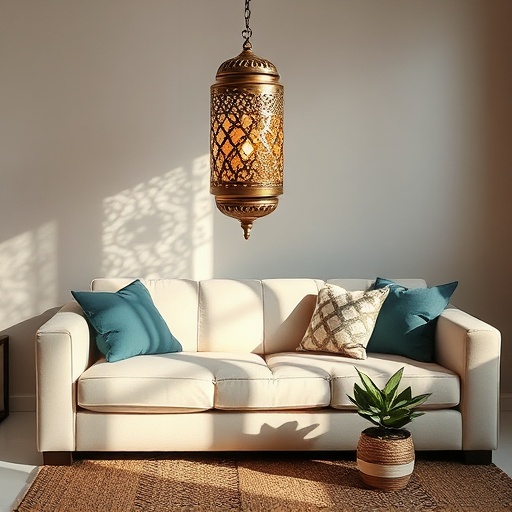
*Moroccan lantern illuminating a living space with warm patterned light.*
Section 2: Room-Specific Decorating Strategies
Living Room Focal Points with Statement Lanterns
Moroccan lanterns serve as striking focal points when placed centrally or hung at a height of 60–70 inches from the floor. A lantern with a 12‑inch diameter brass frame and colored glass panels casts patterned light that complements neutral sofas and adds visual interest. Pairing a lantern with a textured jute rug (approximately 5 × 8 feet) and a low‑profile wooden coffee table creates a balanced, inviting arrangement. For additional inspiration, browse the Houzz collection of Moroccan‑style living rooms, which highlights real‑world installations and color schemes.
Kitchen Backsplashes and Dining Area Accents
Moroccan tiles excel as kitchen backsplashes due to their glazed surface, which resists stains and simplifies cleaning. A typical backsplash uses 4 × 4 inch tiles arranged in a herringbone pattern, covering an area of 24 × 30 inches behind the stove. Alternating two complementary colors—such as deep cobalt and crisp white—creates a dynamic yet cohesive look. In the dining area, a tile‑topped table measuring 36 × 36 inches with a matching border adds elegance while providing a durable, easy‑to‑wipe surface. When installing, use a flexible thin‑set mortar rated for wet areas and seal grout with a penetrating sealer to enhance longevity.
Bathroom Oasis with Water-Resistant Tile Installations
In bathrooms, Moroccan tiles deliver a spa‑like atmosphere when installed with proper waterproofing. A shower niche lined with 4 × 4 inch zellige tiles in a gradient from teal to white provides visual depth and resists moisture penetration. Complement the tiling with a Moroccan lantern featuring a sealed brass frame and LED bulb rated for damp locations, delivering warm, diffused light without risking corrosion. For installation guidance, consult the This Old House tutorial on waterproof tile substrates, which outlines steps for applying a liquid membrane and backer board before tiling.
Section 3: Blending Moroccan Elements with Modern Interiors
Color Palette Harmony: From Neutral to Bold
Moroccan decor’s bold hues—such as ruby red, sapphire blue, and amber orange—can be balanced with modern neutrals like greige, taupe, and soft gray to achieve a sophisticated contrast. In 2026, spring and summer palettes favor vibrant accent walls painted in saturated terracotta, paired with muted linen upholstery. Fall and winter schemes shift toward deeper jewel tones complemented by natural wood finishes and matte black metal fixtures. To test combinations, use a digital color‑visualizer tool; many paint brands offer free swatches that simulate how Moroccan tile colors interact with wall paint under various lighting conditions.
Mixing Textures and Materials for Cohesive Design
Layering textures enriches a Moroccan‑modern interior. Combine a reclaimed wood coffee table (approximately 48 × 24 inches) with a hammered copper lantern and a hand‑woven wool rug featuring subtle geometric motifs. Introduce ceramic vases with crackle glazes alongside woven baskets made from seagrass or palm fiber for varied tactile experiences. For inspiration, explore Architectural Digest’s gallery of mixed‑material spaces, which showcases how designers juxtapose smooth surfaces with rough, organic elements to create depth and visual intrigue.
Section 4: DIY Installation vs. Professional Services
Cost-Effective Decorating Approaches for 2026
DIY installation of Moroccan tiles and lanterns reduces labor expenses by up to 60% compared with hiring professionals. Rentable tools such as tile cutters and mixing paddles are available at most home‑improvement stores for under $25 per day. Removable wallpaper with Moroccan‑inspired patterns offers a non‑permanent alternative for accent walls, allowing easy updates without damaging plaster. Throw pillows and blankets in coordinating colors—available for under $35 each from retailers like Kenzadi—provide instant texture and can be swapped seasonally to refresh the space.
Customization Techniques for Personalized Spaces
Personalize your Moroccan tiles by applying a stencil design using acrylic paint suited for glazed surfaces; a 6‑inch stencil allows for repeat motifs such as interlocking stars. For lanterns, consider rewiring with a UL‑listed LED kit and adding a patina solution to the brass frame for an aged look. Restoration techniques, like gentle sanding followed by a clear coat, revive worn metalwork while preserving intricate cutouts. The DIY Network hosts step‑by‑step videos on stenciling tiles and updating lantern hardware, offering clear guidance for beginners and experienced crafters alike.
Section 5: Maintenance and Longevity of Moroccan Decor
Cleaning and Care for Handcrafted Tiles
Preserve the beauty of handcrafted Moroccan tiles by cleaning with a pH‑neutral stone soap diluted in warm water; avoid acidic cleaners that can etch the glaze. Use a soft microfiber cloth for daily dusting and a non‑abrasive sponge for deeper cleaning weekly. To prevent grout discoloration, apply a silicone‑based grout sealer every six months, especially in high‑moisture areas like kitchens and bathrooms. Seasonal care includes inspecting for cracks after temperature fluctuations and promptly repairing any damage with a matching epoxy filler.
Preserving Lantern Fixtures and Light Quality
Maintain lantern fixtures by dusting with a soft brush monthly and polishing brass components with a non‑abrasive metal polish to prevent tarnish. Replace bulbs with LED equivalents rated for the fixture’s wattage—typically 5–7 watts—to ensure consistent brightness and reduce heat exposure. Avoid placing lanterns near direct heat sources or areas with fluctuating humidity, as extreme conditions can warp metal frames or crack glass panels. For detailed care instructions, refer to the Lamps Plus maintenance guide, which outlines cleaning schedules and product recommendations tailored to metal and glass lighting fixtures.
Conclusion
Learning how to decorate your home with Moroccan tiles & lanterns offers a rewarding path to creating a space that blends cultural depth with contemporary style. By understanding the historical significance, selecting authentic or suitable replica pieces, applying room‑specific applications, harmonious textures, and practical steps can craft an authentic and enduring. Begin today, experiment with combinations, and let the timeless allure of Moroccan design transform your interior into a captivating oasis.
FAQ Section
1. What are the most popular Moroccan tile patterns for home decor in 2026? The most popular Moroccan tile patterns for home decor in 2026 include geometric shapes, floral motifs, and abstract designs. 2. Where can I find authentic Moroccan lanterns at reasonable prices? You can find authentic Moroccan lanterns at reasonable prices at online marketplaces, such as Etsy, or at local import stores. 3. How do I prevent Moroccan tiles from becoming slippery when wet? To prevent Moroccan tiles from becoming slippery when wet, use a non-slip coating or mat, and avoid using harsh chemicals or abrasive cleaners. 4. Can I mix Moroccan decor with minimalist interior design styles? Yes, you can mix Moroccan decor with minimalist interior design styles by using neutral colors, simple patterns, and clean lines. 5. What lighting techniques best showcase Moroccan lantern details? The best lighting techniques to showcase Moroccan lantern details include using LED bulbs, dimmer switches, and layered lighting.
**Meta Description:** Learn how to decorate your home with Moroccan tiles & lanterns and create a unique and captivating oasis with cultural depth and visual drama.